The U.S. hybrid vehicle market is experiencing a clear rebound, fueled by a sharp rise in gasoline prices that is rapidly changing consumer buying habits across the country, according to industry data.
Data from market research firm Cox Automotive showed that hybrid vehicle sales in the country surged in the third quarter, led by substantial gains among Asian automakers.
Korean automaker Hyundai reported a 39-percent year-on-year increase in hybrid sales, while Kia, another Korean automaker, saw its hybrid sales more than double, rising 152 percent.
In contrast, demand for fully electric vehicles has cooled over the past year, with Tesla reporting a 2.1-percent drop in third-quarter deliveries.
Analysts said that due to the impact of geopolitical tensions such as the Iran war, gasoline prices in the United States have soared, making hybrid cars the more affordable option in the long run. While buying a fully electric vehicle would cut gasoline out of the equation entirely, many U.S. consumers are concerned that charging stations are not sufficiently accessible across the country.
According to data from the American Automobile Association (AAA), average U.S. retail regular gasoline prices climbed significantly through September, hovering near multi-year seasonal highs. Meanwhile, diesel costs have surged by roughly 70 percent compared to levels seen before the Iran war.
The mounting expenses for gasoline, diesel, heating, and transportation erode American household purchasing power, tightening family budgets and squeezing real disposable incomes.
Market analysts warned that if energy price pressures fail to ease, consumer confidence could face continued downward pressure in the months ahead.
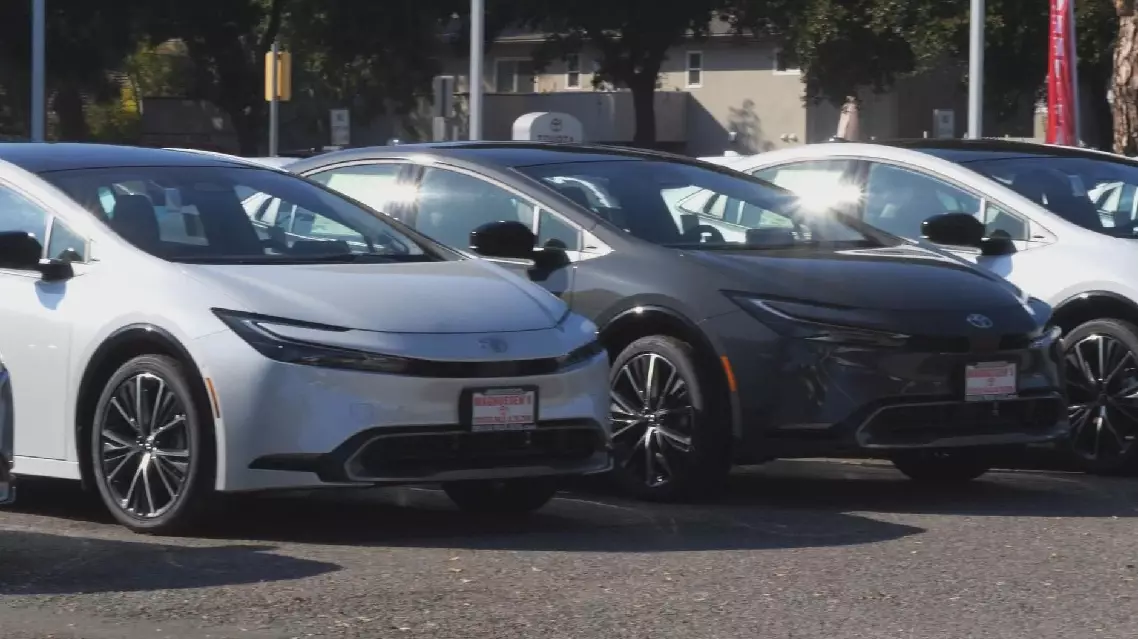
U.S. hybrid vehicle sales surge as fuel costs rise
A Pakistani scholar has stressed the importance of dialogue in resolving the conflict between the United States and Iran, as the two sides remain deadlocked over access to the Strait of Hormuz and Iran's nuclear program.
In recent months, Pakistan has emerged as a key mediator between Washington and Tehran, pushing diplomacy as a path to ending the conflict.
In a recent interview with China Global Television Network (CGTN), Rabia Akhtar, dean of the Faculty of Social Sciences at the University of Lahore, affirmed Pakistan's role as a mediator but stressed that whether an agreement is reached and implemented ultimately rests with the two countries.
"Pakistan's role is valuable because keeping a channel open gives the parties somewhere to take those agreements. A mediator can clarify a proposal, explore a sequence of reciprocal steps, and help each side understand what the other might accept. But a mediator cannot make the commitments on their behalf. Ultimately, Washington and Tehran have to decide that an agreement serves their interests and that they are prepared to implement it," she said.
Throughout the conflict, she noted, leaders have publicly deployed strong rhetoric against the other side. Akhtar called on both parties to withdraw from such practices, as they make reaching an agreement all the more difficult.
"There's also the domestic political problem. If you have told your public that anything short of the other side's surrender will be a defeat, you have made your own diplomacy much harder. Leaders need room to explain that a negotiated outcome can protect national interest. And quiet diplomacy helps because it allows options to be explored before every proposal becomes a public test of resolve," she said.
As the need for dialogue over conflict grows, Akhtar highlighted the potential role of China's Global Security Initiative (GSI), which focuses on addressing the world's growing security challenges through cooperation, dialogue, and shared responsibility, and offers a framework for managing crises.
"So for me, the GSI's emphasis on dialogue is relevant to what happens between crises as well as during them. So we need communication that survives political disagreements and commitments, that gives both sides a reason to exercise restraint. We cannot simply wait for trust to appear before we start talking. We have to use dialogue to establish whether commitments can be tested and whether restraint can be reciprocated," the scholar said.
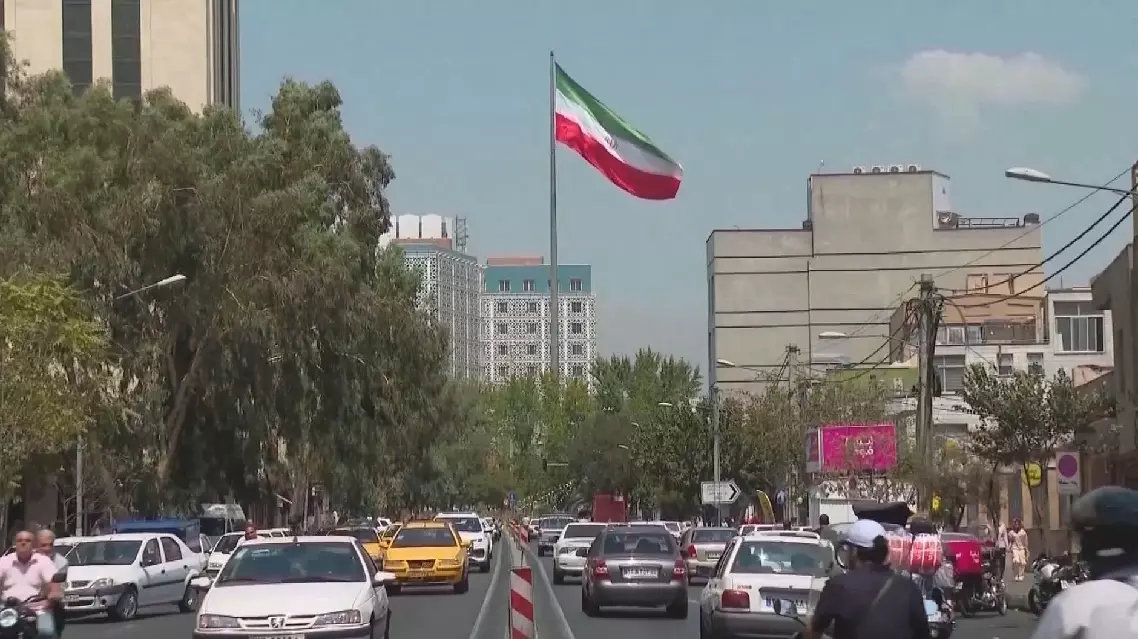
Dialogue essential to resolving US-Iran deadlock: Pakistani scholar