Passenger flows across China's transport networks remained at high levels on Sunday, the fourth day of the seven-day National Day holiday, with short- and medium-distance rail trips and inter-provincial road travel rising significantly, while island and cruise tours continued their robust growth momentum.
China's railway system is expected to handle 20.35 million passenger trips on Sunday, an anticipated sharp increase of 2.016 million, or 11 percent, over the same day in 2025, with 935 additional trains scheduled for the day.
To serve the surge in short- and medium-distance travel, railway authorities have set up tourist service centers at stations offering ticketing, guide and shuttle services, and added capacity through train coupling, extra train dispatching and overnight high-speed train scheduling.
Inter-provincial road travel and new energy vehicle traffic have kept growing, with 33 expressway sections across the provinces of Jiangsu, Sichuan, Guangdong, Hunan and Zhejiang prone to congestion, while emergency lanes have been opened as needed based on real-time conditions.
The waterway passenger volume is expected to exceed 1.95 million trips Sunday, with island tours, urban sightseeing cruises, and cruise travel continuing to operate at elevated levels.
Maritime authorities have also used smart platforms for vessel tracking and opened escort services on key routes to ensure safety.
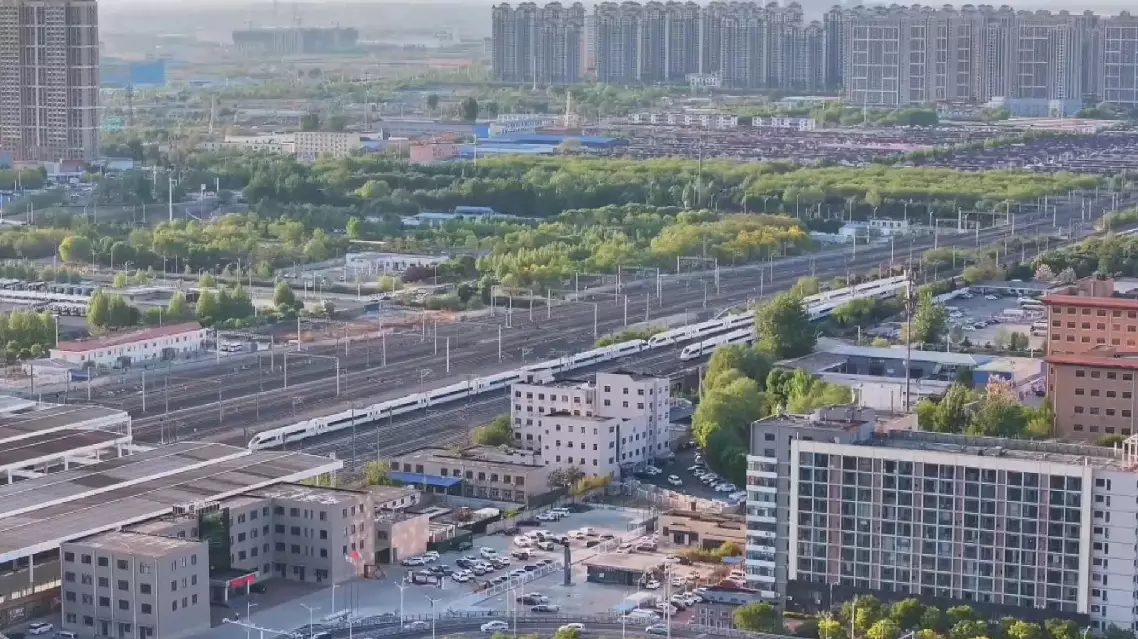
High travel demand persists across China on Day 4 of National Day holiday
A Pakistani scholar has stressed the importance of dialogue in resolving the conflict between the United States and Iran, as the two sides remain deadlocked over access to the Strait of Hormuz and Iran's nuclear program.
In recent months, Pakistan has emerged as a key mediator between Washington and Tehran, pushing diplomacy as a path to ending the conflict.
In a recent interview with China Global Television Network (CGTN), Rabia Akhtar, dean of the Faculty of Social Sciences at the University of Lahore, affirmed Pakistan's role as a mediator but stressed that whether an agreement is reached and implemented ultimately rests with the two countries.
"Pakistan's role is valuable because keeping a channel open gives the parties somewhere to take those agreements. A mediator can clarify a proposal, explore a sequence of reciprocal steps, and help each side understand what the other might accept. But a mediator cannot make the commitments on their behalf. Ultimately, Washington and Tehran have to decide that an agreement serves their interests and that they are prepared to implement it," she said.
Throughout the conflict, she noted, leaders have publicly deployed strong rhetoric against the other side. Akhtar called on both parties to withdraw from such practices, as they make reaching an agreement all the more difficult.
"There's also the domestic political problem. If you have told your public that anything short of the other side's surrender will be a defeat, you have made your own diplomacy much harder. Leaders need room to explain that a negotiated outcome can protect national interest. And quiet diplomacy helps because it allows options to be explored before every proposal becomes a public test of resolve," she said.
As the need for dialogue over conflict grows, Akhtar highlighted the potential role of China's Global Security Initiative (GSI), which focuses on addressing the world's growing security challenges through cooperation, dialogue, and shared responsibility, and offers a framework for managing crises.
"So for me, the GSI's emphasis on dialogue is relevant to what happens between crises as well as during them. So we need communication that survives political disagreements and commitments, that gives both sides a reason to exercise restraint. We cannot simply wait for trust to appear before we start talking. We have to use dialogue to establish whether commitments can be tested and whether restraint can be reciprocated," the scholar said.
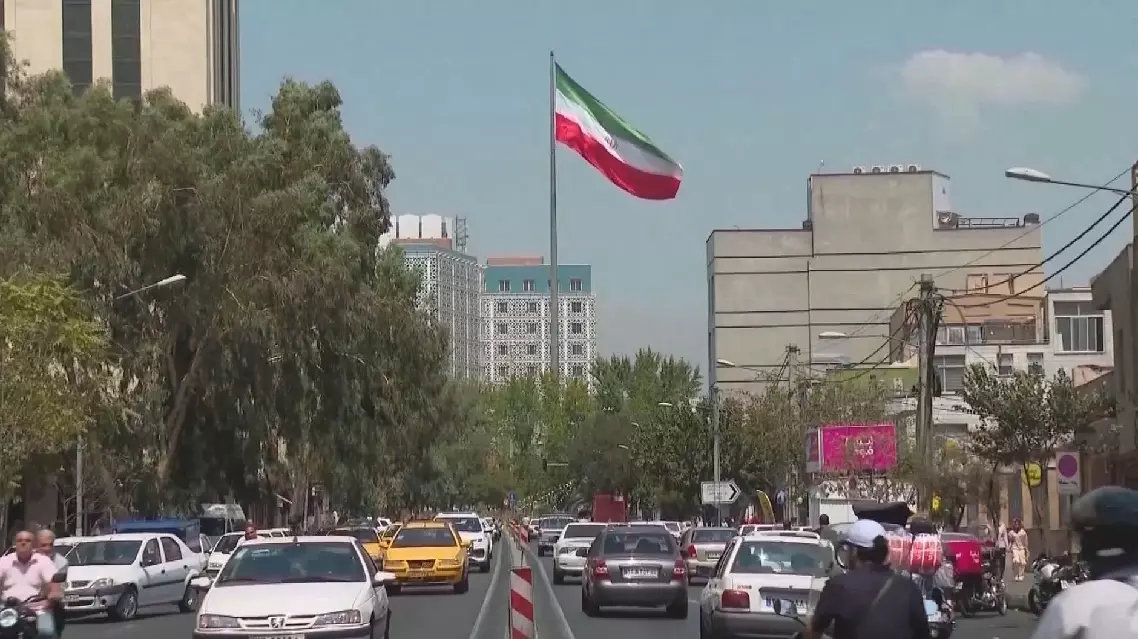
Dialogue essential to resolving US-Iran deadlock: Pakistani scholar