ALAMEDA, Calif.--(BUSINESS WIRE)--Oct 5, 2026--
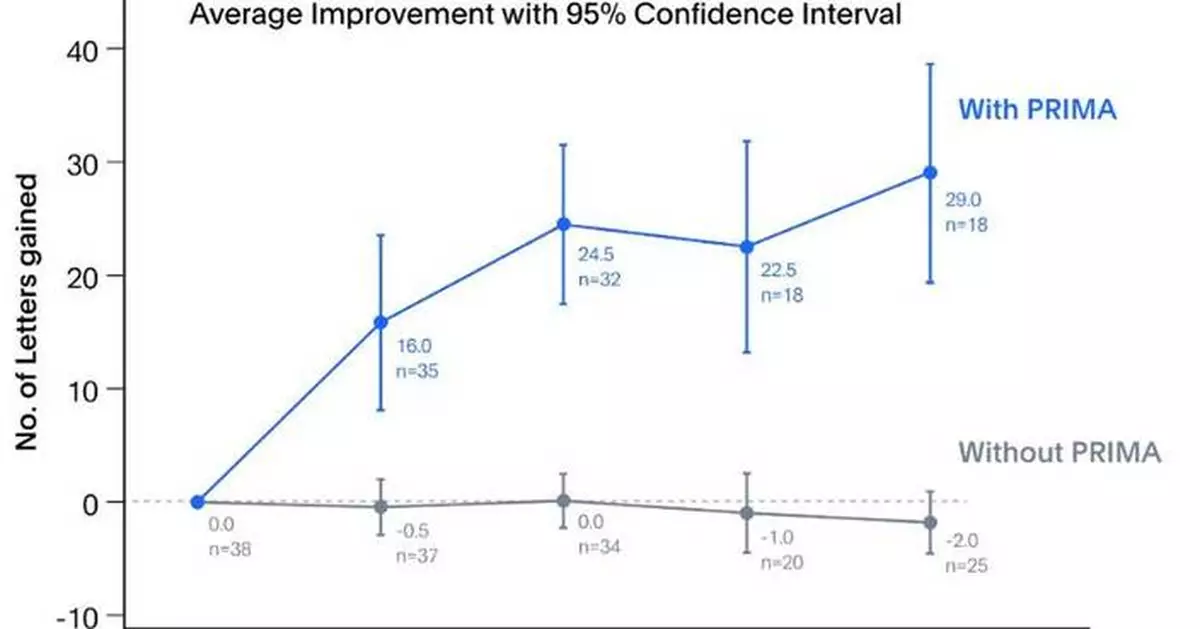
Science Corporation, the neural engineering and brain-computer interface (BCI) company, today announced long-term (36 months) followup data from its pivotal PRIMAvera clinical trial (NCT04676854). The results were presented in a late-breaking session at the 26th EURETINA Congress of European retina specialists in Vienna by Mahi Muqit, MD, PhD, Consultant Vitreoretinal Surgeon at Moorfields Eye Hospital NHS Foundation Trust and Associate Professor at the Institute of Ophthalmology, University College London.
This press release features multimedia. View the full release here: https://www.businesswire.com/news/home/20261005144492/en/
The PRIMA device, commercially available in Europe and the United Kingdom and pending FDA approval in the United States, is designed to use a tiny implant and special pair of glasses to replicate the function of light-sensitive cells in the eye that have been lost. It is indicated for patients suffering from geographic atrophy (GA) due to age-related macular degeneration (AMD), a leading cause of blindness affecting hundreds of thousands of people, typically over 60 years old. The results of the original PRIMA study were published in the New England Journal of Medicine [link].
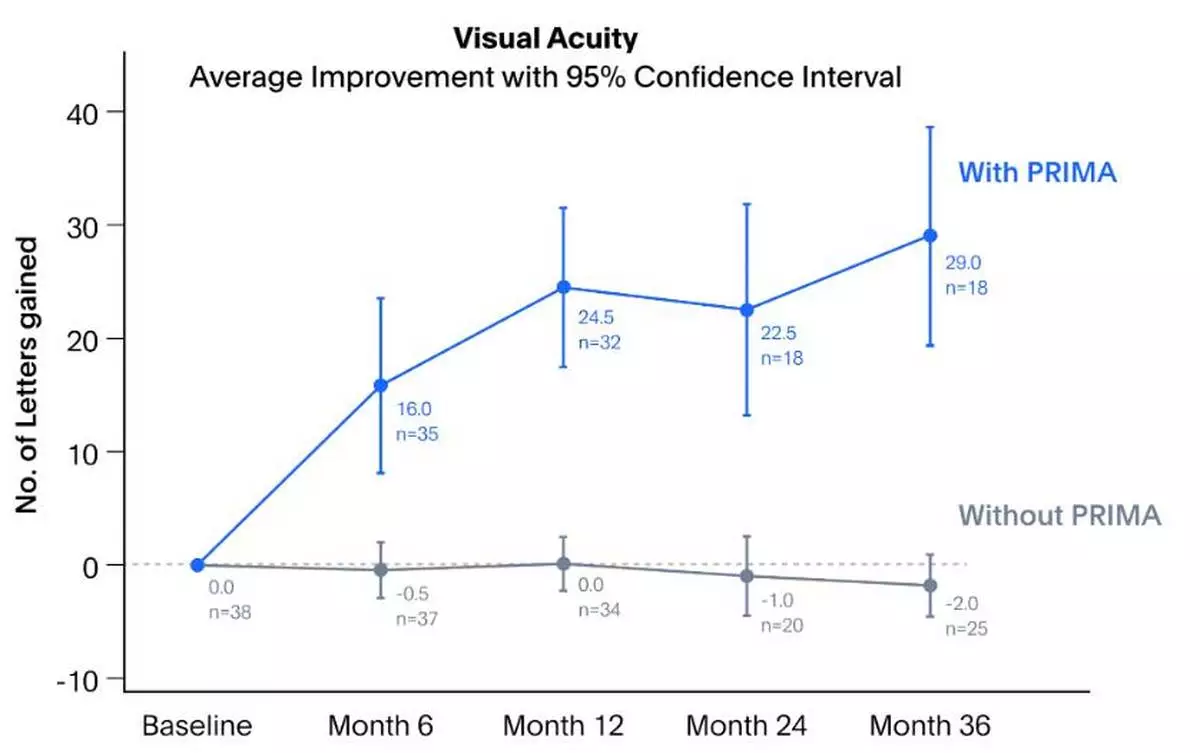
"This is the first multi-year durability data for a BCI that restores form vision," said Max Hodak, co-founder and CEO of Science. “In clinical trials, PRIMA is working better at month 36 than it did at month six.”
“Three years after implantation, the patients who gained vision have kept it, even improved it,” said Dr. Muqit. “The complications we saw were expected risks with subretinal surgery, they happened in the first weeks, and nothing new emerged across three years of follow-up.”
Study Highlights
These 36-month results extend the pivotal PRIMA clinical trial. The multi-center trial implanted 38 patients across 17 clinical sites in five European countries. At 36 months, 27 patients were evaluable for safety and 18 for efficacy.
The follow-up results include:
How It Works
The PRIMA implant is a novel subretinal photovoltaic implant paired with specialized glasses that project near-infrared light to the implant. A zoom feature provides patients with the ability to magnify letters. The implant rests within the atrophied area of the retina and measures 2mm x 2mm x 30µm.
GA is characterized by a loss of photoreceptors in the retina. PRIMA combats this loss with its wireless subretinal implant that operates as an array of artificial photoreceptors, stimulating the remaining cells to carry the visual signal to the brain. Unlike conventional therapies that attempt to slow disease progression, PRIMA has been shown in clinical trials to directly restore lost functional vision in GA patients.
Millions of people have AMD; this generation of PRIMA is designed for a subset with advanced GA where vision loss is severe. PRIMA was originally developed by Professor Daniel Palanker at Stanford University. Science Corporation manufactures the current version and is designing the next version of the implant with improved visual resolution and field of view, to bring this technology to more patients.
About Science
Science Corporation is a vertically integrated, full-stack neural engineering company. Our mission is to restore and extend life by transcending the limits of biology. Our first commercially available product is the PRIMA implant for blindness caused by geographic atrophy in patients with age-related macular degeneration. We are developing other advanced brain-computer interface technologies and devices to address critical unmet medical needs and, longer term, to transform the human condition through neural engineering and advanced perfusion technology. Science is headquartered in Alameda, California, with offices in Paris, France. For more information, please visit: www.science.xyz.
Credit: Science Corporation
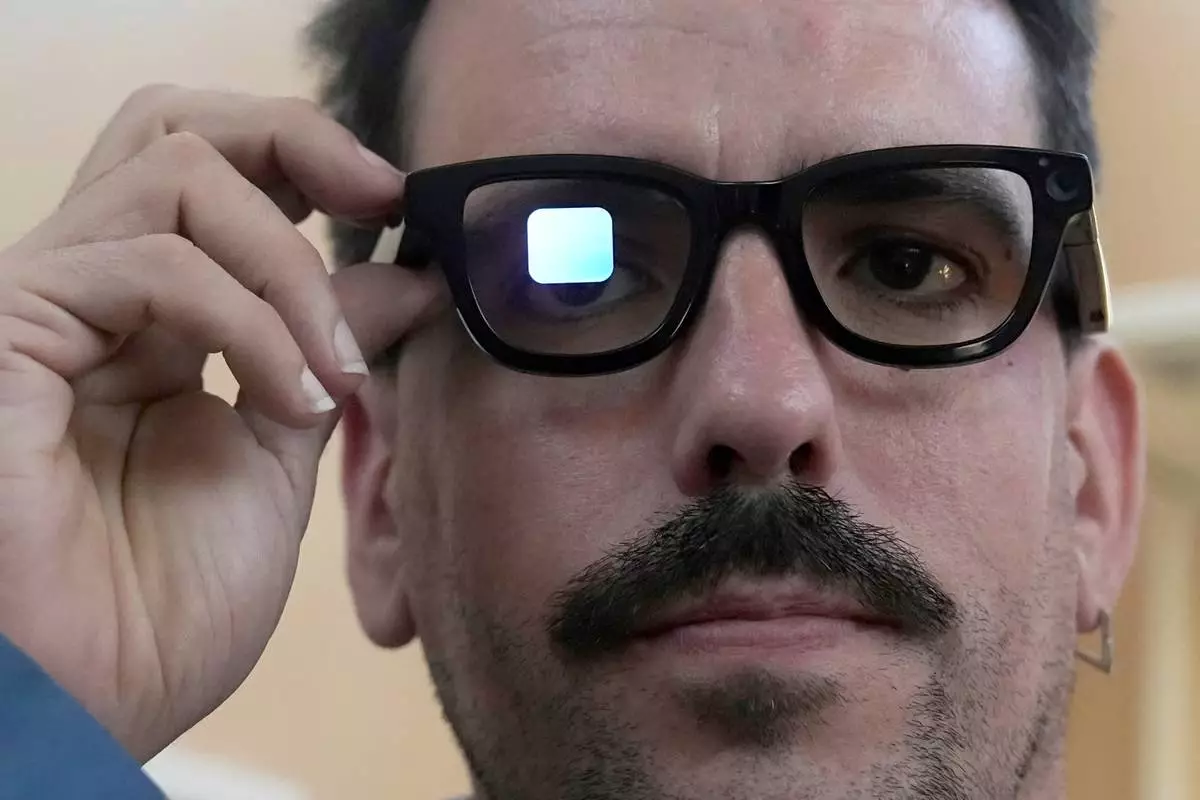
A trip to the park. A day at the beach. A workout session at the gym. All in public spaces where smart glasses can snap photos, record conversations or stream video online — without people in the line of their lenses and microphones knowing about it.
Norway's government wants to get a handle on both the promise and peril of AI glasses and is proposing that parliament enact a temporary ban on them in some places.
It's the latest sign of growing concern in many countries about new technologies that are fundamentally changing the way people live. Some governments have banned the use of social media by children and young teens.
Norway’s government said the proposal for the temporary ban will be made to parliament, the Storting, “as soon as possible.”
A key question is where to draw the line.
Norwegian authorities say a ban on the use of smart glasses could apply to places where “privacy is particularly important,” like healthcare facilities, or fitness centers with changing rooms and showers. A major focus is spaces where children congregate, such as schools, kindergartens, playgrounds and youth clubs.
But it could extend to public concerts and sports events, plus parks, beaches, museums and shopping centers.
A temporary ban would give authorities time to decide what types of devices might be affected, and debate whether permanent regulation is needed. The government was quick to note that it was not proposing a total ban and said such devices should still be allowed in some places and for private use.
The government also said it was considering exceptions to a ban for vulnerable groups, so that “socially beneficial uses” of smart glasses could be permitted in some circumstances.
Adam Smith, a technology advocacy officer at Britain-based Privacy International, said Norway's move was "a welcome protection against big tech’s greedy attempts to extract ever more data, often in absence of any thought for the privacy or rights of others.”
“No reality exists in which people expect to be secretly surveilled going about their daily lives,” he said.
One effort to rein in the use of AI glasses has run aground — in the home of Silicon Valley.
California's governor last week vetoed legislation that would have penalized the use of smart glasses to record people without their permission in places like changing rooms, doctor’s offices and other spaces people generally consider private.
Meta, the company behind Facebook, WhatsApp and Instagram that has rolled out AI glasses with eyewear vendor Ray-Ban, encourages respect for privacy and advises customers on how to use the glasses responsibly.
“Respect people’s preferences. Not everyone loves being photographed. Stop recording if anyone expresses that they would rather you not,” Meta wrote on its site.
The tech giant based in Menlo Park, California, says a light on the glasses indicates when recording in underway, and if the glasses detect that the light has been blocked or physically tampered with, the camera is automatically disabled.
Despite such advice and assurances, some privacy advocacy groups cite a growing backlash against AI glasses.
Hans Anders, a prominent eyewear retailer in the Netherlands, has suspended sales of the Ray-Ban Meta glasses.
“This decision follows the ongoing public and political debate surrounding smart glasses and the questions being raised about the conditions under which this technology can be used,” Hans Anders said in a statement, suggesting that it plans to await the outcome of the debate before making a final decision.
In Britain, the UK Cinema Association said in August it was introducing policies to prohibit or restrict the wearing of camera-enabled smart glasses, citing concerns about privacy and film piracy through the use of such technology.
FILE - Michael Mcloughlin, of El Confidencial, gets a demonstration of Gemini on Android XR glasses at a Google I/O event in Mountain View, Calif., Tuesday, May 20, 2025. (AP Photo/Jeff Chiu, File)