Farmers in east China's Shandong Province are transforming agricultural waste into a valuable resource through comprehensive green recycling systems, bringing both environmental benefits and new income opportunities for the region.
The initiative is being spearheaded in the rural parts of Zaozhuang City, a major agricultural production hub in Shandong.
In a recently harvested cornfield in Tai'erzhuang District, high-efficiency balers rumble across the farmland, gathering scattered cornstalks and compressing them into neat, cylindrical bales stacked in the fields. The straw is sorted by quality and put to multi-purpose use, including feeding livestock.
"We currently have about 460 cattle in stock, requiring roughly 10 tons of straw every day. Right now, during the autumn corn harvest, we can collect about 1,500 tons in just three days," said Lin Changqing, head of a local livestock breeding enterprise.
Meanwhile, lower-quality straw is uniformly collected and transported to biomass power generation plants, where specialized combustion techniques convert the agricultural waste into clean electricity for the power grid.
"Our plant purchases 500 to 600 tons of cornstalks daily. We turn field waste into green and clean energy," said Zheng Tianjun, head of a local biomass power company.
Tai'erzhuang District began exploring diversified straw utilization in 2016 and established a mature system by 2022, featuring mechanized operations for rapid field clearance, categorized utilization based on quality, and centralized collection.
This approach has transformed crop residue into a profitable resource while helping local residents find employment and increase their income without leaving their home city.
Local authorities estimate that this year's corn harvest will yield 150,000 tons of livestock feed and generate 70 million kilowatt-hours of biomass electricity.
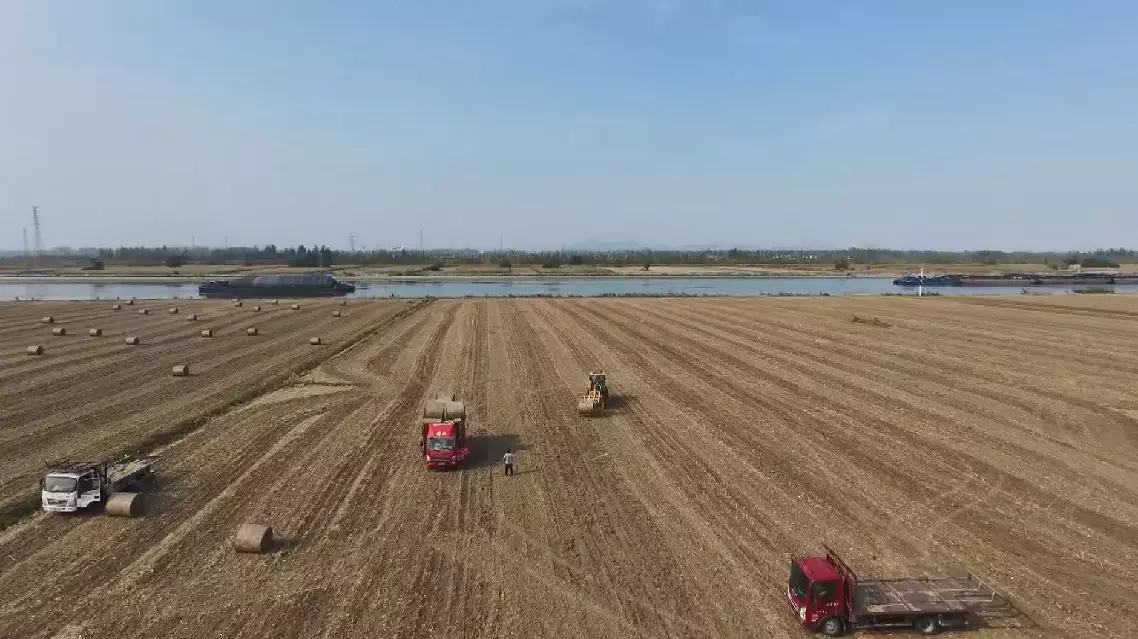
Corn straw recycling on farms in east China's Shandong drives green development
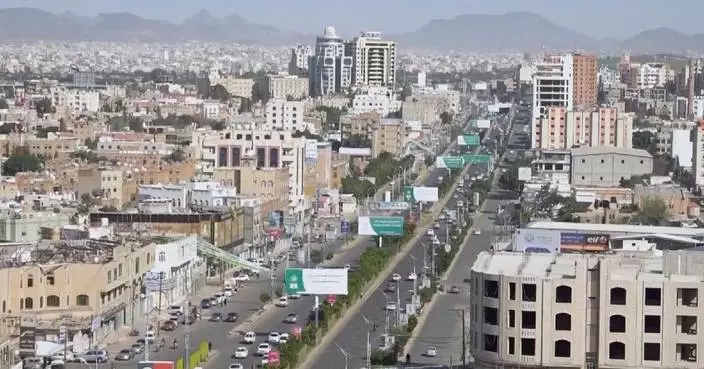
Yemen's Houthi group said Sunday it had carried out four missile and drone operations against airports and energy facilities across Saudi Arabia over the past 24 hours, as cross-border hostilities continued to intensify.
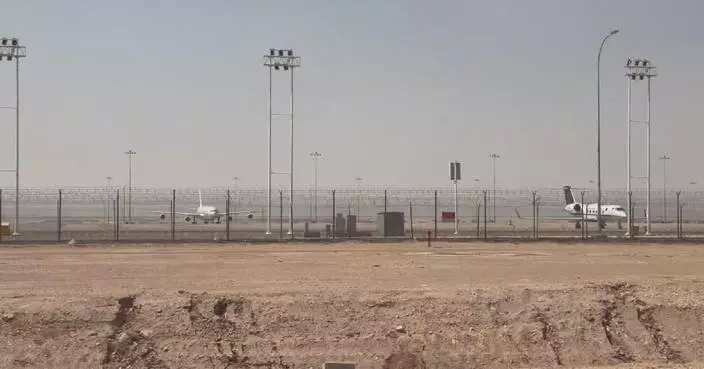
The operations targeted King Khalid International Airport in the Saudi capital Riyadh, King Fahd International Airport near Dammam in the Eastern Province, and two facilities operated by Saudi energy giant Aramco, Houthi military spokesperson Yahya Sarea said in a televised statement broadcast by the Houthi-run al-Masirah TV.
Sarea said the first operation targeted King Khalid International Airport in three waves beginning Saturday evening, claiming the strikes disrupted air traffic and forced the airport to close.
The second targeted Aramco's Shedgum gas facility in the Eastern Province, he said, claiming a "direct hit," which caused a large fire. He added that the third operation targeted Aramco's Tanajib facility in the Eastern Province, while the fourth targeted King Fahd International Airport near Dammam.
Separately, Sarea said Houthi forces launched six ballistic missiles and two drones at what he described as Saudi military gatherings in areas of the southern Yemeni province of Lahj, claiming the strikes caused dozens of casualties. He also said Houthi forces fired locally manufactured surface-to-air missiles at Saudi warplanes, forcing them to retreat.
Sarea said the operations came in response to intensified Saudi airstrikes across Yemen. He claimed Saudi warplanes had carried out 124 strikes over the previous 24 hours targeting the capital Sanaa and the provinces of Taiz, Marib, Al-Jawf, Hajjah, Hodeidah and Saada.
The latest claims come amid a sharp escalation in the Yemen conflict, with intensified Saudi air operations against Houthi-held areas accompanying repeated Houthi missile and drone attacks on targets inside Saudi Arabia, including airports and energy facilities.
Yemen has been mired in conflict since late 2014, when the Houthis seized Sanaa and much of the country's north. A Saudi-led coalition intervened in 2015 in support of the internationally recognized government, now based in Aden.

Yemen's Houthis claim missile, drone attacks on Saudi airports, energy facilities