ALBUQUERQUE, N.M. (AP) — Shiyazh Pete’s time with the Dallas Cowboys was brief, but his NFL debut gave fellow Navajo citizens a moment to remember. When the rookie offensive lineman took the field for a preseason game against the Arizona Cardinals in August, thousands of fans who had traveled from across the Navajo Nation erupted in cheers, waving tribal flags and exclaiming “yéego,” an affirmation that translates roughly to “with great effort, do it.”
Pete played just six snaps, but returned to the sideline to a standing ovation — a powerful show of support for the first member of the Navajo Nation to sign with an NFL team.
Click to Gallery
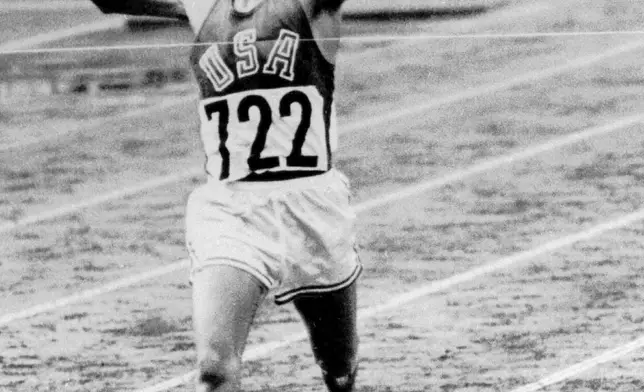
FILE - U.S. Marine Lt. Billy Mills breaks the tape to win the 10,000-meter race, setting an Olympic record, on Oct. 14, 1964, in Tokyo. (AP Photo, File)
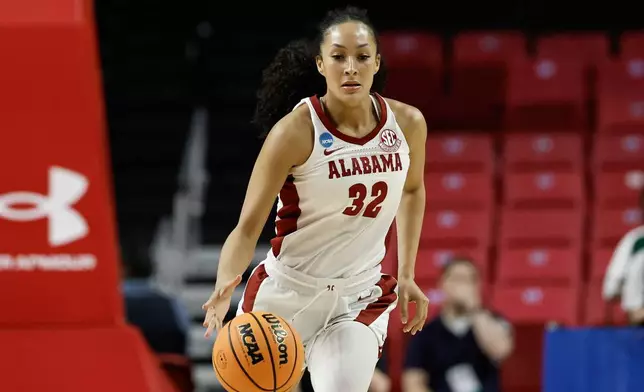
FILE - Alabama guard Aaliyah Nye brings the ball up court during the first half in the first round of the NCAA college basketball tournament against Green Bay in College Park, Md., March 22, 2025. (AP Photo/Terrance Williams, File)
FILE - Notah Begay III hits off the third tee during the final round of the Champions Tour Principal Charity Classic golf tournament, June 2, 2024, in Des Moines, Iowa. (AP Photo/Charlie Neibergall, File)
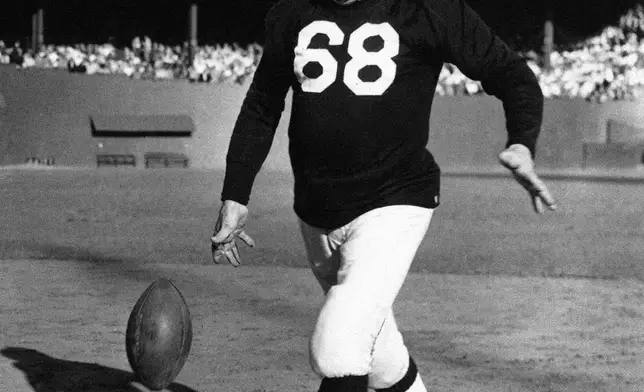
FILE - Jim Thorpe, famous all-around athlete, is shown giving a drop-kicking exhibition at New York's polo grounds on Sept. 26, 1948, between halves of the Israel-U.S. international soccer match. (AP Photo, File)
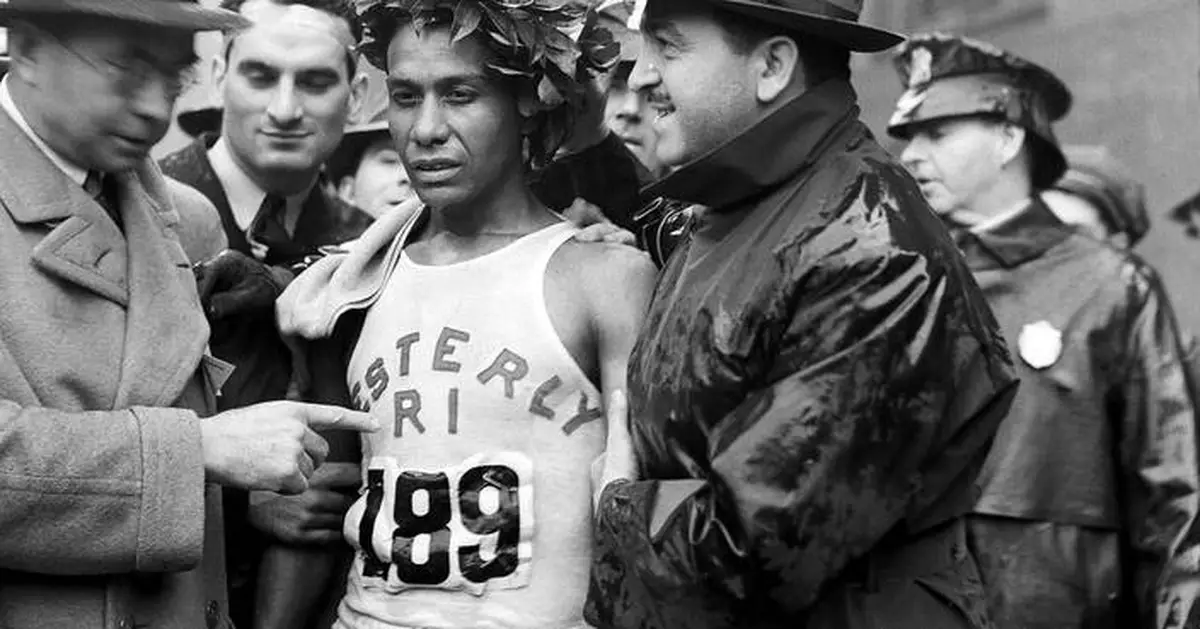
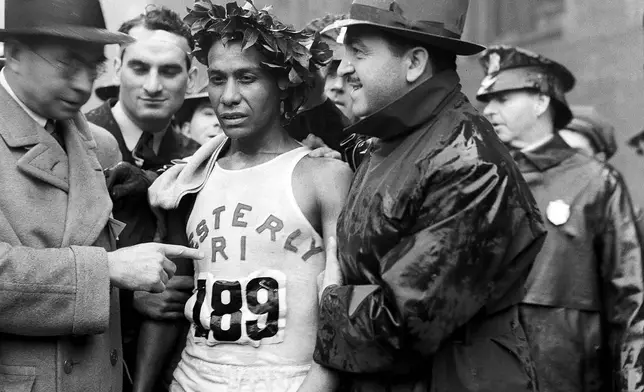
FILE - Ellison M. Brown, winner of the Boston Marathon, is shown in an exhausted state after the race, April 19, 1939. (AP Photo/Abe Fox, File)
Now a free agent after being waived by the Cowboys, Pete has returned home to the Navajo Nation, where he has been thanking fans for their support as he looks for his next NFL opportunity. He surprised students at his alma mater, Shiprock High School, with an appearance at their homecoming pep rally and served as grand marshal of the Northern Navajo Nation Fair Parade.
On Monday, Pete will meet and greet fans at an Indigenous Peoples Day event in Albuquerque, New Mexico.
Pete joins a long list of Native athletes who have broken barriers in sports, inspired pride in their communities and become role models for Native children. From Olympic champions to professional basketball players, these athletes have helped shape sports history while opening doors for those who follow.
Still widely considered the greatest athlete of all time, Jim Thorpe, of the Sac and Fox Nation in Oklahoma, won the decathlon and pentathlon in the 1912 Olympics. He also played six seasons in Major League Baseball and 12 in professional football, including in the American Professional Football Association, the precursor to the National Football League.
A track and field teammate of Thorpe’s at the Carlisle Indian Industrial School in Pennsylvania, Louis Tewanima carried on the Hopi spiritual practice of running to gain recognition at the repressive institution. He finished ninth in the marathon at the 1908 Olympics in London and second in the 10,000 meters at the 1912 Olympics in Stockholm, setting an American record in the event.
Modern surfing traces its history to Native Hawaiian Duke Kahanamoku. His international demonstrations between winning gold and silver swimming medals at the 1912, 1920 and 1924 Olympics made surfing widely known. Kahanamoku helped establish surfboards as standard ocean lifeguarding equipment. He acted in movies and served from 1935 to 1961 as sheriff of Honolulu.
Marathoner Ellison Myers “Tarzan” Brown, of the Narragansett Tribe in Rhode Island, won the Boston Marathon in 1936 and 1939 and competed for the U.S. in the 1936 Olympics in Berlin. Brown was to run the marathon in the 1940 Olympics, but the games were canceled due to World War II.
Oglala Lakota runner Billy Mills was the first non-European to win Olympic gold in the 10-kilometer run with his upset, Olympic-record race at the 1964 Olympics in Tokyo. The run was the best U.S. medal finish in that Olympic event since Tewanima's silver more than half a century earlier — and Mills' 10K gold has yet to be equaled by a U.S. Olympian.
The first American woman to finish a marathon under 2 hours, 30 minutes, Patti Catalano Dillon, is of Mi’kmaw descent and grew up in Massachusetts. Dillon was runner-up in the 1980 New York Marathon and in the 1979, 1980 and 1981 Boston marathons. Dillon held world records in the half marathon and 30-kilometer and 20-kilometer runs.
Ryneldi Becenti was the first Native American WNBA athlete, playing for the Phoenix Mercury in the 1997 season. Becenti grew up playing fast-paced “rez ball” on the Navajo Nation and was a top player for Scottsdale Community College and Arizona State University before going pro as a player in Europe.
Los Angeles Sparks player Aaliyah Nye is a citizen of the Match-E-Be-Nash-She-Wish Band of Pottawatomi in Michigan. A top scorer in high school, then for Alabama, Nye joined the WNBA in 2025 as a Las Vegas Aces draft pick. In 2026, she was drafted and waived by the Toronto Tempo and Atlanta Dream before being claimed by the Sparks.
This story is published through the Global Indigenous Reporting Network at The Associated Press.
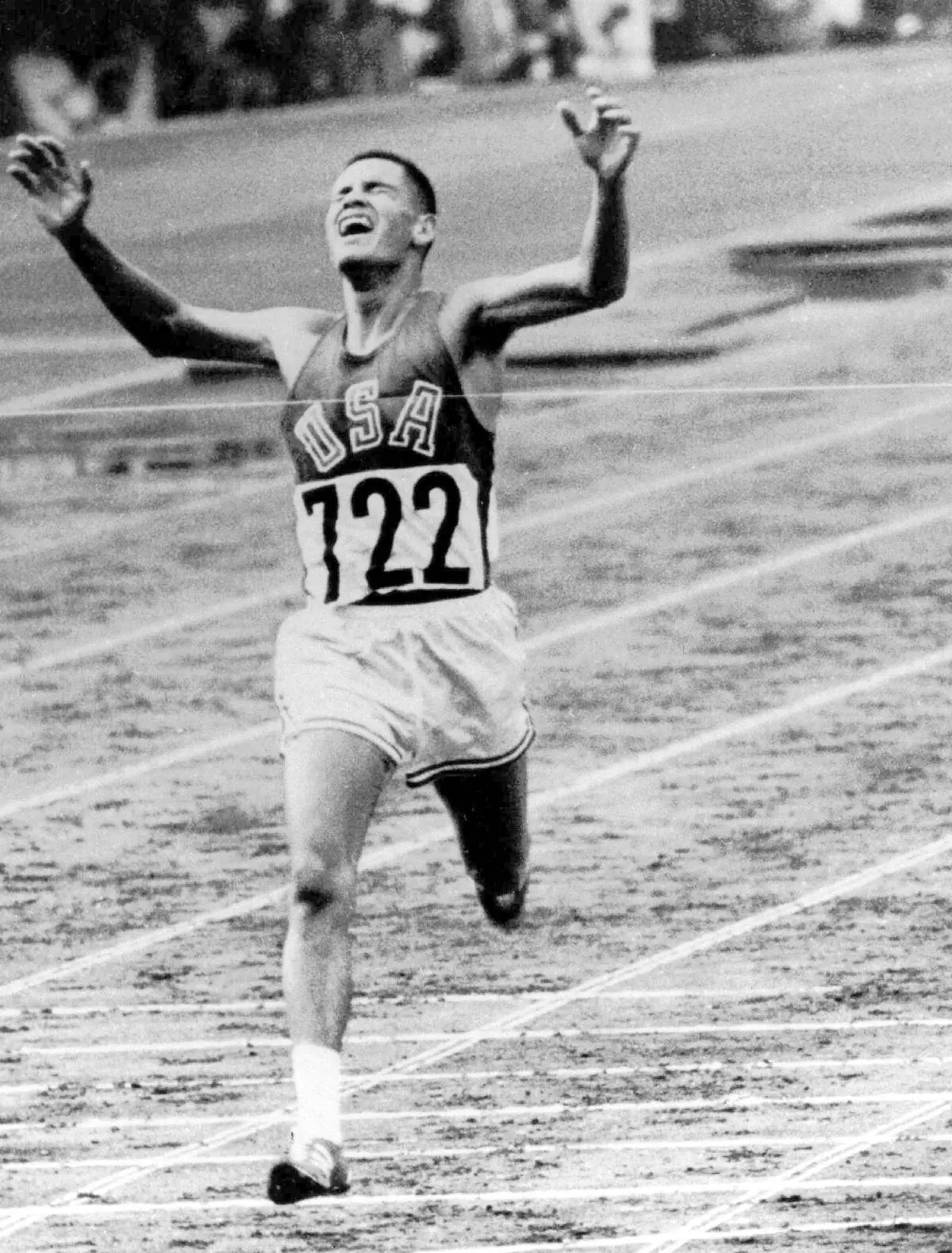
FILE - U.S. Marine Lt. Billy Mills breaks the tape to win the 10,000-meter race, setting an Olympic record, on Oct. 14, 1964, in Tokyo. (AP Photo, File)

FILE - Alabama guard Aaliyah Nye brings the ball up court during the first half in the first round of the NCAA college basketball tournament against Green Bay in College Park, Md., March 22, 2025. (AP Photo/Terrance Williams, File)

FILE - Notah Begay III hits off the third tee during the final round of the Champions Tour Principal Charity Classic golf tournament, June 2, 2024, in Des Moines, Iowa. (AP Photo/Charlie Neibergall, File)
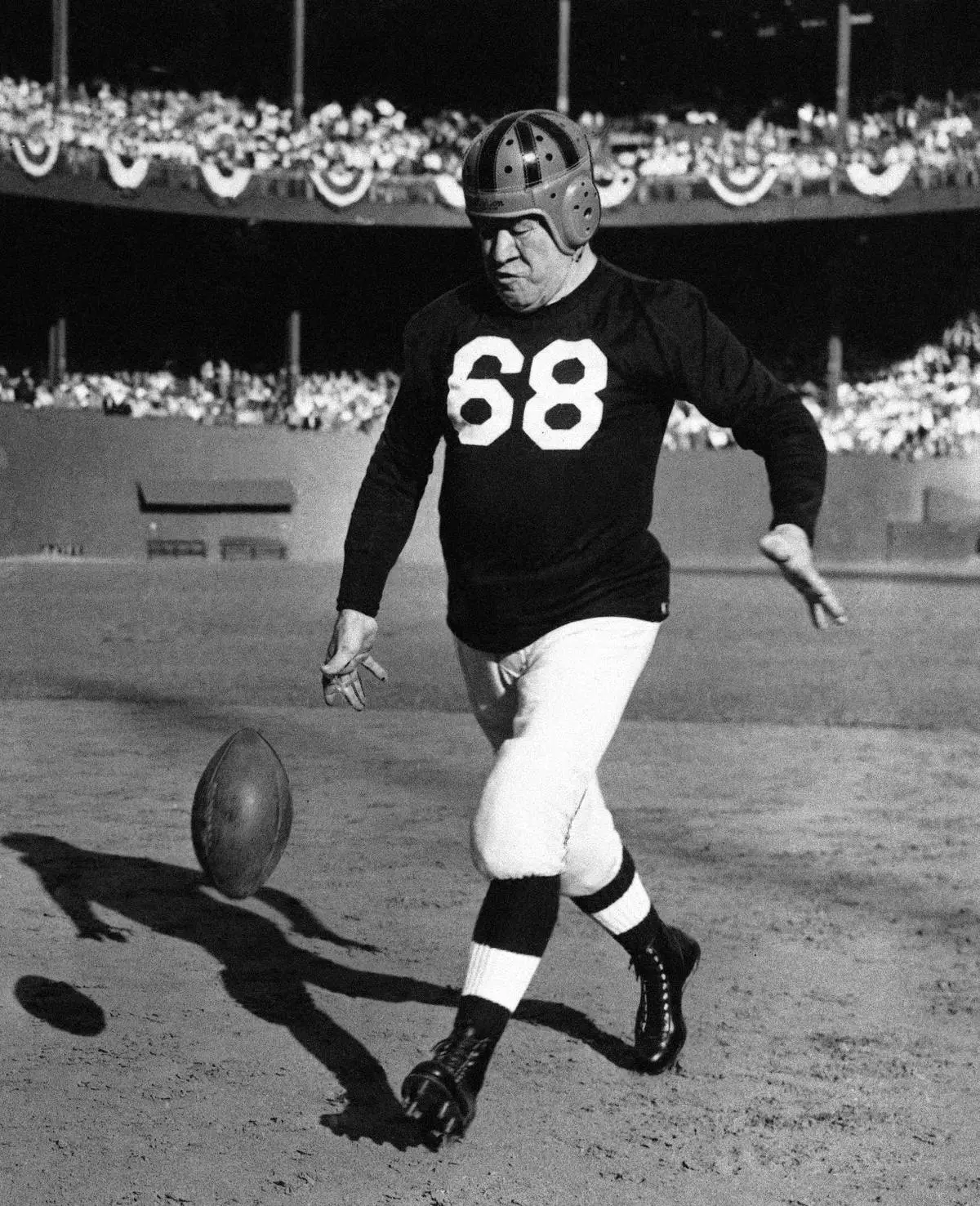
FILE - Jim Thorpe, famous all-around athlete, is shown giving a drop-kicking exhibition at New York's polo grounds on Sept. 26, 1948, between halves of the Israel-U.S. international soccer match. (AP Photo, File)
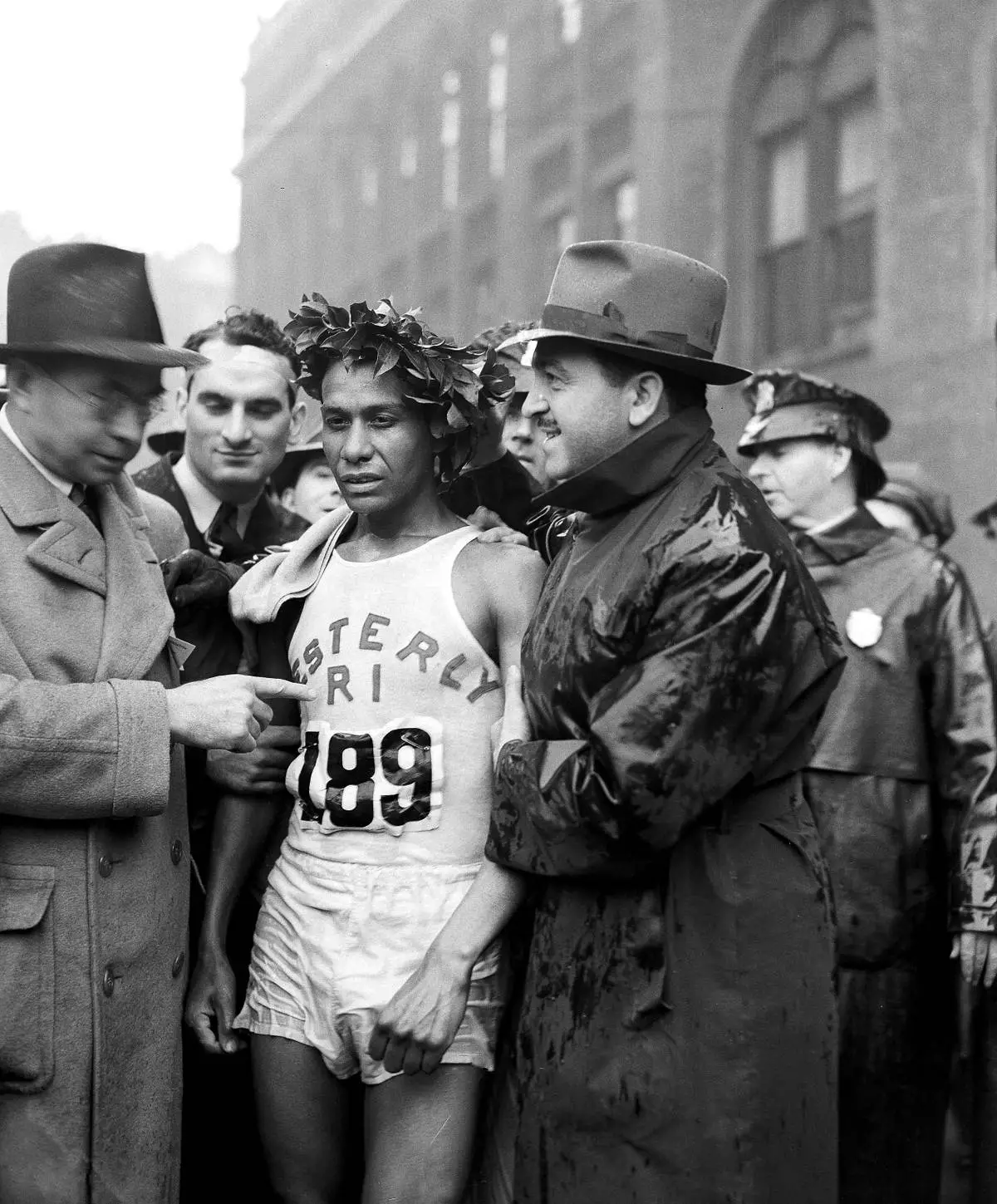
FILE - Ellison M. Brown, winner of the Boston Marathon, is shown in an exhausted state after the race, April 19, 1939. (AP Photo/Abe Fox, File)
CAIRO (AP) — A projectile struck a passenger terminal at the international airport in Riyadh on Sunday, a day after a missile hit the same terminal and killed 12 people, the Saudi-led coalition fighting Iran-backed Houthi rebels in Yemen said. The Houthis claimed responsibility for those attacks and others.
Saudi authorities said one person, described as a Pakistani national, was killed, and 11 were injured in the latest attack on the domestic terminal complex at King Khalid International Airport.
The airport — struck four times in the past five days — has been closed since Saturday’s missile attack, which was the deadliest in a Gulf Arab nation since the Iran war began. Over 300 other people were wounded, some critically.
The sharp escalation in the war's new front threatens to draw in greater U.S. military involvement. President Donald Trump has said he is weighing joining the fight against the Houthis. There was no White House comment Sunday.
India’s embassy in Saudi Arabia said one of its citizens died Sunday of injuries sustained in Saturday’s attack, which would bring the toll to 13. Saudi authorities later said King Fahd International Airport in Dammam also was attacked, with few details. The city is on the Persian Gulf near Bahrain and Qatar.
The latest strike in Riyadh came shortly after the Houthis said the airport in the rebel-held Yemeni capital of Sanaa had been struck again, and blamed the Saudis. On Sunday night the Houthi-run Al-Masirah TV channel reported further strikes on Sanaa, blaming Saudi Arabia. Saudi Arabia has not commented on the strikes.
At stake, again, in this escalation are global supplies and prices of oil as well as commercial shipping through a crucial alternative waterway to the Iran-threatened Strait of Hormuz — along with civilians and aviation throughout the region.
There was no sign Sunday that Trump had followed up on plans to speak with Saudi Crown Prince Mohammed bin Salman, who has been seeking assistance against the war-hardened rebel group that is currently Iran's most dynamic proxy.
A U.S. intervention could prompt the Houthis to halt shipping through the Bab el-Mandeb Strait at the southern end of the Red Sea off Yemen, further restricting the flow of oil out of the Persian Gulf. The rebels seized key areas along the strait last month. The Saudi-led coalition, backing forces with Yemen's internationally recognized government, has been trying to seize them back.
The rebels' strikes against Saudi airports, oil infrastructure and military facilities highlight a problem. The kingdom is running low on missile interceptors and has asked France, Britain, Pakistan and Egypt to deploy air defense support to the region, regional officials told The Associated Press last month, with one noting that the U.S. has seen its own stock dwindle during the Iran war.
Some airlines have suspended flights serving Saudi airports, and some embassies have cautioned citizens about the risks of using them, after multiple Houthi warnings about the rebels' use of Saudi airspace.
Sunday’s attack occurred as the Saudis hosted a major international energy conference in Riyadh, with other high-profile events including an investment gathering on the horizon. Saudi Arabia under Crown Prince Mohammed bin Salman has sought to open more to the world as a business and tourism destination, but the Houthi attacks threaten those efforts.
“There is no way that somebody will break our back. We are like a phoenix, we come out of the ashes all the time,” the Saudi energy minister, Prince Abdulaziz bin Salman Al Saud, told the conference.
He added that the kingdom is also working on pipelines in addition to the East-West one that was attacked and closed for days last month, with no details.
Earlier on Sunday, the Houthi-run health ministry said a child was killed and six people wounded in a suspected Saudi airstrike on a house in Sanaa. The ministry also said 91 Yemenis have been killed by the Saudi-led coalition in five weeks, 60% of them women and children.
There was no immediate comment from Saudi authorities on the claims, as fighting in Yemen surges after a major military offensive was launched against the Houthis a week ago.
Inside Saudi Arabia, identities emerged for some of those killed in Saturday's attack in Riyadh, including an Egyptian flight attendant and a Syrian widow living in the kingdom.
The government has previously said the dead also include four Saudi citizens, as well as two Bangladeshi nationals, one Palestinian, one American, one Jordanian and one Sudanese national.
Early Monday, Saudi Arabia released videos of the moment of the strike captured by security cameras. They show people, many dressed in the white robes of Mecca-bound pilgrims, standing in line in a busy hall, while others scroll phones in a nearby seating area before a fireball erupts, following by people throwing themselves to the floor and running for safety.
The Houthis until recently had been largely on the Iran war’s sidelines. They have developed their military capabilities in recent years to become one of Tehran’s most powerful allies. Now they're pressuring its regional rival and a key U.S. ally.
Late Sunday, Saudi Arabia and Iran said their foreign ministers had spoken by phone. Iranian Foreign Minister Abbas Araghchi said he warned against insisting on a military approach and ignoring a political solution, and said Tehran was ready to help start a dialogue between the Saudis and the Houthis.
The Saudis and Houthis began fighting in 2015, when the kingdom entered Yemen’s civil war on behalf of the government. Relative calm after a 2022 ceasefire ended in July when the Houthis resumed attacks, saying the Saudis fired on the Sanaa airport as a plane from Iran was trying to land.
The attack revived anger over the Saudi-led blockade that has largely isolated Houthi-run areas. The rebels declared a blockade on Saudi Arabia.
Now the Saudi-led coalition is providing air support for Yemeni government forces attempting to reverse Houthi territorial gains.
But the rebels' pressure tactics could backfire, said Ahmed Nagi, the International Crisis Group’s senior analyst for Yemen: “Rather than pushing Riyadh to step back, attacks on critical Saudi infrastructure could make the Saudis more determined to continue the campaign.”
A previous version of this report has been corrected to show that the Egyptian killed was a woman, not a man.
Frankel and Anna reported from Jerusalem. Associated Press writers Victoria Eastwood in Cairo, Collin Binkley in Washington, Sally Abou AlJoud in Beirut and Omar Albam in Maarat al-Numan, Syria, contributed to this report.
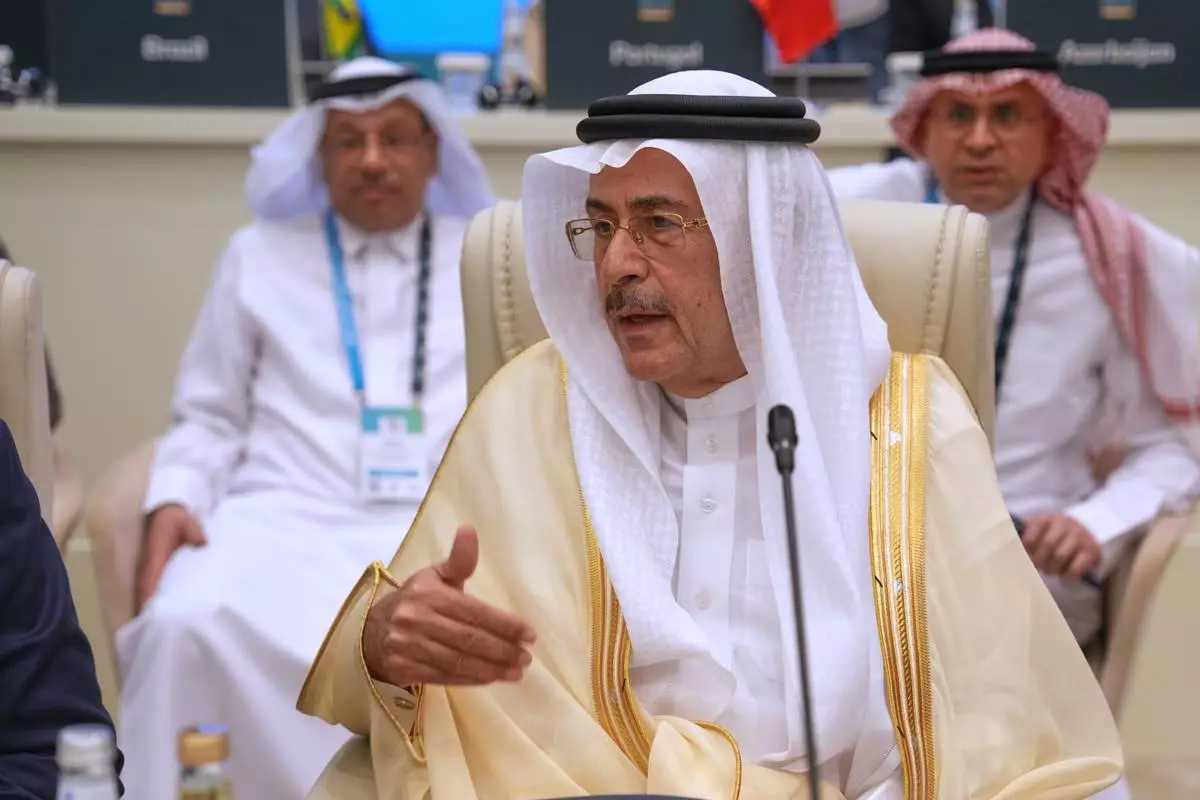
Aramco CEO Amin Al-Nasser attends the 17th Ministerial Meeting of the International Energy Forum (IEF), in Riyadh, Saudi Arabia, Sunday, Oct. 11, 2026. (AP Photo/Baraa Anwer)
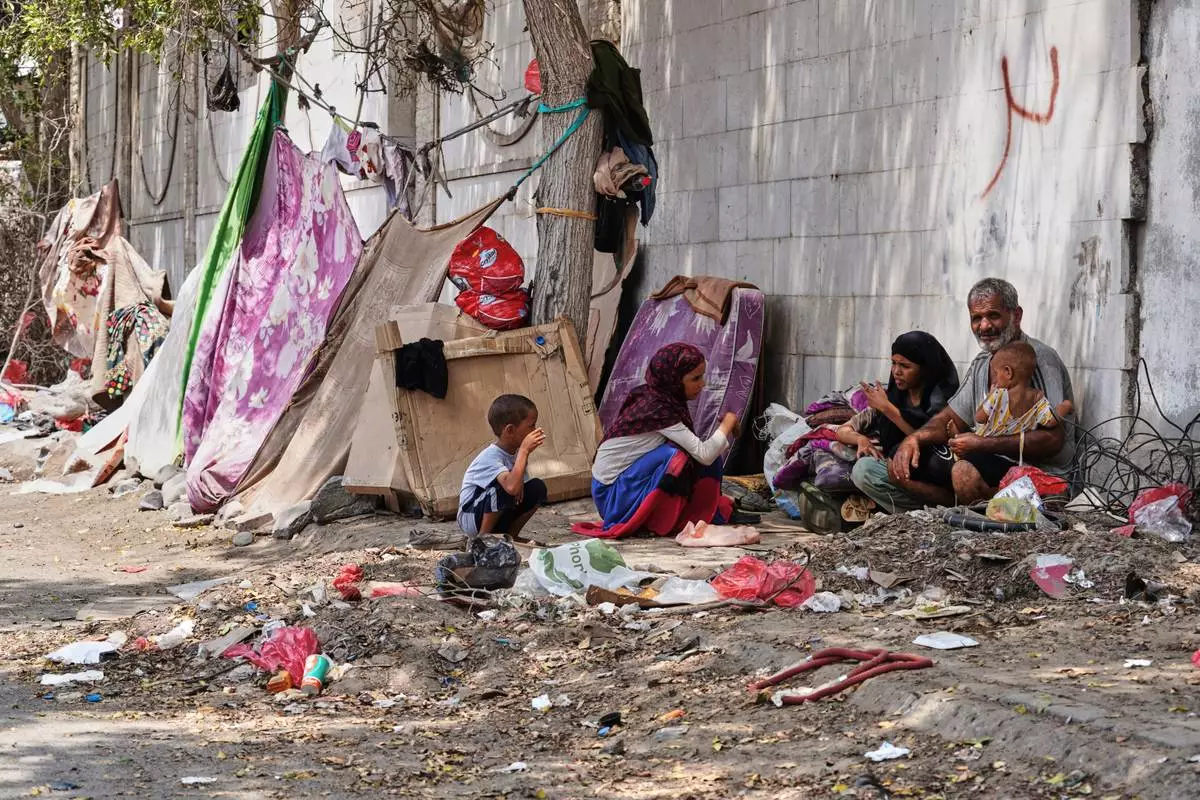
A displaced Yemeni family sits beside a makeshift shelter along a roadside in Aden, Yemen, Sunday, Oct. 11, 2026. (AP Photo/Abdulnasser Alseddik)
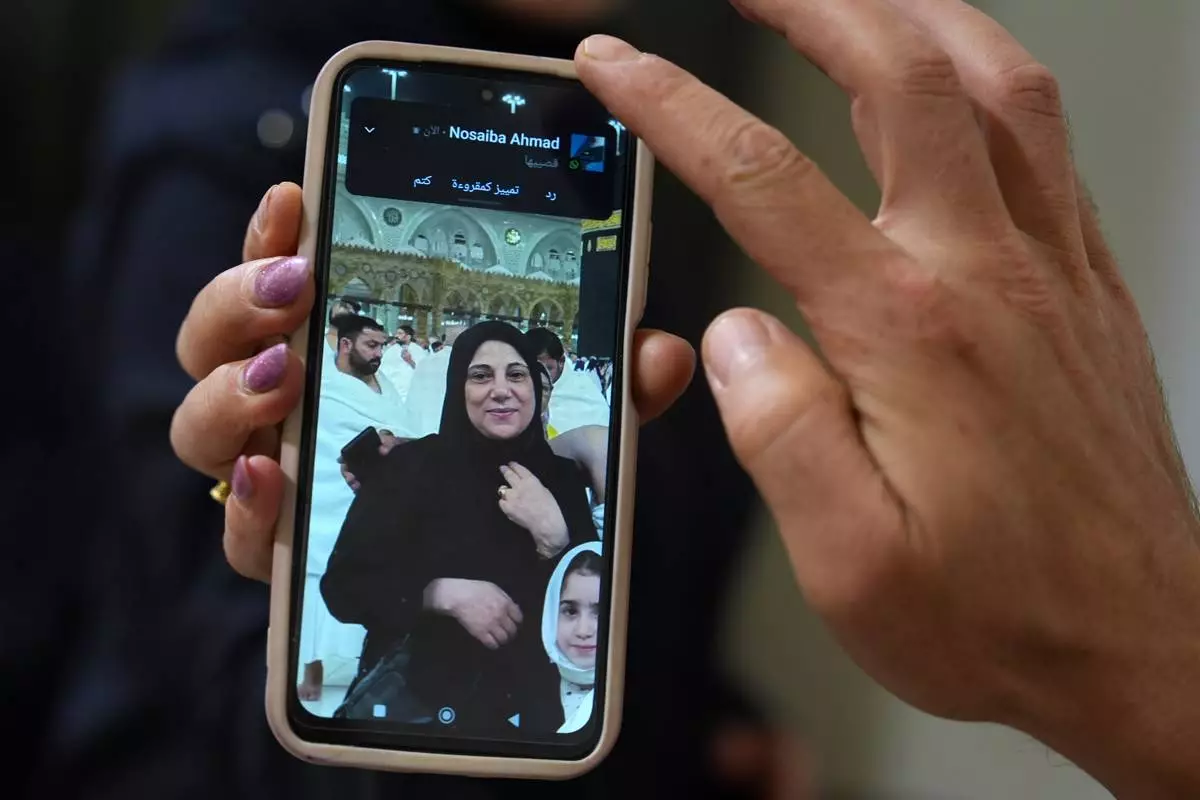
A portrait of Buthaina Ahmad Oweida, the Syrian woman who died in yesterday's attack on the Riyadh airport, is displayed on the mobile phone of her nephew at her family house, in her hometown of Hafasraja, Idlib province, Syria, Oct. 11, 2026. (AP Photo/Omar Albam)
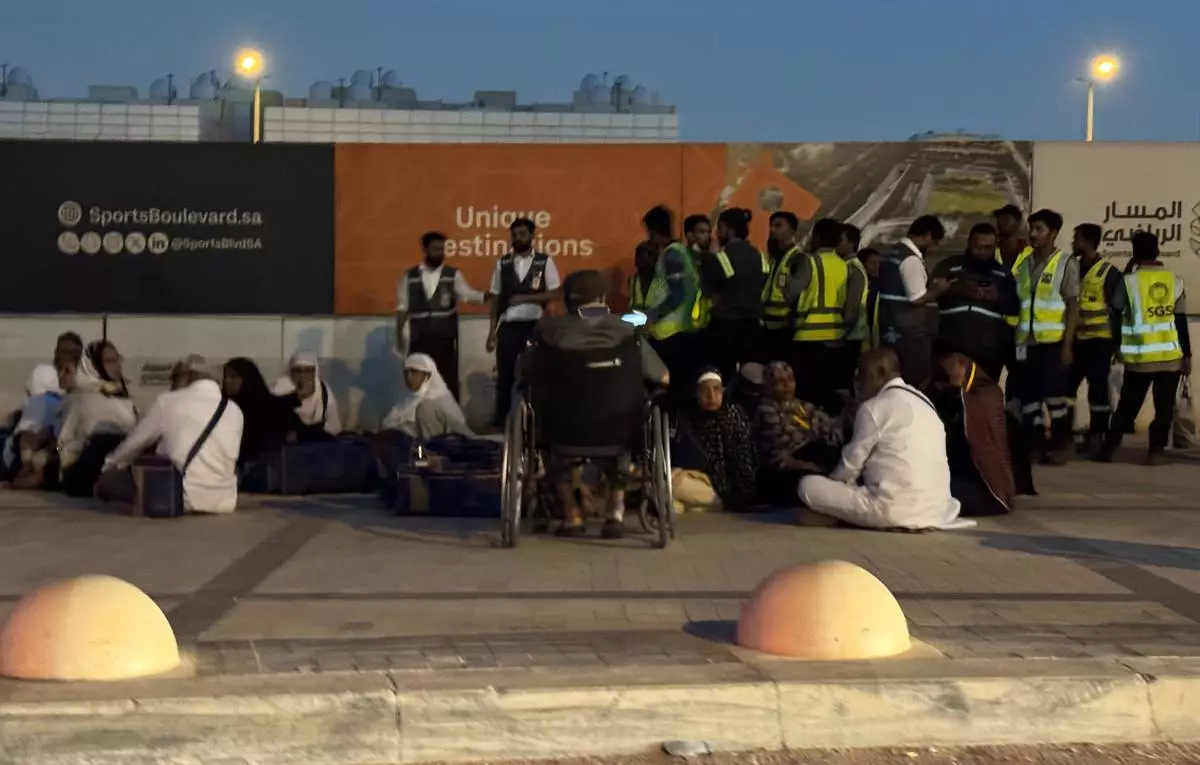
People gather outside a metro station on the road to King Khalid International Airport in Riyadh, Saudi Arabia, Saturday, Oct. 10, 2026. (AP Photo)
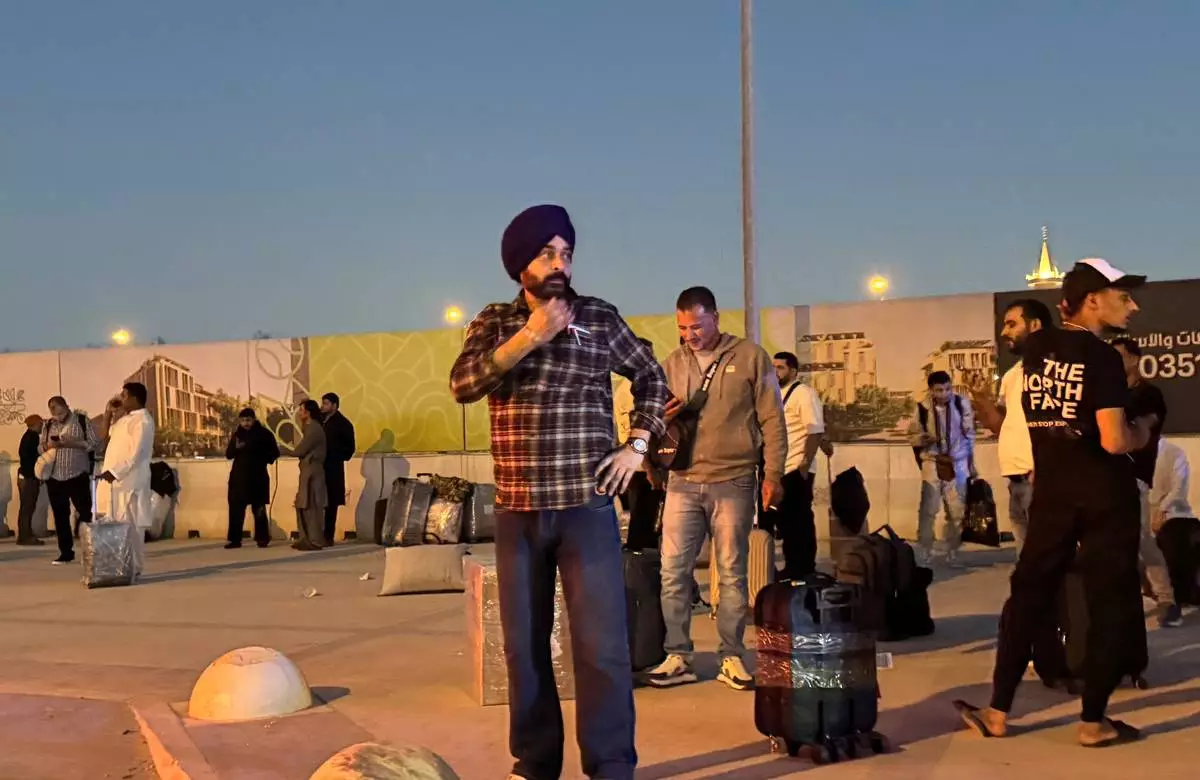
People gather outside a metro station on the road to King Khalid International Airport in Riyadh, Saudi Arabia, Saturday, Oct. 10, 2026. (AP Photo)

This image from video obtained and verified by AP shows thick black smoke and flames rising from a fire at King Khalid International Airport in Riyadh, Saudi Arabia, Friday, Oct. 9, 2026. (UGC via AP)