The Chinese Foreign Ministry on Monday extended condolences to Nepal over a recent flash flood in the central part of the country, saying that China stands ready to provide assistance in light of Nepal's need.
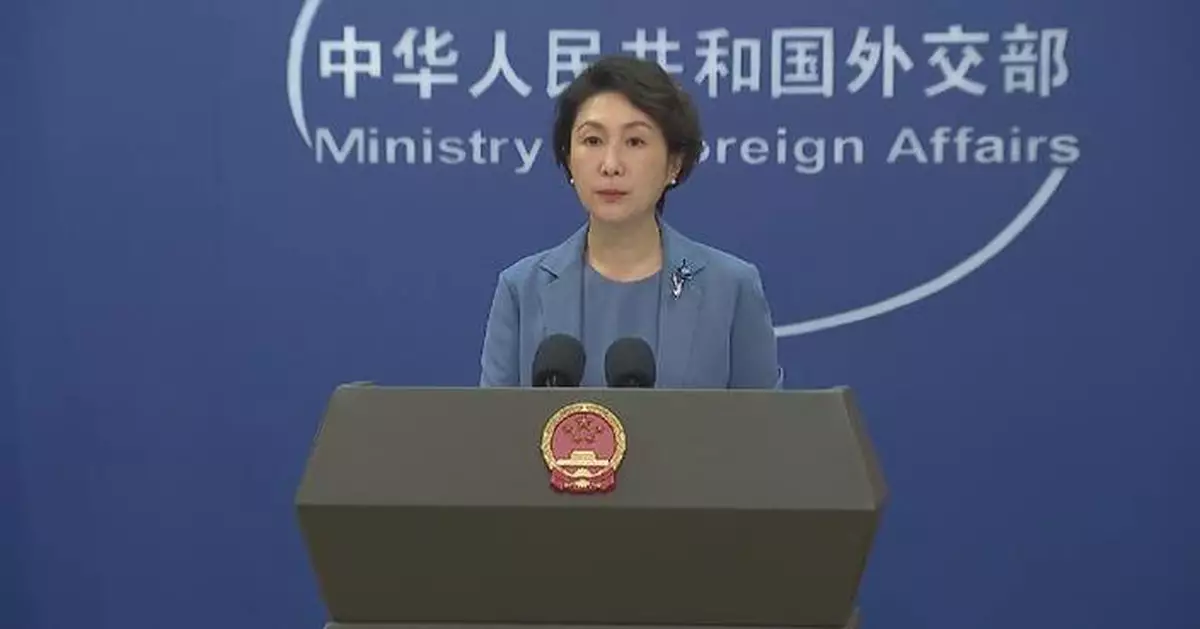
Responding to a media query on whether the disaster -- triggered along the lower reaches of the Budhi Gandaki River, part of a major trekking route -- has affected any Chinese nationals, ministry spokeswoman Mao Ning said no casualties among Chinese citizens have been reported so far.
"We express our condolences to the Nepalese side and are willing to provide assistance within our capacity according to Nepal's needs," Mao told a regular press briefing.
Five people have been reported missing after a flash flood in the Budhi Gandaki River swept away 65 houses in Gorkha and Dhading districts of central Nepal on Sunday morning.
The flood was triggered by a landslide at Chumanubri Rural Municipality in Gorkha district, which temporarily blocked the Budhi Gandaki River. The river later broke through the landslide blockage, causing a sudden flow of water, mud and debris that damaged settlements along its banks, the Nepal Army said in a statement.
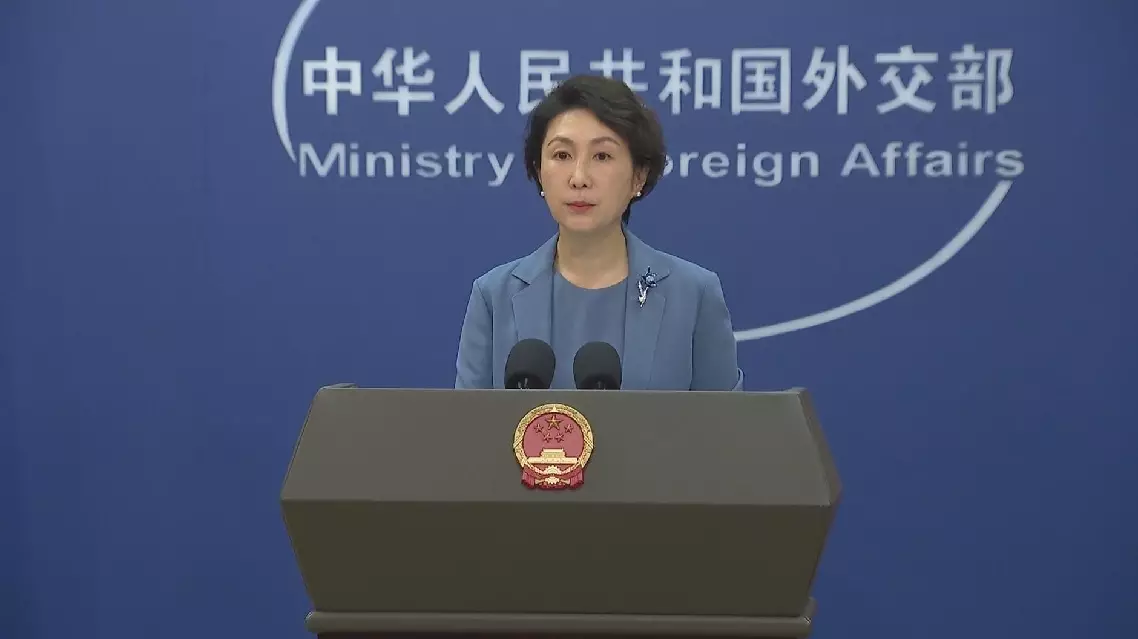
China ready to assist Nepal following flash flood: spokeswoman
China has significant advantages in hosting the secretariat of the UN-backed treaty on marine conservation and biodiversity, said President of the Council of Ministers of Togo Faure Essozimna Gnassingbe during a visit to the coastal city of Xiamen, east China's Fujian Province.
The Agreement on Marine Biological Diversity of Areas beyond National Jurisdiction, also known as the High Seas Treaty, officially entered into force in January 2026. With the secretariat's location still undecided, China has applied to host the body in Xiamen.
During his visit to China from October 9 to 16, Gnassingbe toured a marine research institute in the city and praised the city's capacity to serve as host. Marking his seventh official visit to China and second trip to Xiamen, Gnassingbe described the city's rapid development as impressive and remarkable.
"I was here 31 years ago. Admittedly, when this city was first proposed in the schedule, my initial reaction, given that China has so many cities, was to wonder if I could go somewhere else. However, upon arriving in your city just now, I let myself be persuaded, and did not recognize the place I had known three decades ago at all. The development has been extraordinary; new buildings have sprung up, and the infrastructure has been greatly expanded," Gnassingbe said.
Speaking about the landmark UN treaty on protecting marine biodiversity in international waters, Gnassingbe recognized China's rich maritime tradition and research and development capacity, calling Xiamen well-positioned for the international organ.
He also expressed high expectations that the secretariat would help African countries strengthen their marine research capabilities and improve access to ocean data.
"I believe your country possesses tremendous assets. First, you have a widely recognized maritime tradition. You have modern infrastructure -- we saw the building that could serve as the secretariat's headquarters in an earlier video, so the infrastructure conditions are optimal. You also have experience; China honors its international commitments. Furthermore, you possess significant research capabilities. Your development is linked to port activities and technology. Regarding the protection of the marine environment, an area where you have strong credentials, this city is exceptionally well-positioned and equipped to host this institution," he said.
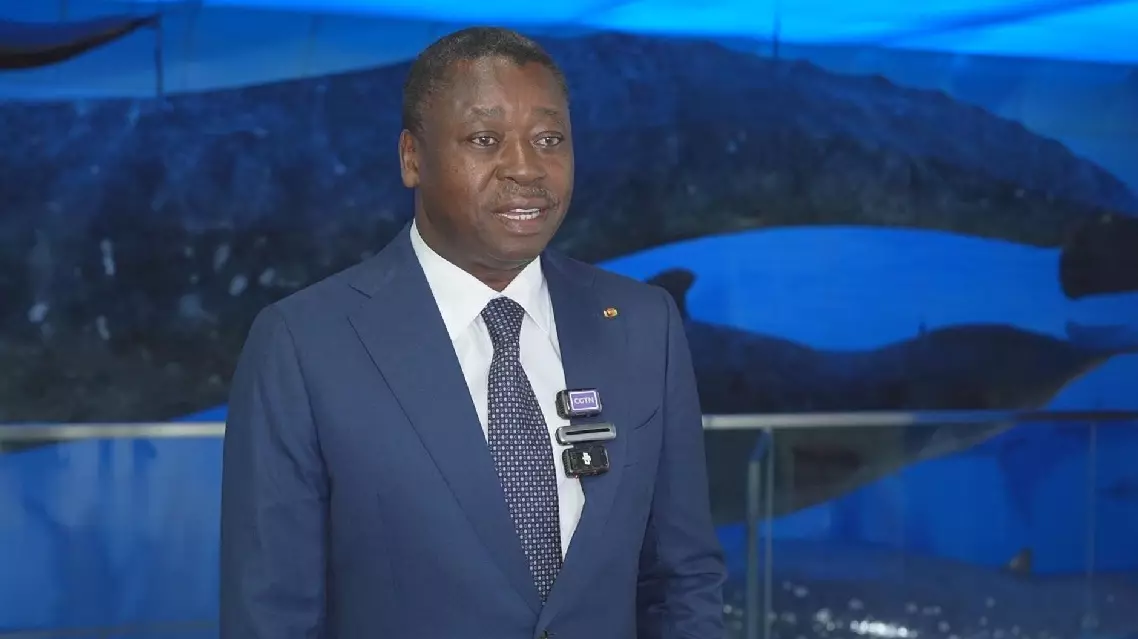
Togo's president of Council of Ministers backs China in hosting High Seas Treaty secretariat in Xiamen