A rural district in eastern Shaanxi Province, northwest China, is enjoying a bumper kiwifruit harvest from 97,000 mu (about 6,467 hectares) of orchards, bringing higher incomes and tangible benefits to local residents.
Linwei District in Weinan City is home to more than 30 kiwifruit varieties. Growing kiwifruit has become an important source of income for local farmers.
At an orchard in Minjia Village, local growers have been busier than ever during the harvest season as production and sales have increased in recent years.
Working amid the morning dew, they pick, collect, package and ship the fruit.
"This year, we are having a bumper harvest. The rainfall is plentiful and the weather is favorable for the fruit. The yield per mu is roughly over 7,000 jin," said Min Guangzu, a local farmer.
"This year the fruit quality is good. For high-quality kiwi fruit, the first-grade ones sell for around three yuan," said kiwifruit purchaser Liu Lei.
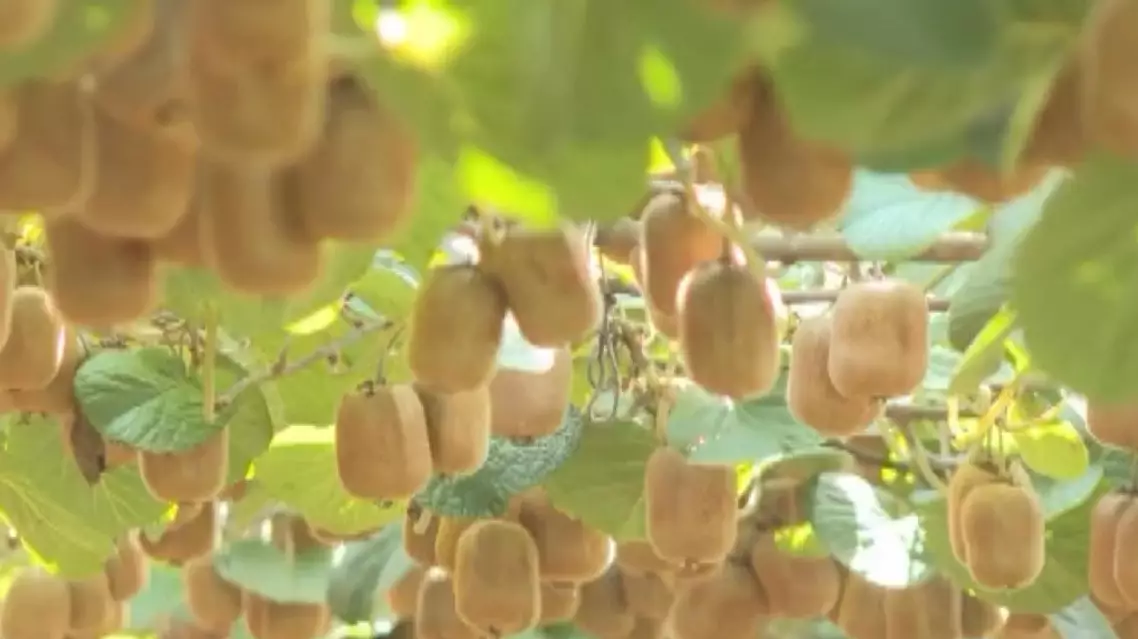
Bumper harvest of kiwifruits adds incomes for farmers in Shaanxi
Cuba issued Decree-Law 135 on oil and gas on Monday to attract investment in exploration and production amid a worsening energy crisis.
The Ministry of Energy and Mines held a press conference on the new decree, stating that the measure aims to better meet the country's demand for fuels and derivatives and support the restoration of the national power system.
While stressing the country's energy sovereignty and jurisdiction over its energy resources, the new legislation promotes investment in the energy sector by domestic and foreign enterprises through more diverse cooperation models, according to Pedro Abigantus, director of the ministry's directorate of investments and oil and gas Businesses.
"Previously, foreign participation was limited to production-sharing contracts. Now, we are including other models, such as oil concessions, since there are investors who prefer that approach. We therefore view these as incentives -- measures that help attract more investment. Opportunities are also open to domestic investors," he said. The decree is part of Cuba's economic reform to cope with pressure from the prolonged U.S. embargo, which features comprehensive economic, financial and trade restrictions and has been intensified this year by a de facto fuel and oil blockade targeting shipments to the country.
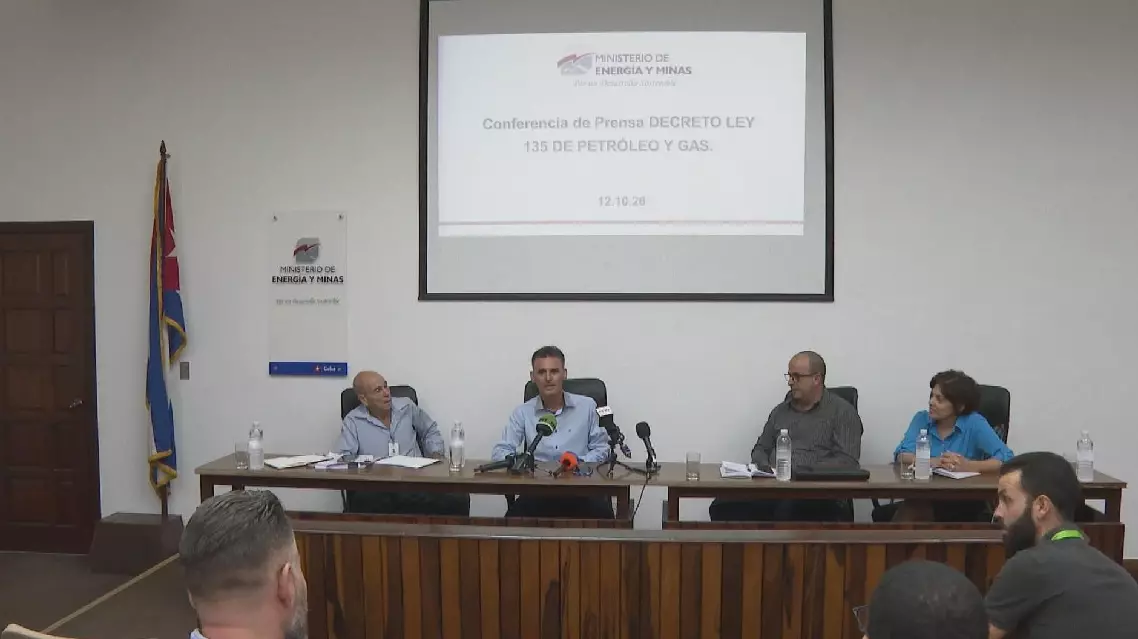
Cuba issues new oil, gas decree to increase output amid energy crisis