Skip to Content Facebook Feature Image

Escalating tensions between Yemen's Houthis, Saudi Arabia only serves Israel's interests: Iran's FM spokesman

HotTV

Escalating tensions between Yemen's Houthis, Saudi Arabia only serves Israel's interests: Iran's FM spokesman
HotTV

HotTV

Escalating tensions between Yemen's Houthis, Saudi Arabia only serves Israel's interests: Iran's FM spokesman

2026-10-13 13:20 Last Updated At:14:59

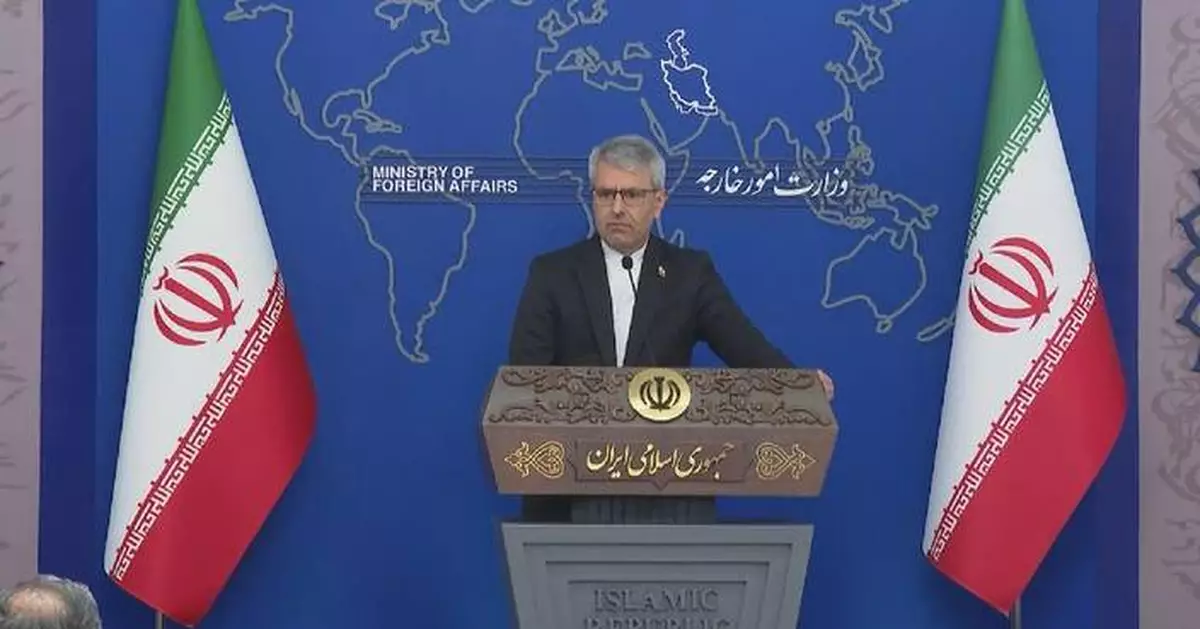
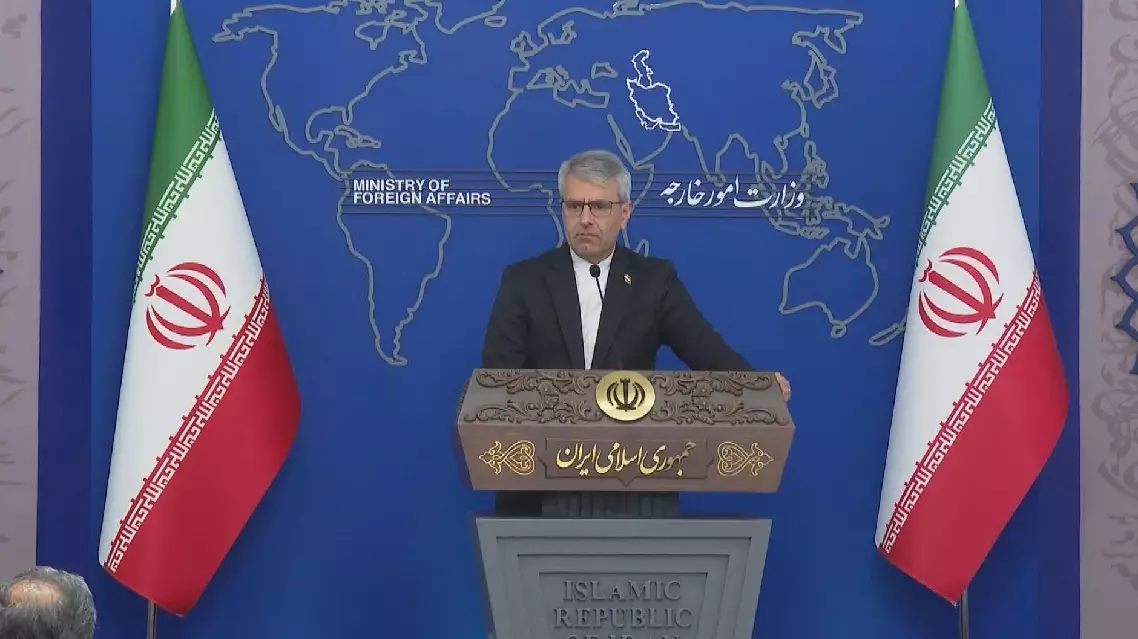
The escalating tensions between Yemen's Houthis group and Saudi Arabia will only serve the interests of Israel, Iran's Foreign Ministry spokesman Esmaeil Baghaei said Monday at a press conference in Tehran.

Iran does not want to see further fighting between Saudi Arabia and the Houthis, and is ready to do everything possible to facilitate dialogue among all the parties, Baghaei said

"Iran's position is clear: the Yemen issue should have been resolved through an agreement between Yemen (the Houthis) and Saudi Arabia. As everyone knows, the two sides had reached an agreement on a (peace) roadmap, and Iran has also emphasized its support for both sides in implementing all the agreements reached. However, these agreements have not been implemented. Iran has repeatedly said that it is willing to make every effort to facilitate dialogue between the two sides. Iran also believes that the continued escalation of tensions will only serve Israel's interests in the region," he said.

On the situation between Iran and the United States, Baghaei said a recent series of U.S. sanctions against Iran have deprived the Iranian people of a range of rights, including access to civil aviation facilities and medical and educational services, and that the Iranian people are bearing the consequences of U.S. hostile actions.

Baghaei noted that Iran had previously put forward a seven-day plan aimed at reopening the Strait of Hormuz, and demanded that the United States meet Iran's requirements, including lifting the maritime blockade, halting wars on all regional fronts and returning Iran's frozen assets.

He said that Iran and the United States are still exchanging information through mediators, and that Tehran is reviewing the views fed back by the U.S. side, and will communicate its position to the mediators as soon as possible after the review.
Escalating tensions between Yemen's Houthis, Saudi Arabia only serves Israel's interests: Iran's FM spokesman

Escalating tensions between Yemen's Houthis, Saudi Arabia only serves Israel's interests: Iran's FM spokesman

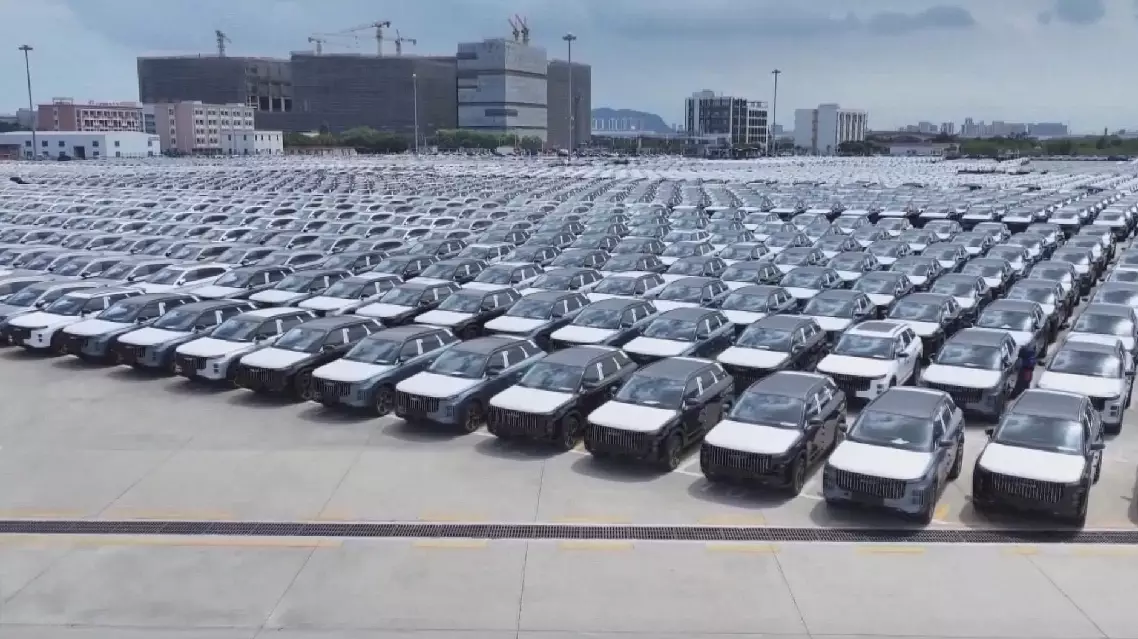
China will cut the value-added tax (VAT) export rebate rate for new energy vehicles (NEVs) to 9 percent from 13 percent and scrap rebates for e-cigarette devices from April 1, 2027, the Ministry of Finance and the State Taxation Administration said on Monday.

Export consumption tax policies for products subject to the tax will remain unchanged, with existing refund and exemption arrangements continuing to apply, the statement said.

The change continues China's optimization of export tax rebate policies. The country scrapped VAT export rebates for photovoltaic products from April 1, 2026, and cut the rebate rate for battery products to 6 percent from 9 percent on the same date, with battery rebates to be eliminated from Jan. 1, 2027.

The move comes as China's NEV sector continues to expand rapidly, with automakers increasingly looking to overseas markets for growth. China is the world's largest market for NEVs, a category covering battery-electric and plug-in hybrid vehicles.

China exported 1.05 million vehicles in September, up 61.4 percent year on year, including 571,000 NEVs, more than double the number a year earlier. NEVs accounted for more than half of total vehicle exports for the fourth consecutive month.

The shift is even more pronounced in the domestic market, where NEVs have become the dominant force, making up a record 62 percent of new car sales in September, according to the China Association of Automobile Manufacturers. More broadly, in the first three quarters of 2026, NEV output and sales each reached around 12.5 million units, up 11 percent year on year, with NEVs accounting for more than half of total new car sales.

China to cut NEV export tax rebate rate to 9 pct from April 2027

China to cut NEV export tax rebate rate to 9 pct from April 2027

Recommended Articles