Families in Yemen are struggling to afford basic food as continued hostilities deepen the country's humanitarian crisis, shrinking household incomes and driving up prices. At a supermarket in Yemen's capital, Sanaa, local resident Mohammed Al-Ahdal moved along the shelves, picking out what his budget allowed and leaving behind the essentials he could not afford. What should be a routine errand has instead become a daily struggle to provide for his family. "My income is limited, so we cannot afford to buy a full sack of wheat flour or sugar. Living conditions are difficult, and we only buy small quantities by the kilogram or half a kilogram, whether it's flour, sugar, tea or oil. We buy only a few basic items, not in bulk," Al-Ahdal said.
The downturn is also squeezing Sanaa's shop owners, who say the war has hollowed out the trade that once kept their businesses running. As prices rise and people struggle to afford basic goods, customers are buying less than they used to, leaving shelves fuller for longer and shop owners with thinner incomes. "Customer turnout is lower than in previous years. Demand is very weak. Before the war, people came to buy and had purchasing power. But now, purchasing power is weak. Income is almost nonexistent, salaries have stopped, and commercial activity is weak," said Mohammed Al-Jawhari, a shop owner in Sanaa.
The hardship is compounded further by import restrictions and higher shipping costs, which are pushing up the cost of food in a country that depends heavily on imports. According to the United Nations World Food Programme (WFP), around 90 percent of Yemen's food is brought in from abroad. "The monetary and financial division, resulting from the accumulated effects of war and blockade, has led to a 54 percent decline in the income of Yemeni households. It has also widened the spread of poverty and unemployment among Yemenis. This has caused immense human suffering across Yemen," said Rashid Al-Haddad, an economic expert.
The crisis now extends beyond household budgets to national food security. More than 18 million people across Yemen face acute food insecurity, and some 2.2 million children under five suffer from acute malnutrition, according to the WFP. In a warning issued earlier this month, the agency said hunger is surging as renewed fighting disrupts markets and restricts humanitarian access.
The figures underscore the scale of need in a country where years of war have severely damaged the economy and basic services.
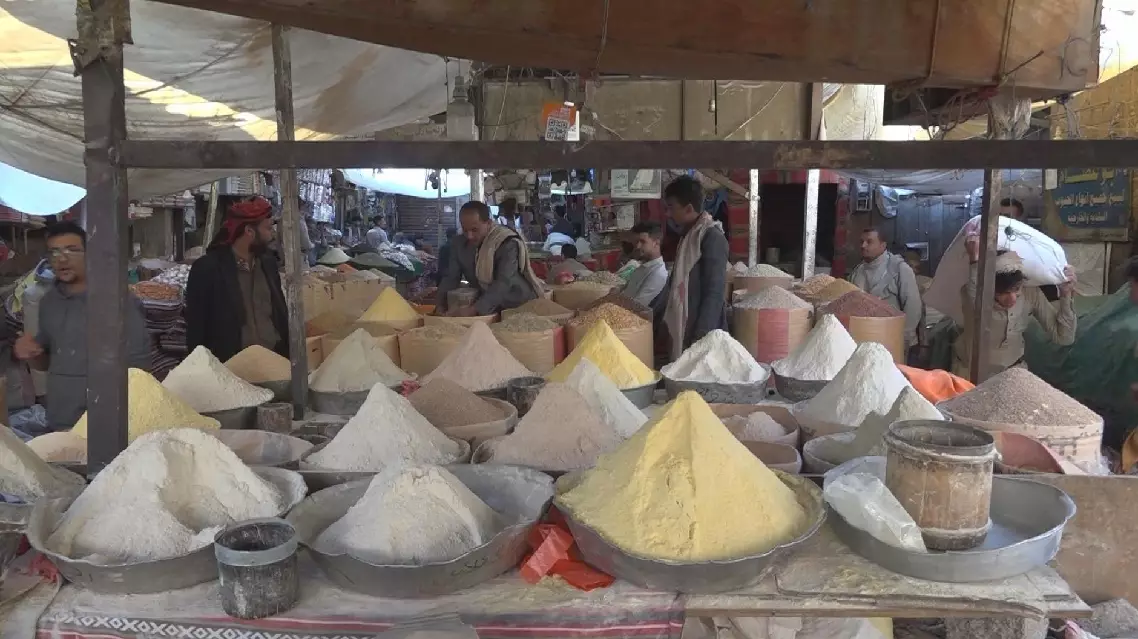
Yemeni families struggle to afford basic goods as conflict deepens economic crisis
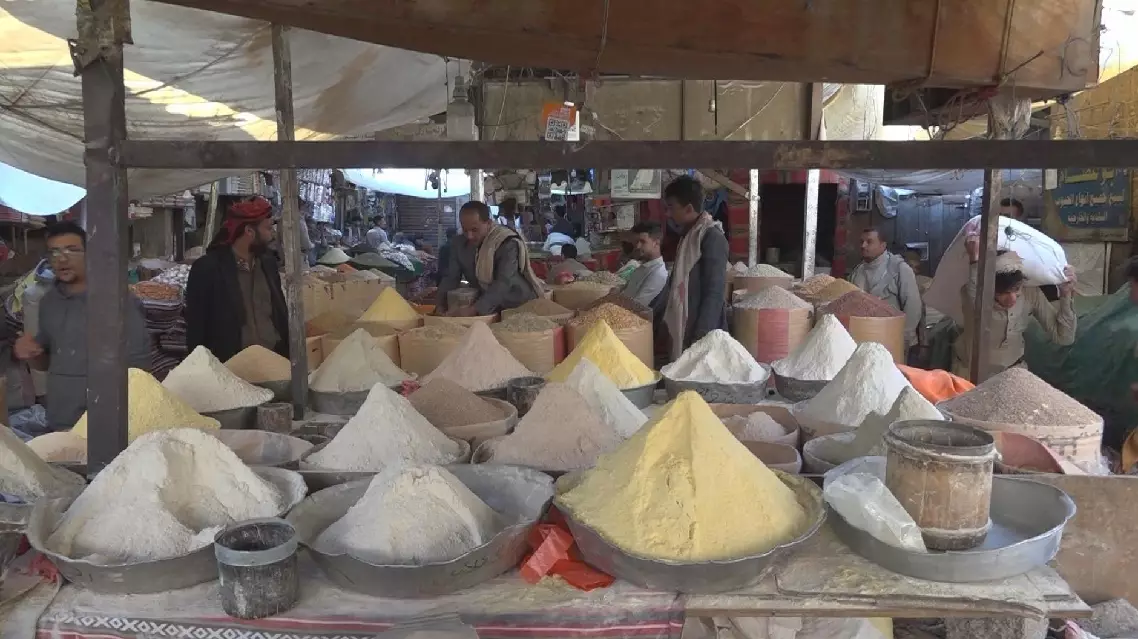
Yemeni families struggle to afford basic goods as conflict deepens economic crisis