Russia and Ukraine traded another round of heavy long-range strikes targeting each other's key infrastructure on Tuesday, amid fierce frontline combat across multiple sectors.
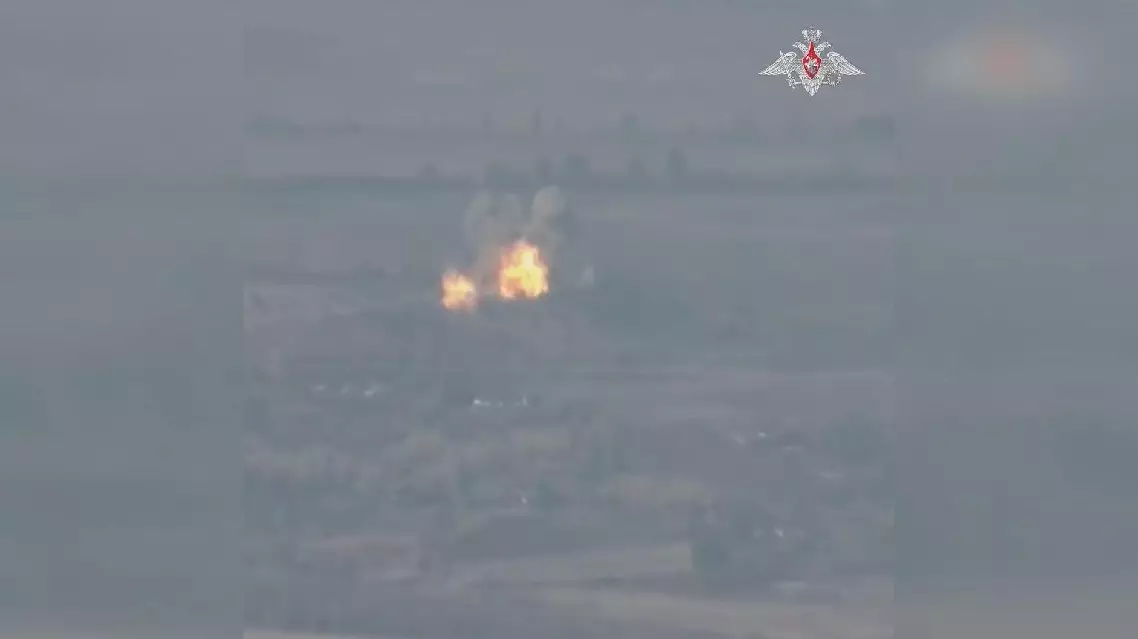
The Russian Defense Ministry said its forces had carried out overnight strikes on Ukrainian military production, logistics, rail and port facilities in Kiev and the southern Mykolaiv region.
In Kiev, the strikes targeted a workshop at the Pulp Mill Print enterprise that the ministry said was used to manufacture missiles and long-range drones, as well as the Darnytsia locomotive depot, which repaired railway rolling stock used to transport military and dual-use supplies for the Ukrainian forces.
On the ground, Russian forces advanced into the central and northwestern parts of Dobropillia in the Donetsk region, continuing clearing operations in blocks already captured and the city's coal mine area, the ministry said.
The troops took control of 286 buildings in a single day, including three production facilities, while further tightening their encirclement of the Kharkiv region and expanding their outer control zones. In Russia, Moscow Mayor Sergey Sobyanin said 417 drones headed toward the capital on Monday night, with most suppressed at long range and 65 destroyed as they approached the city.
Ukrainian President Volodymyr Zelensky said Russia had launched a new wave of air strikes, with 19 regions across the country coming under attack.
The General Staff of the Armed Forces of Ukraine said 203 combat engagements took place along the frontline over the past day.
Ukrainian air force, missile and artillery units struck one Russian personnel concentration area and a drone command post. Russian forces made 49 attacks in the northern Slobozhanske and Kursk directions and another 20 in the southern Slobozhanske direction, while Ukrainian troops repelled 29 assaults in the Pokrovsk direction.
In the same period, Ukraine's military said, its forces destroyed two Russian tanks, seven armored vehicles, 51 artillery systems, two multiple launch rocket systems, one air defense system, 15 ground robotic systems, 1,889 drones, 362 motor vehicles and five units of special equipment.
Russia, Ukraine exchange heavy strikes as clashes intensify along frontline
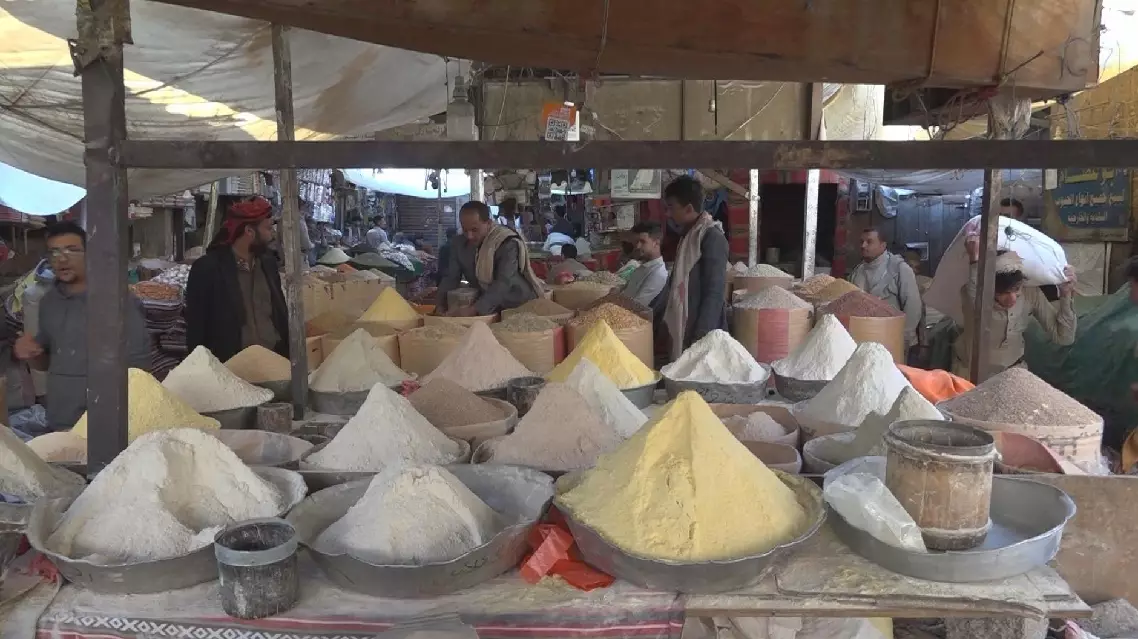
Families in Yemen are struggling to afford basic food as continued hostilities deepen the country's humanitarian crisis, shrinking household incomes and driving up prices. At a supermarket in Yemen's capital, Sanaa, local resident Mohammed Al-Ahdal moved along the shelves, picking out what his budget allowed and leaving behind the essentials he could not afford. What should be a routine errand has instead become a daily struggle to provide for his family. "My income is limited, so we cannot afford to buy a full sack of wheat flour or sugar. Living conditions are difficult, and we only buy small quantities by the kilogram or half a kilogram, whether it's flour, sugar, tea or oil. We buy only a few basic items, not in bulk," Al-Ahdal said.
The downturn is also squeezing Sanaa's shop owners, who say the war has hollowed out the trade that once kept their businesses running. As prices rise and people struggle to afford basic goods, customers are buying less than they used to, leaving shelves fuller for longer and shop owners with thinner incomes. "Customer turnout is lower than in previous years. Demand is very weak. Before the war, people came to buy and had purchasing power. But now, purchasing power is weak. Income is almost nonexistent, salaries have stopped, and commercial activity is weak," said Mohammed Al-Jawhari, a shop owner in Sanaa.
The hardship is compounded further by import restrictions and higher shipping costs, which are pushing up the cost of food in a country that depends heavily on imports. According to the United Nations World Food Programme (WFP), around 90 percent of Yemen's food is brought in from abroad. "The monetary and financial division, resulting from the accumulated effects of war and blockade, has led to a 54 percent decline in the income of Yemeni households. It has also widened the spread of poverty and unemployment among Yemenis. This has caused immense human suffering across Yemen," said Rashid Al-Haddad, an economic expert.
The crisis now extends beyond household budgets to national food security. More than 18 million people across Yemen face acute food insecurity, and some 2.2 million children under five suffer from acute malnutrition, according to the WFP. In a warning issued earlier this month, the agency said hunger is surging as renewed fighting disrupts markets and restricts humanitarian access.
The figures underscore the scale of need in a country where years of war have severely damaged the economy and basic services.
Yemeni families struggle to afford basic goods as conflict deepens economic crisis