The impact of a prolonged drought in Kenya is deepening a shortage of fresh milk, a staple in local diets, as pasture degradation and feed price hikes are forcing dairy farmers to cut output, pushing the resulting supply squeeze all the way to retail shelves.
As Friday marks World Food Day, an annual event which commemorates the founding of the United Nations Food and Agriculture Organization in 1945, the issue of food security in Africa is seen as a pressing concern as climate change poses a growing risk.
This threat is clear to see in Kenya, which has been on the back foot ever since last year's expected rainy season in fact saw the driest spell for decades.
Now, drought-driven fresh milk shortages have become an increasing challenge for the country's dairy farmers who have been forced to make tough decisions in a bid to survive the current drought, and local consumers are starting to pay the price.
Data from the Kenya Dairy Board shows that in July, processors purchased more than 81 million liters of raw milk through formal channels, down 5.8 percent year on year. Agriculture ministry officials say the loss of farmable land from the drought and the soaring cost of cattle feed are the main reasons behind the decline.
At a farm near the capital Nairobi, the problem is highly visible. The fresh milk produced here is one of the sources feeding the city's dairy supply chain. But hit by drought, the farm's milk output has fallen sharply from its former levels.
"The drought has really affected us. So last year, feed costs were about 55 percent, but since the beginning of this year, we've seen a huge rise from 55 [percent], now we are at 70 percent, which is a very big margin for a farmer. Because when this happens now, it forces you now to either reduce the quantities that you give your cows, and when you reduce the quantities, now you affect the milk production and the body condition of the cows," said Norah Makena, the farm's technical supervisor.
To keep their businesses running, farm managers such as Victor Kipruto have been left with little option but to raise the farmgate price of fresh milk, pushing the supply pressure downstream to dairy processors.
"It's actually the most difficult year, I can say so. You will find that there is a decline of milk production by 3.7 percent. This means that our margins are reduced, and even as our margins reduce, it means that we'll have to push these margins that has reduced to the consumers. The cost of living will also increase for individuals and it will affect the entire economy," Kipruto said.
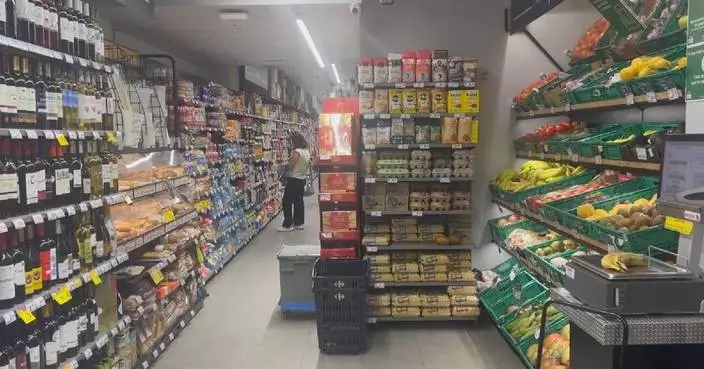
In the city of Nairobi itself, the milk shortage is now directly hitting retailers. Shelves in the fresh milk aisles of many supermarkets are often left empty, with stores struggling to restock them with any deal of consistency.
As a staple of local diets and a key ingredient of Kenya's tea culture, the fluctuating availability of milk and the current price swings are beginning to directly affect people's daily shopping habits and spending.
"The milk normally comes in the morning hours, and the [highest] rate of customers come in the morning hours. After morning hours, the milk is finished, around 09:00 to 10:00-11:00. And the demand is very high, especially the fresh [milk] from that side," said a supermarket manager.
After months of difficulties, a ray of hope has been offered by the Kenyan meteorological department's weather forecasts, which this year predicts above-normal rainfall during the October to December period across about 80 percent of the country.
While this much-needed precipitation should help restore pastures and feed supplies, insiders warn there will be a lag before this recovery translates into higher milk output and a return to well-stocked supermarket shelves.
To bridge that gap, the Kenyan government is strengthening market monitoring and improving the use of cold chain logistics to reduce fresh milk losses, while also promoting camel, goat and buffalo milk to wean the industry off its reliance on dairy cattle.
Earlier this month, China provided Kenya with a 2 million U.S. dollar grant, half of which aims to support the drought response efforts, with the other half strengthening the country's preparedness to handle the threats posed by the Ebola virus.
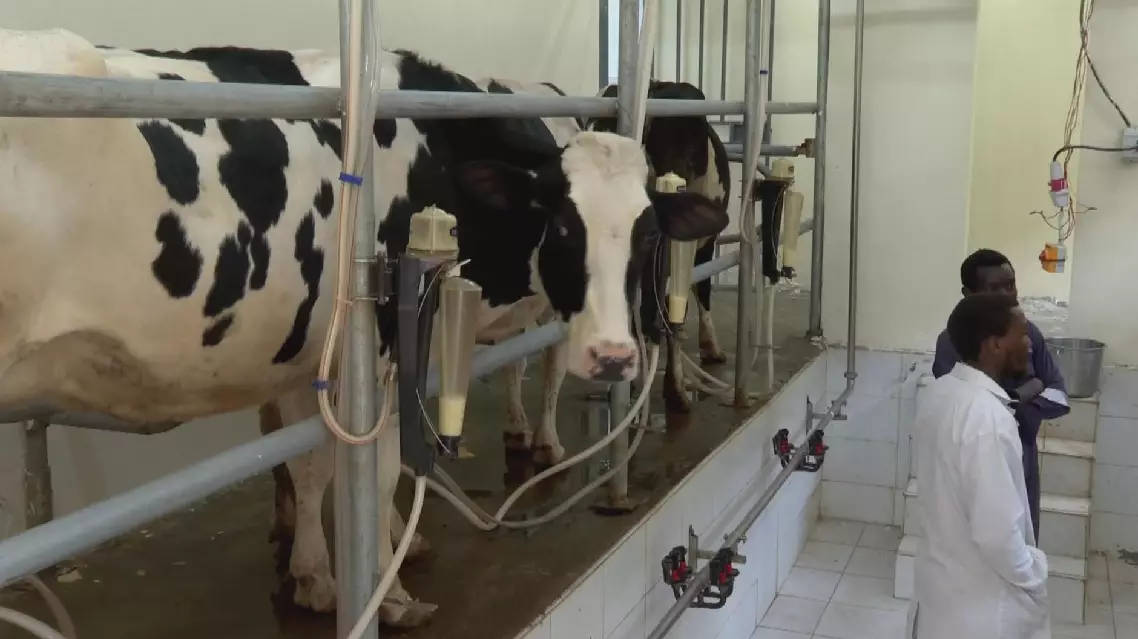
Dairy farmers despair as drought in Kenya deepens fresh milk shortages