BRISTOL, United Kingdom--(BUSINESS WIRE)--Oct 16, 2026--
Vertical Aerospace (“Vertical” or the “Company”) (NYSE: EVTL), a global aerospace and technology company pioneering electric aviation, today announced long-term supplier agreements with ANH Structure Co., Ltd. (“ANH”), a specialist in advanced aircraft seating systems, and Northrop Grumman LITEF GmbH (“NG LITEF”), one of the leading companies in the development and manufacturing of navigation and sensor systems, to supply key systems on its Valo electric vertical take-off and landing (eVTOL) aircraft.
This press release features multimedia. View the full release here: https://www.businesswire.com/news/home/20261016343644/en/
Under the agreements, ANH Structure will design, develop, certify and manufacture Valo’s bespoke pilot and passenger seating system, while NG LITEF will supply its LCR-110 as the aircraft’s inertial reference system, providing essential position, attitude and heading data to flight-critical systems.
The agreements further strengthen Vertical's established supplier network, which includes Honeywell Aerospace, Sonaca, Evolito, Hyundai WIA, Synesqo, Isoclima and Astronics.
The agreements support the development of the electric Valo aircraft. Vertical’s “one platform” strategy encompasses four- and six-passenger cabin configurations, alongside electric, hybrid-electric and autonomous variants for the commercial and defence markets. A versatile platform with common systems is intended to support an efficient path through certification, manufacturing, and in-service support.
Stuart Simpson, CEO of Vertical Aerospace, said:
“Valo is progressing from an advanced design into an aircraft supported by the people, systems and industrial capability needed for certification and production at scale. ANH Structure and NG LITEF each bring specialist expertise and strong certification credentials. Their selection adds further strength to the world-class supplier ecosystem behind Valo and supports our strategy to deliver one versatile platform across multiple cabin configurations and missions.”
Safety focused seating for the Valo cabin
South Korea-based ANH Structure will design, certify and manufacture a common seating platform for Valo’s pilot, observer and passenger seats. Its lightweight, bespoke design will incorporate ANH’s proprietary 30G energy-absorption technology to support Vertical’s safety, comfort, weight and cabin requirements.
With European Union Aviation Safety Agency (EASA) Design Organisation Approval and Production Organisation Approval, as well as integrated engineering, testing and manufacturing capabilities, ANH will support the programme from detailed design through certification, industrialisation and serial production.
Hyonsu Ahn, CEO of ANH Structure, said:
“We are proud to work alongside Vertical on developing a seating system for Valo’s cabin configurations which aligns with their vision for passenger safety and high-end customer experience. We look forward to leveraging our lightweight, safety-led seat architecture and certification capabilities to support the Vertical team through design, certification and production.”
Flight critical inertial reference technology
NG LITEF, a German company within the global Northrop Grumman Corporation with 65 years' experience in inertial navigation, positioning and reference systems, will supply its LCR-110 inertial reference system for Valo. The LCR-110 is approved to applicable EASA and U.S. Federal Aviation Administration (FAA) technical standards for inertial reference equipment.
Daniel Martens, Director of Commercial Aviation Business Unit at NG LITEF, said:
“NG LITEF brings more than 60 years of experience developing high-integrity inertial systems for some of the world’s most demanding aerospace platforms. We look forward to bringing that expertise to the Valo aircraft and supporting Vertical through integration, certification and entry into service.”
About Vertical Aerospace
Vertical Aerospace is a global aerospace and technology company pioneering electric aviation. Vertical is creating a safer, cleaner, and quieter way to travel. Valo is a piloted, four-passenger, Electric Vertical Take-Off and Landing (eVTOL) aircraft, with zero operating emissions. Vertical is also developing a hybrid-electric variant, offering increased range and mission flexibility to meet the evolving needs of the advanced air mobility market.
Vertical combines partnerships with leading aerospace companies, including Honeywell, Syensqo and Sonaca, with its own proprietary battery and propeller technology to develop the world's most advanced and safest eVTOL.
Vertical has c.1,500 pre-orders of Valo, with customers across four continents, including American Airlines, Avolon, Bristow, GOL and Japan Airlines. Certain customer obligations are expected to be fulfilled via third-party agreements. Headquartered in Bristol, UK, Vertical's experienced leadership team comes from top-tier aerospace and automotive companies such as Rolls-Royce, Airbus, GM, and Leonardo. Together, they have previously certified and supported over 30 different civil and military aircraft and propulsion systems.
About ANH Structure
ANH Structure Co.,Ltd. is a South Korea-based aerospace company specializing in advanced aircraft seating systems, cabin solutions, and integrated engineering and manufacturing services. Holding both European Union Aviation Safety Agency (EASA) Design Organisation Approval (DOA) and Production Organisation Approval (POA), ANH provides end-to-end capabilities covering design, development, testing, certification and manufacturing.
With expertise in lightweight, safety-focused seating systems, cabin interiors, and aircraft cabin modifications and retrofits, ANH delivers innovative and customized solutions for commercial aviation, advanced air mobility (AAM), and defence applications.
Headquartered in Jinju, South Korea, ANH is committed to enhancing passenger safety, comfort, and cabin experience while supporting global aircraft manufacturers and operators through engineering excellence, certification expertise and reliable manufacturing.
About NG LITEF
Northrop Grumman LITEF GmbH (NG LITEF) is one of the leading companies in the development and manufacturing of navigation and sensor systems. The company's expertise is based on German technology for mechanical, fiber optic and micromechanical inertial sensors. This enables ITAR-free distribution of NG LITEF products around the globe.
Founded in 1961 and headquartered in Freiburg im Breisgau (Germany), the product range includes sensors, inertial measurement units, attitude and heading reference systems, inertial navigation systems and inertial reference systems. In close dialogue with the customer, specific product solutions are developed for measurement and navigation tasks with maximum precision and reliability requirements. NG LITEF products are in use worldwide with applications ranging from civil and military aviation, land and marine applications to industrial solutions.
Additional information is available on the internet at www.litef.com.
Forward-Looking Statements
This press release contains forward-looking statements within the meaning of the U.S. Private Securities Litigation Reform Act of 1995 that relate to our current expectations and views of future events. We intend such forward-looking statements to be covered by the safe harbor provisions for forward-looking statements as contained in Section 27A of the Securities Act and Section 21E of the Exchange Act. Any express or implied statements contained in this press release that are not statements of historical fact may be deemed to be forward-looking statements, including, without limitation, statements regarding a long-term agreement with ANH Structure and LITEG to supply the low-voltage power distribution system for Valo, the design and manufacture of our aircraft and the hybrid-electric variant, certification and the commercialization of our aircraft and our ability to achieve regulatory certification of our aircraft product on any particular timeline or at all, the features and capabilities of the aircraft, business strategy and plans and objectives of management for future operations, including the building and testing of our prototype aircrafts on timelines projected, selection of suppliers, as well as statements that include the words “expect,” “intend,” “plan,” “believe,” “project,” “forecast,” “estimate,” “may,” “should,” “anticipate,” “will,” “aim,” “potential,” “continue,” “are likely to” and similar statements of a future or forward-looking nature. Forward-looking statements are neither promises nor guarantees, but involve known and unknown risks and uncertainties that could cause actual results to differ materially from those projected, including, without limitation the important factors discussed under the caption “Risk Factors” in our Annual Report on Form 20-F filed with the U.S. Securities and Exchange Commission (“SEC”) on March 24, 2026, as such factors may be updated from time to time in our other filings with the SEC. Any forward-looking statements contained in this press release speak only as of the date hereof and accordingly undue reliance should not be placed on such statements. We disclaim any obligation or undertaking to update or revise any forward-looking statements contained in this press release, whether as a result of new information, future events or otherwise, other than to the extent required by applicable law.
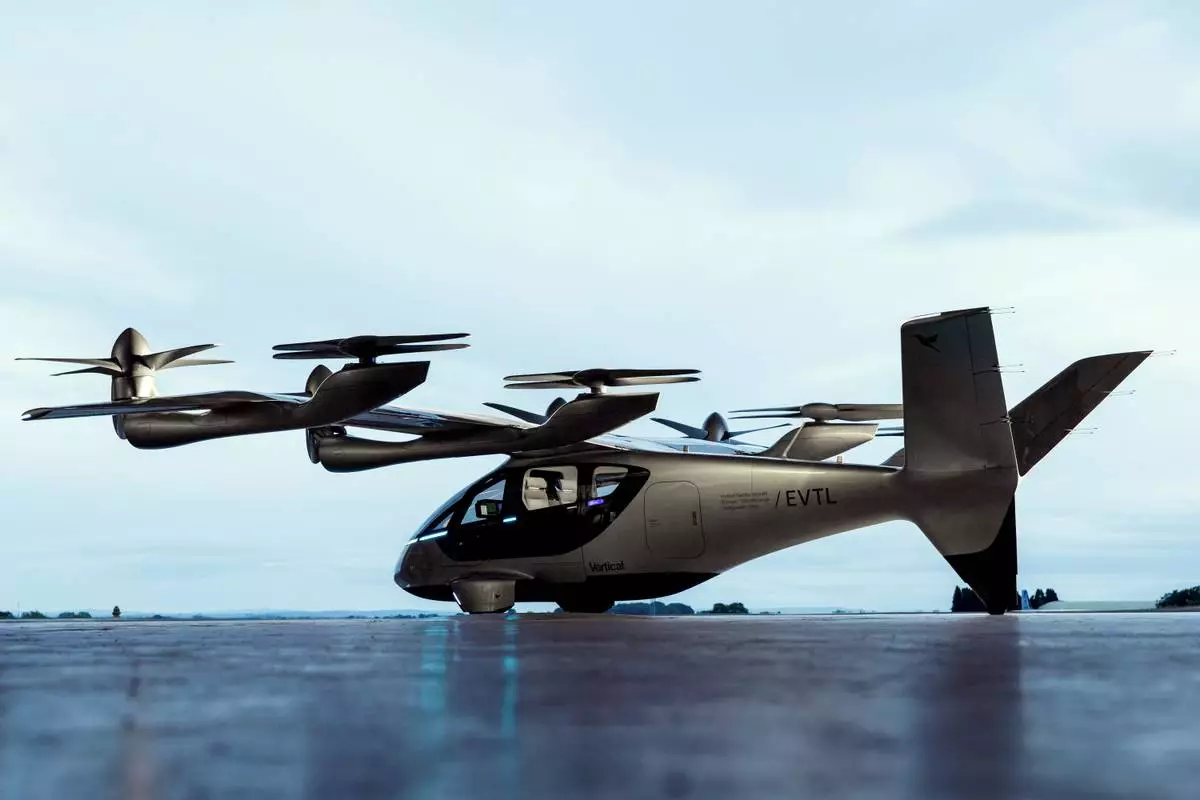
New supplier agreements add specialist seating and navigation capabilities as Valo advances towards certification and commercial production.