Efforts to raise hundreds of billions of dollars to preserve the world's oceans, forests, rivers, lakes and other parts of the natural world have fallen short ahead of a key U.N. summit on biodiversity.
The yawning gap between the stated ambition of nations to protect biodiversity and what money has been raised will be a central topic in Yerevan, Armenia, when the biodiversity conference, known as COP17, gets started on Monday. The nearly two-week event, scheduled to end Oct. 30, is a chance for nearly 200 countries that are part of the treaty to take stock of their progress on 23 global targets after agreeing to a historic deal crafted in Montreal in 2022. The United States is not a party to the treaty.
Click to Gallery
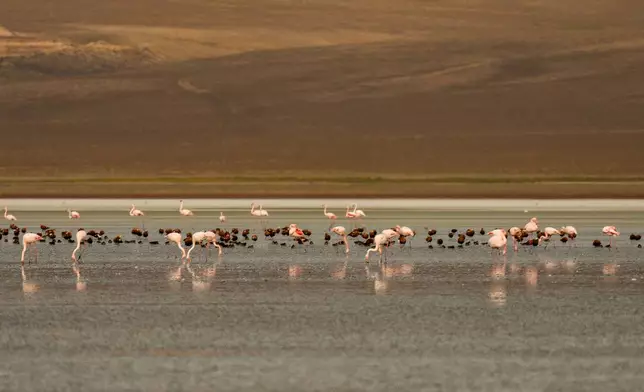
Flamingos feed at Duden Lake near the town of Kulu, in Konya province, Turkey, Tuesday, Oct. 13, 2026. (AP Photo/Emrah Gurel)
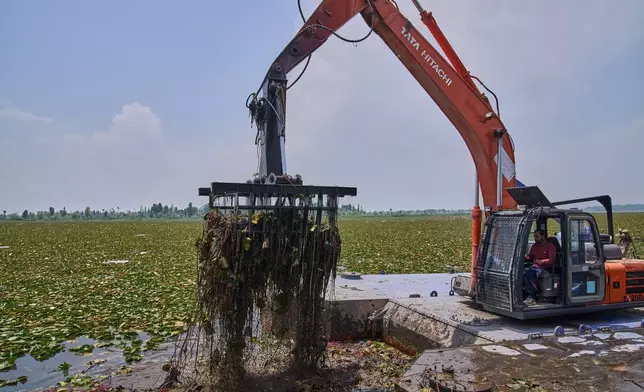
FILE - An employee of the Lake Conservation and Management Authority (LCMA) uses a machine to clear weeds from Dal Lake in Srinagar, Indian controlled Kashmir, May 20, 2026. (AP Photo/Dar Yasin, File)
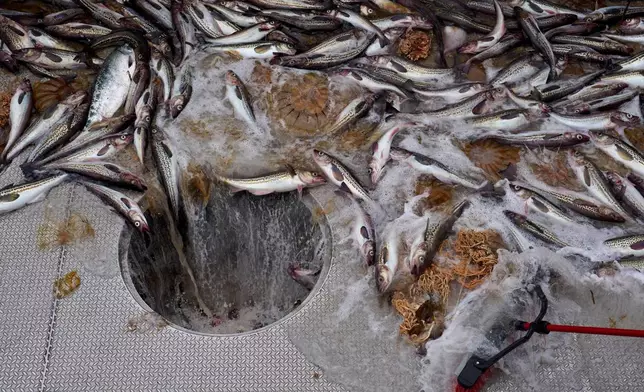
A crew member sweeps pollock and bycatch, including a chum salmon, upper left, jellyfish and basket stars, into a hatch aboard the F/V Progress in the Bering Sea off the coast of Alaska, Wednesday, July 22, 2026. (AP Photo/Annika Hammerschlag)
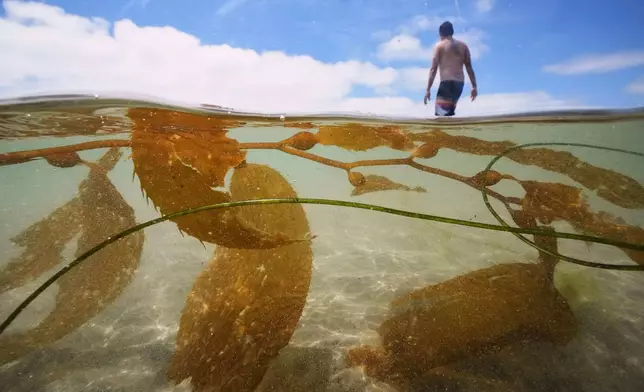
FILE - A man walks past kelp as he goes for a swim in the Pacific Ocean at La Jolla Shores, July 24, 2025, in San Diego. (AP Photo/Gregory Bull, File)
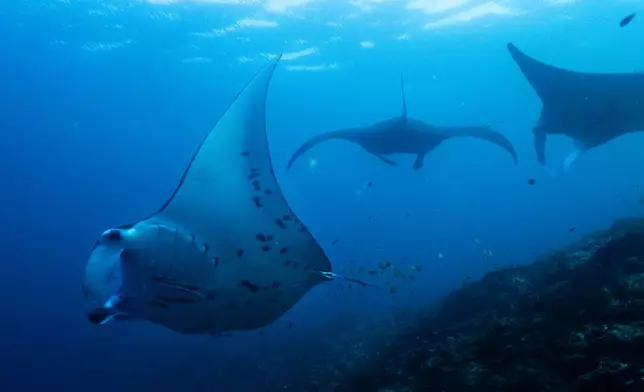
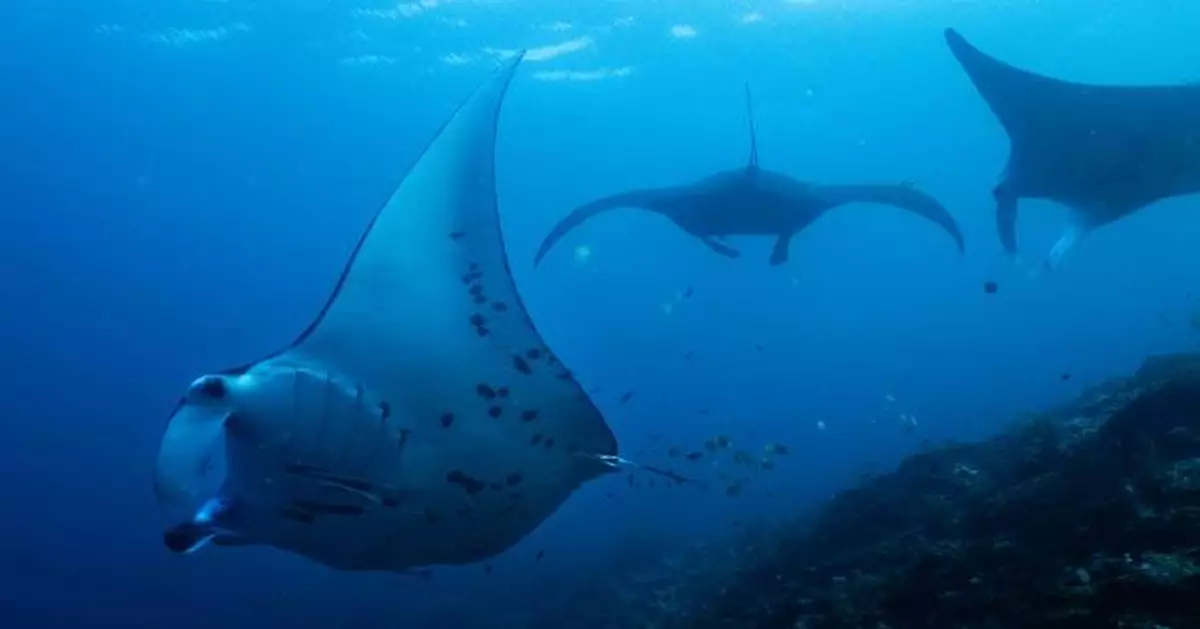
FILE - Oceanic manta rays swim at the Manta Ridge dive site in Raja Ampat, Indonesia, March 7, 2026. (AP Photo/Claudia Rosel, File)
Countries in Montreal committed to protect 30% of land and water considered important for biodiversity by 2030, a goal known as 30x30.
They also promised to raise $200 billion a year by 2030 for biodiversity and begin phasing out or reforming subsidies that could provide another $500 billion for nature. There were also commitments to increase to $20 billion annually by 2025 money that went to poor countries. That number would increase to $30 billion each year by 2030.
“We’re not moving fast enough,” convention executive secretary Astrid Schomaker told The Associated Press, before a U.N. progress report released Thursday found fewer than half of parties' biodiversity targets are on track and that current commitments would only protect 26% of land and only 12% of sea by 2030.
Data from the Organisation for Economic Co-operation and Development showed countries were raising between $75 billion and $92 billion each year from 2023 to 2025 — less than half the 2030 goal. Commitments to reduce $500 billion in harmful subsidies — government support and funding for sectors like fisheries and agriculture — have gained little traction, with few countries identifying which subsidies they would cut.
Countries were on track to provide the $20 billion to poor countries by 2025. The latest data showed $19 billion had been raised in 2024. But a drop in foreign aid raises questions over whether the upward trend will continue.
“Do we have enough money actually to finance the commitments that countries have made? And how do we get more finance to flow toward biodiversity positive outcomes?” Schomaker said. “That is the crucial question for the COP.”
The campaign to protect biodiversity, which first garnered global attention with the Rio Earth Summit in 1992, has often seemed like a losing battle.
In a bid to grow their economies and support increasing populations, countries have converted forests into farm land, overfished their waters and reduced habitats of many plants and animals through unchecked development. Climate change, at the same time, has created the conditions for widespread wildfires and prolonged droughts that have decimated ecosystems.
As a result, three-quarters of the world's land has been “severely altered” by humans and a million of the world's plants and animals are threatened with extinction, according to a 2019 U.N. report. Wildlife populations have also plummeted, according to the WWF’s 2026 Living Planet Report released this month. They have declined on average by 73% between 1970 and 2022.
“We are losing everything that matters for us as humans on this planet," Schomaker said.
Meanwhile, there are some signs that countries are protecting more biodiversity. Countries have announced over 5,000 initiatives tied to the treaty.
A report from the Campaign for Nature, a global initiative which has spearheaded the 30x30 effort, found that countries in Latin America have already committed to protecting 29% of their land while those in Oceania have promised to preserve 41% of their seas. Last year, the Philippines created a marine protected area where catching rays and sharks is prohibited, according to the Wildlife Conservation Society. In 2023, Cambodia set aside almost 100,00 acres (40,000 hectares) of flooded grassland habitat for protection while Argentina created a national park in 2024.
At the conference on Friday, a 17-nation coalition was launched to accelerate species recovery. It also would support one of the Convention targets, which calls for halting extinction of threatened species and reducing extinction risk. Nine private organizations, including the Bezos Earth Fund, also announced plans to spend $500 million over the next five years to prevent extinctions and recover the world’s most threatened species.
“We have a shared responsibility to ensure that threatened species have a future," said Fabio Alberto Arjona Hincapié, Colombia's minister of environment and sustainable development, whose country is a coalition co-chair.
Brian O’Donnell, director of the Campaign for Nature, said where and what we need to protect is clear, as are the methods to do so.
“What is now needed is an upswing in political ambition and determination,” said O'Donnell.
O’Donnell said an international agreement reached last year to protect marine diversity on the high seas — the High Seas Treaty — would help but more was needed.
Many expected conference attendees are hoping countries, the private sector and philanthropies use the meeting next week to announce major biodiversity funding initiatives.
Susan Lieberman, the vice president for international policy for WCS, said that protecting important biodiversity required money and expertise.
“You can’t just say, OK, there’s a line on the map. You need to do the science," she said. "You need to know if it’s in the right place. If you’re going to establish a park, you better have management of the park, governance, infrastructure."
That is especially true in poorer countries, according to Dorothy Maseke, head of the African Natural Capital Alliance Secretariat, an African-led initiative to integrate nature into financial decision-making. Many developing countries with significant biodiversity are not able to finance protecting and conserving it, as governments are trying to also pay to finance healthcare, education, infrastructure and public services.
Daniel Mukubi, the biodiversity negotiator for Congo, agreed it was “not possible to scale up protected and conserved areas” without sufficient financial help. He lamented that overseas development assistance, including from the United States, has dropped significantly. That has resulted in “weakened law enforcement and eco-guards patrolling critical habitat" including at several of the country's UNESCO World Heritage sites.
“If these valuable ecosystems collapse because international funding fails to secure them, the resulting economic damages will cost the global market tens of trillions of dollars,” Mukubi said. “So, investing in the Congo basin is not an expenditure. It is the most cost-effective insurance policy the West can buy.”
Another topic expected to be big is how to get governments to reduce an estimated $7.3 trillion in subsidies and redirect that money into nature. That is about 30 times more than what was invested in nature-based solutions in 2023, according to the Campaign for Nature.
“Every year, trillions of dollars go into subsidies that harm nature, even as funding to protect it falls far short of what’s needed," Patricia Zurita, Conservation International’s executive director, said in a statement. "We can’t reverse biodiversity loss while continuing to finance the activities that drive deforestation, overfishing, pollution and more.”
Associated Press reporter Sibi Arasu in Bengaluru, India, contributed to this report.
The Associated Press’ climate and environmental coverage receives financial support from multiple private foundations. AP is solely responsible for all content. Find AP’s standards for working with philanthropies, a list of supporters and funded coverage areas at AP.org.
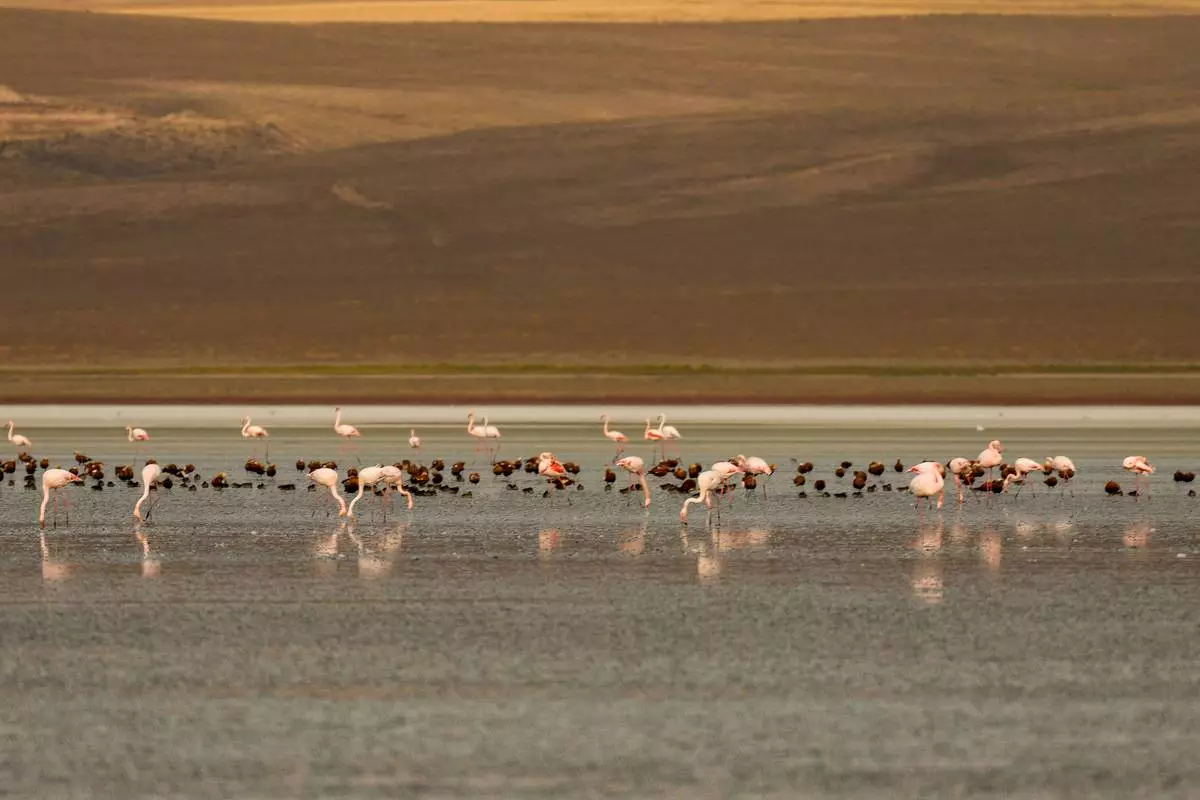
Flamingos feed at Duden Lake near the town of Kulu, in Konya province, Turkey, Tuesday, Oct. 13, 2026. (AP Photo/Emrah Gurel)
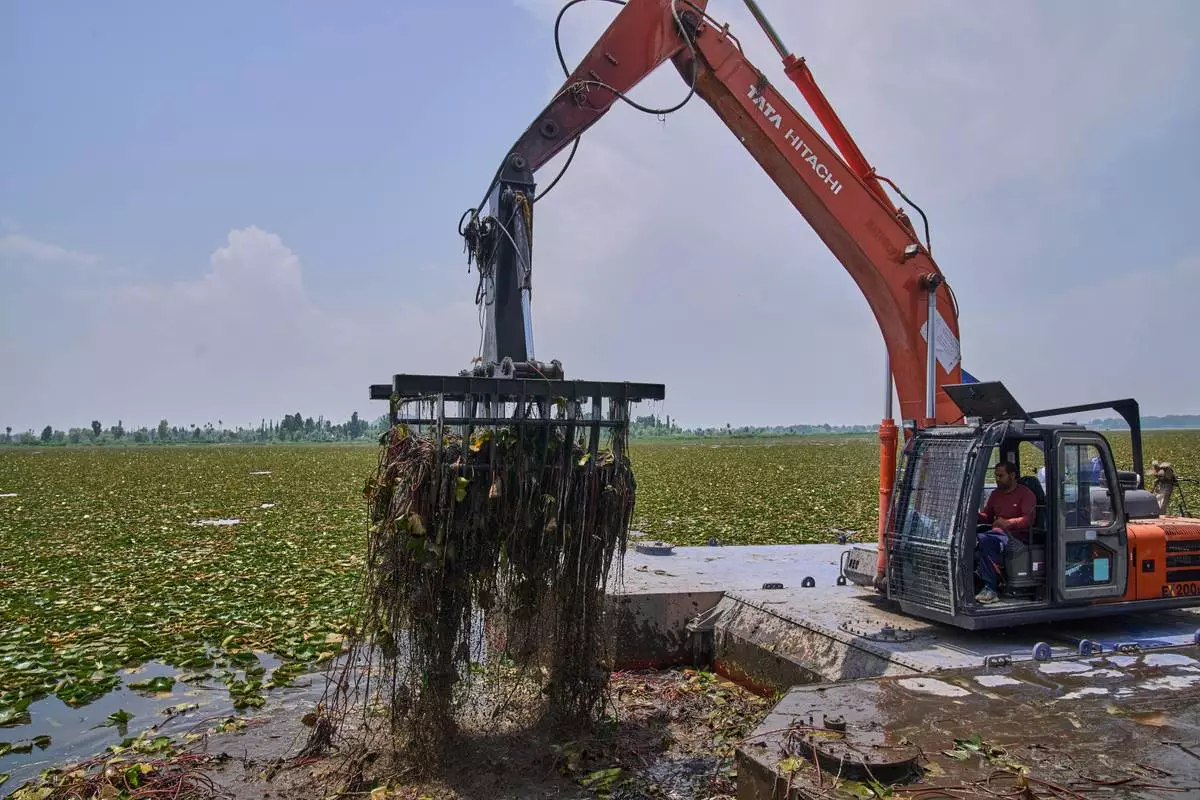
FILE - An employee of the Lake Conservation and Management Authority (LCMA) uses a machine to clear weeds from Dal Lake in Srinagar, Indian controlled Kashmir, May 20, 2026. (AP Photo/Dar Yasin, File)
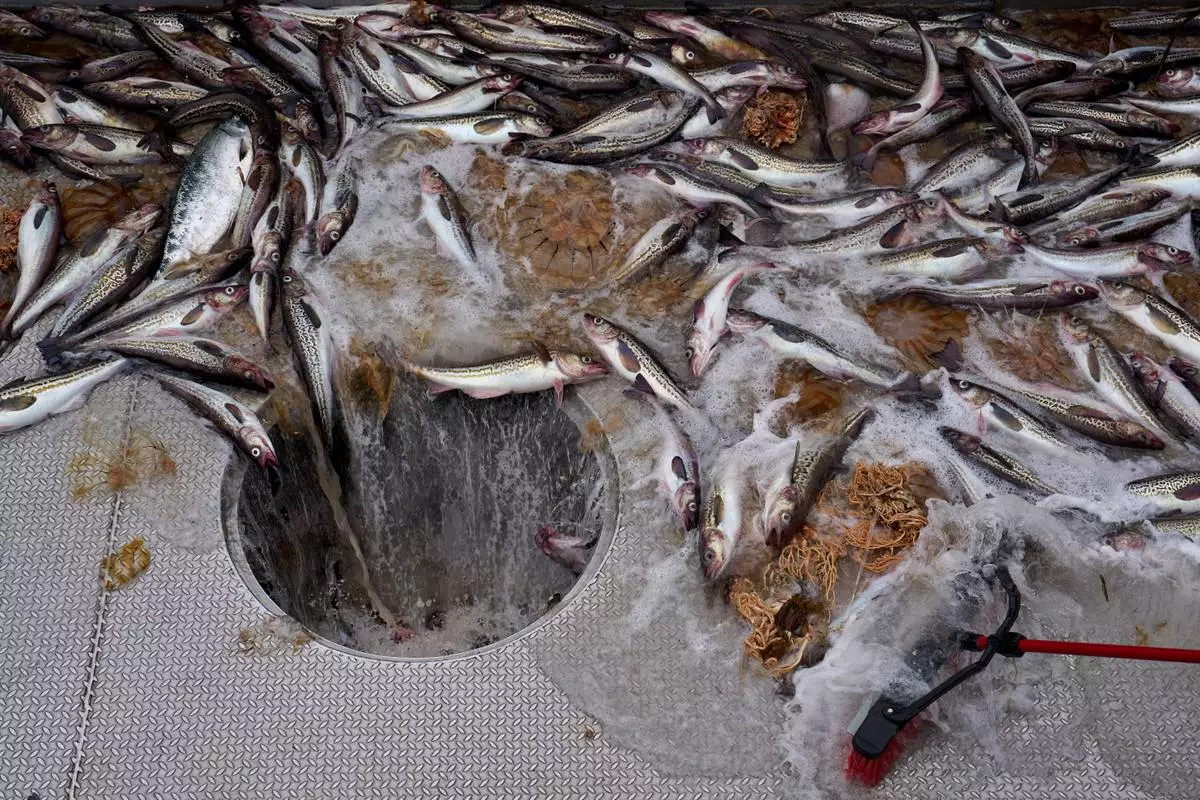
A crew member sweeps pollock and bycatch, including a chum salmon, upper left, jellyfish and basket stars, into a hatch aboard the F/V Progress in the Bering Sea off the coast of Alaska, Wednesday, July 22, 2026. (AP Photo/Annika Hammerschlag)
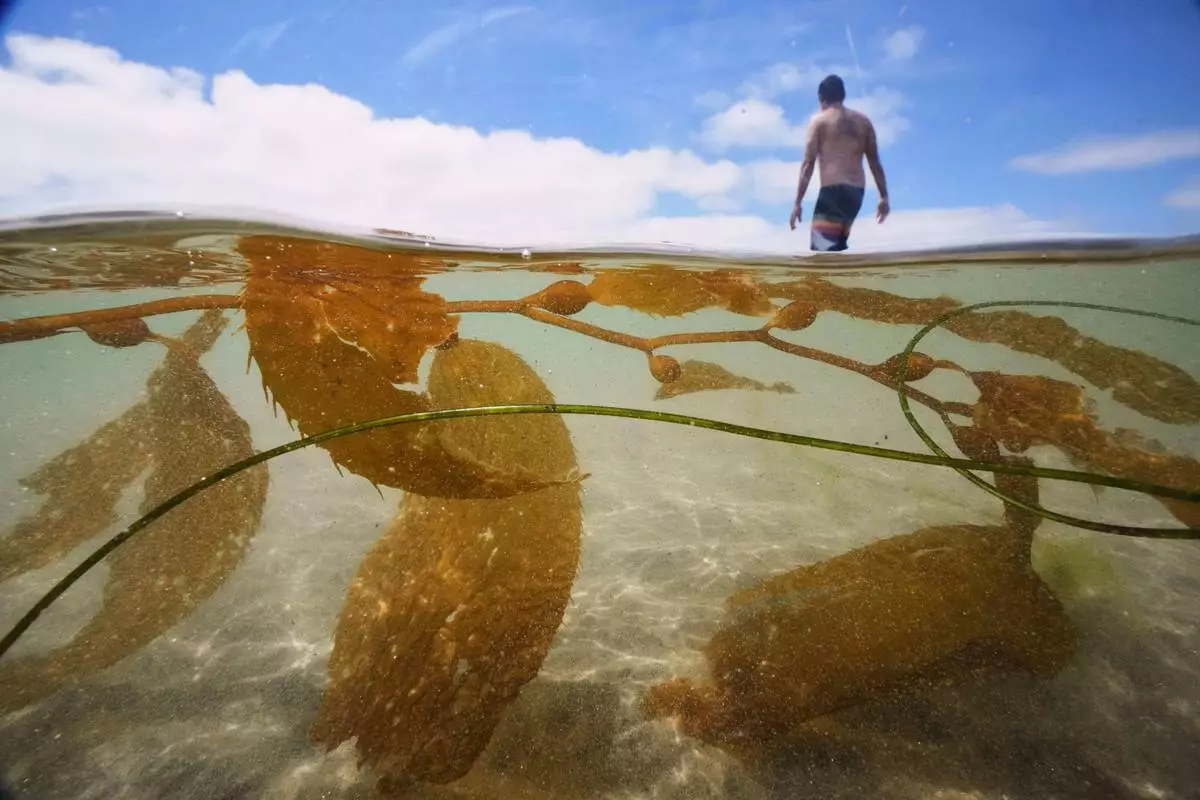
FILE - A man walks past kelp as he goes for a swim in the Pacific Ocean at La Jolla Shores, July 24, 2025, in San Diego. (AP Photo/Gregory Bull, File)
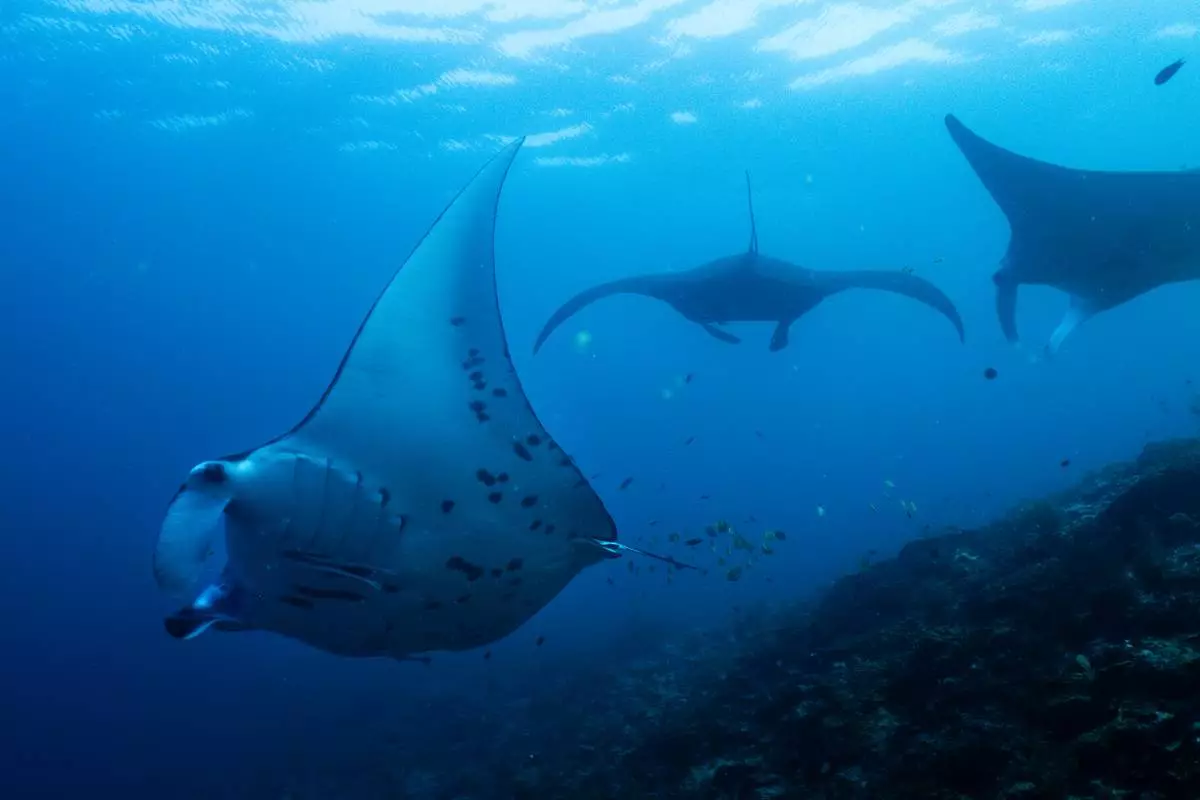
FILE - Oceanic manta rays swim at the Manta Ridge dive site in Raja Ampat, Indonesia, March 7, 2026. (AP Photo/Claudia Rosel, File)