The first shipment of diesel from Saudi Aramco, totaling about 63,000 metric tons, arrived at the port of Baniyas on Monday under an agreement with the Syrian Petroleum Company, as Syria seeks to open a new fuel-supply route and improve the regularity of fuel supplies to its domestic market.
The shipment came following the Central Bank of Syria issued its first letter of credit in 14 years on October 11, allowing the country to import petroleum products from Aramco.
The diesel, carried by the tanker Starling, is part of an agreement that stipulates five shipments a month, totaling between 1.5 and 2 million barrels.
"This is the first shipment, a trial shipment aimed at strengthening cooperation in the supply of petroleum products to meet the needs of the domestic market. Our teams at the company are ready to carry out mooring, storage, unloading and transport operations at the highest standards of quality and reliability. The two oil terminals in Syria, Baniyas and Tartous, have become a gateway for exporting Iraqi fuel oil and Iraqi crude oil, and for two-way trade, so that petroleum products can be supplied to the Iraqi side. We are working diligently to secure the domestic market's needs for petroleum products from secure sources and of high quality, and therefore we believe in cooperation with Aramco and with the Kingdom of Saudi Arabia," said Jamil Wahoud, head of the Guidance and Tanker Coordination Department at the Syrian Petroleum Company.
The agreement's impact extends to trade finance. The letter of credit was executed in coordination with a major U.S. bank, to secure financing and ensure regular supplies, in parallel with other negotiations to import Saudi light crude for the Baniyas Refinery.
"The arrival of fuel shipments helps improve fuel availability in Syria, but the impact on prices and on production and transport costs remains tied to the continuity and volume of supplies and to the quality and efficiency of distribution. Strategically, the importance of the Baniyas terminal stands out as an outlet that could strengthen Syria's energy supplies and open the way for a broader regional role in transporting Iraqi petroleum products, especially amid disruptions to navigation in the Bab al-Mandab Strait and the risks associated with the Strait of Hormuz," said Hisham Layqa, an academic and specialist in economic affairs.
Disruptions to shipping in the Bab al-Mandab and the Red Sea have highlighted the importance of transit time, securing fuel supplies and the unprecedented destination of the shipments, as authorities seek to contain the effects of regional turmoil on the domestic market.
"We hope that these shipments will resolve the crisis, that they will not cause any disruptions, and that they will arrive on time. Once the new shipments arrive, distribution will become consistent and sufficient for both the public and the gas stations," said Mohammed Barakat, a gas station manager.
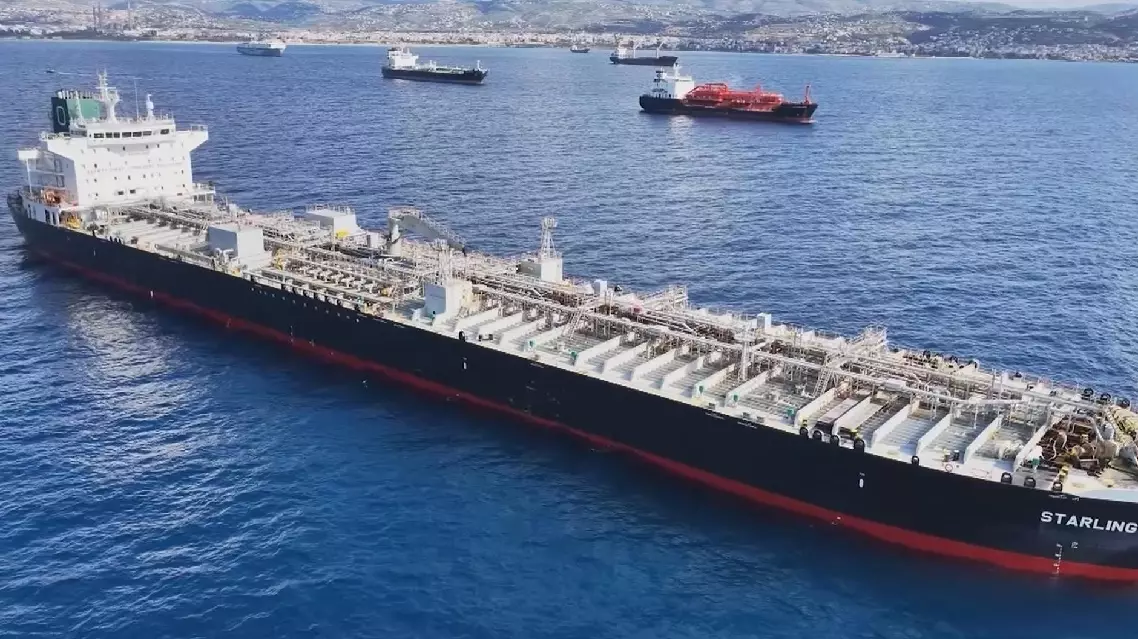
First Saudi diesel shipment arrives at Syria's Baniyas port