Marking the 90th anniversary of the Red Army's Long March, Jiri Mantysalo, vice chairperson of the Communist Party of Finland, linked the historic event to Finland's welfare state struggle, stating that both offered lessons in resilience and collective action for contemporary crises.
Led by the Communist Party of China (CPC), the Red Army undertook the Long March between 1934 and 1936 to break the siege by Kuomintang troops. The journey covered up to 12,500 kilometers and helped pave the way for the founding of the People's Republic of China in 1949.
In an interview with China Global Television Network (CGTN), Mantysalo recounted the Red Army's response to setbacks before turning to the role of Finland's workers' movement in building the country's welfare system.
"The Long March is an extraordinary historical example of bravery, and also ability to reflect the experiences and regain the political power and collective power after setbacks and in the face of difficulties. And in Finland, we also value resilience; we value collective efforts. And if I may say, we have built our own welfare model in Finland under many decades. And unfortunately, that's been under attack for many decades now by the right-wing governments, but the welfare model of Finland would not be possible without the fight of the working class movement. And without the strong participation and strikes and demonstrations, it wouldn't have been possible," Mantysalo said.
The comparison bridges distinct struggles: a military campaign in China and a social policy contest in Finland. Mantysalo then broadened his scope beyond either country.
"I think that what this experience in Finland, and what when we talk about the Long March in China, the shared valuable lesson of these different topics is that people have a power to change the world, and people have a power to change their own destiny, and create a better society, and win power from the challenges that they have faced. And difficult circumstances should not lead to resignation, but to create greater determination and greater solidarity between people," he said.
Asked whether lessons from the 1930s apply today, Mantysalo pointed to issues demanding long-term thinking and cooperation.
"Globally, this time when we live -- times of economic instability and inequality, climate crisis, as we have talked before -- so we see that these problems cannot be solved quickly in one night. So they require that societies and communities think beyond the short-term interests and beyond the immediate political gains. So I think that at this time, the Long March represents confidence in the possibility of progress despite obstacles. And for me, it teaches the importance of strategic thinking and collective action and persistence when facing difficulties." he noted.
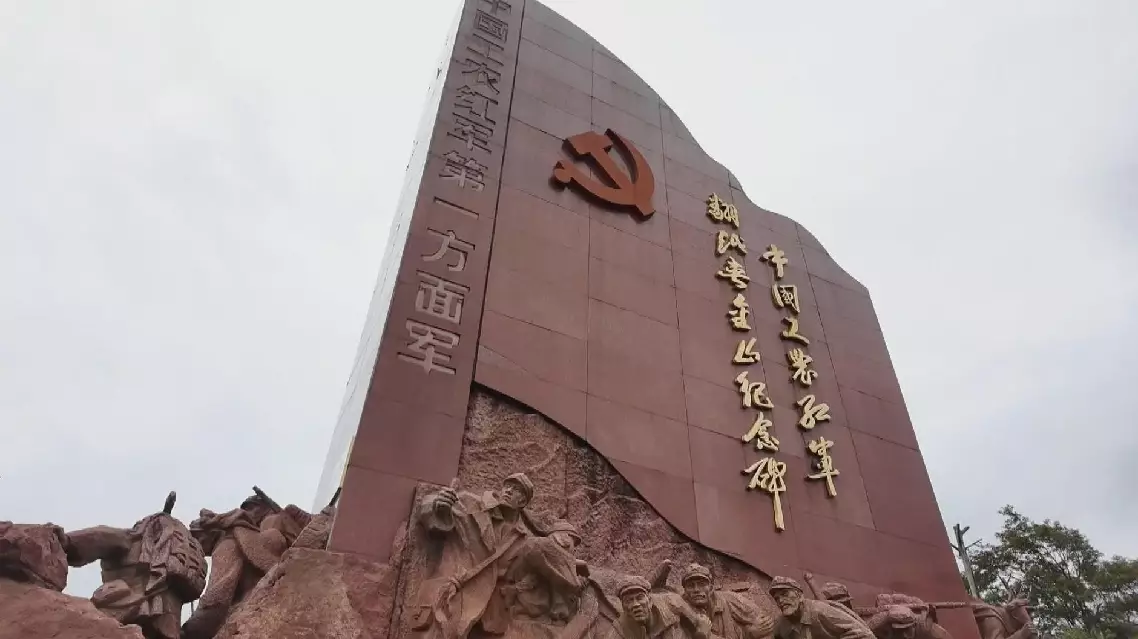
Finnish communist links Long March to fight for Finland's welfare state