DAKAR, Senegal (AP) — The deadly Ebola outbreak that began in Congo in May is outpacing efforts to contain it, spreading to two other regions of Africa and taking advantage of gaps in surveillance.
The disease is caused by the rare Bundibugyo virus, for which there is no approved vaccine or treatment. More than 9,700 people have been infected, nearly half of whom have died, making it the deadliest Ebola outbreak in Congo’s history and the fastest-growing in the world.
Nigeria this week became the fourth country outside Congo to report an Ebola case, in a woman returning from Uganda.
A recurring problem is poor surveillance at entry points, as most initial cases were confirmed long after people arrived from territories where Ebola is active and started showing symptoms.
“Ebola is crossing borders. Our response must move faster, with stronger coordination, greater solidarity and decisive political leadership,” Dr. Jean Kaseya, director general of the Africa Centers for Disease Control and Prevention, said on Wednesday.
Experts say investment in regional transportation infrastructure, including roads and airports, has not been matched by equal investment in public health measures.
“The infrastructure that is going to give us the risks has blossomed,” said Dr. Amira Roess, a professor of global health & epidemiology at George Mason University who worked in Guinea during the 2014 Ebola outbreak. “And then in comparison, the resources needed for public health response, for surveillance, for medical care, decreased, if anything.”
She added: “Every outbreak has more of a risk of getting bigger and bigger, because our resources for public health surveillance, for preventing this, are just not adequate.”
Here’s what to know about the outbreak:
Cases linked to Ebola have been reported in Congo, Uganda, Kenya, France and Nigeria. The woman in Nigeria started developing symptoms on Oct. 7 after returning from Uganda.
Uganda, which declared itself Ebola-free in July after 20 cases, has denied that the woman contracted the virus there. And the World Health Organization said it has not been informed if the patient had traveled to Congo.
Kenya has reported nine cases, originating from a man who traveled from Congo via Uganda.
France in June confirmed a doctor traveling back from Congo was infected, making it the first and only country outside Africa with a reported Ebola case. The person recovered and was discharged on July 4, according to the WHO.
The rare Bundibugyo virus was first detected in May, after spreading undetected for months, according to the WHO.
In Congo, it is fueled by mass population movements, rebel violence, mistrust and poor working conditions for front line workers. The provinces where cases have been reported border Uganda, South Sudan, Rwanda and Central African Republic. Local populations cross borders often for work and personal reasons, with little to no oversight from the authorities.
Ebola is highly contagious and spreads through direct contact with the bodily fluids of an infected person, including blood and vomit, or through contact with contaminated materials and surfaces, such as bedding and clothing.
In parts of Congo, including North Kivu, health authorities say the disease is out of control, with most recorded deaths occurring in the community and contact tracing unable to keep pace with the virus’s spread.
The Africa CDC this week called an Ebola crisis meeting of African heads of state on Wednesday to strengthen the response to the outbreak. “We have the expertise and the capacity on this continent. We must mobilize them together to stop this outbreak and save lives,” Kaseya said.
The WHO said on Wednesday that it had advised all countries in the region to sustain “a high level of readiness” as the outbreak continues to evolve.
The global health body provides guidance for travelers and transport authorities during Ebola outbreaks and advises against general travel or trade bans. But its recommendations are not binding, resulting in a patchwork of national measures which vary from country to country.
“Ebola does not wait. It follows movement, exploits gaps, and tests the strength of our health systems. Today, the test is no longer confined to one place. It is a regional concern that demands regional vigilance and collective resolve,” Dr. Mohamed Yakub Janabi, WHO regional director for Africa, told reporters on Thursday.
Africa’s CDC and Congolese officials earlier this month have raised concerns over $700 million in Ebola aid that is unaccounted for and called on organizations on the ground, which include U.N. agencies, international charities and local aid groups, to provide more information about their finances.
The revelations renew long-standing questions about transparency and accountability in Congo. Previous Ebola outbreaks were marked by allegations of corruption and mismanagement of funds, which experts said have contributed to the mistrust of local communities, complicating the efforts to halt the spread.
For more on Africa and development: https://apnews.com/hub/africa-pulse
The Associated Press receives financial support for global health and development coverage in Africa from the Gates Foundation. The AP is solely responsible for all content. Find AP’s standards for working with philanthropies, a list of supporters and funded coverage areas at AP.org.
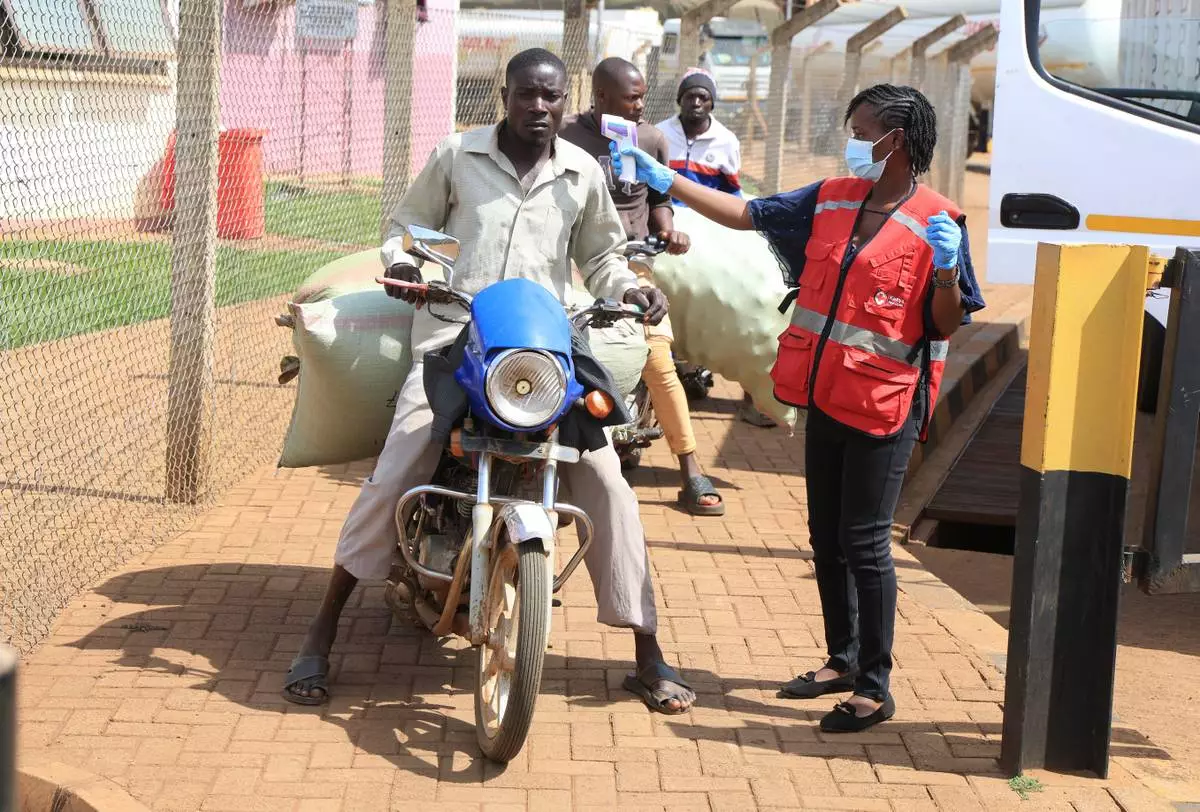
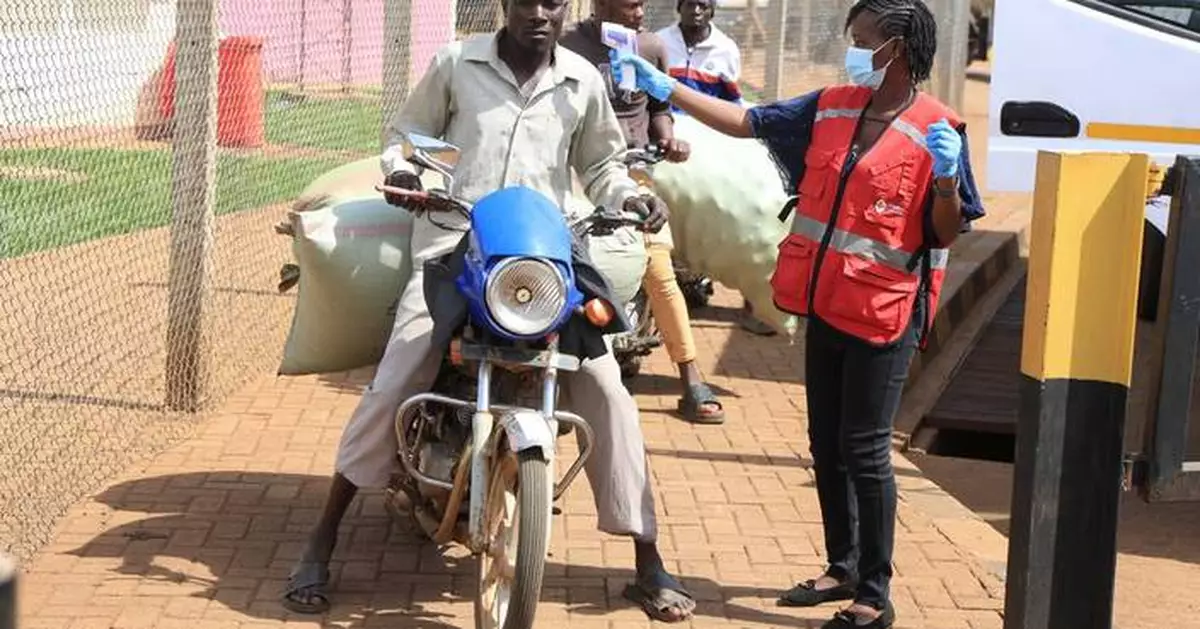
A Kenyan health worker checks the temperatures of travelers crossing from Uganda to Kenya as part of measures to contain the spread of Ebola virus, in Busia, Kenya, Thursday, Oct. 15, 2026. (AP Photo/Andrew Kasuku)