Skip to Content Facebook Feature Image

A novel mRNA cancer vaccine helps reduce the chances of melanoma patients' tumors returning

TECH

A novel mRNA cancer vaccine helps reduce the chances of melanoma patients' tumors returning
TECH

TECH

A novel mRNA cancer vaccine helps reduce the chances of melanoma patients' tumors returning

2026-10-23 06:23 Last Updated At:14:49

WASHINGTON (AP) — A first-of-its-kind cancer vaccine is significantly reducing the chances that melanoma patients’ tumors come back, according to results of a major study released Thursday by drugmakers Moderna and Merck.

The vaccine was custom-brewed for each patient to match their tumor. Adding it to a standard post-surgery treatment reduced by 42% the risk of melanoma returning two years after surgery, according to the most advanced study to date of this new strategy for fighting cancer.

“The field has been looking for a win and I think this one is a big one,” said Dr. Hussein Tawbi of MD Anderson Cancer Center in Houston, one of the researchers in the international study.

The vaccine, called intismeran, is made with the same Nobel Prize-winning mRNA technology that was behind COVID-19 vaccines. Experimental personalized cancer vaccines made with mRNA and some other approaches also are being tested against other types of cancer including lung, kidney and pancreatic.

Experts not involved with the new study say its success bolsters the field.

“This is a new frontier,” said Karen Knudsen, CEO of the Parker Institute, which helps fund cancer immunotherapy research.

“It’s a big step forward for science, for oncology, because this vaccine will apply to many different cancers,” said Dr. Michael Atkins, deputy director of Georgetown University’s Lombardi Comprehensive Cancer Center.

Moderna and Merck had announced in August that the late-stage trial of intismeran was successful but the detailed results were set to be released Saturday at a meeting of the European Society of Medical Oncology in Madrid. Some of the data was leaked publicly late Thursday, prompting a full release ahead of the weekend's scientific presentation.

Most people think of vaccines as preventing an infection, like measles or whooping cough. There are already two cancer-preventing vaccines, the HPV and hepatitis B shots that block infection from those tumor-causing viruses. And research is underway to prevent some types of inherited cancer such as Lynch syndrome-caused colorectal cancer.

But a personalized vaccine designed to block surgically-removed cancer from returning is very different. For the intismeran study, scientists hunted gene mutations unique to each patient’s tumor, mutations that create proteins which shouldn’t be in the body unless those cancer cells start to grow again. The custom vaccine — nine doses given three weeks apart — teaches the patient’s immune system to watch out for and attack those so-called neoantigens.

How did it work? The study included more than 1,100 people with high-risk melanoma that was surgically removed. Everyone was given the standard follow-up therapy: Merck’s immunotherapy named Keytruda. The participants were randomly assigned to also receive custom-brewed vaccine doses or a placebo.

Two years later, 82% of the people in the vaccine group were still living without a recurrence of their cancer compared to 70% who had gotten standard Keytruda alone. The trial is continuing to track participants’ longer-term outcomes.

In 2024, Tony Hout joined the vaccine trial at MD Anderson after seeking care for a spot on his ear that had been bleeding intermittently and wouldn’t fully heal. Doctors recognized melanoma and during surgery discovered it had started to spread.

“I want to make sure I’m doing everything I can to be here for my family,” said Hout, 62, who has since moved to Cayuga, Indiana, and travels back to Houston every few months for a study check-up. Scans this week showed he’s still cancer-free.

The vaccine’s side effects were mainly the sore arm, fatigue and other reactions typical of mRNA coronavirus vaccination, MD Anderson's Tawbi said.

Moderna and Merck are talking with regulatory authorities about next steps for seeking approval of the vaccine.

Customized medicines generally are very expensive. The drugmakers aren’t discussing what such a cancer vaccine might cost.

But Moderna President Stephen Hoge said the company’s special cancer vaccine manufacturing facility in Massachusetts is providing doses for thousands of people enrolled in multiple studies underway internationally.

Hoge said it takes a few days to brew the vaccine but the whole process, starting with analyzing the tumor genetics to come up with what is essentially a recipe for each patient, can take roughly six weeks, sometimes more. Meanwhile, the melanoma patients had already started their standard Keytruda, a different kind of immunotherapy.

Moderna shares dropped 18% Thursday after the study’s full results were made public, but they remained more than 200% higher than they were in late August before investors were first told of the initial results.

The Associated Press’ health and science coverage receives financial support from the AP Fund for Journalism and private foundations. AP is solely responsible for all content. Find AP’s standards for working with philanthropies, a list of supporters and funded coverage areas at AP.org
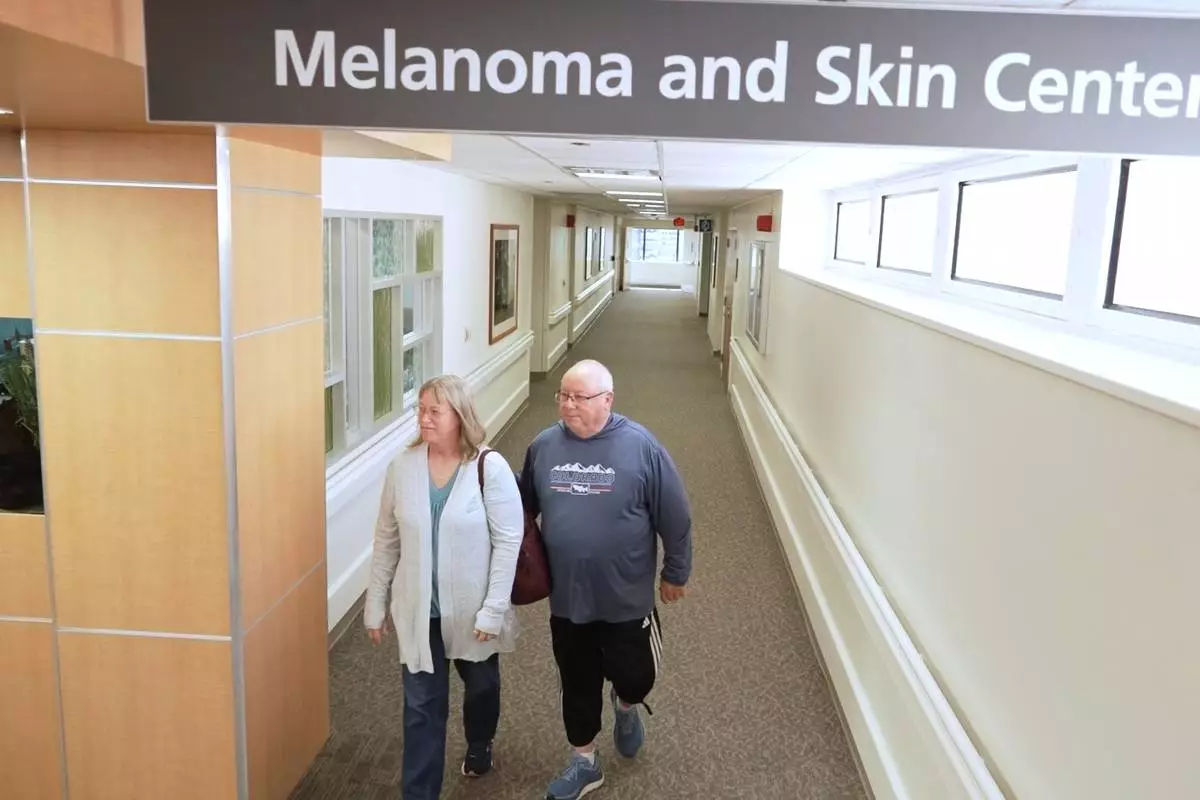
In this image made from video, Tony Hout, right, walks with his wife Kim, at UT MD Anderson Cancer Center in Houston, Monday, Oct. 19, 2026. (AP Photo/Lekan Oyekanmi)
In this image made from video, Tony Hout, right, walks with his wife Kim, at UT MD Anderson Cancer Center in Houston, Monday, Oct. 19, 2026. (AP Photo/Lekan Oyekanmi)

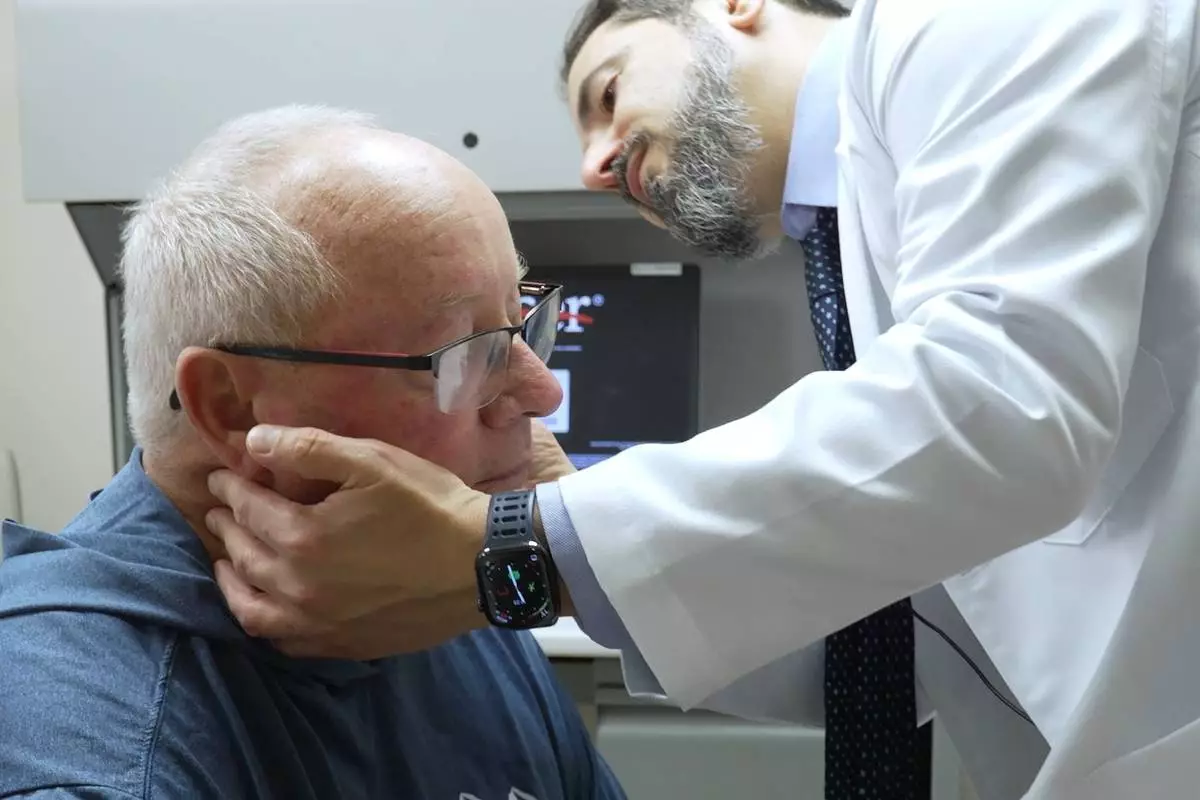
In this image made from video, Tony Hout is examined by Dr. Hussein Tawbi at UT MD Anderson Cancer Center in Houston, Monday, Oct. 19, 2026. (AP Photo/Lekan Oyekanmi)
In this image made from video, Tony Hout is examined by Dr. Hussein Tawbi at UT MD Anderson Cancer Center in Houston, Monday, Oct. 19, 2026. (AP Photo/Lekan Oyekanmi)

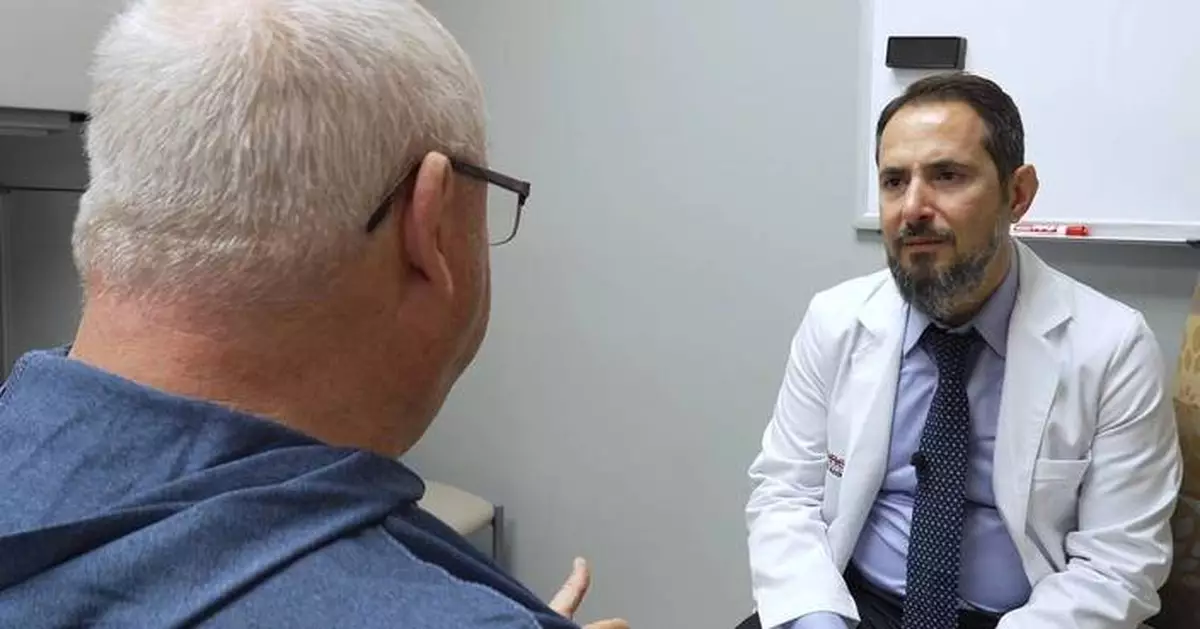
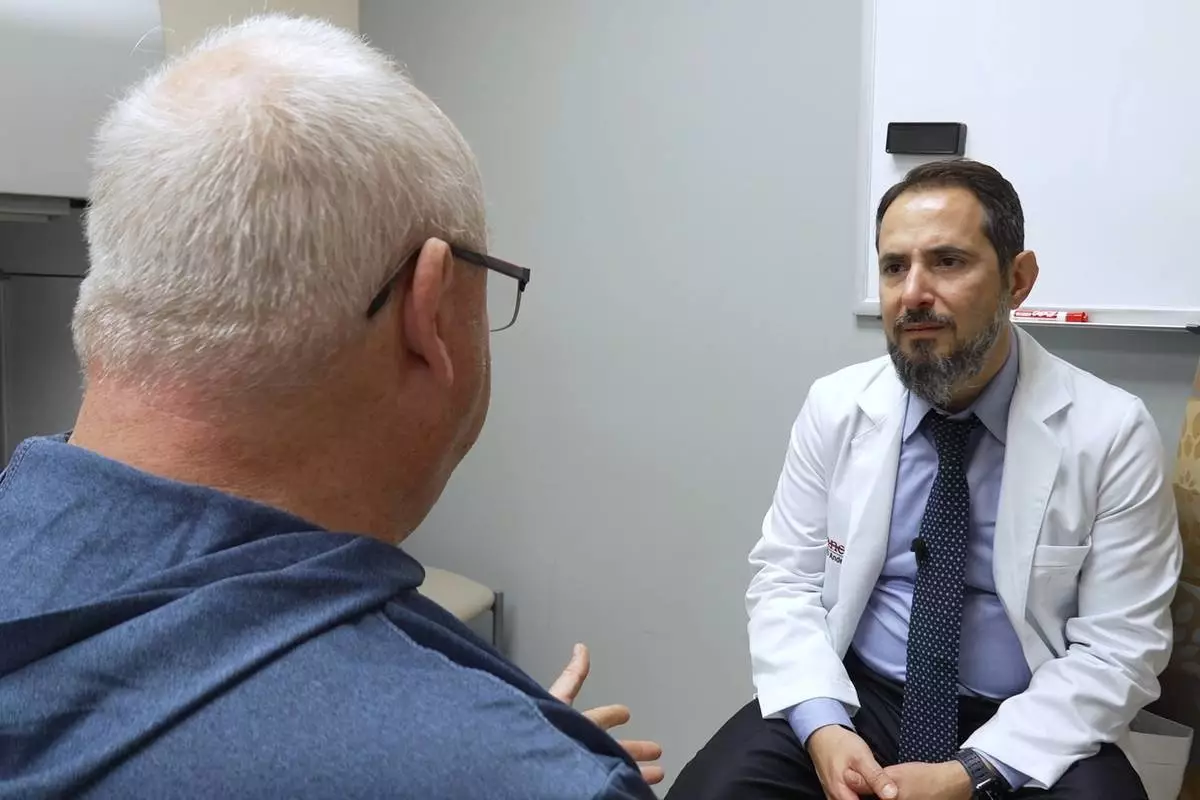
In this image made from video, Tony Hout, left, talks with Dr. Hussein Tawbi at UT MD Anderson Cancer Center in Houston, Monday, Oct. 19, 2026. (AP Photo/Lekan Oyekanmi)
In this image made from video, Tony Hout, left, talks with Dr. Hussein Tawbi at UT MD Anderson Cancer Center in Houston, Monday, Oct. 19, 2026. (AP Photo/Lekan Oyekanmi)

MADRID, Spain & ESPOO, Finland--(BUSINESS WIRE)--Oct 23, 2026--

Telefónica and IQM Quantum Computers, a global leader in superconducting quantum computing, have joined forces to deploy the first quantum computer in the Community of Madrid. The initiative will strengthen the region’s scientific and technological capabilities, while driving the development of real-world cases for companies across the Community of Madrid.

This press release features multimedia. View the full release here: https://www.businesswire.com/news/home/20261022980581/en/

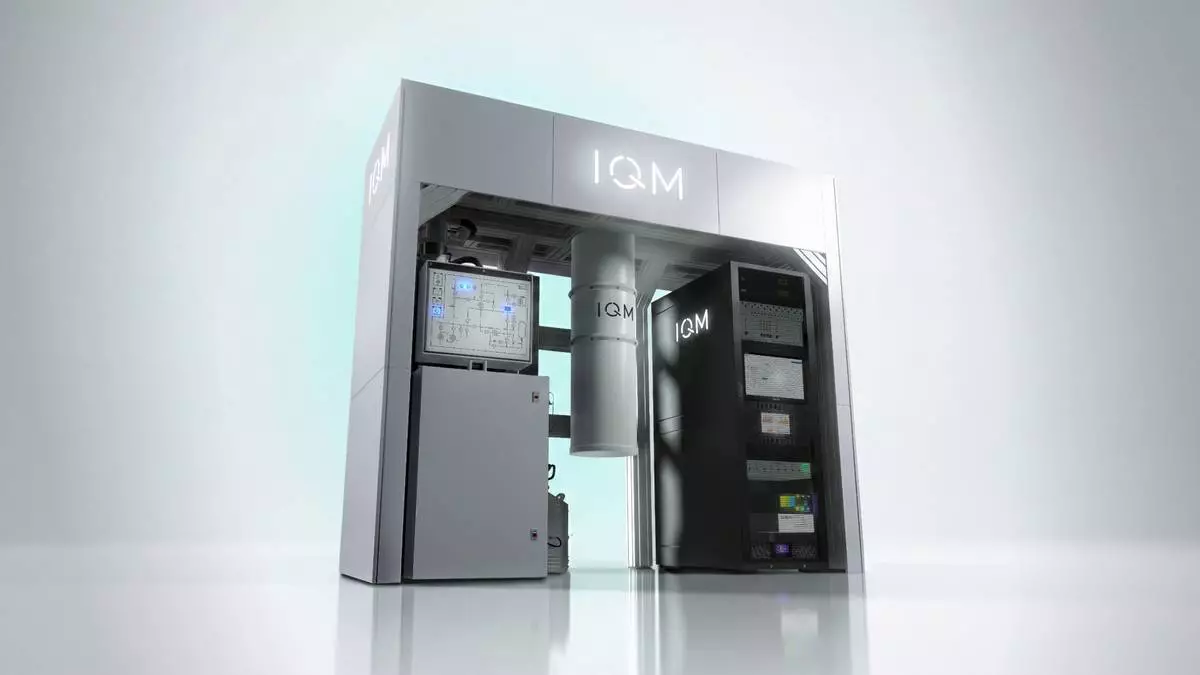
The IQM Spark quantum computer, an all-in-one solution specifically designed for research, education and early-stage development, will be installed at the Universidad Politécnica de Madrid before the end of 2026. It will enable universities, hospitals, research centers and start-ups, direct access to real quantum hardware to develop and test quantum algorithms and build the expertise needed to explore future use cases.

This will be the first quantum computer of its kind in the Community of Madrid, significantly increasing the region’s capacity to develop quantum capabilities locally and through hands-on experience. The computer will join the other two quantum computers provided by Telefónica and IQM to CESGA (Galician Supercomputing Centre).

Once the new quantum computer is operational, the Community of Madrid will have greater capabilities to foster the creation of its own quantum ecosystem, bringing together all stakeholders involved in developing real-world use cases that deliver direct benefits to local industry. This ecosystem will help attract talent and strengthen Madrid’s position as a leading hub for advanced digital innovation, while also contributing to the development of European technological sovereignty.

Borja Ochoa, non-executive Chairman of Telefónica España and CEO of B2B, said: “This project marks another step forward in Telefónica’s close collaboration with the Community of Madrid in the deployment of quantum technologies, both in networks and in the encryption and protection of critical data in particularly sensitive sectors such as healthcare and security, and now also through the research opportunities offered by quantum computing. In line with its goal of becoming the best gateway to digital technologies for citizens, businesses and public administrations, Telefónica is the first operator in Spain to offer communications between data centers protected by the new post-quantum cryptography standards. Our company is also helping to build a national ecosystem by developing technologies and communications, specialized centers and strategic projects ranging from the development of cancer treatments to reducing the use of cardboard by packaging companies.”

Jan Goetz, CEO and Co-founder of IQM Quantum Computers, said: "By investing in its own quantum computer, the Community of Madrid is creating an infrastructure that will enable its researchers, students and industries to grow their capabilities over the long term. Quantum computing becomes truly valuable when it moves beyond remote laboratory environments and is placed directly in the hands of those working closest to the real-world challenges it can help address. This deal represents an important step forward for Madrid and for Europe in its ambition to lead the development of quantum computing."

This project further expands IQM’s growing international footprint, with full-stack quantum computers already deployed across Europe, Asia and North America, including computers supplied to some of the world´s leading supercomputing centers. IQM is also driving the adoption of quantum computing in areas such as research, materials science, financial modeling and other fields, by giving end users direct ownership of the infrastructure needed to turn experimentation into real-world, high-impact applications.

About IQM Quantum Computers

IQM Quantum Computers (Nasdaq: IQMX) is a global leader in superconducting quantum computers, delivering full-stack quantum computers and cloud platform access to enterprises, research institutions, universities, high-performance computing centers, and national laboratories worldwide. IQM’s on-premises deployment model gives customers direct ownership and control of their quantum infrastructure. Founded in 2018 and headquartered in Finland, with major operations in Munich, IQM employs over 450 people and operates across Europe, Asia, and North America. IQM is the first publicly listed European quantum company on Nasdaq Stock Market.

About Telefónica

Telefónica is one of the world’s leading telecommunications service providers. The company is committed to becoming the leading gateway to digital technologies for citizens, businesses and public administrations, contributing to economic and social progress in the markets where it operates.

Telefónica provides fixed and mobile connectivity services, together with a broad portfolio of digital solutions for residential and business customers. With more than 299.8 million accesses, the company focuses its operations on its four core markets: Spain, Brazil, Germany and the United Kingdom.

IQM and Telefónica are bringing an IQM Spark quantum computer to Universidad Politécnica de Madrid, giving researchers, students and industry across the Community of Madrid hands-on access to real quantum hardware.

IQM and Telefónica are bringing an IQM Spark quantum computer to Universidad Politécnica de Madrid, giving researchers, students and industry across the Community of Madrid hands-on access to real quantum hardware.

Recommended Articles