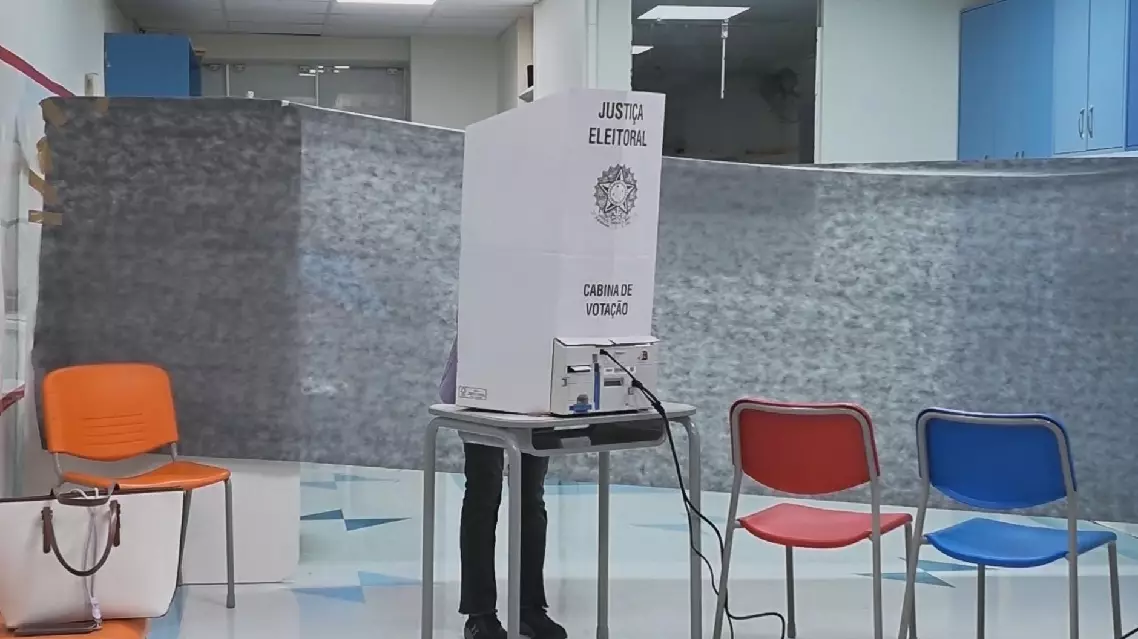
The result of Brazil's presidential runoff could reshape the country's role on the world stage, as two candidates hold different views on development of relations, said a Brazilian expert in an interview with the China Global Television Network.
Brazilian incumbent President and presidential candidate of Brazil's ruling Workers' Party Luiz Inacio Lula da Silva, and presidential candidate of Brazil's Liberal Party Flavio Bolsonaro held the last campaign rally on Saturday in Sao Paulo and Rio de Janeiro, respectively. The second round of voting for Brazil's 2026 presidential election will be held on Sunday.
Analysts say that another Lula presidency would see Brazil continue to pursue diverse foreign ties and trade partners, while a Bolsonaro victory would likely reshape the country's global relations.
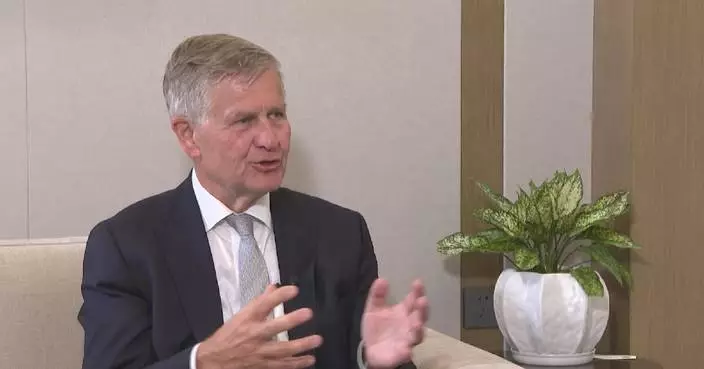
"Internationally, if the more radical right wins, we are likely to see much closer alignment with the United States. That could have implications for Brazil's place in the so-called Global South," said Paul Velasco, a professor in international relations at Rio de Janeiro State University.
First round voting results significantly strengthened the right in Congress and, if elected, Bolsonaro could find a clear path to implement his pro-business, deregulatory agenda. If Lula wins, he will likely face stiff opposition to his social welfare and environmental policies. More than 33 million eligible voters abstained during the first round.
Brazil's presidential runoff result could reshape country's role on int'l stage: expert
Brazil's presidential runoff result could reshape country's role on int'l stage: expert
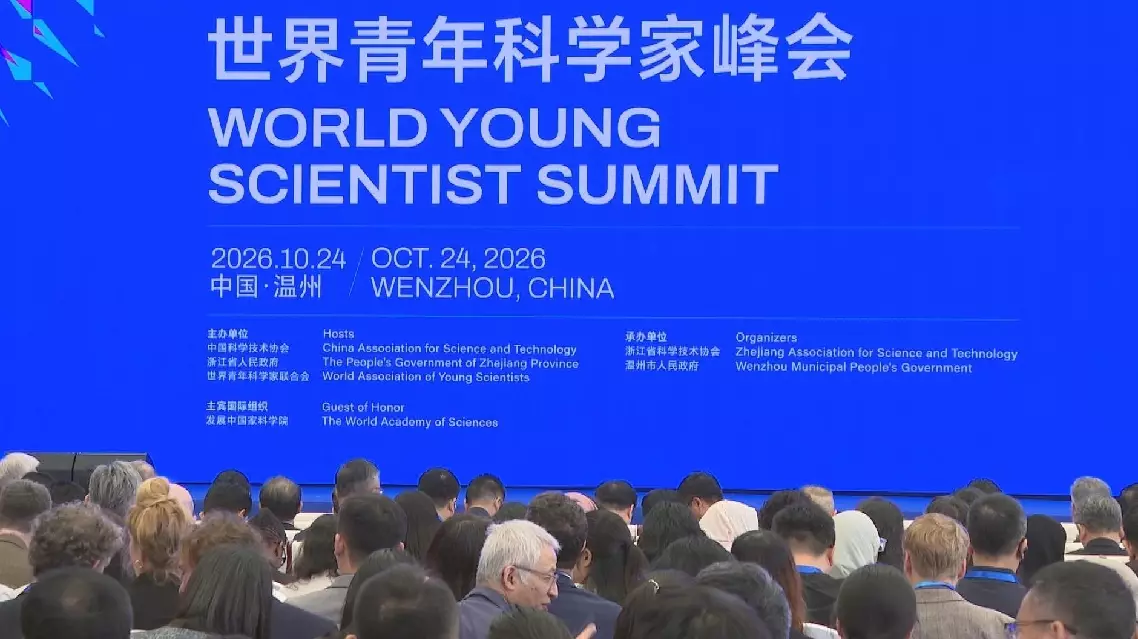
The World Young Scientist Summit opened on Saturday in Wenzhou, east China's Zhejiang Province, gathering more than 800 scientists and entrepreneurs from over 60 countries and regions.
The event also features an exhibition center outside the main conference venue, with innovative products designed for real-world applications drawing visitors from around the world.
Many are looking beyond the displays to explore potential partnerships, with innovations ranging from the recycling of valuable minerals from construction waste to artificial intelligence (AI) applications across industries.
"Our new approach to handling solid waste uses low-carbon, firing-free and low-temperature rapid-drying processes to turn various types of solid waste into industrial raw and auxiliary materials and recycled building materials," said Shao Zhang, vice president of the Wenzhou Hailuo Group.
"Because in Brazil, we don't have this kind of technology [of using] construction waste to build this. We have searched for new technology, and we are the representative association of engineers in Brazil. We came to China maybe to bring this technology to Brazil," said Leonardo Monteiro Rodrigues from the Brazilian Federation of Engineers.
Priyanga Talagala, a senior lecturer at the Kwame Nkrumah University of Science and Technology, highlighted the multilingual capability of an AI agent on display.
"It can understand many different languages. Actually, we are from Sri Lanka, and we tried with our own mother tongue, and she could understand our language very easily, even though it's not very common all around the world," she said.
A wheelchair caught the eyes of Ashutosh Tiwari, secretary general of the International Association of Advanced Materials, which is headquartered in Sweden. Tiwari said he had decided to introduce the product to the European market in cooperation with the Chinese exhibitor.
"So I've taken a picture of the company. And officially, our office will contact [them] to start the business in Sweden and Europe," he said.
New technologies draw global young scientists to Wenzhou