Ahead of the 33rd APEC Leaders' Meeting in Shenzhen, U.S. respondents highlighted the need for greater coordination on trade policies and increased attention to energy challenges, amid shifting U.S. trade policies and geopolitical tensions affecting economic cooperation across the Asia-Pacific.
The meeting will take place in Shenzhen, south China's Guangdong Province, from November 18 to 19, under the theme "Building an Asia-Pacific Community to Prosper Together." Leaders from the 21 APEC member economies, which together account for around 60 percent of global GDP and nearly half of global trade, are expected to discuss ways to strengthen regional economic integration, promote open trade and foster shared prosperity across the Asia-Pacific.
China Global Television Network (CGTN) spoke with people in New York City about the challenges facing regional cooperation and the issues they hope APEC leaders will address.
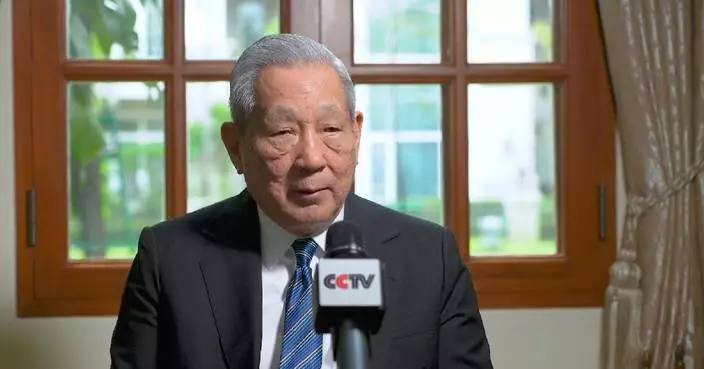
John Smith Riocco, a consultant, said inconsistencies in U.S. trade policies, particularly regarding tariffs, could make trade coordination a key topic at the meeting.
"What's going on in U.S. politics today changed the way that other Asian countries deal with the United States. I think it's fair to say that we have been inconsistent, for example, on our trade policies. If you look at what happened with tariffs in the last 12 to 18 months, for example. So I imagine that would be a very big topic," said Riocco.
Researcher Mercedes Gallego said energy should be a topic at the meeting, citing disruptions caused by geopolitical tensions and China's role in renewable energy.
"This year, the topic of APEC should be energy. The energy sector has been very much affected by the closing of the Strait of Hromuz and the war on Iran. But at the same time, China has the leading renewable products and batteries, solar batteries, and other products that sell very well in Europe but not in America," said Gallego.
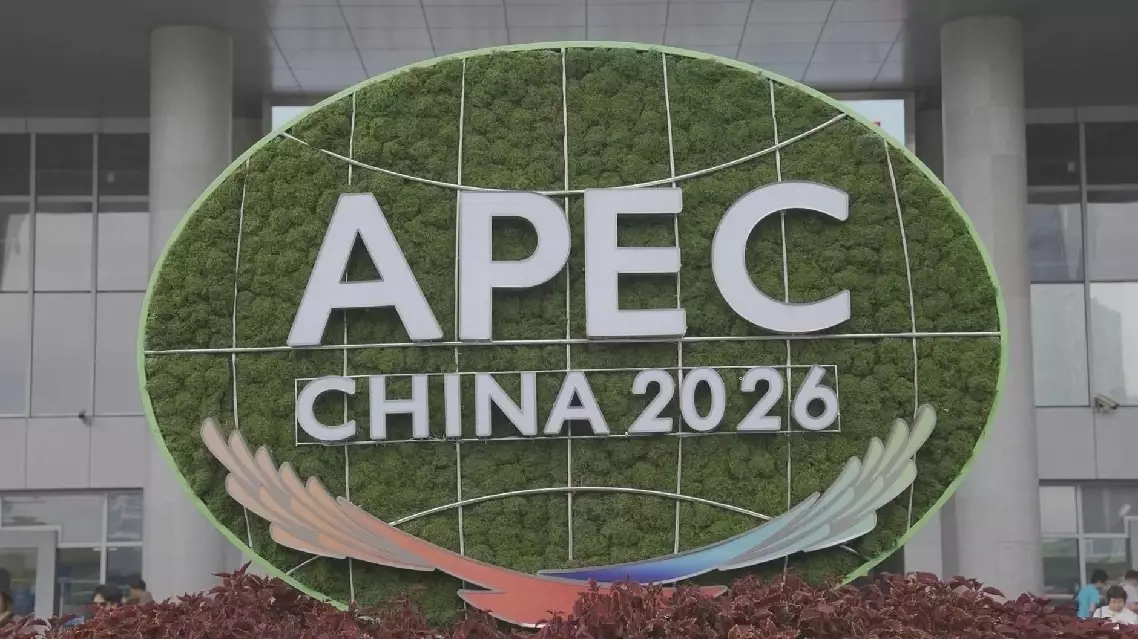
US interviewees highlight trade, energy issues ahead of APEC meeting