As China's drive for full and rigorous Party self-governance reaches deep into the grassroots to target formalism and vanity projects, Gaoping District in Nanchong City, southwest China's Sichuan Province, is putting it into practice by bringing villagers into decision-making and oversight.
In Qintaisi Village, open-air courtyard meetings are held regularly. At these meetings, villagers can voice their opinions on governance and have a direct chance to help shape spending plans.
"Our suggestions are taken seriously and acted on. That gives us reassurance and more confidence in the village's development," said Zhou Xingquan, a villager.
That input helped reshape a spending plan worth over a million yuan, roughly 140,000 U.S. dollars. Originally intended for activity-center repairs and facilities supporting an e-commerce service center, the money was redirected toward more pressing needs following discussions among more than 30 village representatives.
"In the past, a few village officials submitted the projects and budgets themselves. Now we draft a plan, consult villagers at a courtyard meeting, then decide. Residents participate and oversee the projects, making the use of funds transparent," said Ye Wangcai, Party branch secretary of Qintaisi Village.
The revised budget went toward improving daily infrastructure like village roads, as well as building drying and cold-storage facilities at the local herb cooperative, where the new equipment is already paying off for villagers.
Qintaisi Village is part of a wider shift toward substance over appearances. In some regions, grassroots officials once chased quick, visible results - funding impractical structures and renovations detached from daily needs that often went to waste. To avoid such pitfalls, Gaoping District canceled 319 vanity projects in its 2025 review and approved 447 livelihood initiatives instead.
"The village holds a courtyard meeting each quarter, which has gradually shifted from briefing residents on village work to discussions about projects and the use of collective funds, making decision-making more responsive to the needs of the villagers," said Xu Xiaobin, a standing committee member of Gaoping District Commission for Discipline Inspection.
A shift in one village's spending plan reflects a broader transformation in rural governance: granting residents a substantive voice in decision-making. This exemplifies grassroots democracy in practice, placing local needs at the center of rural development.
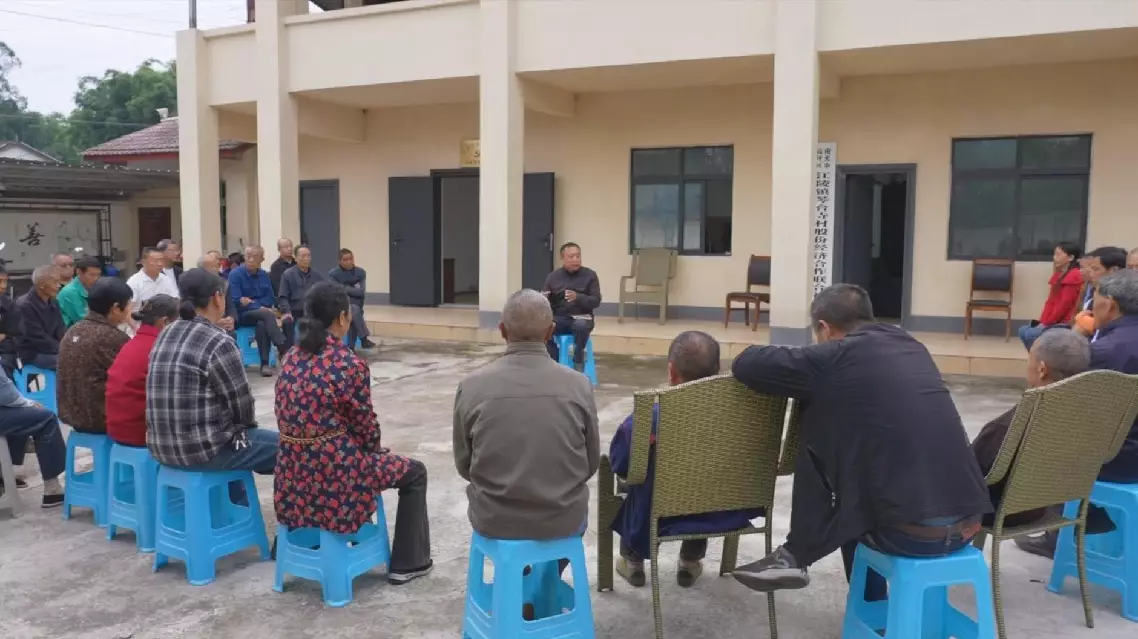
Courtyard meetings in Sichuan give villagers a say in local spending
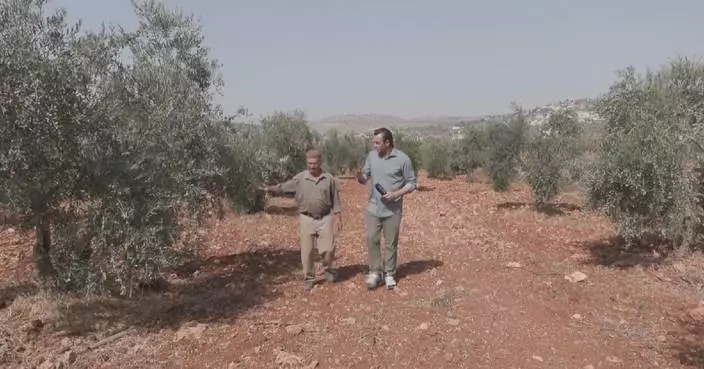
Israel is scheduled to hold parliamentary elections on Tuesday, its first national vote since the Oct. 7, 2023 outbreak of the Palestine-Israel conflict, amid deep divisions among voters over national security and the country's political direction.
Ahead of polling day, voters interviewed by China Global Television Network (CGTN) in Jerusalem identified security concerns and whether to continue supporting Prime Minister Benjamin Netanyahu as key issues shaping their electoral choices.
"The most topic issue for me is the security of the country and what we deal with, and second also the unification of our country, of our people. So, for the unification of the country, I will say that I would support the others, not Netanyahu. But for the safety of the country, I think Netanyahu is the best manager of the situation right now, so I would vote for him probably," said Benny, a Jerusalem resident.
Still, prolonged geopolitical tensions and ongoing fighting have shaken many voters' confidence in the incumbent government's ability to ensure national security.
"I think that this has been an absolute failure; someone who put himself as Mr. Security, I think we're in a worse position than we were. The stalemate that we have with Iran, we haven't accomplished our goals. Politically, we're in a worse situation than we were before. And again, with Hezbollah, despite the military successes, we're still stuck there again. And so all this is a stalemate, he hasn't been able to prove himself, he's not able to move forward," said Evan, another resident.
Meanwhile, some moderate voters are calling for greater unity among different social and ethnic groups within the country, arguing that this is a more pressing priority than security concerns.
"I am most concerned about social issues, there seems to be a big divide in Israel between left and right. I think we need more unity," said Jerusalem resident Raphael.
For peace advocates, ending the Palestine-Israel conflict and the occupation, and promoting coexistence among different communities, remain top priorities. Many ordinary citizens say they are tired of political polarization and prolonged conflict, and are calling for meaningful change.
"Security means peace and it means that taking care of what we did in Gaza and to let people, Jews, Arabs, all nations to live here in peace. Settlers are able to do whatever they do because on their side there are the army and the police, and I hope that there would be someone else on top that really wants to solve it. We didn't achieve anything; we didn't achieve it. It all went the wrong way," said Jerusalem resident Tamara.
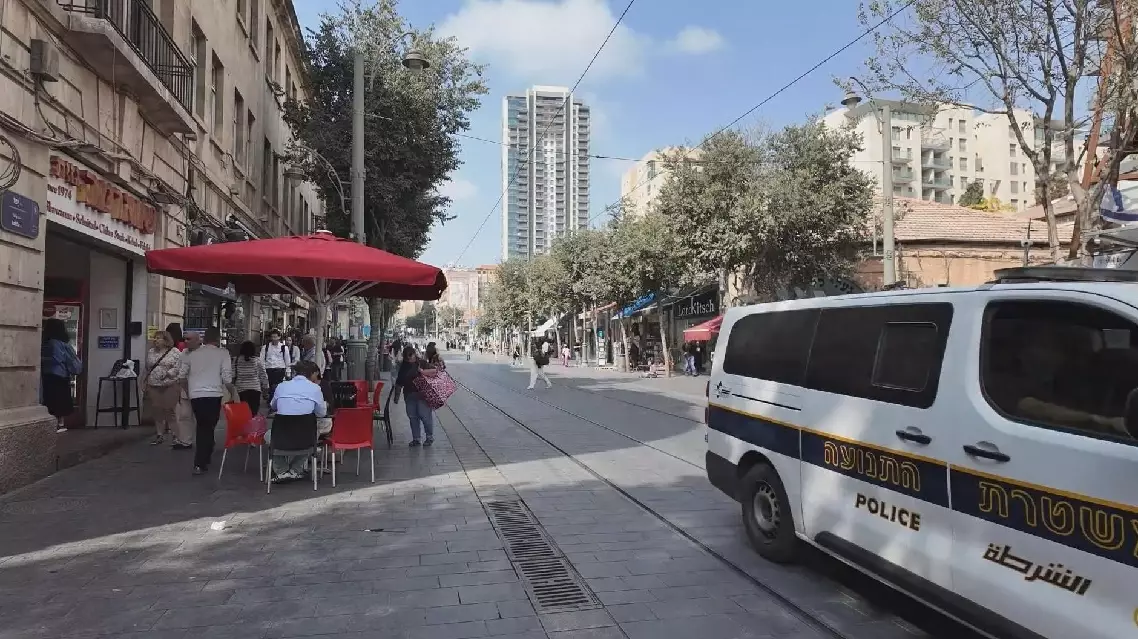
Israeli voters divided ahead of national elections