With the November 3 midterm elections approaching, many young Americans are disengaging from the political process, citing soaring rents, persistent economic strain and campaign promises they say have gone unfulfilled.
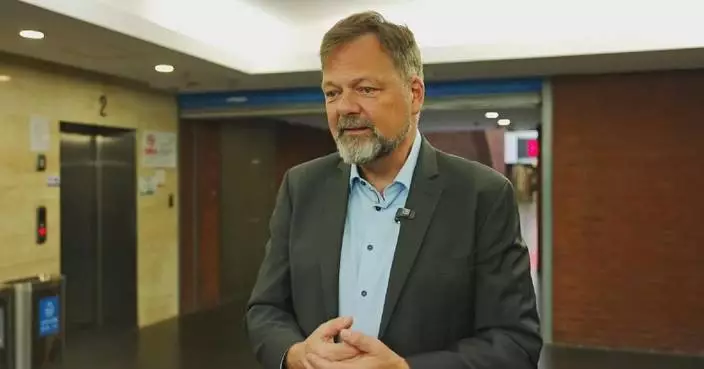
Few embody that disillusionment more sharply than Ariel Gonzalez, a 33-year-old Miami resident and the son of Guatemalan immigrants. Gonzalez studied advertising and marketing, yet the career he trained for never materialized, and he now makes his living as a full-time artist after years of rejection on the job market.
"Everything I've learned about this country for the last 33 years of my life has been kind of a lie. I'm gonna have to apply for Trader Joe's, I'm gonna have to apply for Publix, I'm gonna have to apply for Target. And me with all my credentials, having these degrees and all these things, was not getting hired," Gonzalez said.
His political outlook, he says, was forged long before this election cycle, in the wreckage of the 2008 financial crisis that upended his family's life.
"They ended up buying their first home, and then 2008 came, the housing crisis came. They lost everything. Our house was foreclosed, our cars were repossessed, everything. We lost everything. We were homeless for a little bit," Gonzalez said.
The numbers suggest his frustration is far from isolated. Young Americans have historically shunned the midterms, with fewer than one in four voters under 30 casting a ballot in 2022, and this spring just 12 percent told Harvard pollsters they felt motivated to take part in November's vote.
For Gonzalez, the malaise now stretches across the political spectrum.
"In fact, what I'm seeing more of is people fed up with wanting to vote. I see people fed up with the current politics, and this is anyone in the right or anyone in the left-leaning sphere. They're fed up," Gonzalez said.
Gonzalez's frustration mirrors a broader disenchantment among young Floridians, for whom pocketbook pressures increasingly outweigh party loyalty.
Jean Hestres, a 25-year-old of Cuban and Puerto Rican descent who sells cars while studying for his real estate license, counts himself among them.
"Hard to live, man. It's expensive. It's the economy for the most part. It's getting more expensive to live," said Hestres, a conservative voter.
Many young voters, particularly men, swung toward Donald Trump in 2024, swayed in part by his promises to bring down prices. Political scientist Eduardo Gamarra says discontent over the cost of living now surfaces in virtually every survey he conducts, and points to pledges that were never kept as the driving force behind the disaffection.
"But also the unkept promises, right? In particular, the promise that they would deal with the high cost of living, I think, is probably the number one reason. We see it in our surveys," Gamarra said.
The stakes in November are considerable, with all 435 seats in the House of Representatives and roughly a third of the Senate up for grabs, alongside thousands of state and local offices. Control of Congress will shape the remaining two years of Trump's term, and strategists in both parties concede that mobilizing disaffected young voters could prove decisive.
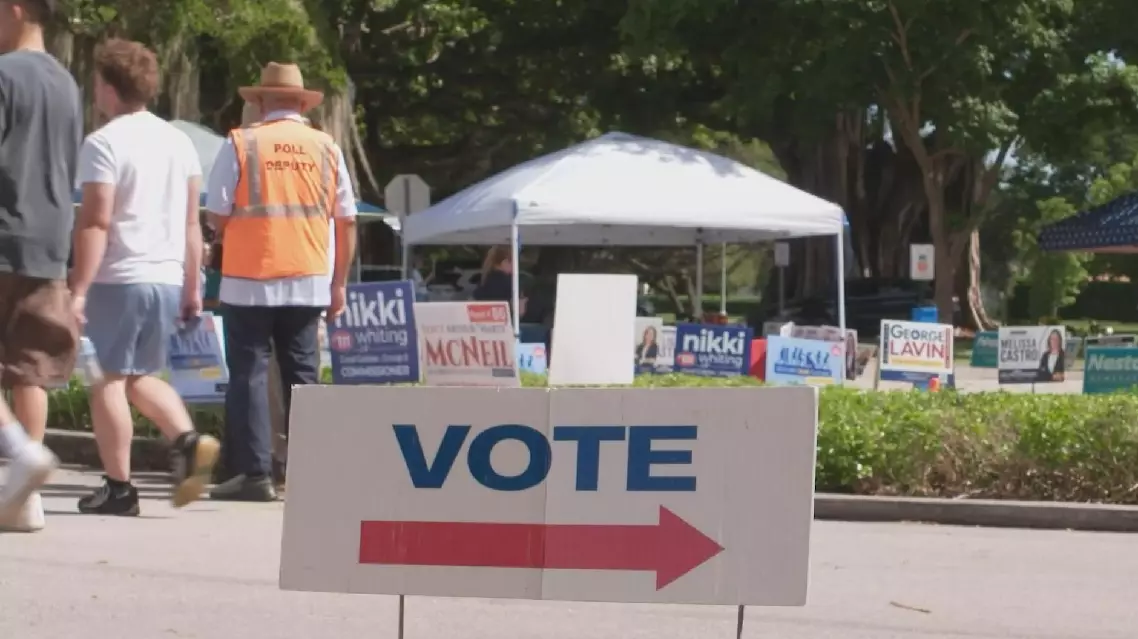
Rising costs, broken promises sway young US voters in upcoming midterm