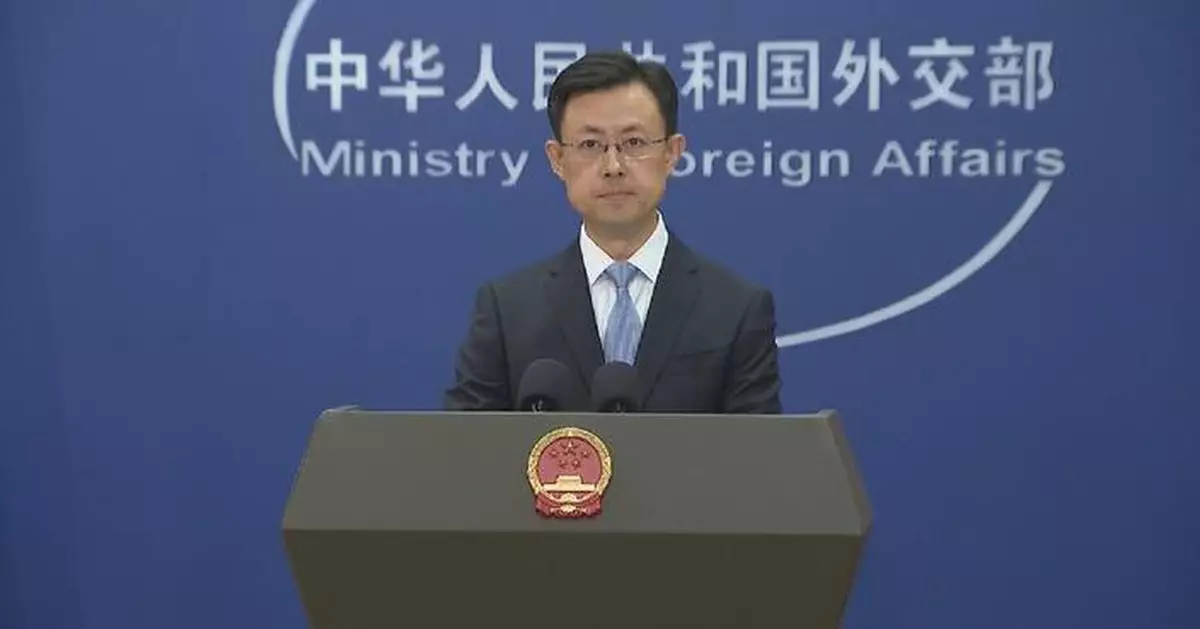
China welcomes more countries to join the World Artificial Intelligence Cooperation Organization to promote global AI development for good and for all with concrete actions, Foreign Ministry spokesman Guo Jiakun said at a press conference in Beijing on Monday.
Guo made the remarks in response to a media query about China's view on the role of AI capacity-building in global governance, as the country released the Progress Report on the AI Capacity-Building Action Plan for Good and for All at the 2026 Global Governance Forum (Xiong'an).
"Artificial intelligence is an emerging field in global governance, and a litmus test for the effectiveness of the global governance system. The global governance system would not become more just and equitable without the collective capacity enhancement of the Global South, and requires concrete efforts to strengthen the representation and voice of developing countries. China advocates for respecting the digital sovereignty of all countries. We believe that every country has the right to possess the foundational capabilities for independent AI development, and to seek a development path suited to its national conditions and practical needs, one that enables AI to be applied in real-world scenarios, address real problems, and generate sustained value," said Guo.
"As a responsible major country, China remains committed to providing global public goods in the field of AI. In 204, China promoted the adoption of a United Nations General Assembly resolution on enhancing international cooperation on capacity-building of artificial intelligence, established the Group of Friends for International Cooperation on AI Capacity-Building, and released the AI Capacity-Building Action Plan for Good and for All. Over the past two years, China has taken major steps and practical measures to honor its commitment in advancing the above-mentioned initiative," said the spokesman.
"Recently, at the 2026 Global Governance Forum (Xiong’an), China released the Progress Report on the AI Capacity-Building Action Plan for Good and for All, which systematically reviews the cooperation outcomes, practical experience and specific cases since the Action Plan was launched two years ago. The report identifies access to technology as the starting point and independent development as the goal, stresses the importance of demand-driven approaches, joint consultation and co-development for project delivery, and calls for promoting openness and open source and advancing AI models, data, and talent in a coordinated manner. Looking ahead, we welcome more countries to join the World Artificial Intelligence Cooperation Organization, to explore more pathways for international cooperation on AI capacity-building, and to promote global AI development for good and for all with concrete actions," he said.
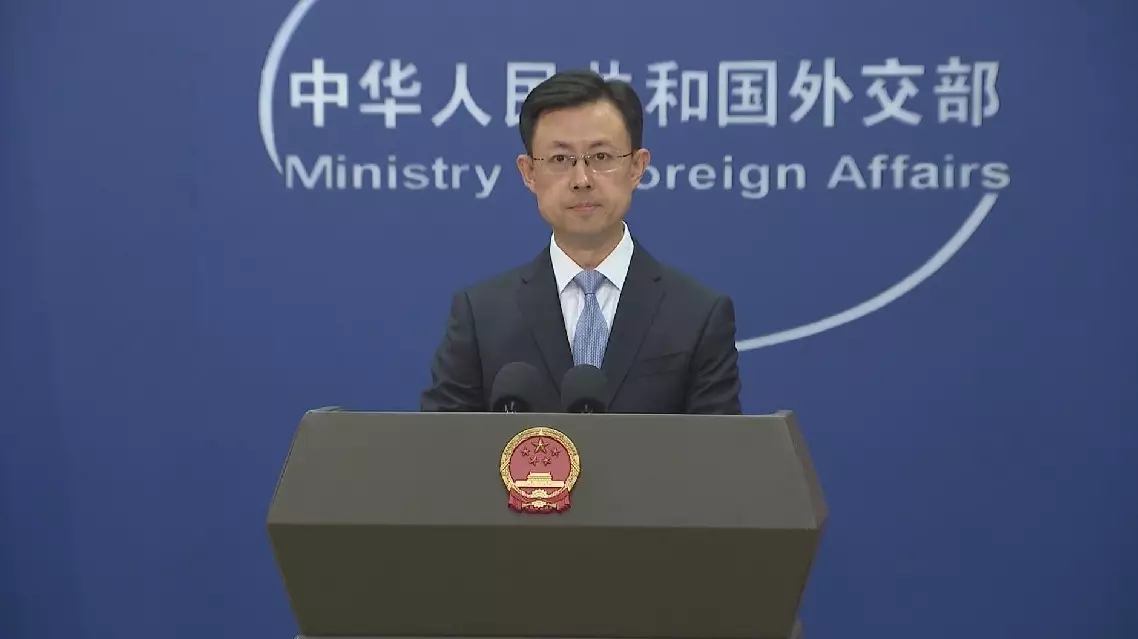
China welcomes more countries to join World Artificial Intelligence Cooperation Organization: FM spokesman
Violence involving Israeli settlers in the occupied West Bank is drawing growing scrutiny. For Palestinians facing attacks on their homes, families and livelihoods, there's little hope that the election will bring change.
Merzouk Abu Naim, a local resident, said Israeli settlers have taken everything from him, first his livestock, then his olive trees.
Five months ago, Merzouk Abu Naim's son was shot dead by a settler while trying to rescue students from a school under attack. A 14-year-old student was also killed, and others were injured. Still grieving his son, Abu Naim is struggling to survive.
"We used to have 43,000 dunams of land. Today, we have only 1,000 dunams left. That's all. The settlers have taken control of the rest with the help of the Israeli army. The settlers aren't acting alone. This is a settlement policy designed to drive people from their land by killing and stealing our livestock and destroying the trees. We can't even harvest our olives anymore. Look at this olive tree -- we can't even pick its olives. Every day, settlers attack vulnerable people who are simply trying to harvest their olives," said Merzouk Abu Naim, father of a Palestinian killed by Israeli settlers.
Hundreds of front lines in West Bank are dividing residential Palestinian villages from the Israeli settlements. There have been many unprovoked attacks by settlers towards Palestinians who are trying to reach their olive trees.
In recent years, especially in the past year alone, at least seven people have died and more than 400 locals have been injured, most of them by live bullets.
Al-Mughayyir village council head Amin Mohammed Abu Aliya has been a vocal critic of settler violence and what he calls a culture of impunity.
He says Israeli soldiers detained him without charge and tortured him -- beating him for hours until he lost several teeth and consciousness.
"Talking about the Israeli government, if someone tries to complain against the settlers, they would arrest the one who complains. For example, a group of settlers would attack a house, break things around, even try to burn it down, and if the house owner tries to bring the kids out or defend his family and himself, the army would immediately arrive and surround the house, then arrest the house owner as if he is the criminal," he said.
Settler violence has become an election issue in Israel, with opposition leaders accusing Prime Minister Benjamin Netanyahu of failing to confront what they call "settler terrorism."
But for Palestinians here, hopes for change remain slim.
"From our experience with Israeli governments and political parties, they don't differ when it comes to controlling, killing and oppressing the Palestinian people. The only thing they disagree on is the means used to kill us -- whether carried out by an Israeli soldier or a settler. We don't expect anything from a change in leadership, whether it is the same one or a new elected one," Amin Mohammed Abu Aliya said.
Until then, Palestinians across the West Bank will remain at the mercy of armed settlers, determined to drive them from their homes and lands by making their lives unbearable.
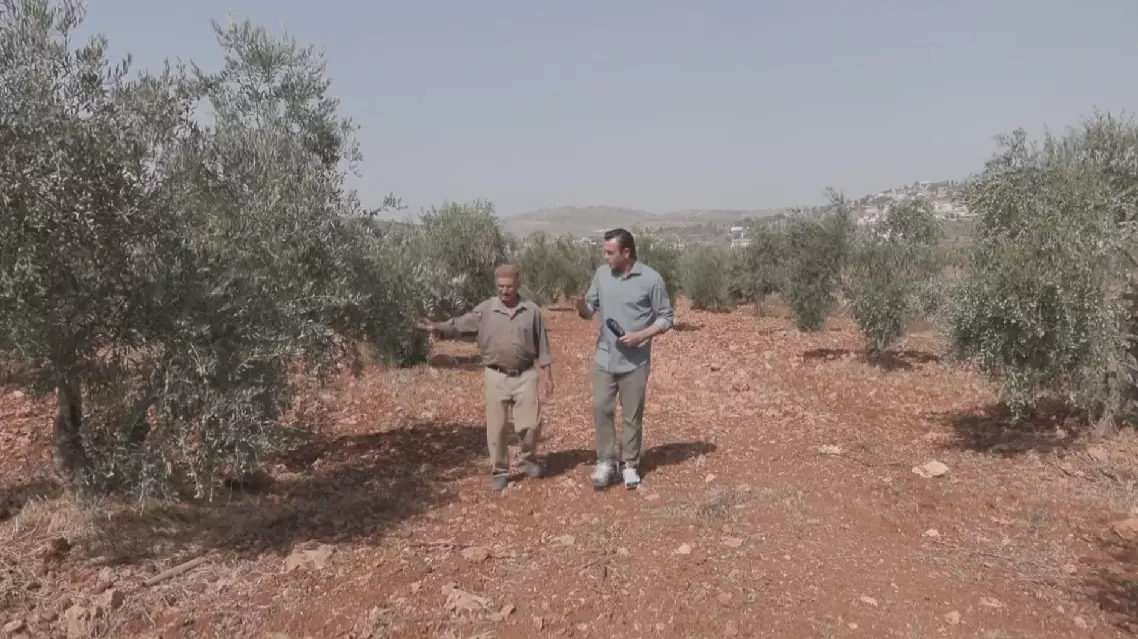
Violence involving Israeli settlers in West Bank draws growing scrutiny