PIKI SEEI, Suriname (AP) — Standing atop a giant block of wood, 63-year-old Alingo Doekoe bent over and swung a traditional pick, skillfully chiseling away shards of timber. Bit by bit, a board for Adji-boto, a traditional Saamaka game with roots in West Africa, was taking shape.
Here in Piki Seei — the Saamaka name for the village officially known in Dutch as Pikin Slee — tembe, the Saamaka tradition of woodcarving and decorative art, has long been part of everyday life.
Click to Gallery
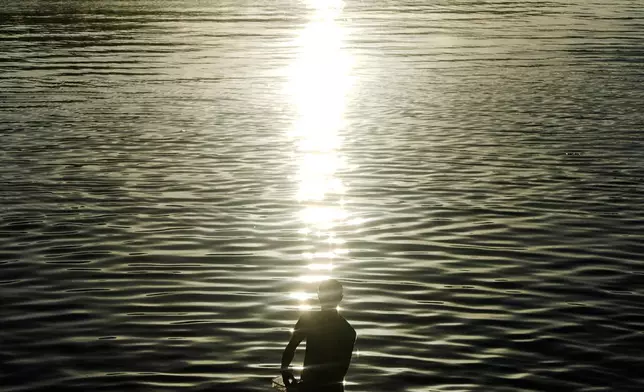
A man bathes in the morning in the Suriname River in Nieuw Aurora, Suriname, Monday, Sept. 28, 2026. (AP Photo/Ivan Valencia)
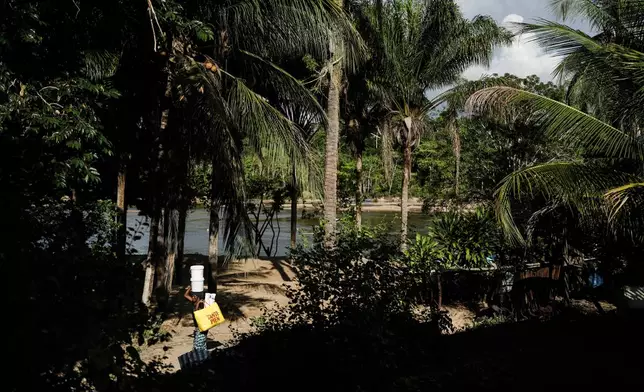
A woman from the Saamaka community carries goods from a market on her head in Pikienslee, Suriname, Monday, Sept. 28, 2026. (AP Photo/Ivan Valencia)
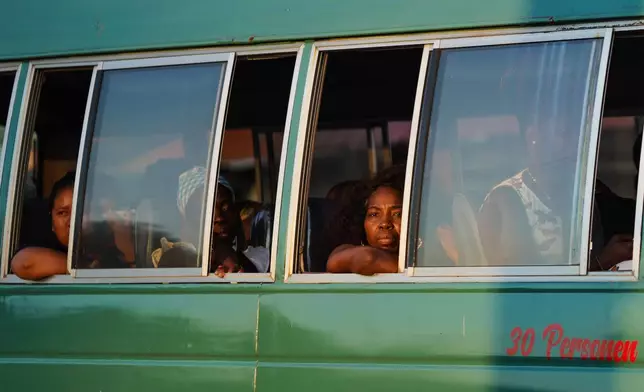
People are transported on a local bus in Paramaribo, Suriname, Friday, Sept. 25, 2026. (AP Photo/Ivan Valencia)
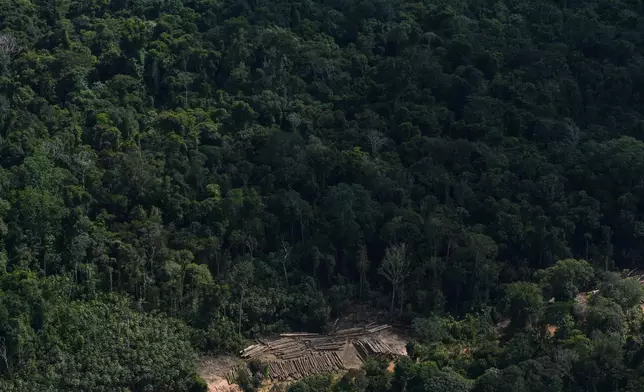
An illegal logging camp is visible in the Saamaka territory of the Amazon rainforest Wednesday, Sept. 30, 2026. (AP Photo/Ivan Valencia)
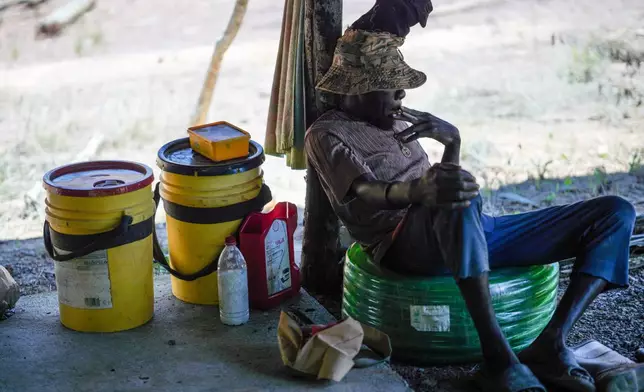
A gold miner rests in one of the mining camps on the outskirts of Paramaribo, Suriname, Saturday, Sept. 26, 2026. (AP Photo/Ivan Valencia)
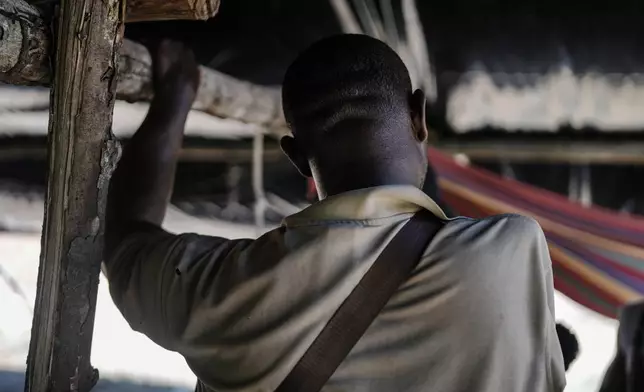
A Saamaka gold miner, who spoke on condition of anonymity for fear of reprisals from his employers, poses during an interview on the outskirts of Paramaribo, Suriname, Saturday, Sept. 26, 2026. (AP Photo/Ivan Valencia)
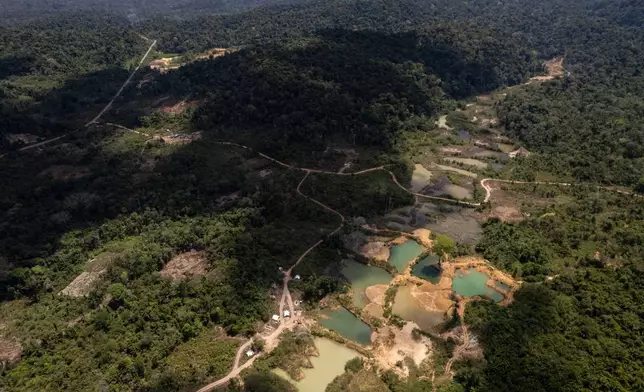
Illegal mining is visible in Saamaka territory of the Amazon rainforest outside Paramaribo, Suriname, Saturday, Sept. 26, 2026. (AP Photo/Ivan Valencia)
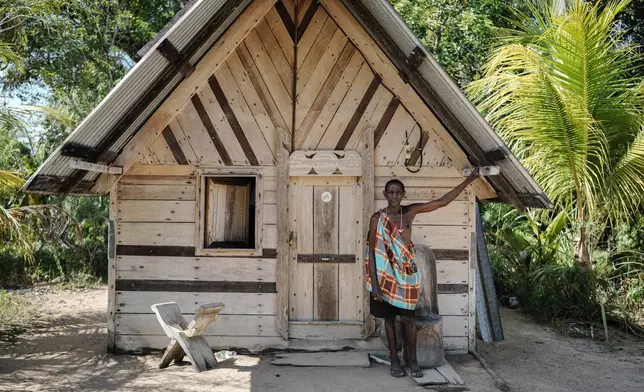
Alingo Doekoe, a Saamaka leader and wood carver, poses for a photo in Pikienslee, Suriname, Monday, Sept. 28, 2026. (AP Photo/Ivan Valencia)
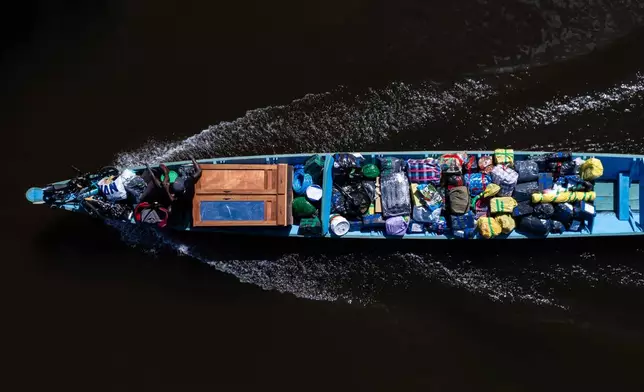
A boat transports personal items in Saamaka territory near Nieuw Aurora, Suriname, Wednesday, Sept. 30, 2026. (AP Photo/Ivan Valencia)
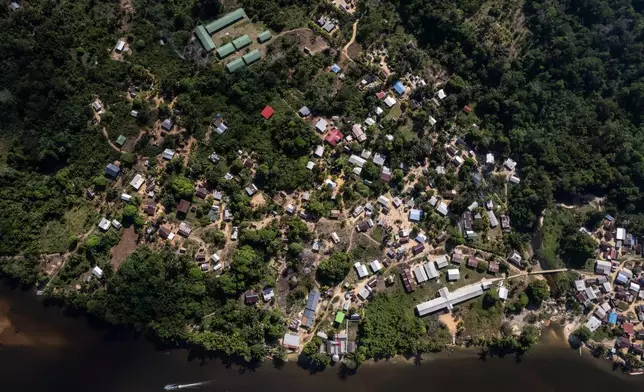
Homes are visible in the Saamaka territory, Nieuw Aurora, Suriname, Wednesday, Sept. 30, 2026. (AP Photo/Ivan Valencia)
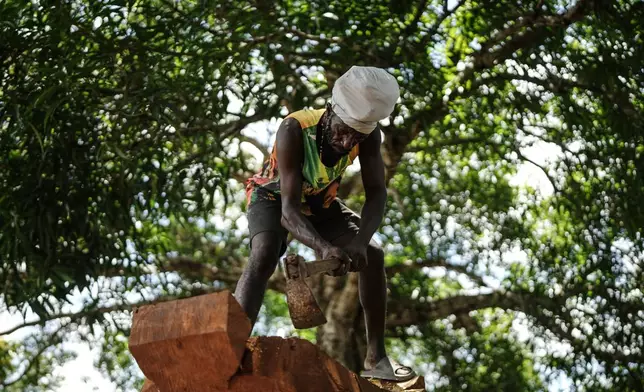
Josasath Liefde, a wood carver, chops wood in Pikienslee, Suriname, Monday, Sept. 28, 2026. (AP Photo/Ivan Valencia)

Josasath Liefde, a wood carver, works in his workshop in Pikienslee, Suriname, Monday, Sept. 28, 2026. (AP Photo/Ivan Valencia)
The Saamaka are one of six tribal peoples in Suriname whose ancestors escaped slavery during Dutch colonial rule, building independent communities in the country’s forested interior more than three centuries ago.
Mostly practiced by men and passed from fathers and elders to younger generations, tembe can be seen in everything from benches, paddles and boats to combs, doors and the wooden houses that line communities along the river. The surrounding forest has sustained Saamaka communities for centuries, providing food, building materials and resources central to their cultural traditions. But expanding gold mining and logging are putting increasing pressure on the environment, while drawing men away from their villages and traditional crafts.
For the carvers who remain, that shift is about more than the loss of an art form.
“Woodcarving is part of who we are,” Josasath Liefde, 50, a carver in Piki Seei, said. “It is a Saamaka tradition that will continue to live on.”
Tembe geometric designs can carry meanings and stories, while the craft turns wood into objects used in daily life.
Doekoe has spent decades carving wood and working to preserve Saamaka traditions. He is involved with Totomboti, a collective in Piki Seei that brings together carvers and works to pass cultural knowledge to younger generations.
Several of the carvers at Totomboti are Rastafarians, followers of a spiritual movement that originated in Jamaica in the 1930s and emphasizes African identity and a connection to nature. While Rastafari is not practiced by all Saamaka, the faith has a particularly strong presence in Piki Seei. Doekoe said he and other men in the village embraced it after recognizing similarities with their own spiritual traditions and knowledge of the natural world.
At their workshop, blocks of wood and shavings covered the ground as carvers worked on pieces in various stages of completion. Doekoe said they use fallen trees when possible and occasionally cut down others, taking care to limit their impact on the forest. According to the Totomboti collective, its woodworkers use just one or two logs a year, selectively harvesting hardwood trees suited to their craft.
But for Doekoe, woodcarving is about more than the objects they produce. Saamaka music, language and art preserve elements of the African cultures of their ancestors, who were forcibly transported to Suriname during the trans-Atlantic slave trade.
“There is knowledge hidden within our art,” he said.
Liefde learned from his father how to turn trees into objects his family and community needed. He makes benches and paddles and builds boats as long as 15 meters (49 feet).
“If you have to leave this place, you need a boat, and the wood used to make that boat comes from this forest,” he said. “So, this is our livelihood.”
Doekoe sometimes goes two months without selling anything. He said younger men can see others their age return from the gold fields with money to buy cars and other things, making mining an attractive alternative to carving.
Gold mining and logging, both legal and illegal, have expanded across Suriname’s forested interior, offering the possibility of income but bringing significant risks and environmental damage. One Saamaka gold miner, who spoke on condition of anonymity for fear of reprisals from his employers, said he knows those risks intimately.
In 2016, an excavator crushed his arm while he was working in a gold mine. He lost the arm, but eventually went back.
“I came back to this work because I have a goal I want to achieve, and I believe I can achieve it this way,” he told The Associated Press from beneath a makeshift shelter with a tarp roof shielding workers from the intense sun.
The miner supports two adults and five children and sees few alternatives capable of providing the money he needs. He hopes eventually to earn enough from mining to expand a chicken farm on land he already owns.
Before losing his arm, the man also carved traditional wooden hair combs. Many of the trees he used have since been cut down, he said, forcing people to travel farther to find suitable wood.
He still knows how to make the combs but is no longer physically able to do so.
His experience illustrates the complicated economic choices facing some Saamaka men. Mining can offer a way to pursue goals that require cash, even when the people doing it recognize its dangers.
“There is definitely pressure on young men to go into gold mining,” he said. “You have to make your own way in life.”
Liefde sees the departure of young men differently. He said he has warned his own children against working in the gold fields. He said some young men who left the village for work have died.
“The person who leaves may see it as an opportunity for himself,” Liefde said. “I see it as a loss for the village.”
In Piki Seei, some carvers are trying to make sure the next generation still has another choice.
Carvers associated with Totomboti have worked with local children, arranging lessons outside school hours where they learn to measure and shape wood and make objects themselves.
The Saamaka Museum in the village provides a place where carvings can be displayed and sold, while visitors from outside the community provide another market. Carvers who live or work elsewhere also return to the village to practice their skills.
Doekoe said tourism and sales to foreign visitors can give artists an incentive to remain in their communities. But preserving the craft is about more than finding buyers.
He described days at the Totomboti workshop when the men deliberately put down their tools. Instead of carving, they sit together, exchange ideas and tell stories handed down by their ancestors.
“It is spiritual, and it is life,” Doekoe said. “It lives in our stories.”
Young people still come to him wanting to learn. He might start a beginner with a small piece of wood, showing him how to mark and shape it into a hair comb that could then be given to a friend. But passing on those skills also depends on protecting the forest that provides the materials and inspiration for their work.
Doekoe warned that gold mining and logging are leaving damage he believes cannot be reversed, transforming waterways and destroying the conditions that allow forests to regenerate.
“The forest is no longer the same, and it will never recover to what God created,” he said.
And it is the next generation, he fears, that will bear the consequences.
The Associated Press’ climate and environmental coverage receives financial support from multiple private foundations. AP is solely responsible for all content. Find AP’s standards for working with philanthropies, a list of supporters and funded coverage areas at AP.org.
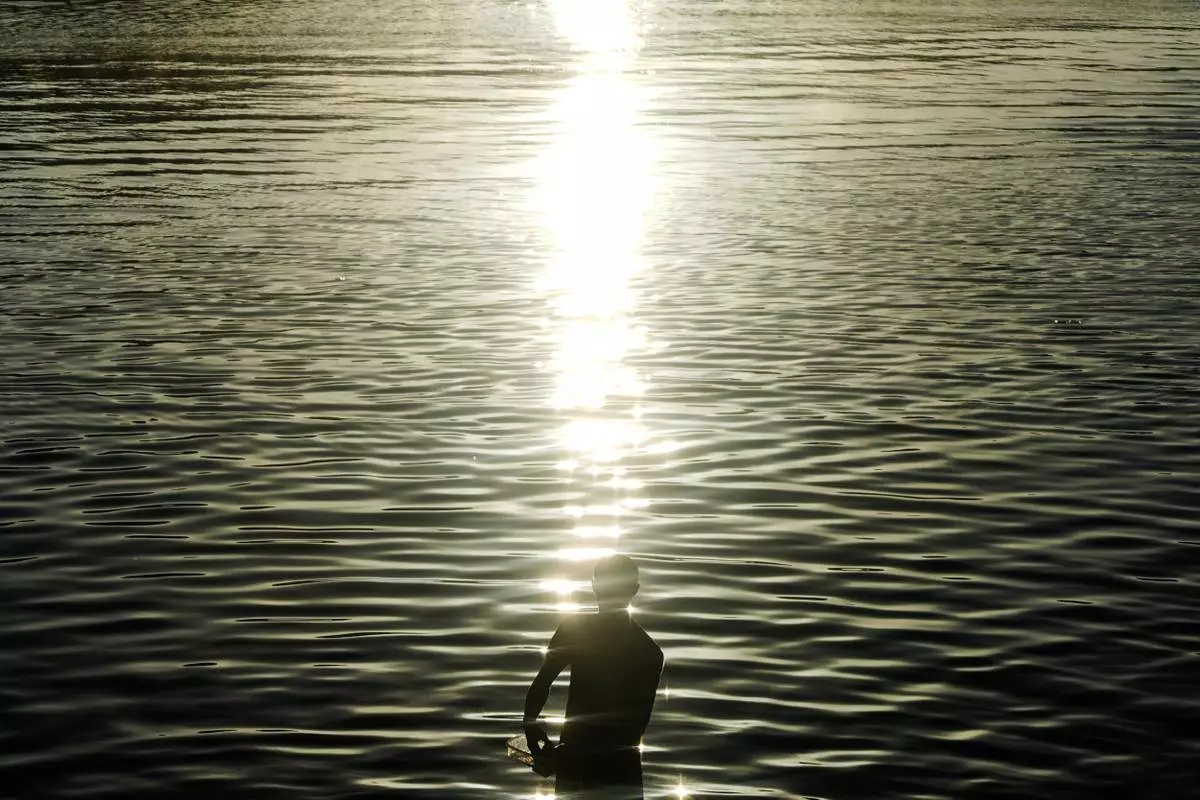
A man bathes in the morning in the Suriname River in Nieuw Aurora, Suriname, Monday, Sept. 28, 2026. (AP Photo/Ivan Valencia)
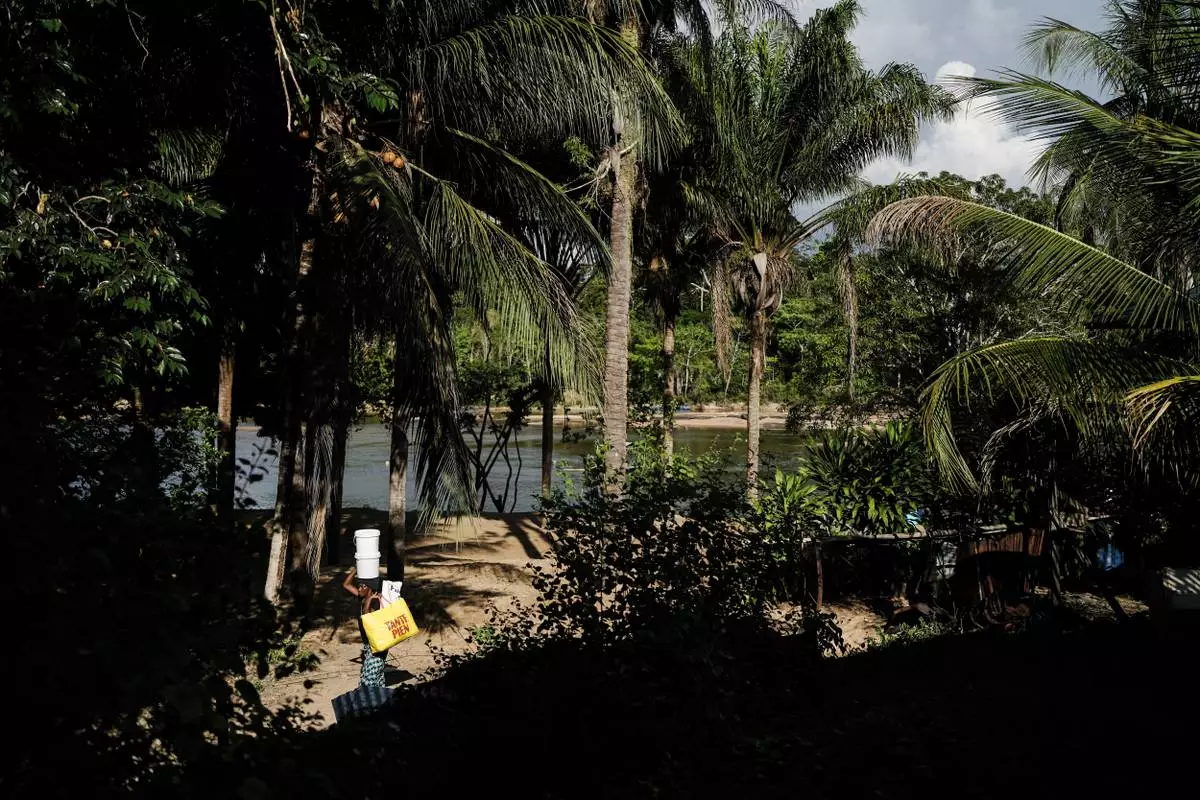
A woman from the Saamaka community carries goods from a market on her head in Pikienslee, Suriname, Monday, Sept. 28, 2026. (AP Photo/Ivan Valencia)
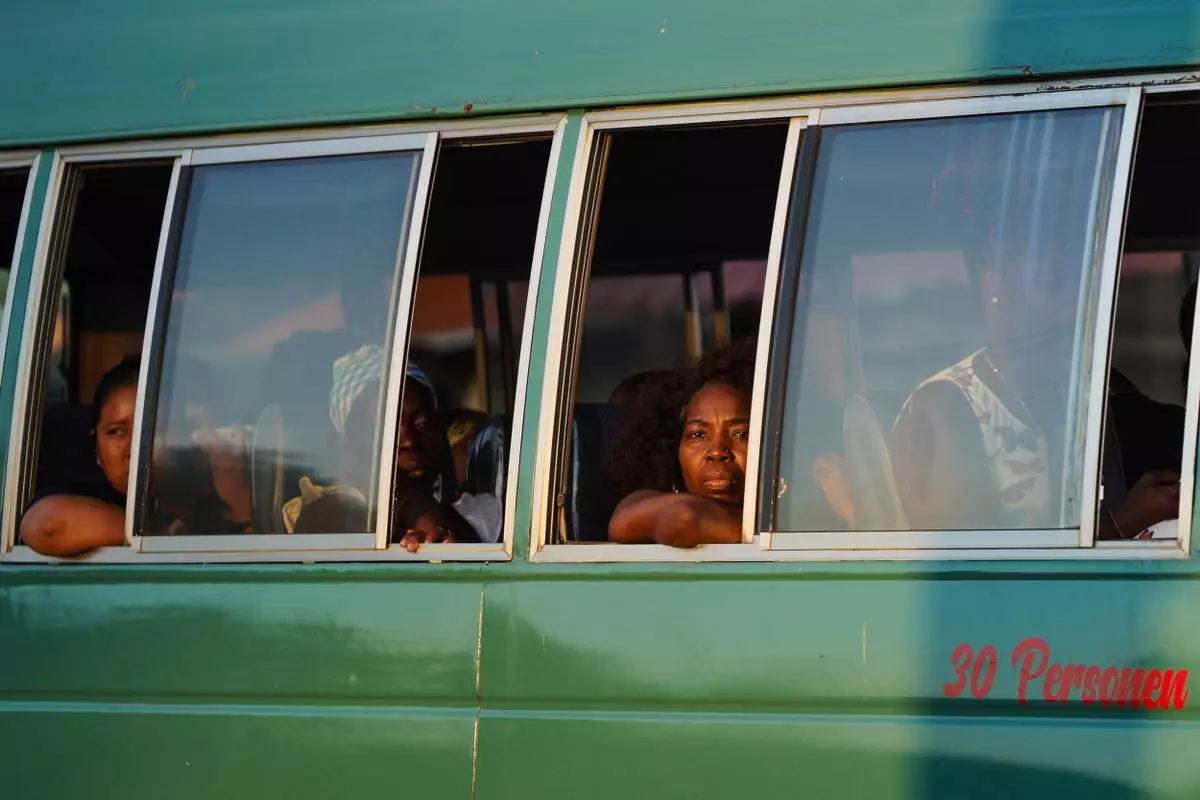
People are transported on a local bus in Paramaribo, Suriname, Friday, Sept. 25, 2026. (AP Photo/Ivan Valencia)
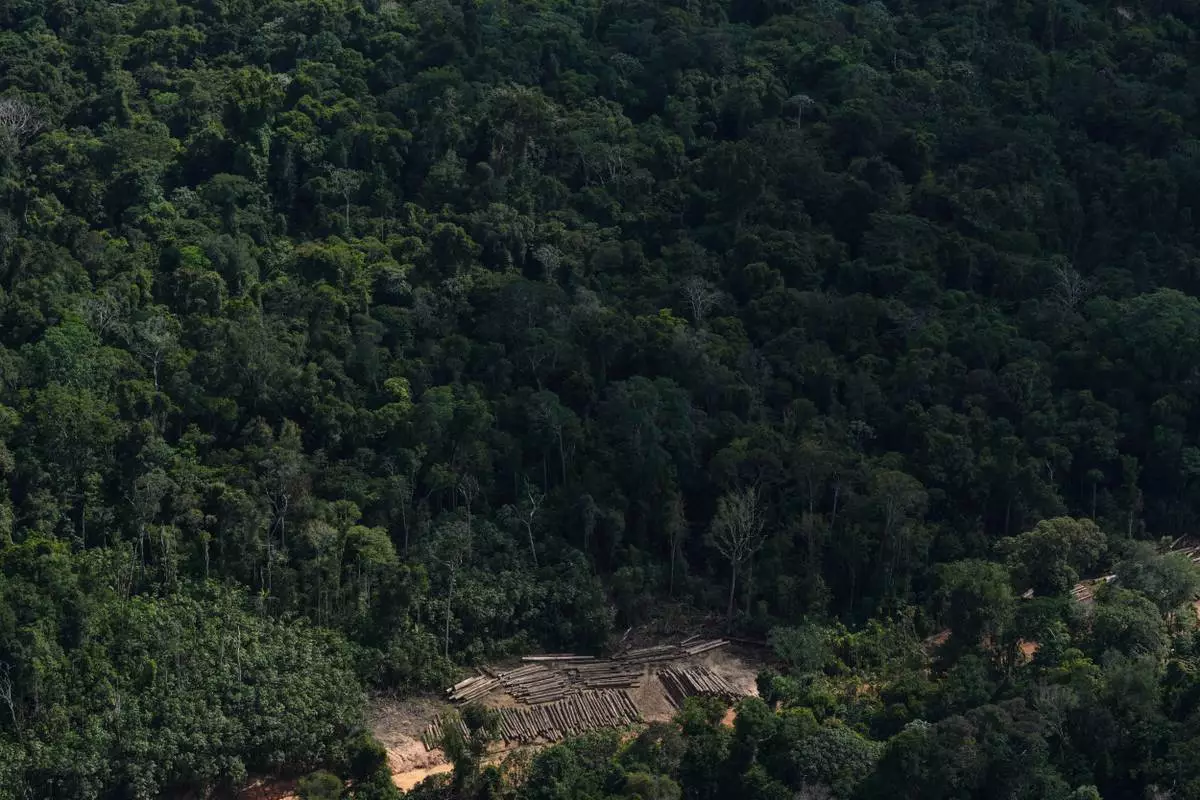
An illegal logging camp is visible in the Saamaka territory of the Amazon rainforest Wednesday, Sept. 30, 2026. (AP Photo/Ivan Valencia)
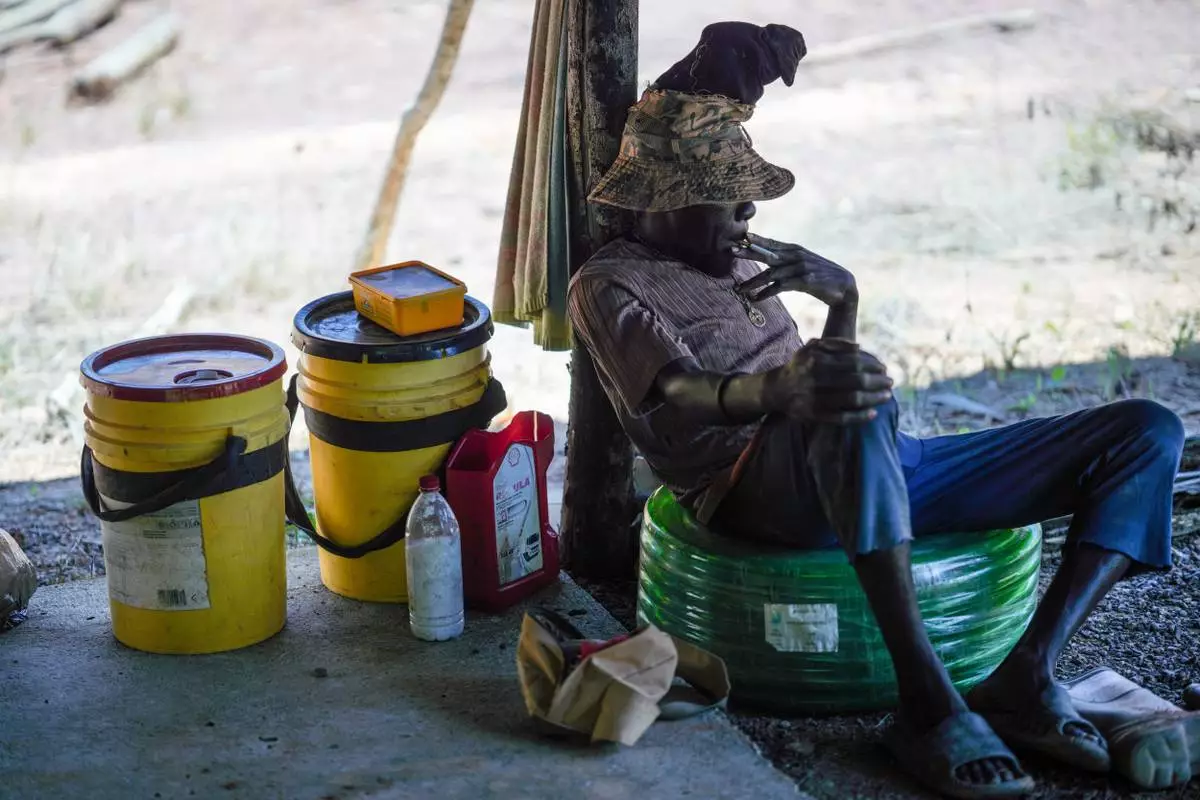
A gold miner rests in one of the mining camps on the outskirts of Paramaribo, Suriname, Saturday, Sept. 26, 2026. (AP Photo/Ivan Valencia)
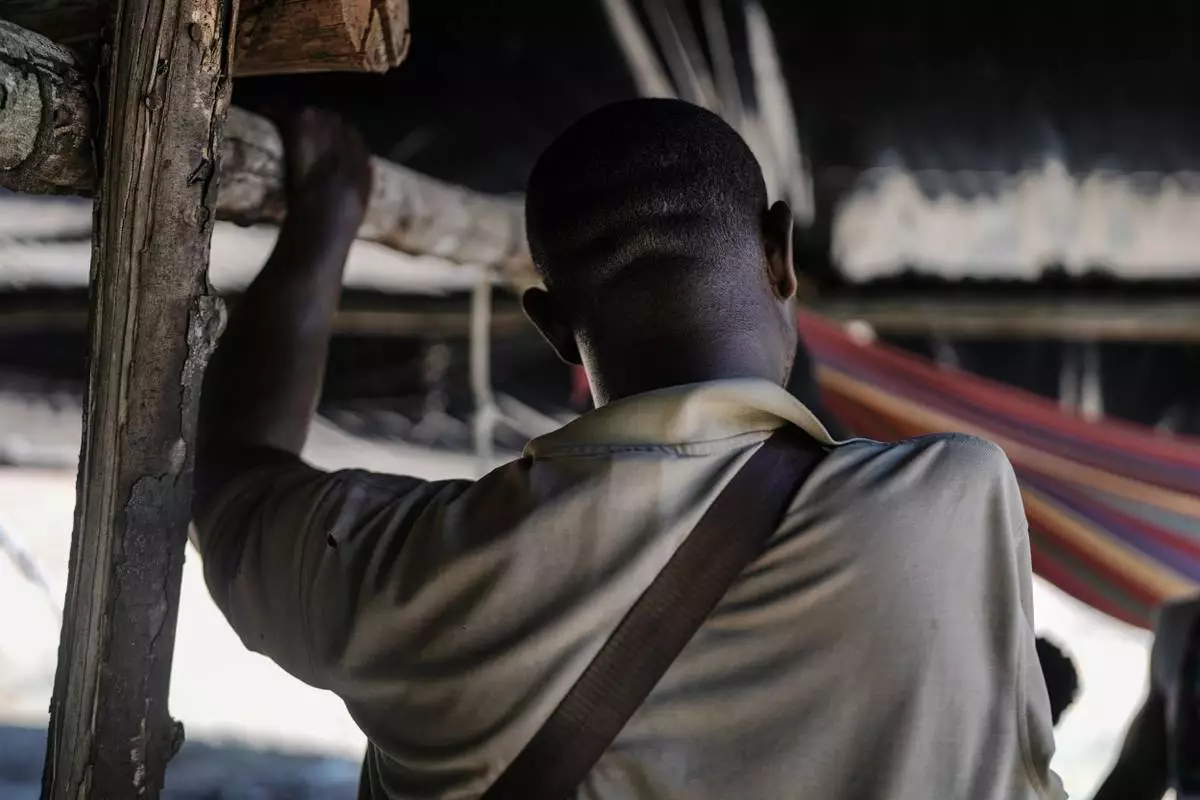
A Saamaka gold miner, who spoke on condition of anonymity for fear of reprisals from his employers, poses during an interview on the outskirts of Paramaribo, Suriname, Saturday, Sept. 26, 2026. (AP Photo/Ivan Valencia)
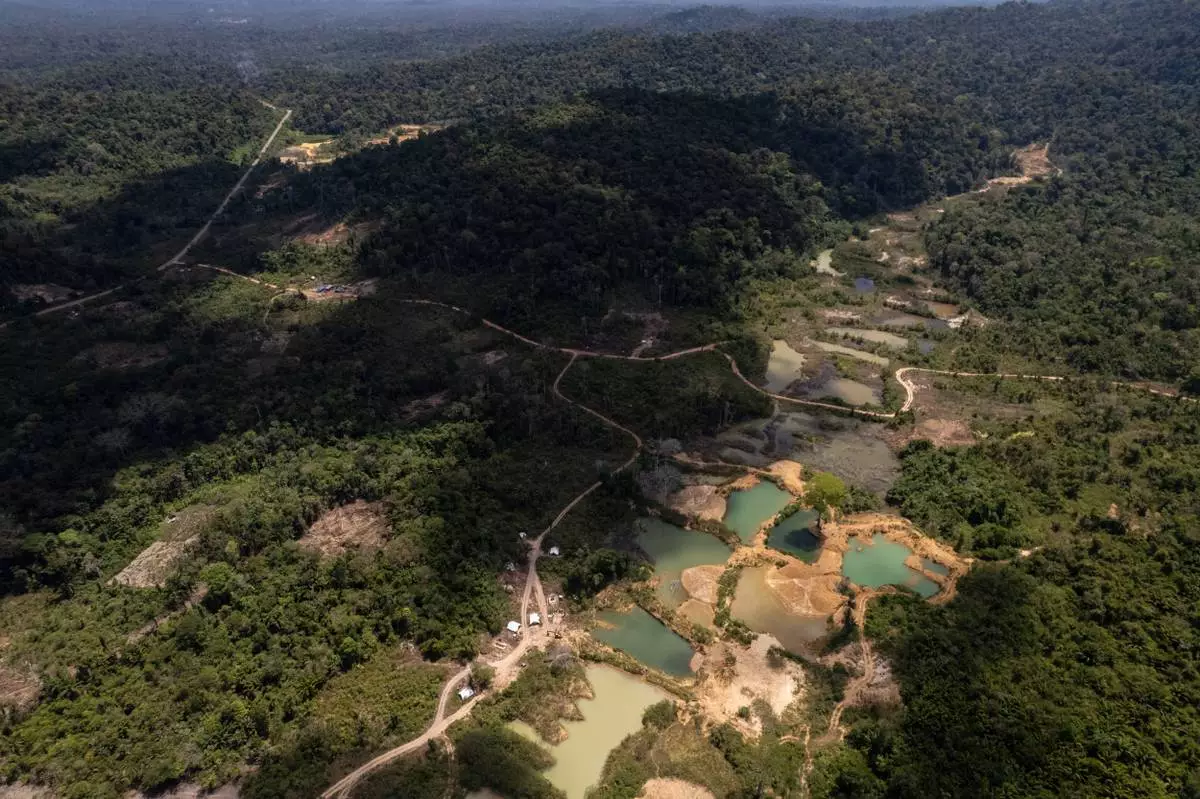
Illegal mining is visible in Saamaka territory of the Amazon rainforest outside Paramaribo, Suriname, Saturday, Sept. 26, 2026. (AP Photo/Ivan Valencia)
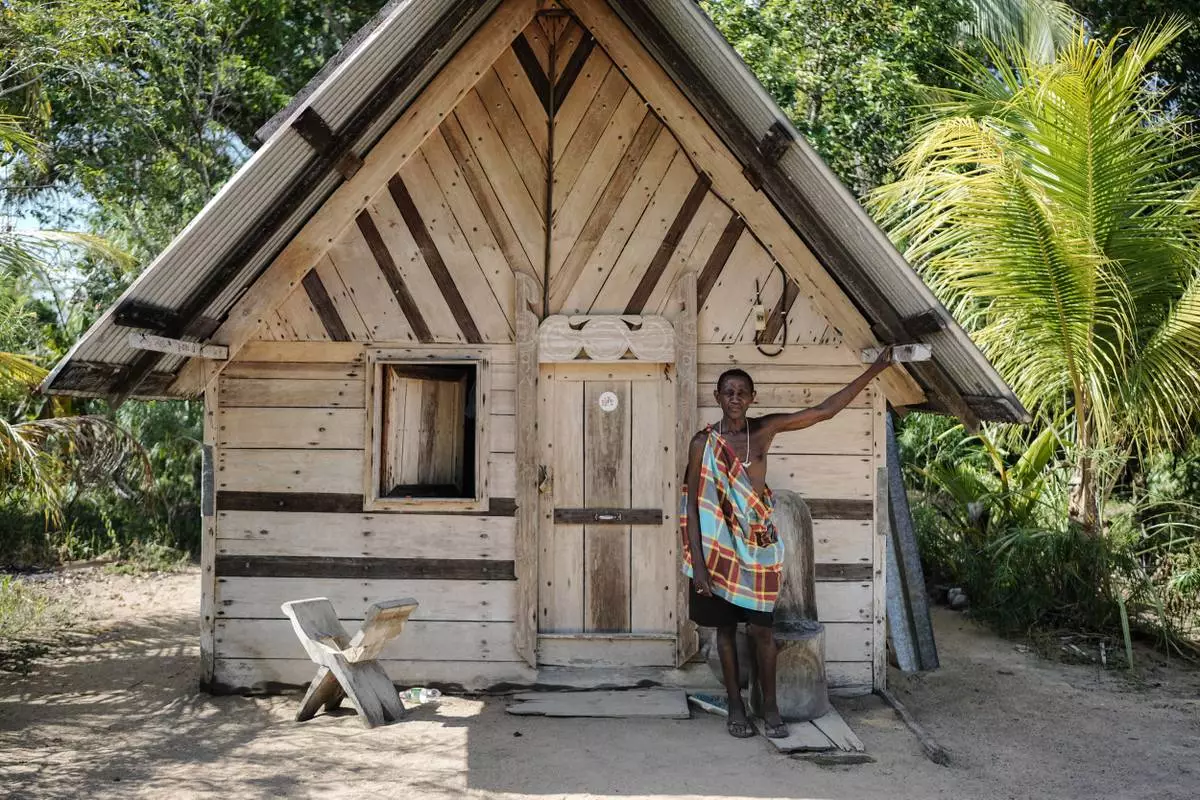
Alingo Doekoe, a Saamaka leader and wood carver, poses for a photo in Pikienslee, Suriname, Monday, Sept. 28, 2026. (AP Photo/Ivan Valencia)
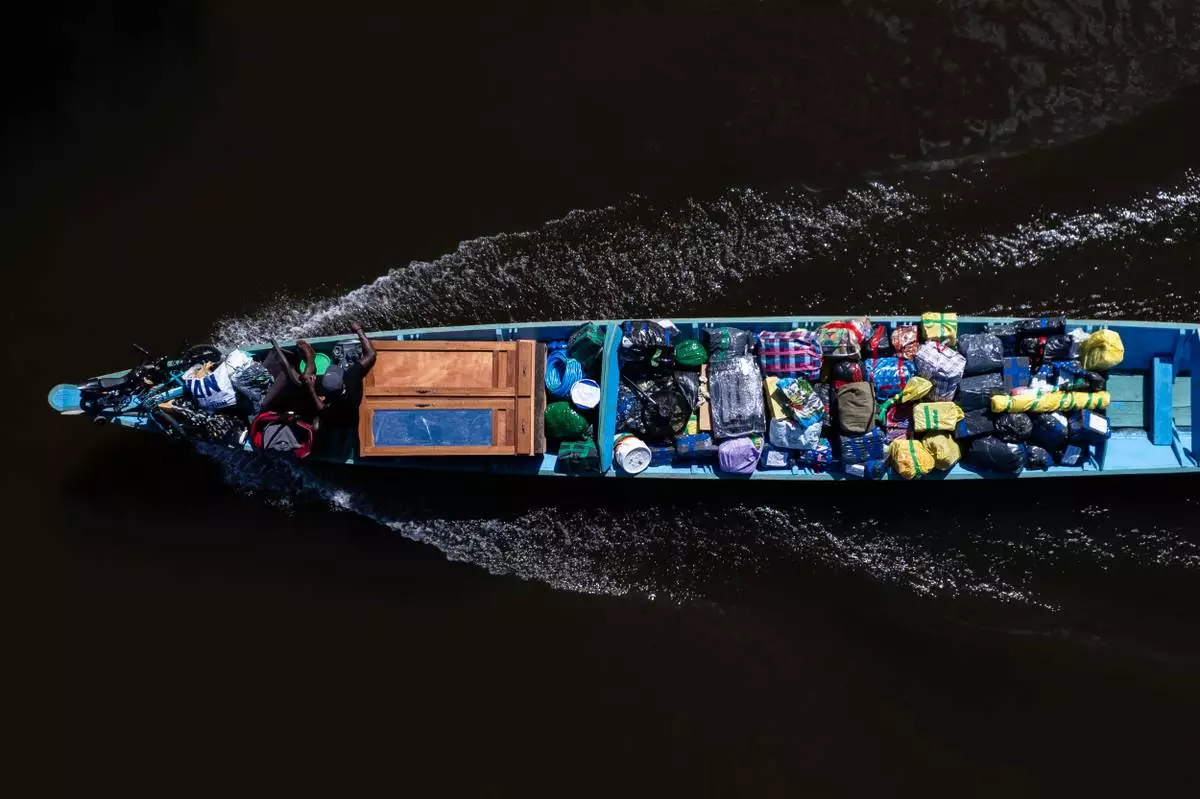
A boat transports personal items in Saamaka territory near Nieuw Aurora, Suriname, Wednesday, Sept. 30, 2026. (AP Photo/Ivan Valencia)
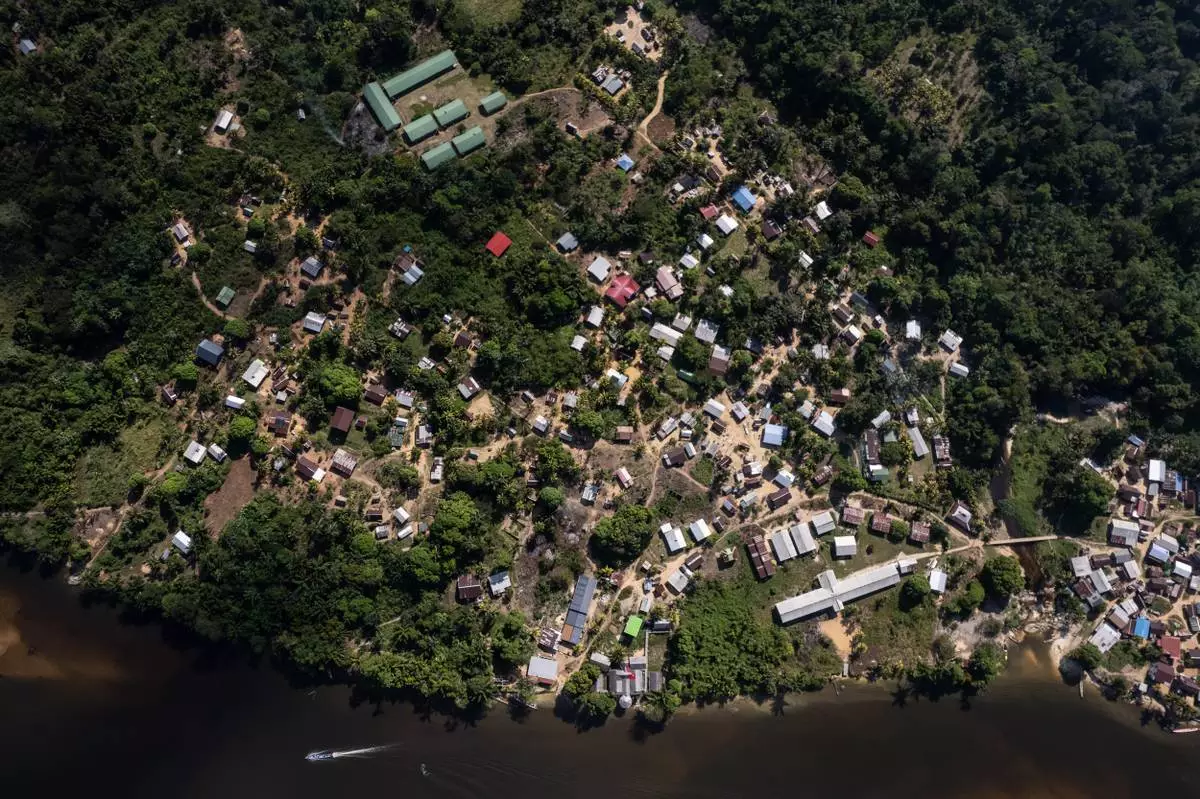
Homes are visible in the Saamaka territory, Nieuw Aurora, Suriname, Wednesday, Sept. 30, 2026. (AP Photo/Ivan Valencia)
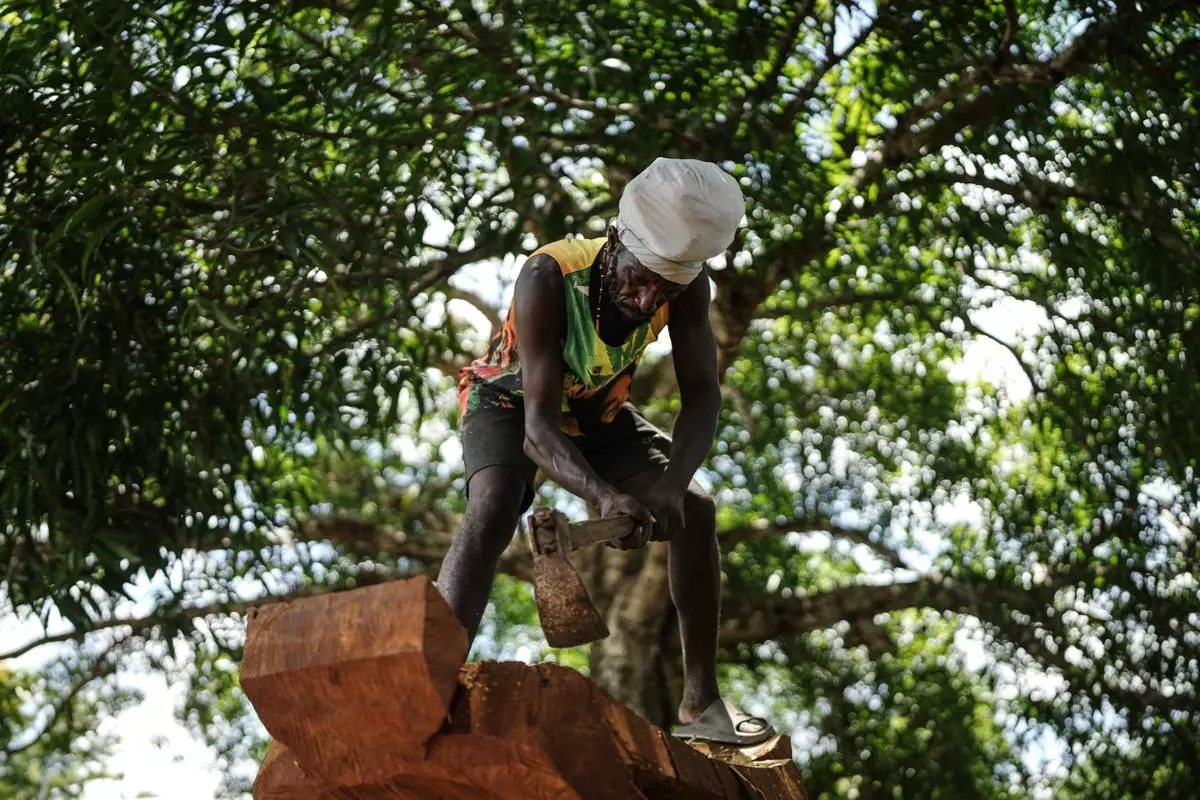
Josasath Liefde, a wood carver, chops wood in Pikienslee, Suriname, Monday, Sept. 28, 2026. (AP Photo/Ivan Valencia)

Josasath Liefde, a wood carver, works in his workshop in Pikienslee, Suriname, Monday, Sept. 28, 2026. (AP Photo/Ivan Valencia)