The U.S. Department of State has ordered the withdrawal of non-emergency government personnel and their dependents from Saudi Arabia due to escalating security risks following recent Houthi attacks on the kingdom's civilian infrastructure, the U.S. Embassy in Riyadh announced on Sunday.
According to the announcement, the evacuation order was prompted by a deteriorating security environment in the region. The alert specifically highlighted recent Houthi strikes targeting civilian airports and other critical facilities within Saudi Arabia.
The U.S. embassy noted that these assaults have resulted in civilian casualties and caused severe disruptions to transportation networks, cautioning that such hostile actions could escalate rapidly and pose continued threats to public safety.
Yemen's Houthi group said on Saturday that it had launched seven missile and drone attacks on airports, oil facilities and a military base across Saudi Arabia, as heavy Saudi-led airstrikes hit various Houthi-held areas of Yemen.
Houthi military spokesman Yahya Sarea said in a statement broadcast by Houthi-run al-Masirah TV that the group had used ballistic missiles and drones in the attacks targeting airports, oil facilities and a military base in the Saudi cities of Riyadh, Yanbu, Rabigh, Dammam, Najran and Khamis Mushait.
Sarea said King Khalid International Airport in Riyadh was targeted in two stages. Other attacks struck targets including Saudi Aramco facilities in Yanbu and King Fahd International Airport in Dammam.
Yemen has been mired in conflict since late 2014, when the Houthis seized the capital Sanaa and much of the country's north. A Saudi-led coalition intervened in 2015 in support of the internationally recognized Yemeni government.
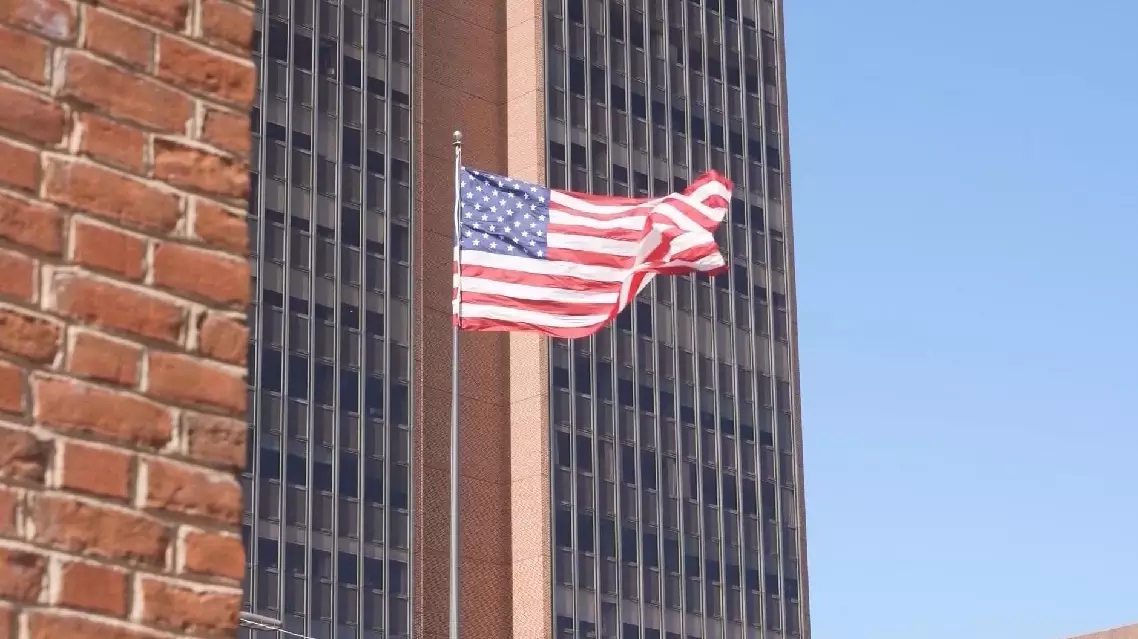
US orders non-essential gov't staff, families to leave Saudi Arabia amid escalating security risks
Israel is scheduled to hold parliamentary elections on Tuesday, its first national vote since the Oct. 7, 2023 outbreak of the Palestine-Israel conflict, amid deep divisions among voters over national security and the country's political direction.
Ahead of polling day, voters interviewed by China Global Television Network (CGTN) in Jerusalem identified security concerns and whether to continue supporting Prime Minister Benjamin Netanyahu as key issues shaping their electoral choices.
"The most topic issue for me is the security of the country and what we deal with, and second also the unification of our country, of our people. So, for the unification of the country, I will say that I would support the others, not Netanyahu. But for the safety of the country, I think Netanyahu is the best manager of the situation right now, so I would vote for him probably," said Benny, a Jerusalem resident.
Still, prolonged geopolitical tensions and ongoing fighting have shaken many voters' confidence in the incumbent government's ability to ensure national security.
"I think that this has been an absolute failure; someone who put himself as Mr. Security, I think we're in a worse position than we were. The stalemate that we have with Iran, we haven't accomplished our goals. Politically, we're in a worse situation than we were before. And again, with Hezbollah, despite the military successes, we're still stuck there again. And so all this is a stalemate, he hasn't been able to prove himself, he's not able to move forward," said Evan, another resident.
Meanwhile, some moderate voters are calling for greater unity among different social and ethnic groups within the country, arguing that this is a more pressing priority than security concerns.
"I am most concerned about social issues, there seems to be a big divide in Israel between left and right. I think we need more unity," said Jerusalem resident Raphael.
For peace advocates, ending the Palestine-Israel conflict and the occupation, and promoting coexistence among different communities, remain top priorities. Many ordinary citizens say they are tired of political polarization and prolonged conflict, and are calling for meaningful change.
"Security means peace and it means that taking care of what we did in Gaza and to let people, Jews, Arabs, all nations to live here in peace. Settlers are able to do whatever they do because on their side there are the army and the police, and I hope that there would be someone else on top that really wants to solve it. We didn't achieve anything; we didn't achieve it. It all went the wrong way," said Jerusalem resident Tamara.
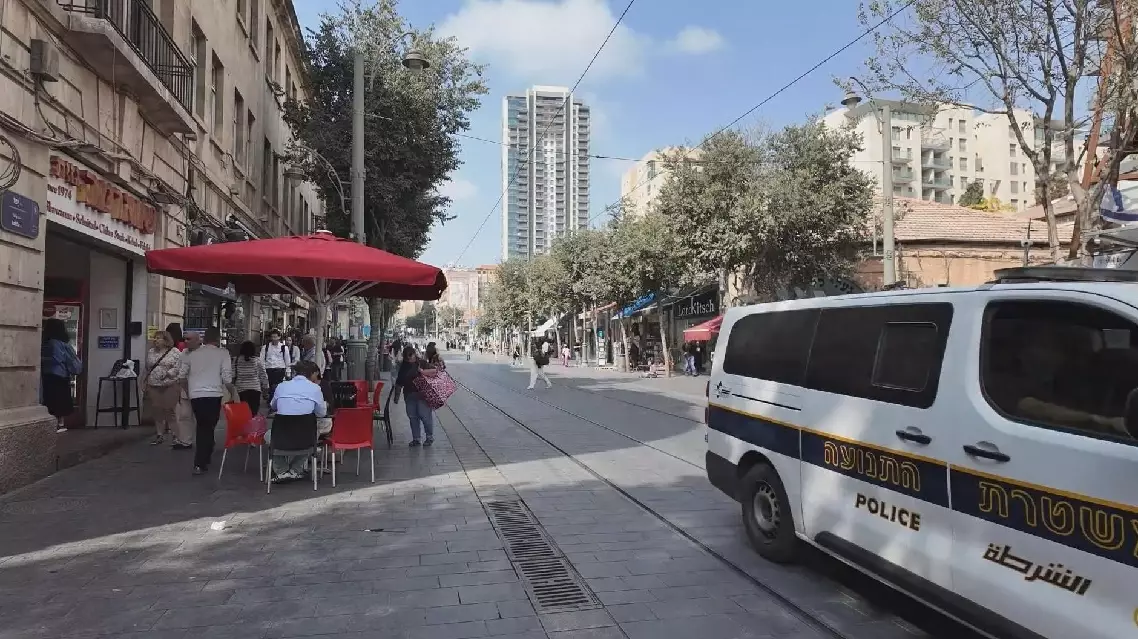
Israeli voters divided ahead of national elections