As the United States approaches November's midterm congressional elections, slower hiring, mounting financial pressures on households and shifts in the labor market are weighing heavily on voters' decisions.
U.S. employers added only 29,000 jobs in September, while the unemployment rate stood at 4.2 percent -- a figure that is low by historical standards, according to the latest federal labor data released by the U.S. Bureau of Labor Statistics.
Mark Hamrick, chief economic analyst at The Hamrick Brief, said hiring has slowed despite the U.S. economy being considered at full employment, making it harder for job seekers to find work and potentially prolonging periods of unemployment.
"We're not seeing a large number of jobs added, we're not seeing robust sector participation and so that leads to longer job search times. It can also lead to longer periods of unemployment," he said.
Household budgets have come under additional pressure as wage growth cools. Average hourly earnings rose 3 percent year over year in September, the slowest pace since May 2021 and below the month's inflation rate of 3.7 percent.
Many New York residents have been forced to cut back on spending as prices rise.
"Cut back on driving a little because the cost of gas is high," one resident said.
"Instead of going to a gourmet cheese store. I buy cheese here because I love cheese and baguette," said another resident shopping at a street market.
The figures paint a difficult picture for households struggling to keep up with rising costs for everyday necessities and occasional treats.
John Grace, president of Investor's Advantage Corp., highlighted the gap between official economic indicators and Americans' everyday financial realities.
"Having a job and feeling financially secure are two different things. So, the midterms could come down to the difference between economic statistics and economic experience. It's one thing to read the statistics, but of course, ordinary people are at the breakfast table looking at their situation and seeing that it's just not as rosy as some would like us to believe," he said.
Meanwhile, the Trump administration has presented an optimistic picture of the U.S. economy. But weak hiring and persistent cost-of-living pressures could become political liabilities for Republicans, who have traditionally enjoyed greater voter confidence in their ability to manage the economy.
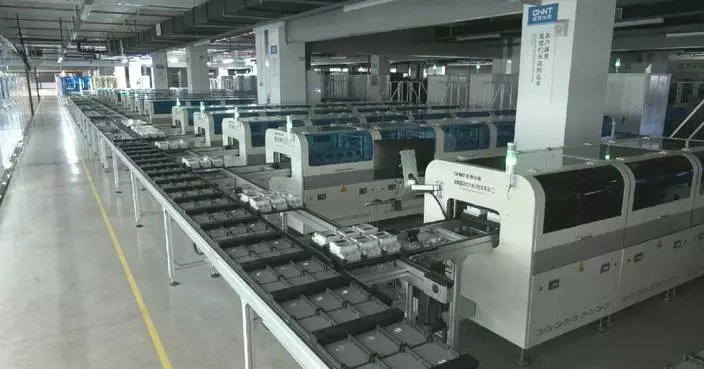
Trump has championed import tariffs as a way to bring manufacturing jobs back to the United States. Yet the promised revival has not materialized in employment figures. Although manufacturing payrolls have grown modestly this year, the sector still employs fewer workers than when Trump returned to the White House in January 2025. Public opinion polls also indicate growing skepticism toward his tariff policies.
The rapid adoption of artificial intelligence across corporate America is also posing challenges for young college graduates, as hiring slows for entry-level positions in industries exposed to AI.
While Trump has highlighted relatively low unemployment as a sign of economic strength, his political opponents have focused on rising living costs. Grace also questioned whether Trump's economic promises have delivered meaningful benefits for ordinary Americans.
"He (Trump) painted a picture that everybody wanted to sign up for, but again, it's the gazillionaires that got all the goods, and the rest of us, not so much," Grace said.
Weak hiring, rising living costs weigh on US voters ahead of midterms