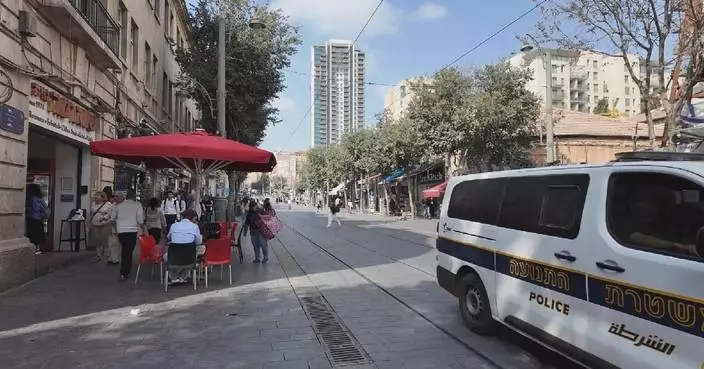
Senior officials from Iran, Saudi Arabia, Pakistan and Türkiye met in Tehran on Monday and agreed to continue talks to strengthen cooperation on promoting peace and security in the region.
The meeting, the first of its kind among the four countries, was hosted by Secretary of Iran's Supreme National Security Council Mohsen Rezaei, and attended by Saudi Defense Minister Prince Khalid bin Salman bin Abdulaziz Al Saud, Pakistan's Chief of Army Staff Field Marshal Syed Asim Munir, and Türkiye's National Intelligence Organization Director Ibrahim Kalin, a statement issued after the meeting said.
"The participants agreed to continue discussions aimed at strengthening cooperation among the four regional countries, including in the realm of peace and security in the region," the statement said.
Speaking at a separate meeting with the senior officials from the Mecca Defense Alliance countries on Monday, Iranian President Masoud Pezeshkian said Tehran supports any understanding that leads to unity, solidarity, security and development in the region, according to a statement published on the website of his office.
Pezeshkian accused Israel of committing "acts of violence and widespread crimes" in West Asia with "U.S. support," urging Muslim states to guard against "interventionist and divisive" moves and play an active role in regional stability.
He reiterated that Iran does not seek to develop nuclear weapons and wants to continue its nuclear activities within the framework of its international rights and obligations.
Saudi Arabia, Pakistan and Türkiye on Aug. 7 signed the Mecca Joint Defense Agreement, under which an attack on one member is seen as an attack on all.
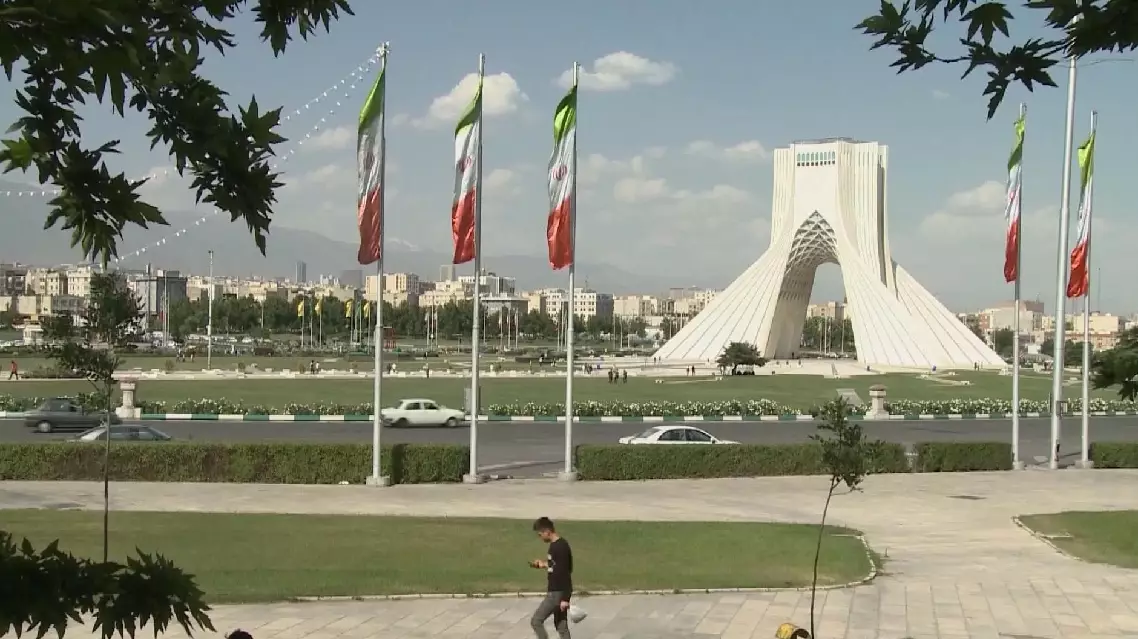
Mecca pact countries, Iran agree to continue talks on regional peace after Tehran meeting
Global buyers are converging on the ongoing 140th China Import and Export Fair in Guangzhou, south China's Guangdong Province, where competing suppliers gathered under one roof allow them to compare products, quality and prices side by side, with many extending their trips beyond the exhibition halls to the factory floors that ring the city.
Also known as the Canton Fair, the biannual event is China's largest and longest-running comprehensive trade fair and a widely watched barometer of the country's foreign trade.
For the buyers streaming through the bustling halls, the fair's value lies in that concentration, the ability to move between countless suppliers in a single space and weigh offers directly against one another.
"The beauty about Canton Fair is all these different suppliers are all together. So you can go from one supplier to another, to another. Compare their products, quality as well as price, and you put them all together and then you make a decision. Makes it absolutely fantastic. We would like to come again and again and again. Once you come to China once, you will come many times. Next year, we will be here again," said Humphrey Muturi, a buyer from Kenya.
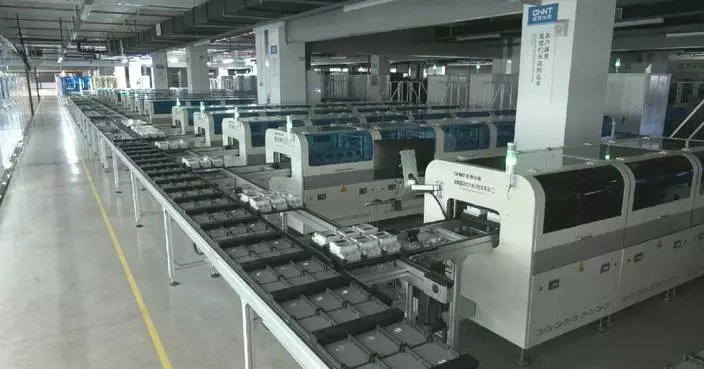
The sourcing journey often continues well beyond the exhibition venue, as Guangzhou sits in the Pearl River Delta, one of China's manufacturing heartlands, where many factories lie just an hour's drive from the fairgrounds.
Buyers frequently take the opportunity to visit production sites in person, where they can observe assembly lines in operation and see the manufacturing process up close.
"Once you go to one company, you get to learn all the manufactured items, you go to the next, you can compare how they operate. You can come to [understand and learn critical information], you can ask them questions and interact, and give them the specification that you are looking for. And they help very fast," said Titus Muthomi, another buyer from Kenya.
That direct access is backed by China's complete industrial chain and stable manufacturing capability, which enable suppliers to offer full-package solutions and customized services to overseas buyers, rather than one-off sales.
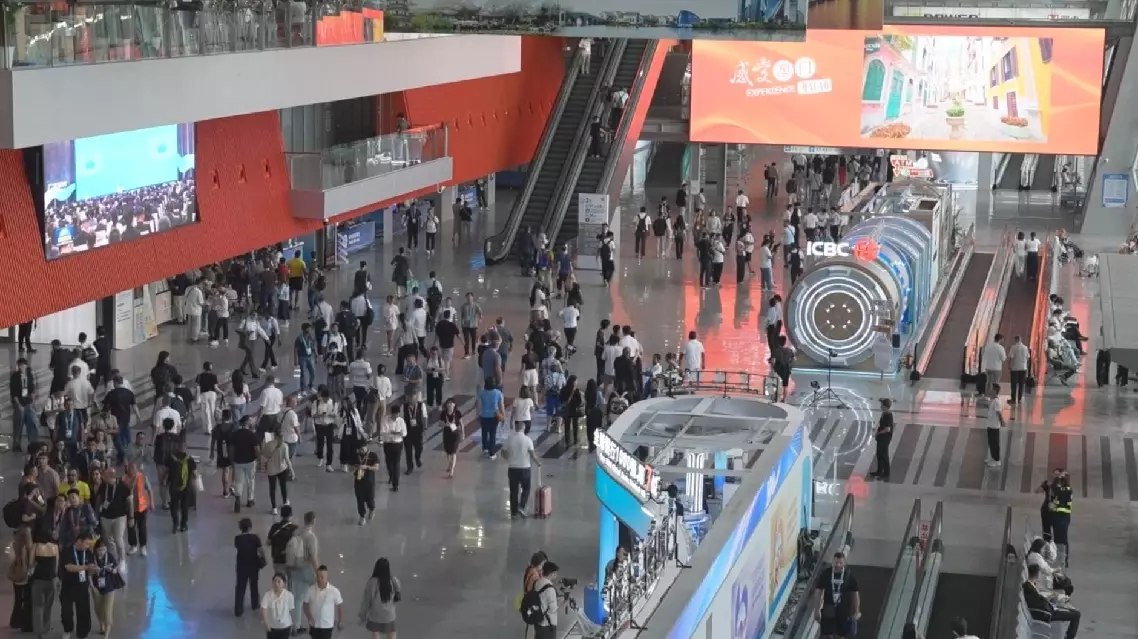
Canton Fair puts China's entire supply chain within global buyers' reach