BUNIA, Congo (AP) — The fast-moving Ebola outbreak in Congo has reached 10,000 confirmed cases, government data showed Tuesday, as health authorities race to slow the spread of the disease in multiple African countries.
It is the fastest-growing Ebola outbreak in history and nearly half of the 10,060 confirmed to have the virus have died, according to data from Congo’s Ministry of Health. That also makes it the deadliest outbreak of the disease in the country’s history.
The outbreak declared in May is caused by the rare Bundibugyo virus, for which there is no approved vaccine or treatment. Response teams are battling armed conflict, poor roads and violence from residents fueled by mistrust and misinformation. Those obstacles compound the challenge of persuading people to report symptoms and accept care in communities that have endured years of violence and repeated epidemics.
Compared to the West Africa Ebola outbreak of 2014-2016 – history’s largest and deadliest with more than 28,000 cases, including over 11,000 deaths – this has had at least three times the number of cases and number of deaths in the time since it was declared.
It has spread farther across Africa than any previous Ebola outbreak, reaching three regions with cases recorded in Kenya and Nigeria as well. It’s so far been recorded in five countries including Uganda and France, both of which have no active cases at the moment.
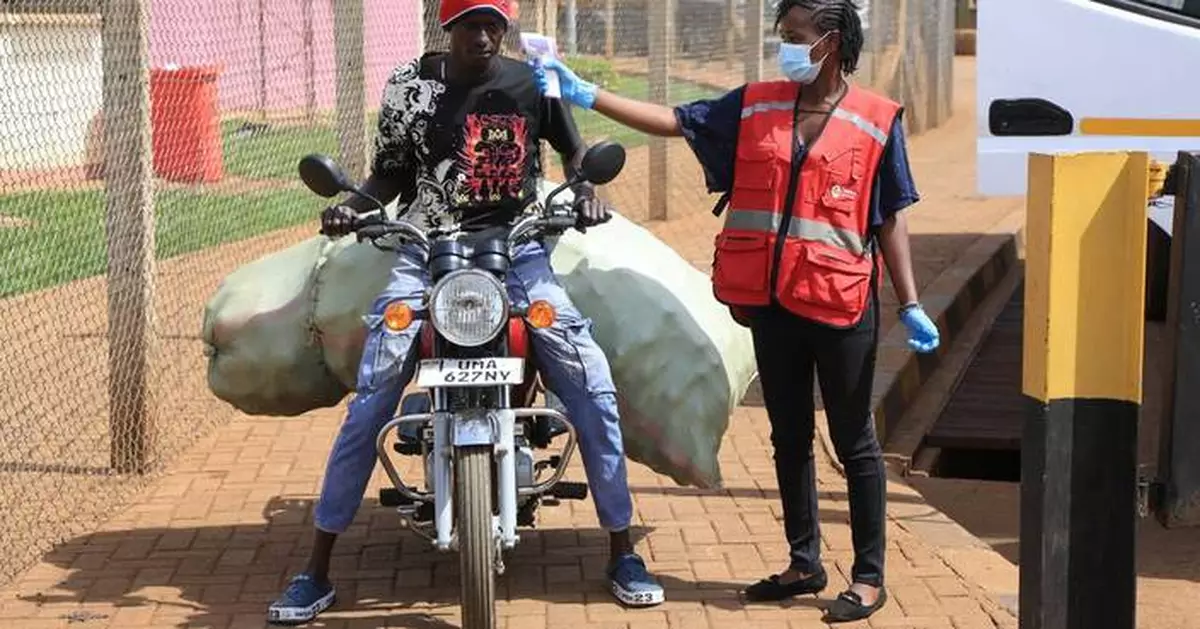
A recurring problem in the spread in Africa is what appears to be lax surveillance efforts as most of the first cases were confirmed long after people started showing symptoms or after traveling.
African health ministers are to hold a virtual summit on Wednesday to strengthen the continent's collective response. “Ebola is crossing borders. Our response must move faster, with stronger coordination, greater solidarity and decisive political leadership,” Dr. Jean Kaseya, head of Africa CDC, has said.
At least 2,600 patients have recovered from the disease in Congo, bringing rare moments of joy to affected communities. A viral video this week showed health workers in full protective gear dancing as the last two patients were discharged from a treatment center in Mongbwalu, Ituri province.
“The outbreak is far from over, but every life saved is worth celebrating,” World Health Organization Director-General Tedros Adhanom Ghebreyesus said of the video.
In Congo, the disease has spread to 66 health zones across eight provinces, from three zones when it was first declared in May. Responders have told The Associated Press that they’re seeing treatment centers in some of those health zones getting overwhelmed, people still skeptical and violent toward them, and health workers are regularly going on strike to protest delayed or unpaid wages.
“Some people still don’t seem to understand the seriousness of the situation even though they are directly exposed to the risk,” said Sephora Bgosi with the Ebola burial team in Ituri province, the epicenter. “Ebola disease is extremely dangerous and can be deadly," said Bgosi.
About 80% of recorded cases are still coming from outside of monitored contacts, showing there are ongoing chains of transmission that health authorities are not aware of. At least 95% of recorded cases are supposed to be coming from known contacts for officials to say the outbreak has largely been brought under control, the Africa CDC has said.
At least half of deaths recorded are among people who have not been admitted to treatment centers, a sign that people are still not reporting symptoms at all in many areas.
In many zones, health workers are battling challenges ranging from basic needs such as adequate vehicles to complex ones like persuading families to release their relatives who are sick with the disease or who have died from it and need to be buried safely.
Last week at the Nia Nia health zone in Ituri province, some Ebola responders, including surveillance and community engagement officers, went on strike over unpaid bonuses owed since late August, a common trend across many affected localities.
More than five months since the outbreak was declared, health workers are still being attacked by angry villagers, including on Saturday when a nurse was killed and another health worker severely injured while responding to an Ebola alert in Bafwasende, Tshopo province.
The outbreak has disrupted essential health services that are already underfunded and overstretched and has shifted attention away from other disease outbreaks the country is battling, such as cholera.
More pregnant women are dying as they avoid hospitals over fear of infection and isolation, causing maternal mortality to double in some provinces soon after the outbreak was declared.
It has also disrupted routine healthcare services such as childhood vaccinations, interrupted schooling for children where millions are already out of school, caused trauma and stigma for affected families and further stretched the livelihoods of many already struggling with hardship.
Asadu reported from Abuja, Nigeria.
For more on Africa and development: https://apnews.com/hub/africa-pulse
The Associated Press receives financial support for global health and development coverage in Africa from the Gates Foundation. The AP is solely responsible for all content. Find AP’s standards for working with philanthropies, a list of supporters and funded coverage areas at AP.org.
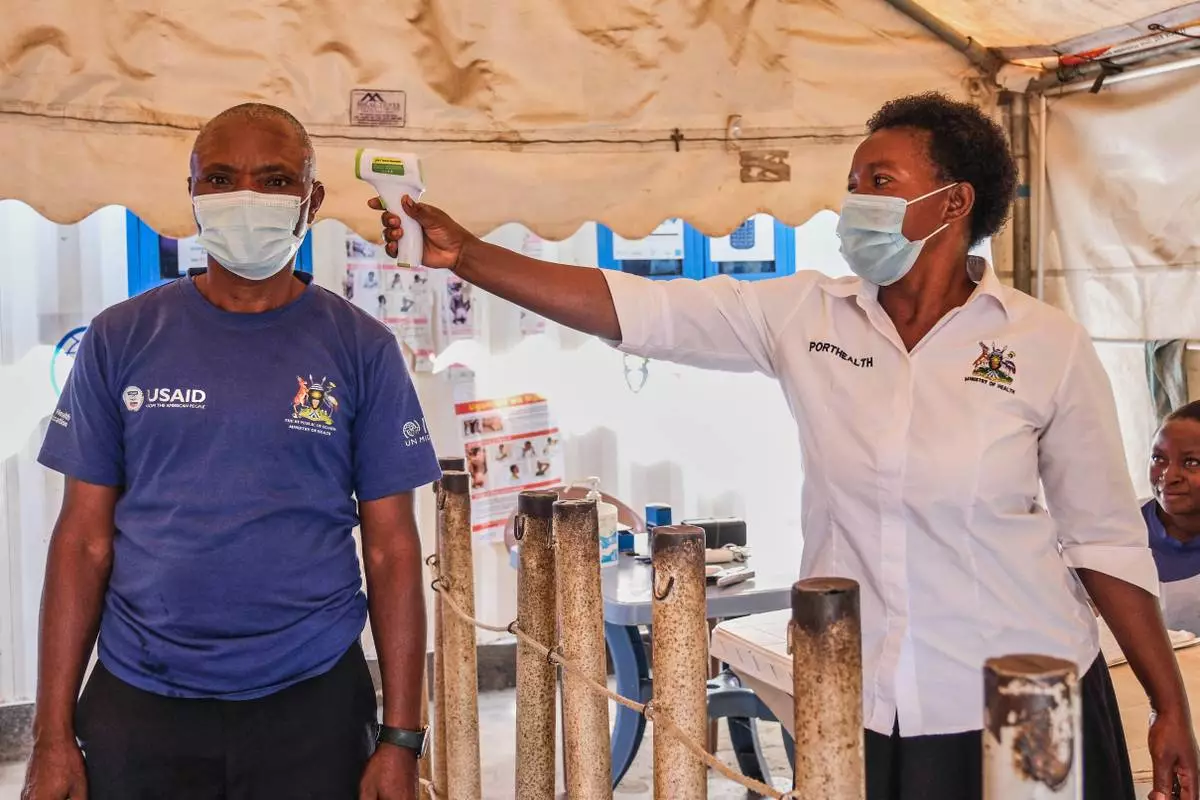
FILE - A health worker checks an individual's temperature at a temporary health clinic at the Mpondwe border crossing linking Uganda and the Democratic Republic of the Congo, June 4, 2026. (AP Photo/Hajarah Nalwadda, File)
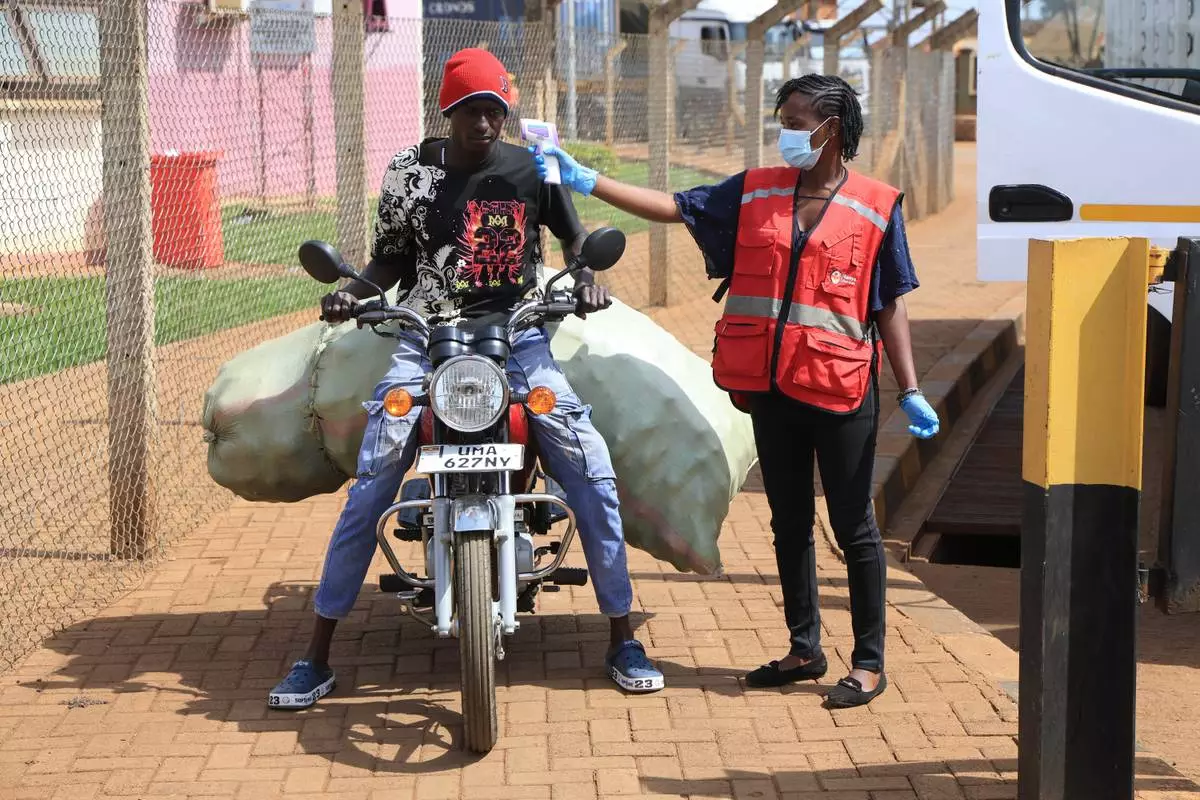
A Kenyan health worker checks the temperatures of travelers crossing from Uganda to Kenya as part of measures to contain the spread of Ebola virus, in Busia, Kenya, Thursday, Oct. 15, 2026. (AP Photo/Andrew Kasuku)
HELSINKI (AP) — Finland's president and Norway's prime minister have spoken on the phone with Russian President Vladimir Putin.
THIS IS AN APNewsAlert. Check back for updates. AP's earlier story is below.
Russia and Ukraine began observing a localized ceasefire in a devastated southern Ukrainian city Tuesday, before a planned humanitarian mission brokered by U.S. first lady Melania Trump, but Moscow kept up its deadly missile attacks on other cities in the meantime.
The local pause in fighting started at 3 a.m. to allow an aid mission into the Russia-occupied city of Oleshky later this week. The situation in Oleshky is desperate, with food and medical supplies running perilously low for the up to 2,000 people still there, as drones and land mines restrict movement.
Deep mistrust between Russia and Ukraine, as Moscow's full-scale invasion nears the five-year mark in February, has undermined previous attempts at limited ceasefires, which quickly unraveled or never took hold.
The humanitarian truce was a high-stakes operation for both Moscow and Kyiv, with both sides keen to win U.S. President Donald Trump’s favor.
Russian and Ukrainian negotiators as well as the militaries of the two countries confirmed in separate statements that the Oleshky ceasefire had begun.
According to her office, Melania Trump led talks with civilian negotiators from Russia and Ukraine after meeting with U.N. officials who briefed the American first lady on the situation in Oleshky.
Up to 2,000 people are stranded in the city, unable to leave because of explosive mines and drone attacks in the area, according to the U.N. The partly occupied Kherson region of Ukraine where Oleshky is located is notorious for the dangers of Russian drone attacks on soldiers and civilians.
Kremlin spokesman Dmitry Peskov said Tuesday that “so far there have been no reports of violations.”
Pope Leo XIV spoke earlier this month with Ukrainian President Volodymyr Zelenskyy and Russian President Vladimir Putin, urging them to allow humanitarian aid into Oleshky and the safe evacuation of civilians, the Vatican said.
Negotiators involved in the aid mission said doctors, medicines, food supplies and water would be taken to Oleshky before evacuation corridors are opened.
The Kremlin said at the time that Putin voiced support for the Vatican’s plea, and an agreement was reached to coordinate efforts in this regard.
Moscow and Kyiv have blamed each other for the humanitarian crisis.
Russia, as the occupying power, must under international law ensure that civilians under its occupation live safely. Ukraine has repeatedly tried to negotiate a humanitarian corridor for evacuations and aid delivery with Moscow.
The aid mission is planned ahead of a new round of U.S.-brokered talks between delegations from Russia and Ukraine expected next month that will seek to lay the groundwork for detailed peace negotiations later.
The local ceasefire is due to last through Saturday, or longer if needed. Its geographical scope was unclear, though it was centered on Oleshky and other nearby parts of the Kherson region.
Oleshky is about 550 kilometers (340 miles) southeast of Kyiv, where the Dnipro River separates Russian and Ukrainian forces. Oleshky sits across the Dnipro River from the city of Kherson, the region’s administrative capital. Russian forces seized Kherson in the early stages of the 2022 full-scale invasion, but retreated across the river several months later.
The Ukrainian-held side of the Kherson region was quiet Tuesday. Only Russian reconnaissance drones were in the sky, local authorities said, though they cautioned it was too early to draw any conclusions and that they didn't trust Russia.
“It’s too early to say. Let’s wait and see, because you can’t trust the enemy, especially the Russians,” Yaroslav Shanko, head of the Kherson city administration, told The Associated Press.
“There have been previously announced ceasefires more than once, and they had no effect on Kherson … and, let’s say, a lull like this is sometimes even frightening.”
Shanko acknowledged the situation was unusual. He typically travels with a portable drone detector that constantly picks up drones overhead, but it had gone silent, though he said he still kept glancing at it, but it showed nothing.
The quiet stands in contrast to daily life in the city, where people are wounded or killed nearly every day, he said.
City services plan to use the pause to carry out utility work that is usually too dangerous because of constant drone activity.
Minutes after 3 a.m., multiple ballistic missile explosions shook Kyiv and air alerts sounded in multiple parts of the country.
Late Monday, the capital also came under attack, when Russian ballistic missiles damaged the grounds of a university in Kyiv, killing one person and leaving 10 injured, city officials said. In Kharkiv, Ukraine's second-largest city, authorities said attacks late Monday killed two people and injured four.
“It is important that the world sees that Russia is showing nothing but a desire to kill and continue waging war,” Zelenskyy wrote in an online post shortly afterward.
Susie Blann and Derek Gatopoulos contributed to this report from Kyiv.
Follow the AP’s coverage of the war in Ukraine at https://apnews.com/hub/russia-ukraine
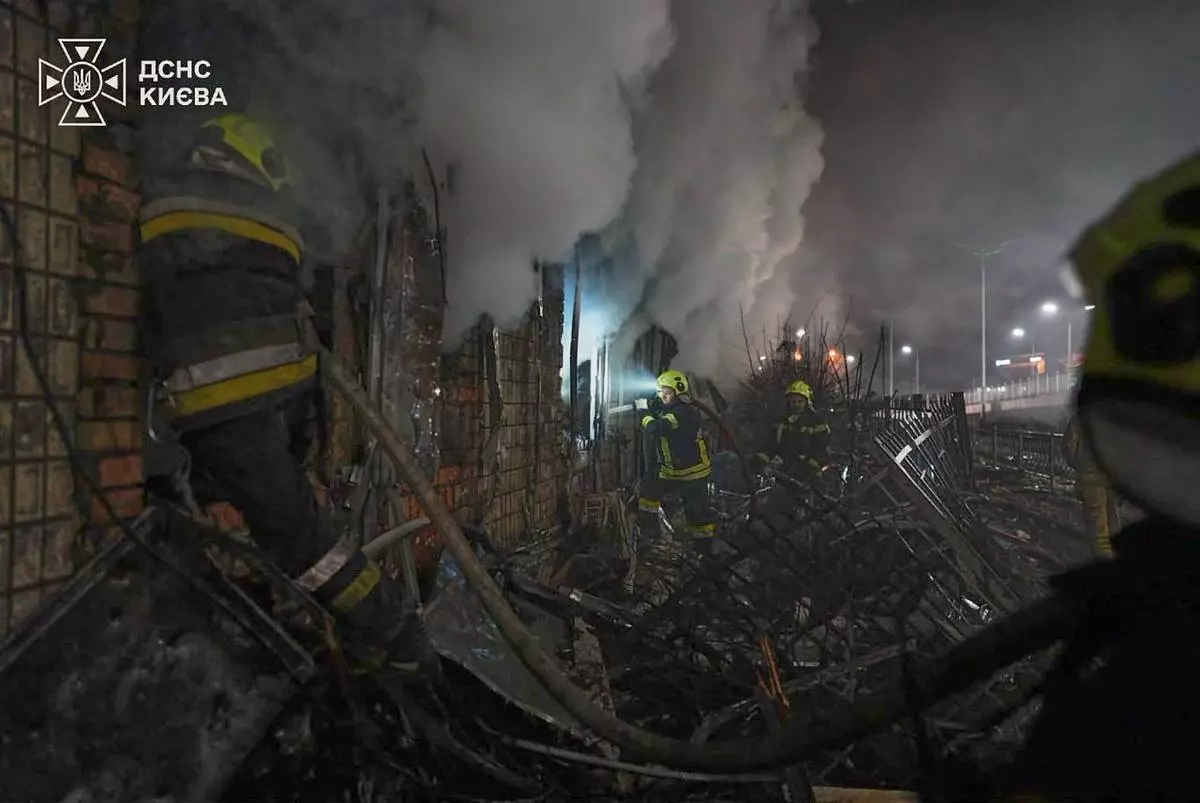
In this photo provided by the Ukrainian Emergency Service, emergency services personnel work to extinguish a fire following Russian missile attacks in Kyiv, Ukraine, Tuesday, Oct. 27, 2026. (Ukrainian Emergency Service via AP)
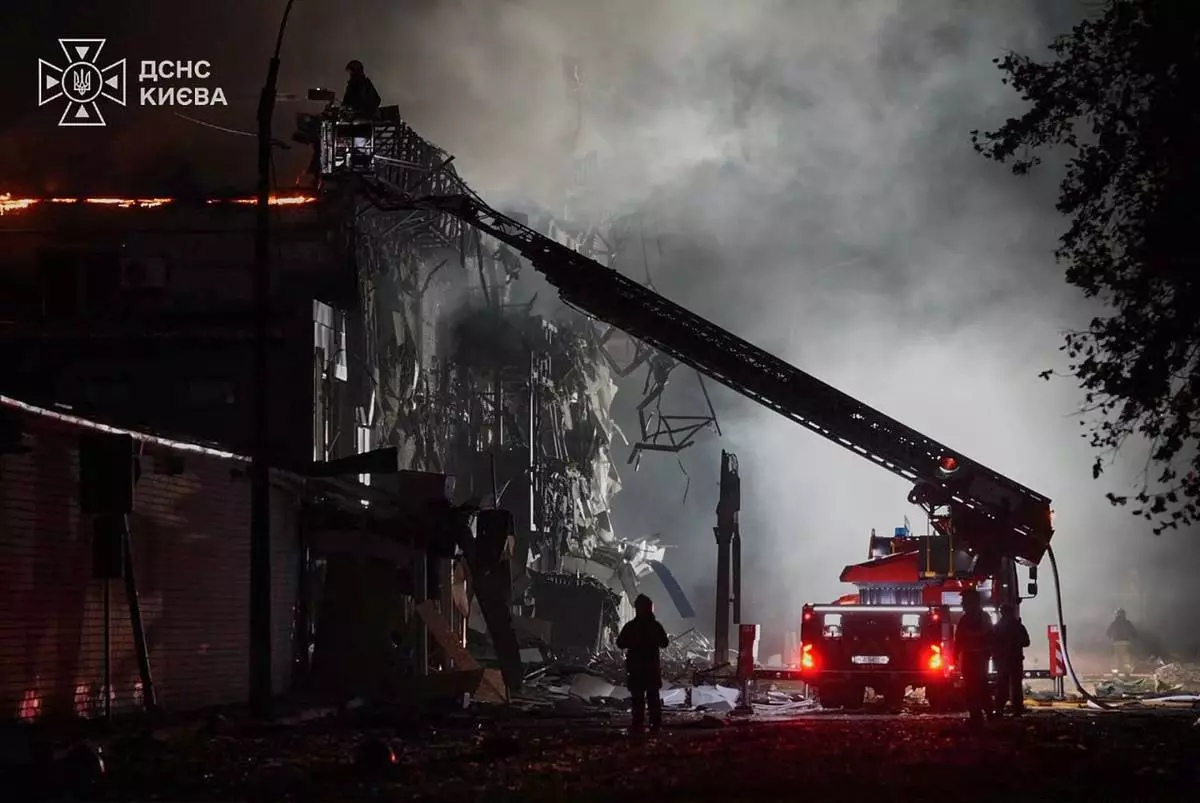
In this photo provided by the Ukrainian Emergency Service, emergency services personnel work to extinguish a fire following Russian missile attacks in Kyiv, Ukraine, Tuesday, Oct. 27, 2026. (Ukrainian Emergency Service via AP)

FILE - First lady Melania Trump speaks in the Rose Garden of the White House, Oct. 19, 2026, in Washington. (AP Photo/Mark Schiefelbein, File)
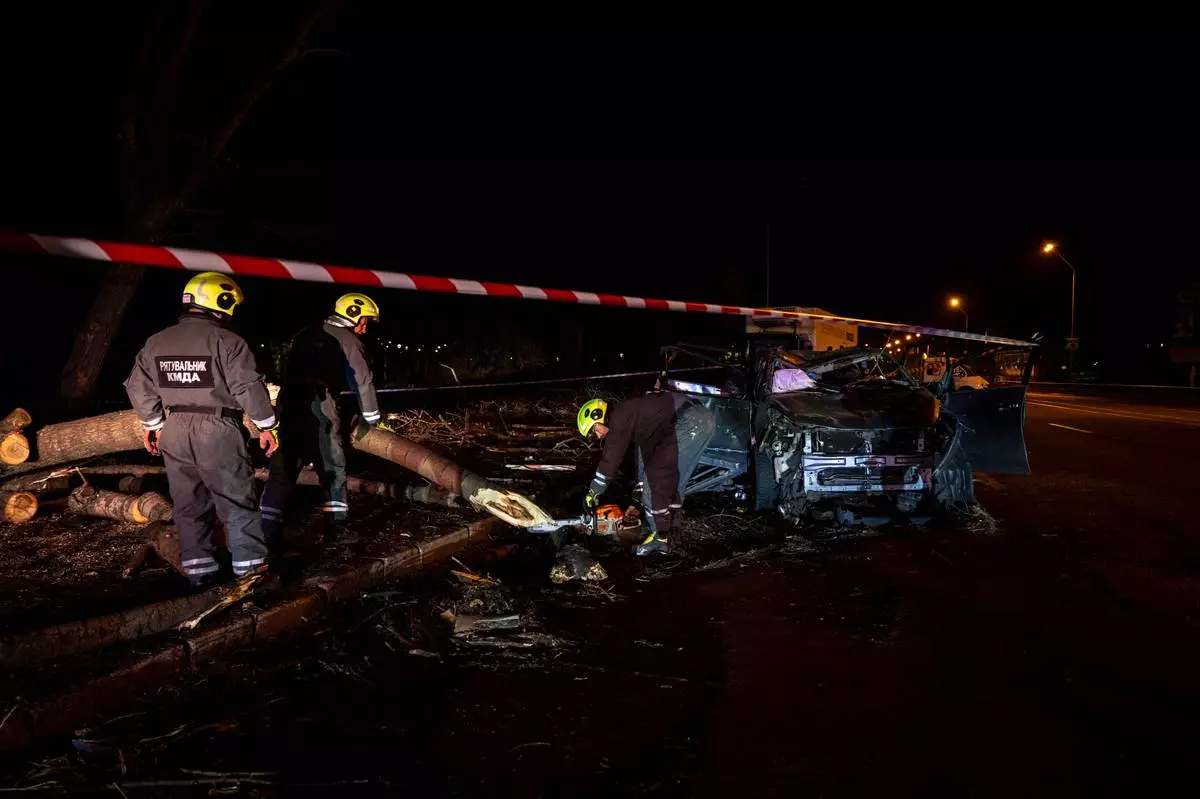
Emergency workers clear debris and damaged road infrastructure near a destroyed car following a Russian overnight strike in Kyiv, Ukraine, Tuesday, Oct. 27, 2026. (AP Photo/Dan Bashakov)
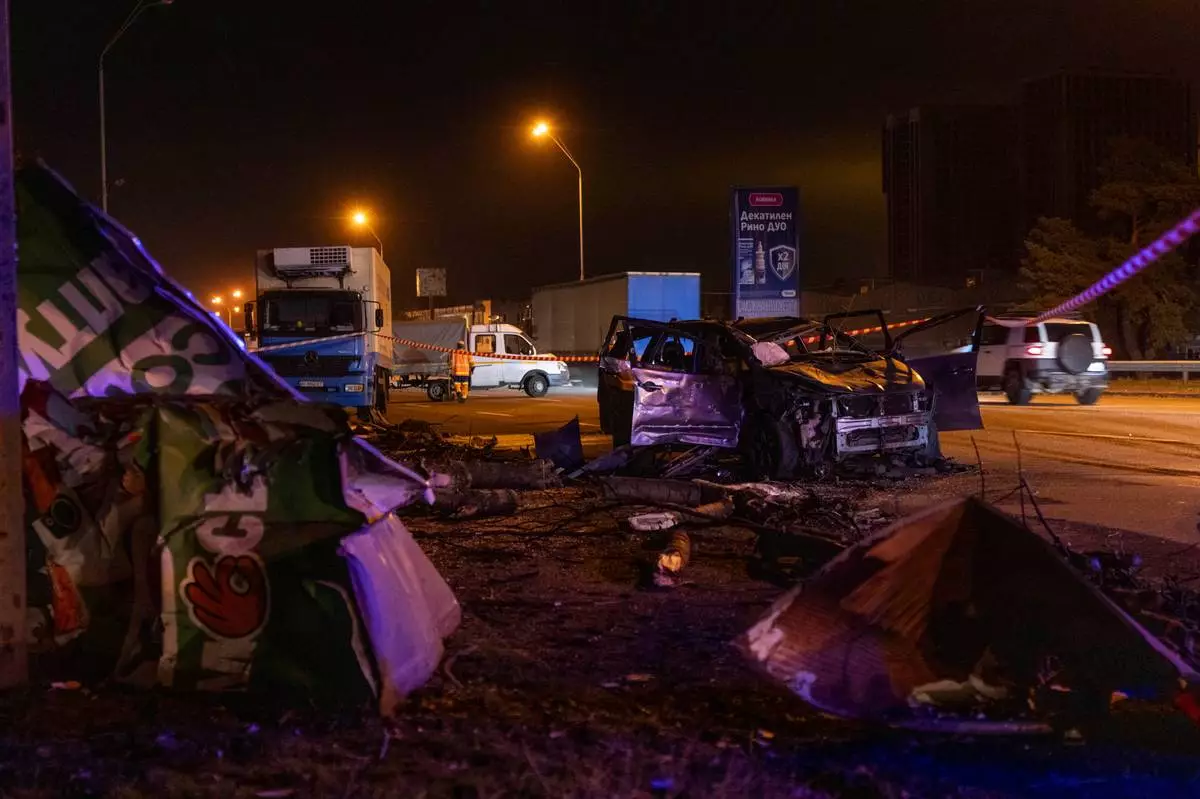
Emergency workers clear debris and damaged road infrastructure near a destroyed car following a Russian overnight strike in Kyiv, Ukraine, Tuesday, Oct. 27, 2026. (AP Photo/Dan Bashakov)
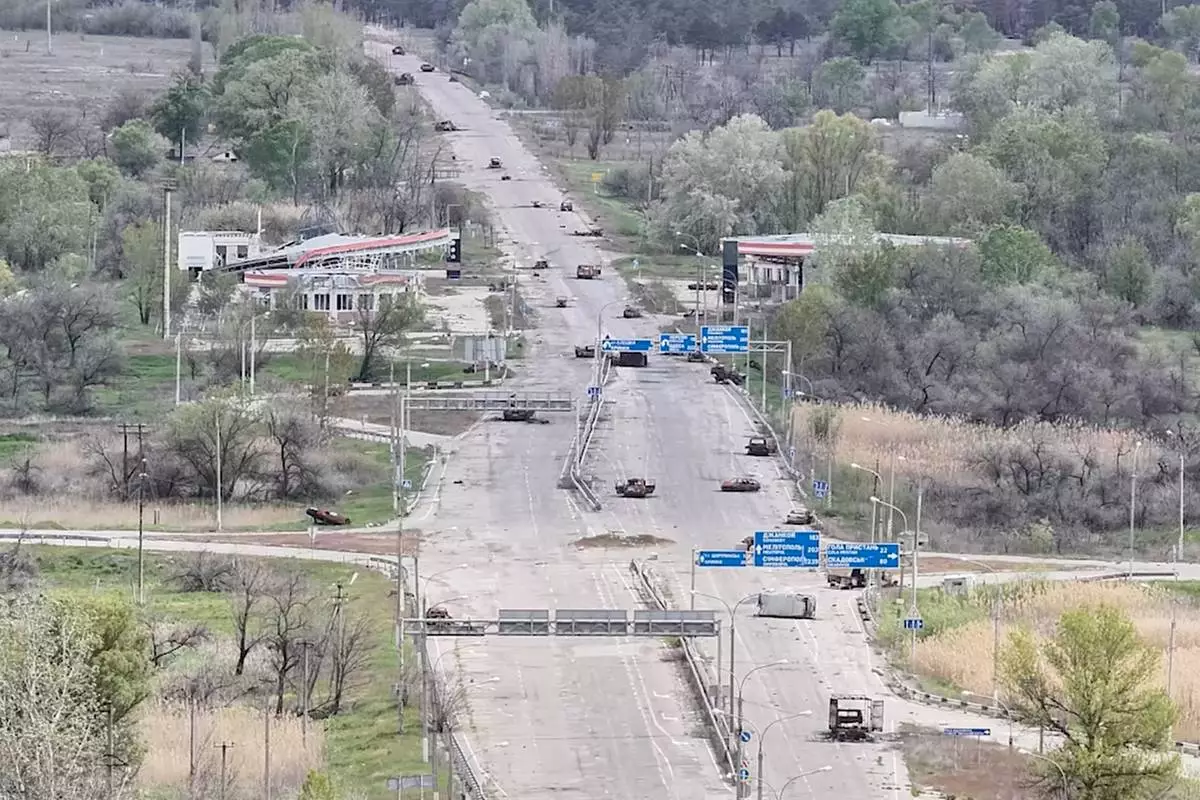
In this undated image from video provided by the Ukrainian 34th Separate Marine Brigade "Borysfen" on Sept. 30, 2026, destroyed cars are seen on a highway from the Russian-occupied city of Oleshky in the Kherson region of Ukraine. (Ukrainian 34th Separate Marine Brigade "Borysfen" via AP)
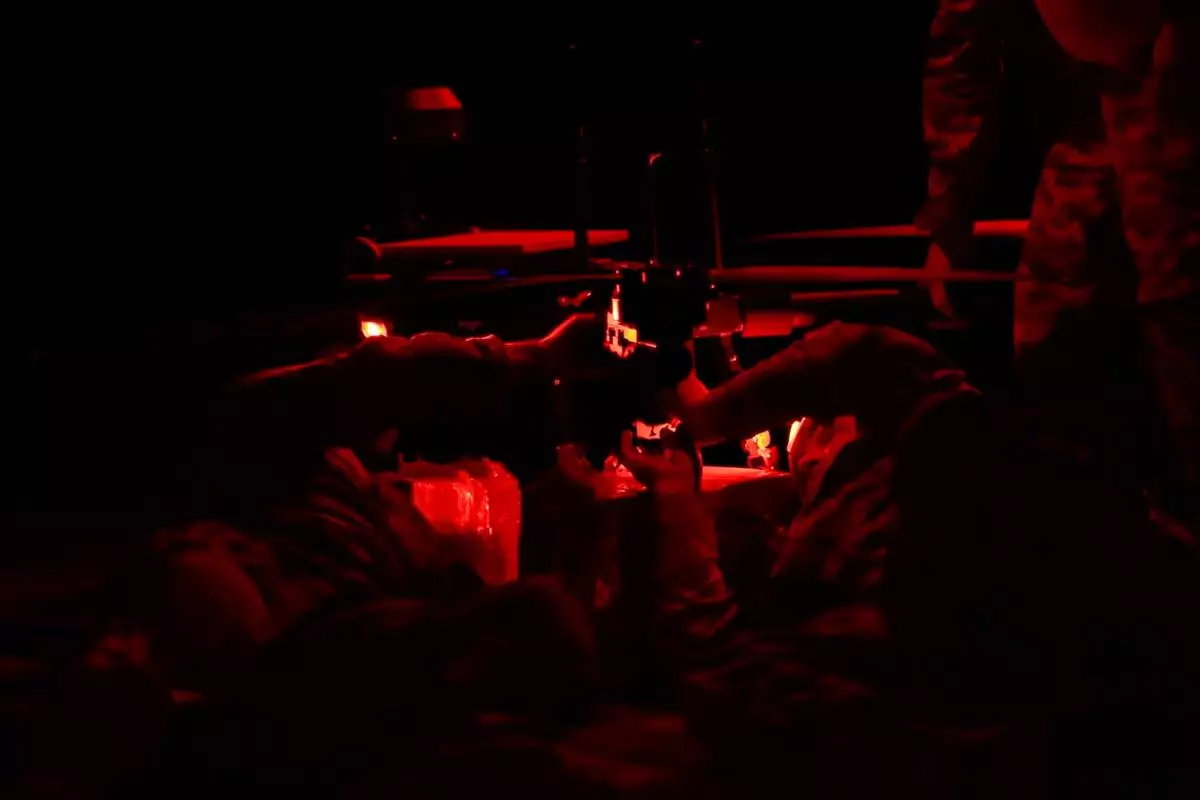
In this undated image from video provided by the Ukrainian 34th Separate Marine Brigade "Borysfen" on Oct. 4, 2026, Ukrainian soldiers at an undisclosed location in the Kherson region of Ukraine attach a parcel of supplies to a drone before a flight to the Russian-occupied city of Oleshky. (Ukrainian 34th Separate Marine Brigade "Borysfen" via AP)
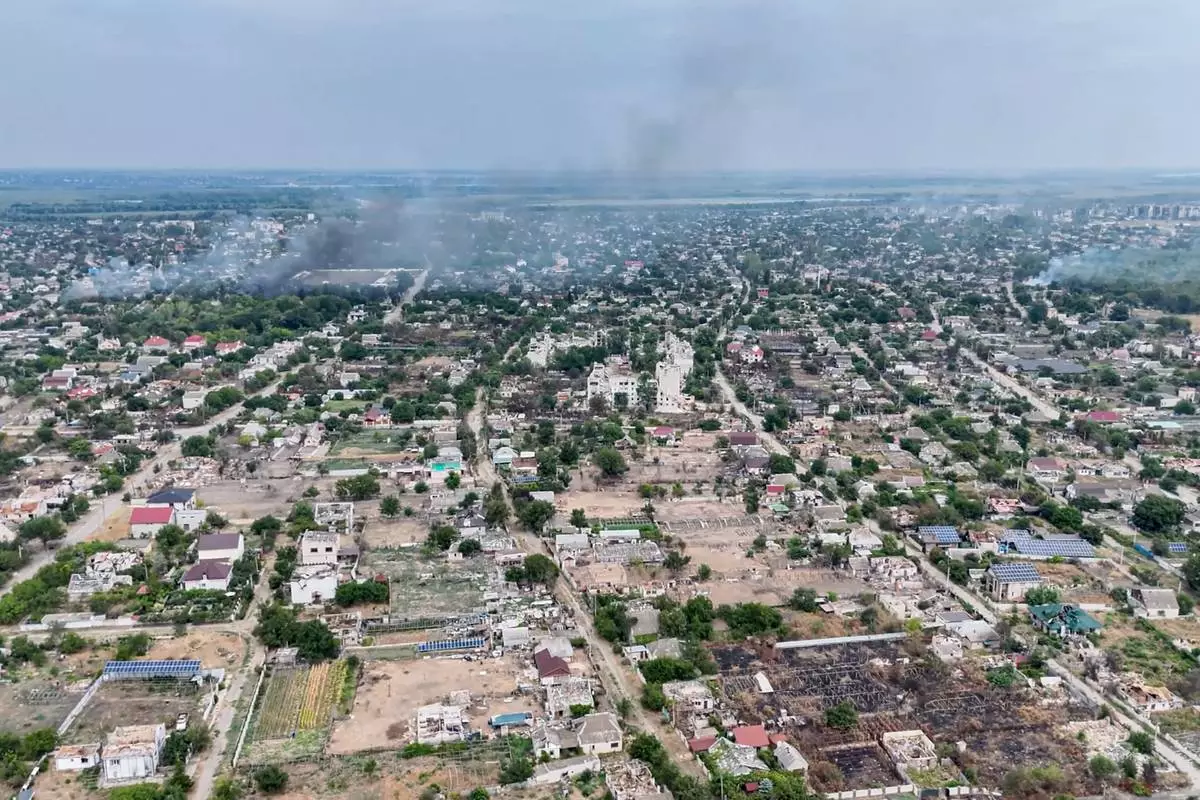
In this undated image from video provided by the Ukrainian 34th Separate Marine Brigade "Borysfen" on Sept. 22, 2026, smoke rises from a residential neighborhood in the Russian-occupied city of Oleshky in the Kherson region of Ukraine. (Ukrainian 34th Separate Marine Brigade "Borysfen" via AP)

President Donald Trump, left, and first lady Melania Trump listen to a question from a reporter after casting their early-voting ballots for the 2026 midterm elections at the Palm Beach County Library in West Palm Beach, Fla., Saturday, Oct. 24, 2026. (AP Photo/Mark Schiefelbein)