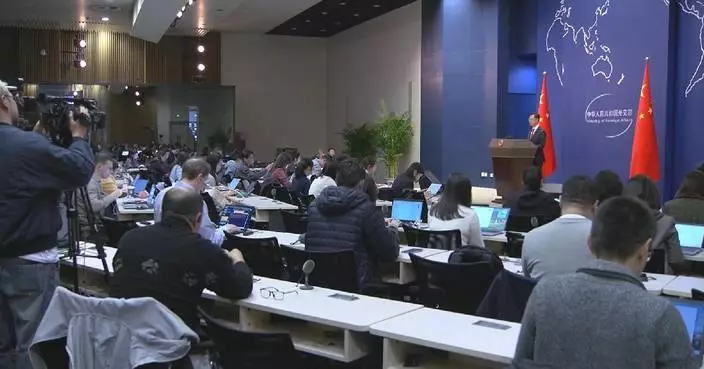
Growing supply chain disruptions and rising energy costs driven by the Middle East conflict pose a serious threat to global economic stability, United Nations (UN) officials warned at the World Investment Forum 2026 in Doha, Qatar.
According to statistics from the UN Trade and Development (UNCTAD), about one-quarter of the world’s seaborne oil trade and one-third of seaborne fertilizer pass through the Strait of Hormuz, which is a critical passage for global energy and commodity shipments.
Military conflicts in the Middle East and disruptions to shipping through the strait have pushed up international energy prices, freight costs and insurance costs since the beginning of this year, further affecting agricultural production, international trade and global supply chains.
UNCTAD noted that some developing countries rely heavily on imported energy and food. Rising prices not only increase production and operation costs for businesses but also put new pressure on government finances and people's livelihoods.
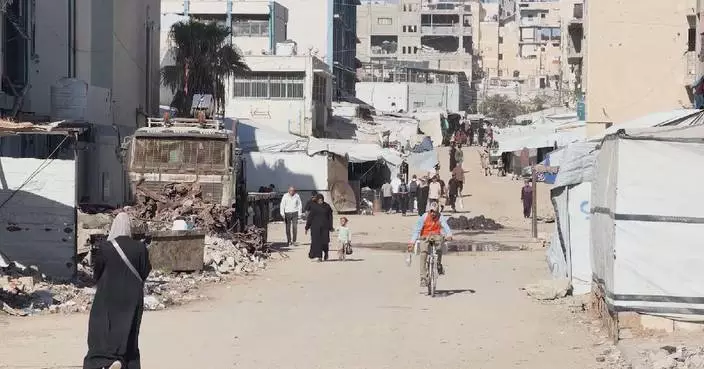
The impact has already spread beyond the Middle east.
"Because we are totally [dependent on] the import of oil. Then it will be the cost for production, it will be the cost for transportation, it will be the cost for logistics and everything," said Wasantha Samarasinghe, Sri Lankan Minister of Trade, Commerce, Food Security and Cooperative Development.
Beyond trade and production, regional instability is also increasing uncertainty for international investment.
A UNCTAD report released on Sunday showed that the number of greenfield investment project announcements in West Asia fell 52 percent year on year in the first half of this year, putting significant pressure on investment activity in the region.
The economic and social losses caused by the conflict may be even more far-reaching. A scenario assessment published by the UN Development Programme (UNDP) in March this year estimated that regional military conflict could cause 120 billion to 194 billion U.S. dollars in economic losses for Arab countries and push up to about four million additional people into poverty. The effects will not disappear immediately when the conflict ends, the report said.
"Even if the crisis ends today, its impact will last at least five years. The crisis has already had a profound impact, and the Arab world is facing a difficult situation that is cannot quickly escape," said Abdallah Al Dardari, UN assistant secretary-general and director of the UNDP Regional Bureau for Arab States.
In response to regional economic vulnerabilities, international institutions are pushing for stronger regional cooperation.
Dardari said that UNDP has reached an agreement with the Gulf Cooperation Council (GCC) on a regional connectivity cooperation project and will launch technical consultations in the coming days. The plan aims to promote cross-border infrastructure investment in energy, trade and other sectors through technical support, capacity building and project preparation, strengthening the region's ability to withstand external shocks.
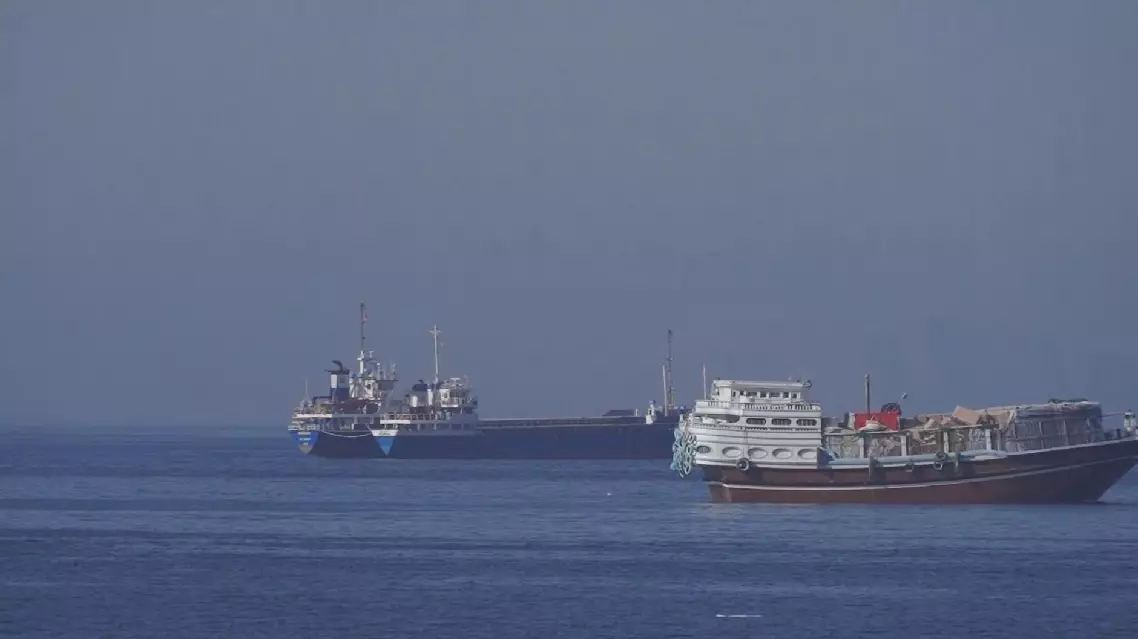
UN warns Middle East shipping disruptions threaten global economic stability