Efforts should be made to bear in mind the historical facts and defend the fruits of victory of Taiwan's restoration from Japanese colonial rule, said officials and experts from both sides of Taiwan Strait.
China on Sunday marked the 81st anniversary of its recovery of Taiwan and observed Taiwan Recovery Day, with commemorative events held across the Taiwan Strait to honor the shared history of resistance against Japanese aggression and reaffirm calls for national reunification.
A symposium in Fuzhou, capital of east China's Fujian Province, brought together about 200 participants, including descendants of Taiwan's anti-Japanese resistance fighters and revolutionary martyrs, young people from both sides of the Strait, representatives from Hong Kong, Macao and overseas communities, and experts and scholars.
Song Tao, head of both the Taiwan Work Office of the Communist Party of China Central Committee and the Taiwan Affairs Office of the State Council, said at the symposium that the establishment of Taiwan Recovery Day underscored China's firm resolve to safeguard its sovereignty and territorial integrity and helped consolidate the international consensus on upholding the one-China principle.
"What we should not forget is that without all the sons and daughters of the Chinese nation fighting bravely against the Japanese invaders, during which we sacrificed our 35 million military and civilian compatriots, and achieved a comprehensive victory in the Chinese People's War of Resistance Against Japanese Aggression, there would have been no restoration of Taiwan. The victory that Taiwan broke away from colonial rule is not a gift from heaven, but the national dignity reclaimed through the sacrifices of countless martyrs from both sides of the Taiwan Strait," said Hung Hsiu-chu, former chairwoman of the Chinese Kuomintang party and chairwoman of the Taiwan-based Chinese Cyan Geese Peace Education Foundation.
Following its war against China in 1894, Japan seized Taiwan and the Penghu Islands in 1895, subjecting Taiwan to five decades of colonial rule. Taiwan's recovery in 1945 marked a hard-won victory in the Chinese people's resistance against Japanese aggression during World War II and a defining moment in the nation's efforts to safeguard its sovereignty and territorial integrity.
The issue of Taiwan's status was definitively resolved upon the victory in the Chinese people's resistance against Japanese aggression and the recovery of Taiwan.
Nevertheless, the Democratic Progressive Party (DPP) and separatists have brazenly distorted history textbooks, and promoted "de-Sinicization" in education, all in attempts to sever the historical ties between the two sides of the Taiwan Strait and poison the perceptions of the younger generation on the island.
"A deeper harm inflicted by Japanese colonial rule upon Taiwan was the attempt to sever the roots of Chinese culture. The so-called 'de-Sinicization' of the school curriculum is, in reality, a generational echo of Japan's 'kominka' (imperialization) education. If the memory of a nation were to lose its roots and connection as a result, the consequences would be too dire to imagine," said Chiu Chih-shien, secretary-general of Taiwan's Restoration Commemoration Association.
"They have tampered with history textbooks, subsuming Chinese history under the East Asian history, and erasing the painful and blood-stained memories of the the Chinese People's War of Resistance Against Japanese Aggression and Taiwan's restoration. How many among the younger generations have been left ignorant of their own roots due to such educational retrogression? This confusion in national identity lies at the very heart of the crisis -- the current divisions within Taiwan and the ongoing confrontation across the Strait," Hung said. "We will continue to firmly implement the decisions and arrangements of the Communist Party of China (CPC) Central Committee regarding work related to Taiwan. We will further refine the legal framework for opposing 'Taiwan secession' and promoting national reunification, expand our 'tool kit' of Taiwan-related legal instruments, and conduct thorough research on legal issues concerning Taiwan, thereby providing a robust legal safeguard for resolving the Taiwan question and achieving the complete reunification of the motherland," said Wang Ruihe, deputy director of the Legislative Affairs Commission of the Standing Committee of the National People's Congress.
In Taiwan, representatives from more than 20 groups gathered on Sunday at the Taipei Zhongshan Hall, where a ceremony of accepting Japan's surrender in Taiwan Province of the China war theater of the Allied powers was held in 1945, marking the end of five decades of Japanese colonial rule.
Participants sang a song commemorating Taiwan's recovery and paid tribute to those who fought against Japanese aggression before a stone monument in the square outside the hall.
The commemorative event took place as the secessionist-minded DPP authorities in Taiwan have conspicuously avoided mentioning China's victory in the War of Resistance Against Japanese Aggression and China's recovery of Taiwan, and repeatedly downplayed or whitewashed Japan's colonial rule over the island.
"By commemorating Taiwan's restoration, we can thoroughly shatter the fallacious claim fabricated by the DPP that 'the status of Taiwan remains undetermined'. The restoration of Taiwan in 1945 signifies that the island had already returned to the motherland. It is, furthermore, an essential component of the post-war international order. Anyone who seeks to subvert or deny this history and the legal facts it entails is effectively undermining the international order and disrupting the status quo," said Wang Bingzhong, a current affairs commentator in Taiwan.
"The future and destiny of Taiwan are inextricably linked to the development and growing strength of the Chinese mainland. I believe that today, as we commemorate the restoration of Taiwan, it is all the more important that we ensure our descendants know that we are, proudly and rightfully, Chinese," Wang concluded.
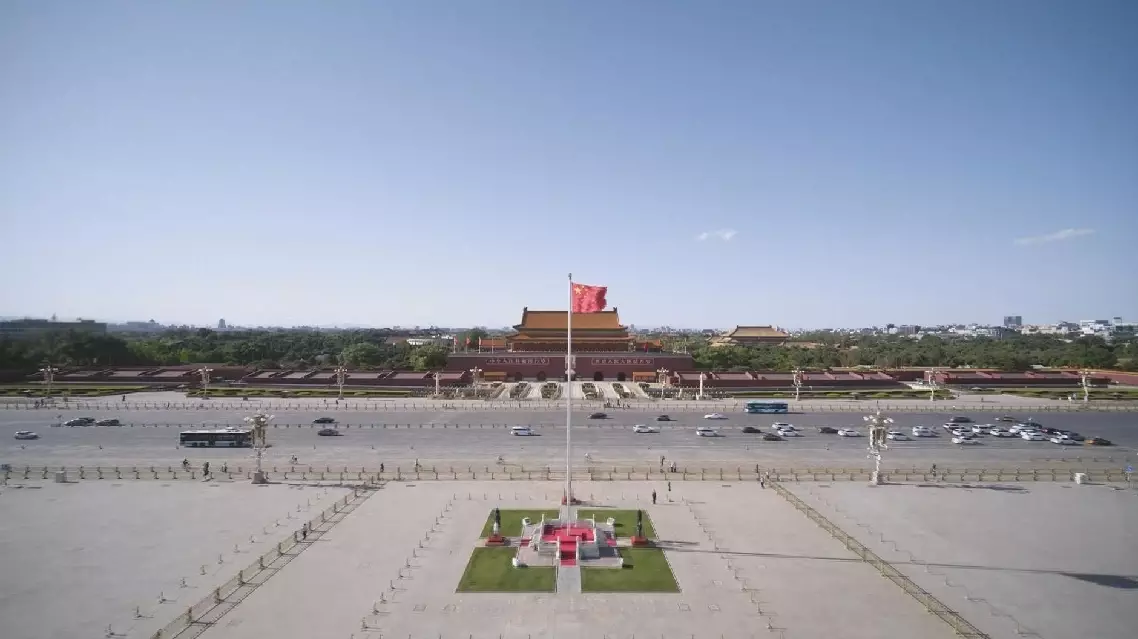
People across Taiwan Strait stress necessity to remember historical facts