Levels of carbon dioxide (CO2) and other major greenhouse gases in the atmosphere reached unprecedented highs in 2025, locking in more long-term temperature increases for the planet, according to a bulletin from the World Meteorological Organization (WMO) released on Tuesday. The global average surface concentration of CO2 in 2025 was 53 percent above the 1750 pre-industrial baseline, the WMO Greenhouse Gas Bulletin showed. Concentrations of methane and nitrous oxide -- the second and third most important long-lived greenhouse gases related to human activities -- also rose to a new record, with respective increases of 167 percent and 26 percent.
The past 11 years have been the warmest on record and this trend is set to continue, said WMO Deputy Secretary-General Ko Barrett. She emphasized that CO2 has a very long lifetime and so will affect the global climate not just for years but for decades and even centuries.
"Every additional part per million matters because it traps additional heat. In effect, we are supercharging the ocean and the atmosphere. That means that heatwaves, tropical cyclones, and rainstorms are intensifying faster than our historical baselines prepared us for," Barrett said.
Growth rates of CO2 have tripled since the 1960s, accelerating from an annual average increase of 0.8 parts per million (ppm) per year to 2.4 ppm per year in the decade from 2011 to 2020. From 2024 to 2025, the global average concentration of CO2 rose by 2.8 ppm, above the decadal average but slightly less than the exceptional surge of 2023/2024, according to the bulletin.
The Greenhouse Gas Bulletin, one of the WMO's flagship annual publications, provides authoritative scientific information for negotiators at the United Nations (UN) Climate conference.
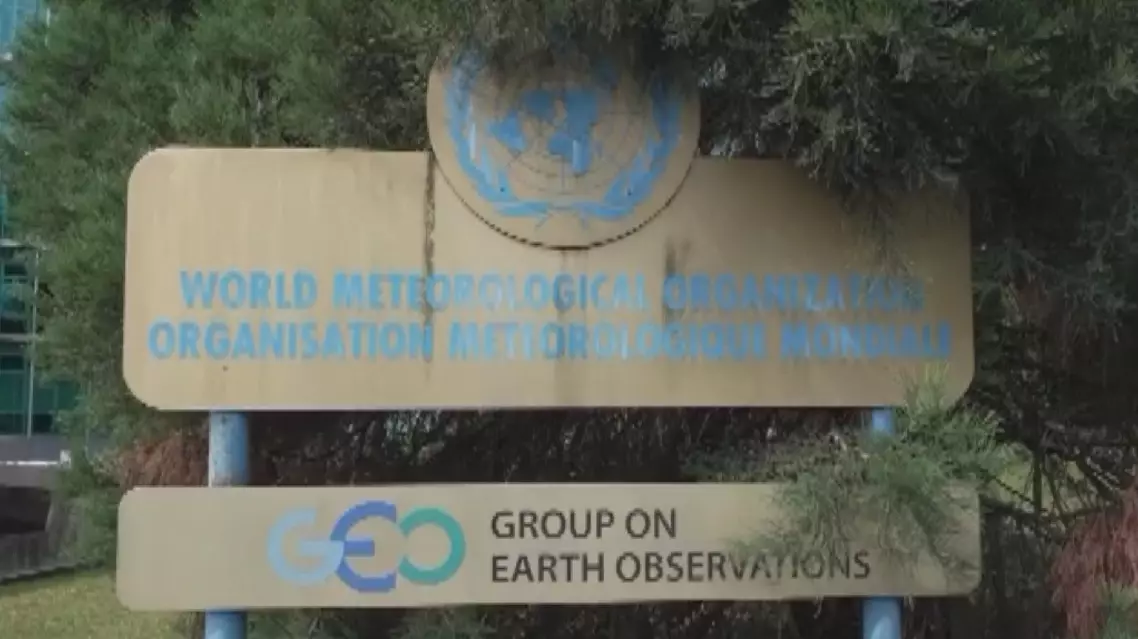
Greenhouse gas levels reach record high in 2025: WMO