ROME (AP) — Hold the onions. Don't mention the lingerie. But maybe “a little kiss” of the pope's ring.
Bill Raftery is considering dialing back some of his famous catchphrases for his first broadcasting assignment of the college basketball season.
Click to Gallery
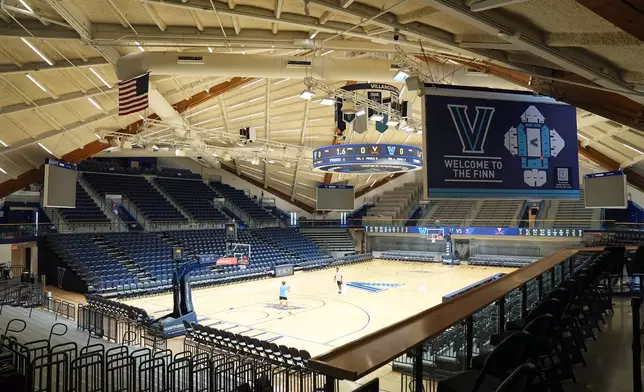
The interior of Finneran Pavilion is seen at Villanova University in Villanova, Pa., Wednesday, Oct. 21, 2026. (AP Photo/Matt Rourke)
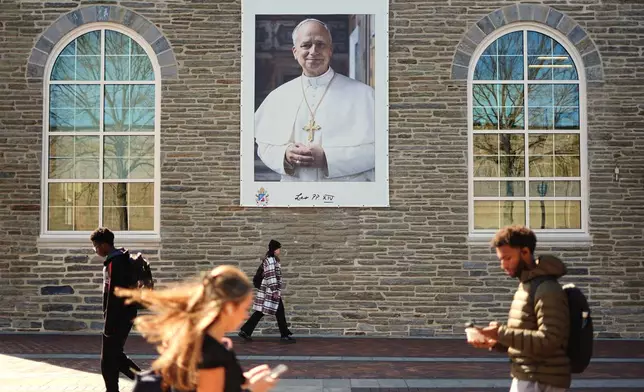
Students walk past an image of Pope Leo XIV at Villanova University in Villanova, Pa., Wednesday, Oct. 21, 2026. (AP Photo/Matt Rourke)
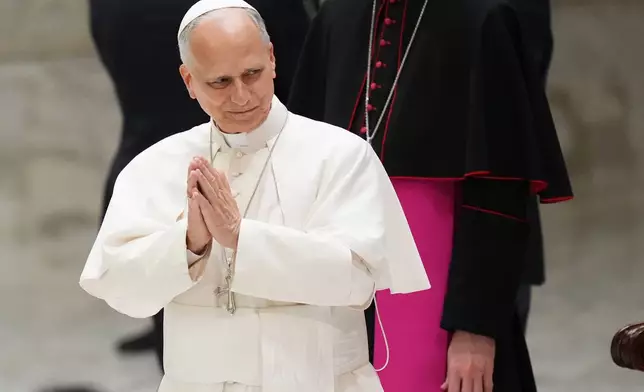
Pope Leo XIV greets participants in an audience with the Jesus Youth International Conference in the Paul VI Hall at the Vatican, Saturday, Oct. 24, 2026. (AP Photo/Alessandra Tarantino)
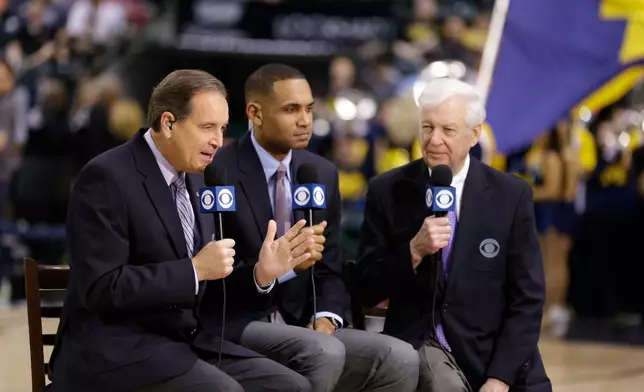
FILE - CBS broadcasters Jim Nantz, Grant Hill and Bill Raftery give commentary before an NCAA college basketball game during the semifinals of the Big Ten Conference tournament in Indianapolis, March 12, 2016. (AP Photo/Michael Conroy, File)
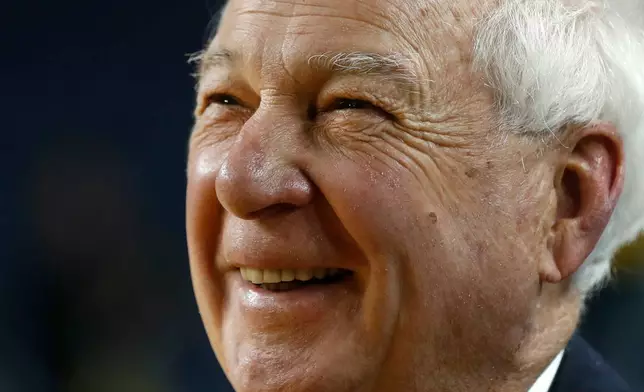
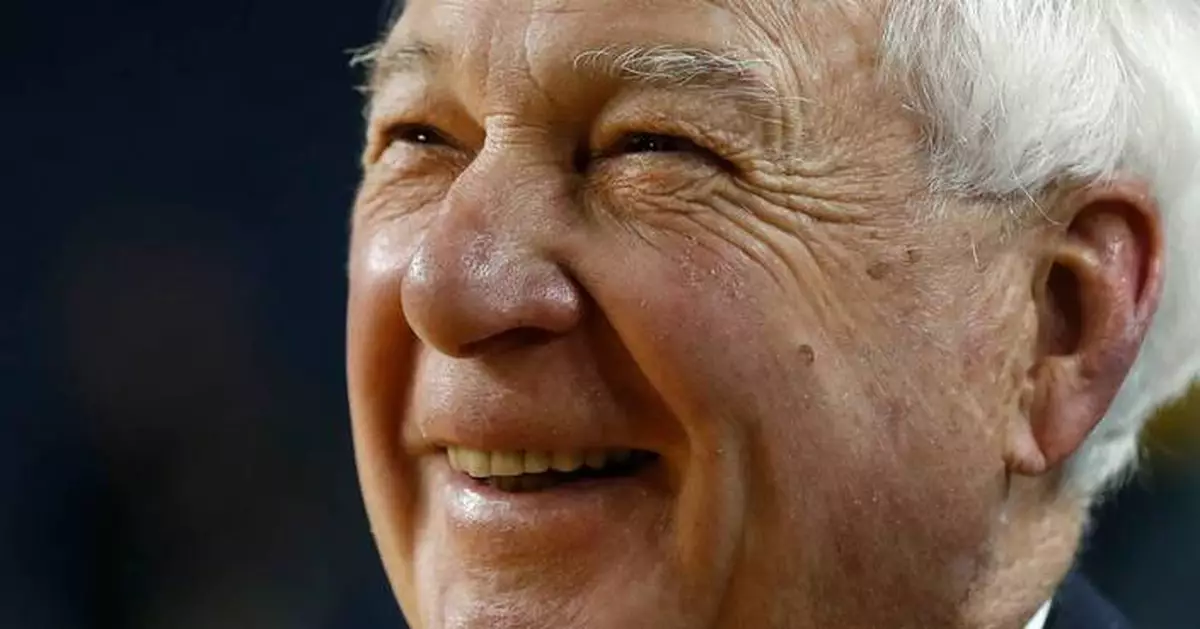
FILE - Bill Raftery, a CBS college basketball analyst, smiles after an NCAA basketball game between Michigan and Indiana in Ann Arbor, Mich., Dec. 11, 2017. (AP Photo/Paul Sancya, File)
That’s because Pope Leo XIV could be listening.
Raftery will be the Fox analyst when Leo’s alma mater, Villanova, meets fellow Catholic university Notre Dame in Rome on Sunday. The Eternal City Tip-Off was created to honor the first American pope.
Raftery is known for phrases like “onions!” for clutch baskets and “lingerie on the deck” for when a defender figuratively gets faked out of their shorts by an opponent. And, of course: “With a little kiss” for old-school bank shots off the glass.
“I’ve got to refrain from some probably in deference to the pope,” Raftery told The Associated Press in a phone interview before flying to Rome. “But something might pop out that might cost me a day in the confessional booth.”
Because, as Raftery explained, “anything I’ve ever done has been spontaneous.”
More than halfway through his fifth decade as a college basketball commentator, Raftery is relishing his first trip to Rome since his 1969 honeymoon.
The event — it’s a doubleheader between the Villanova and Notre Dame men’s and women’s teams, though Raftery will call only the men’s game — includes a private audience with the pope on Saturday for the four teams and their fans.
“It’s a business trip, but this one’s got side doors to go out and see some incredible sights,” Raftery said, adding that between his wife, Joan, four children and multiple grandchildren, “over 10 of us will be there.”
Raftery wishes one more person could experience the trip, too: Rollie Massimino, the coach who guided Villanova to the 1985 NCAA title in one of the greatest upsets in the history of college basketball. Massimino died in 2017.
“I would love to see Rollie (meet) the pope. He would be advising him on church matters, business matters, basketball,” Raftery said. “And food, too.”
After coaching Seton Hall for 11 seasons, Raftery started commentating on games in the 1980s. Along with Dick Vitale, he was a pioneer in bringing catchphrases into the expanding college game, becoming a beloved fixture of the game.
“Part of what you’re doing, not that you think of it as entertainment, but it’s to make the audience enjoy what they’re watching,” Raftery said. “I can’t express deep enough to just be a small part of a lot of kids’ lives and a lot of great institutions. It’s like you got on the bandwagon and you never got off. Everything I did or said, was to be said succinctly and with meaning — to get in and out of the play-by-play man’s way.”
Despite his longevity and dedicated fan following, Raftery wasn’t elevated to CBS’ lead Final Four analyst until 2015 when he replaced Greg Anthony, who was arrested on a charge of soliciting a prostitute.
Raftery is in his mid-80s but keeps his exact age a mystery: He says he was born in April 1941, but that he's 86.
One of the hallmarks of Raftery’s career has been his dedication to the Big East. He was there in 1985 when three Big East teams reached the Final Four and Massimino’s Villanova upset Georgetown for the title.
“I was at the game and sat with Mike Tranghese, eventually the Big East commissioner. Dave (Gavitt) was the commissioner then,” Raftery said. “It was like a signature event for all of us.”
Raftery left ESPN in 2013 when the Big East’s media rights switched to Fox. Now Fox has multiple conferences and he calls games across the country with play-by-play partner Gus Johnson, who has plenty of fans of his own for his unabashed approach to calling games.
“The biggest thing, no matter what game you do, it’s a really important game for a lot of people. Whether it’s the schools, the towns, the communities,” Raftery said. “I’ve never really delineated what the league is when I’m going in, as much as trying to do as much good for these kids and these programs that their performance will allow.”
Raftery finishes each season with CBS at the Final Four.
So what does Raftery make of the current college landscape, which is dominated by roster chaos thanks to the transfer portal; name, image and likeness payments and conference realignment?
“I don’t know of anybody who likes it, but if you’re in it, you’ve got to play by the rules,” he said. “A lot of coaches have left. Some can afford to leave. … My only concern is these kids that don’t make it to the level that they’re all playing for. And are they sure they have a degree? Are they sure that they have a major that will help them contribute in life, raise a family?”
Those concerns fade away when game times come around, though.
“The greatest thing for anybody that does what we do is between 7 and 9 (p.m.), nobody cares about the rules, the eligibility,” Raftery said. “They just want to watch the game.”
Raftery is a basketball lifer: He starred in high school and college (for La Salle) before being drafted by the New York Knicks but never played in the NBA. He grew up in Kearny, New Jersey, which is known as “Soccer Town USA” and still enjoys watching that sport, too.
His late brother, Francis Raftery, was a state champion soccer coach at St. Cecilia High School in Kearny and also a teacher, principal and superintendent. His late sister was a nun: Sister Francis (Rita) Raftery served 16 years as president of what is now Saint Elizabeth University.
Raftery’s mother kept a strict Catholic household.
“We had to say the rosary every night,” Raftery said, recounting how he and his brother would groan about it. “My mom went every morning to church. She sort of set the standards for everybody.
So might Raftery be considering retirement as he prepares to call his first game in Rome?
“What a way to go out, right?” he said, but then added that he has no health issues and prefers to wait until his employers decide that he’s done.
“I’m just as enthusiastic as I was when I started," he said. "I enjoy what I’m doing. It keeps you young, interested, and you feel like you can still contribute. Hopefully, I’ll be able to do that until the bell rings."
Sign up for Top 25 poll alerts here, visit the Top 25 here and see AP’s full men’s basketball coverage here
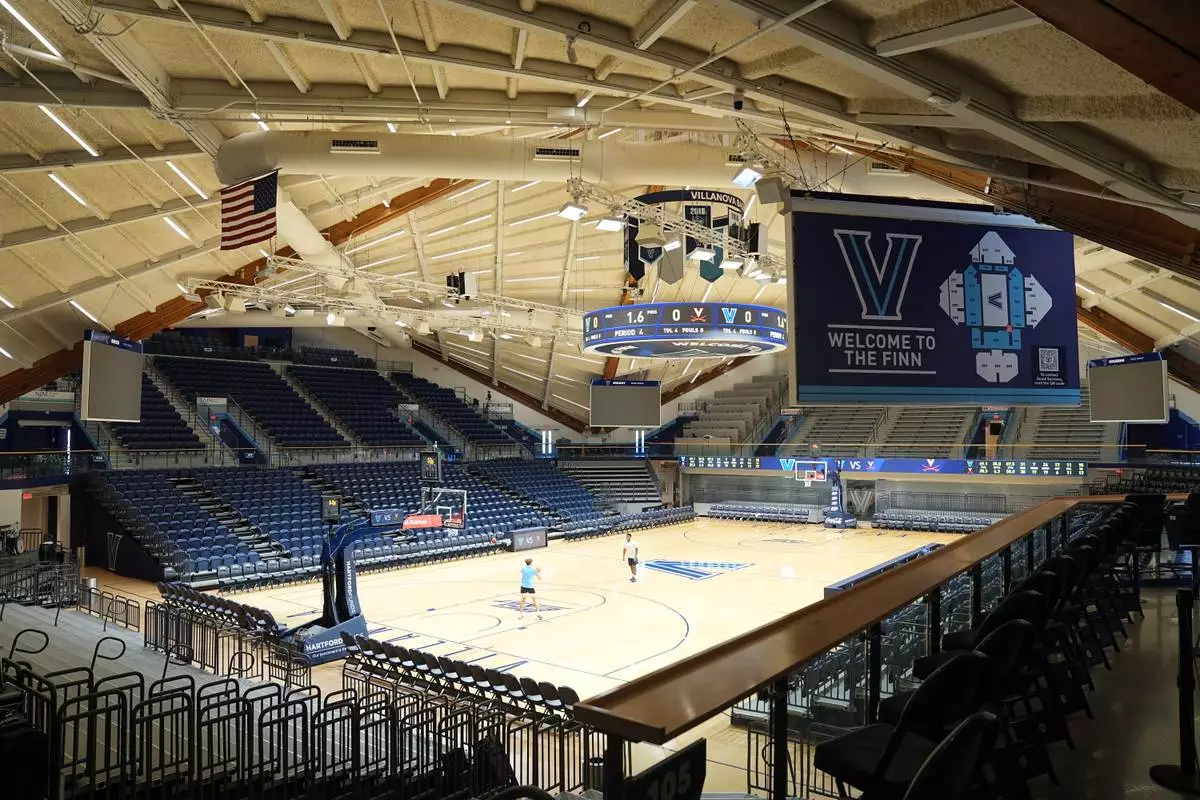
The interior of Finneran Pavilion is seen at Villanova University in Villanova, Pa., Wednesday, Oct. 21, 2026. (AP Photo/Matt Rourke)
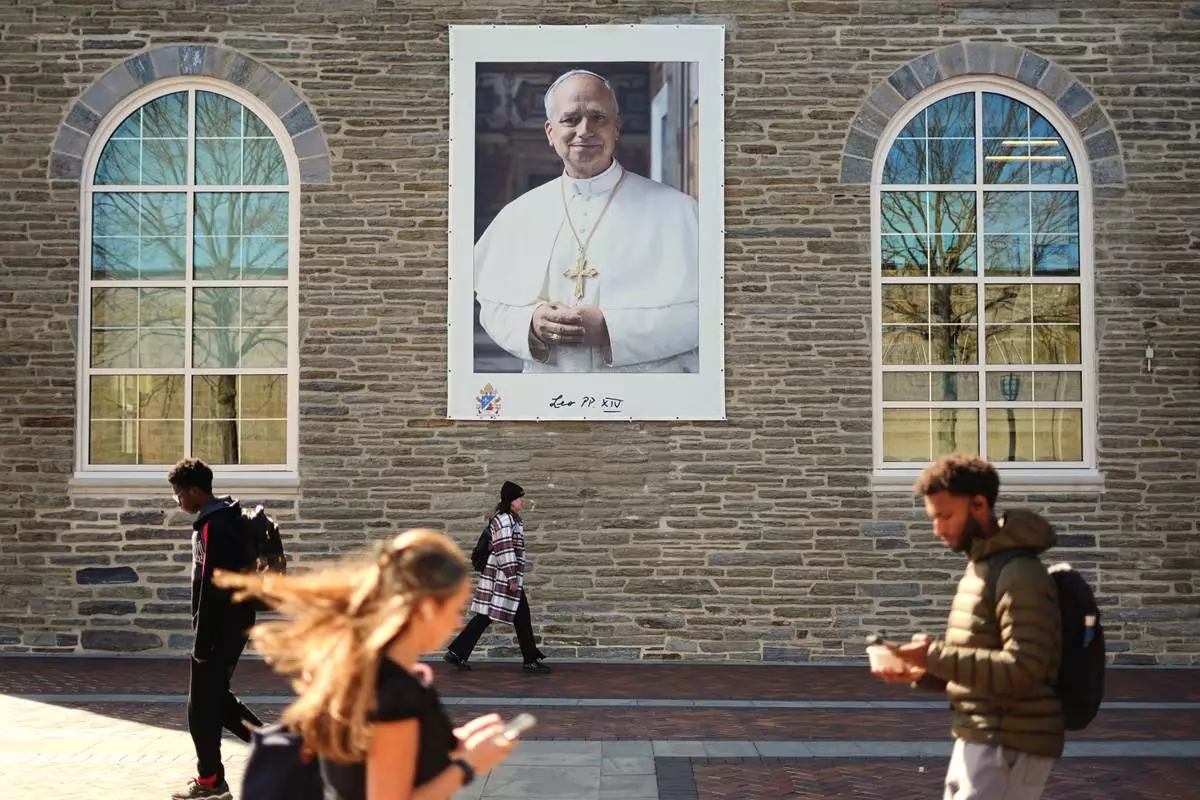
Students walk past an image of Pope Leo XIV at Villanova University in Villanova, Pa., Wednesday, Oct. 21, 2026. (AP Photo/Matt Rourke)
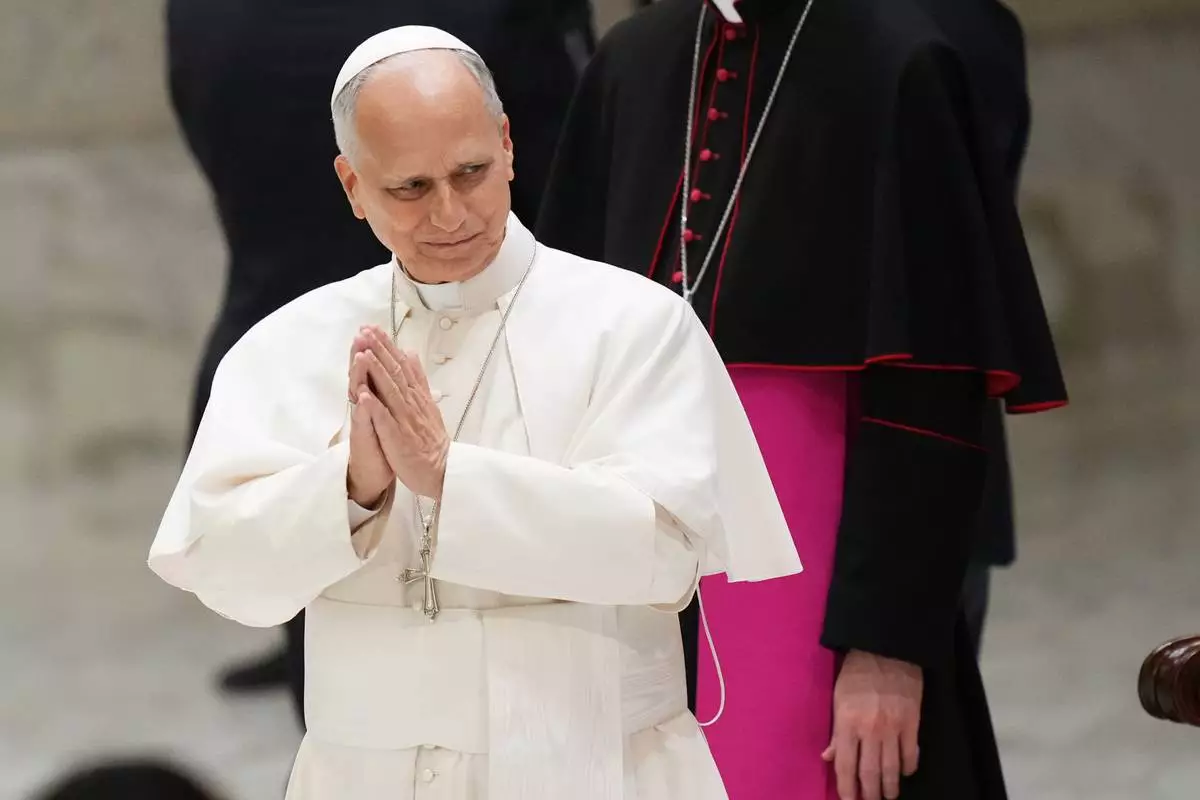
Pope Leo XIV greets participants in an audience with the Jesus Youth International Conference in the Paul VI Hall at the Vatican, Saturday, Oct. 24, 2026. (AP Photo/Alessandra Tarantino)
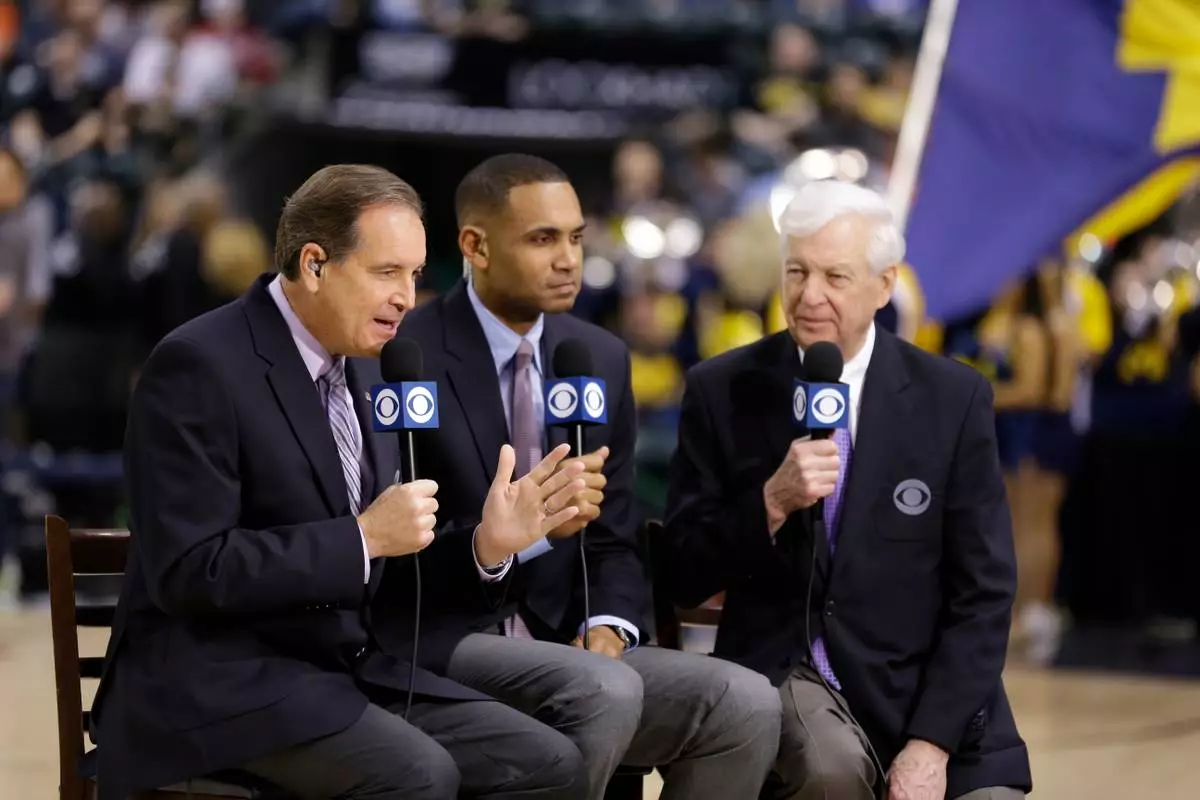
FILE - CBS broadcasters Jim Nantz, Grant Hill and Bill Raftery give commentary before an NCAA college basketball game during the semifinals of the Big Ten Conference tournament in Indianapolis, March 12, 2016. (AP Photo/Michael Conroy, File)
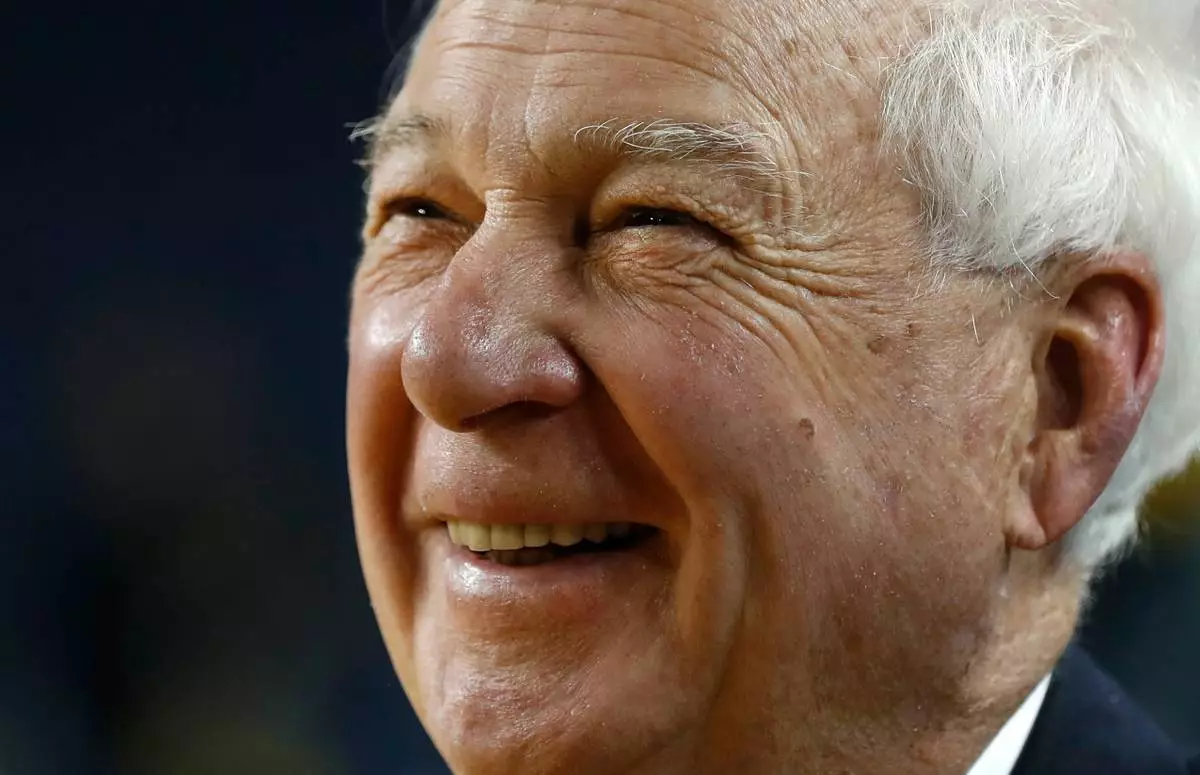
FILE - Bill Raftery, a CBS college basketball analyst, smiles after an NCAA basketball game between Michigan and Indiana in Ann Arbor, Mich., Dec. 11, 2017. (AP Photo/Paul Sancya, File)