DENVER (AP) — An Egyptian man faces an additional life sentence after pleading guilty Thursday to federal hate crime and other charges for a deadly firebombing attack on demonstrators in Boulder, Colorado, last year.
Mohamed Soliman is already serving life in prison plus hundreds of years of additional time after pleading guilty to state charges last spring. Federal prosecutors, who previously said they would not seek the death penalty against Soliman, said at his change-of-plea hearing they would seek a life term plus 50 years in prison for the dozen counts.
Soliman spoke through an interpreter at the hearing and said little besides “yes” and “no” responses to the judge’s questioning, such as whether he understood the consequences of pleading guilty. That was in contrast to his change-of-plea hearing and sentencing in state court in May, when Soliman apologized to the victims and expressed regret for the attack but also defended his basic view motivating it.
Wearing a brown shirt and khaki-colored pants, Soliman was led out of court in handcuffs and shackles without looking at the victims in the courtroom.
Yelling “Free Palestine,” Soliman lit and threw two Molotov cocktails at the demonstrators who were marching in support of hostages taken in the Oct. 7, 2023, Hamas attack on Israel.
Federal prosecutors accused Soliman of attacking in June 2025 because the demonstrators were Jewish. The flames badly burned Karen Diamond, 82, and injured a dozen others.
Diamond died three weeks later. Her family says she suffered “indescribable pain.”
In all, Soliman pleaded guilty to nine federal counts of hate crimes, including one resulting in Diamond’s death and eight for attempting to kill other demonstrators. Three additional counts were federal explosives charges.
“The defendant violently used the explosives to cause permanent and life-threatening injuries to several of these victims and cause the death of Karen Diamond,” Assistant U.S. Attorney Melissa Hindman said in court shortly before Soliman pleaded guilty.
The plea agreement, including Soliman’s proposed sentencing, was “victim-driven,” Colorado U.S. Attorney Peter McNeilly said in a news conference after the hearing.
“Nothing can bring Karen Diamond back. Nothing can take away the physical injuries or the trauma that these victims will bear for the rest of their lives,” McNeilly said. “But we believe the resolution of this case gives the victims of the case everything that they wanted out of this resolution.”
A group of victims sat stoically in the courtroom, some taking notes as the judge asked Soliman if he understood the proceedings. Several victims intended to make statements at Soliman’s sentencing but declined to do so in court Thursday, Hindman told the court.
Colorado U.S. District Judge John Kane said he would review sentencing guidelines before deciding whether to accept or reject prosecutors’ sentencing recommendation. He noted the guidelines are not binding.
“I have not made up my mind about the sentence,” Kane said. “Sometimes I follow that advice and sometimes I don’t.”
Soliman's federal sentencing was set for Jan. 7.
Boulder residents, particularly the Jewish community, described being unnerved by the attack in their city northwest of Denver that’s home to the University of Colorado.
The group “Run for Their Lives” had been demonstrating weekly downtown. Soliman got near the demonstration on Pearl Street, a pedestrian mall lined with shops and restaurants, by posing as a gardener.
Federal authorities alleged Soliman planned the attack for a year. After his arrest, Soliman told police he sought “to kill all Zionist people,” a reference to the movement to establish and protect a Jewish state in Israel, according to an FBI affidavit.
Federal officials said he was in the U.S. illegally. He entered in 2022 on a tourist visa that expired the following year, then filed for asylum.
He was granted work authorization, but it too expired, federal officials said.
Soliman was living with his wife and their five children in an apartment in Colorado Springs at the time of the attack. He worked a series of low-paying jobs.
The couple divorced in April. Soliman recently dropped his opposition to removing his family from the U.S.
Prosecutors in Soliman’s state case argued he planned for more harm than he carried out. He tried twice to buy a gun and was denied, they said.
He brought 18 Molotov cocktails — bottles filled with flammable liquid that are lit, thrown and burst into flames when they shatter — to the demonstration in a box, but only two were thrown.
Of the 29 attack victims identified by state prosecutors, 13 were physically injured. Prosecutors considered the rest victims because they could have been hurt.
An injured dog led to a state animal cruelty charge.
While in court to plead guilty to the state charges in May, Soliman said he has known and respected Jewish people but questioned the deaths of innocent people in Israeli attacks on Gaza.
“Yes, I am against Israel and I can’t deny that. And that is my right,” Soliman said.
Gruver reported from Fort Collins, Colorado.
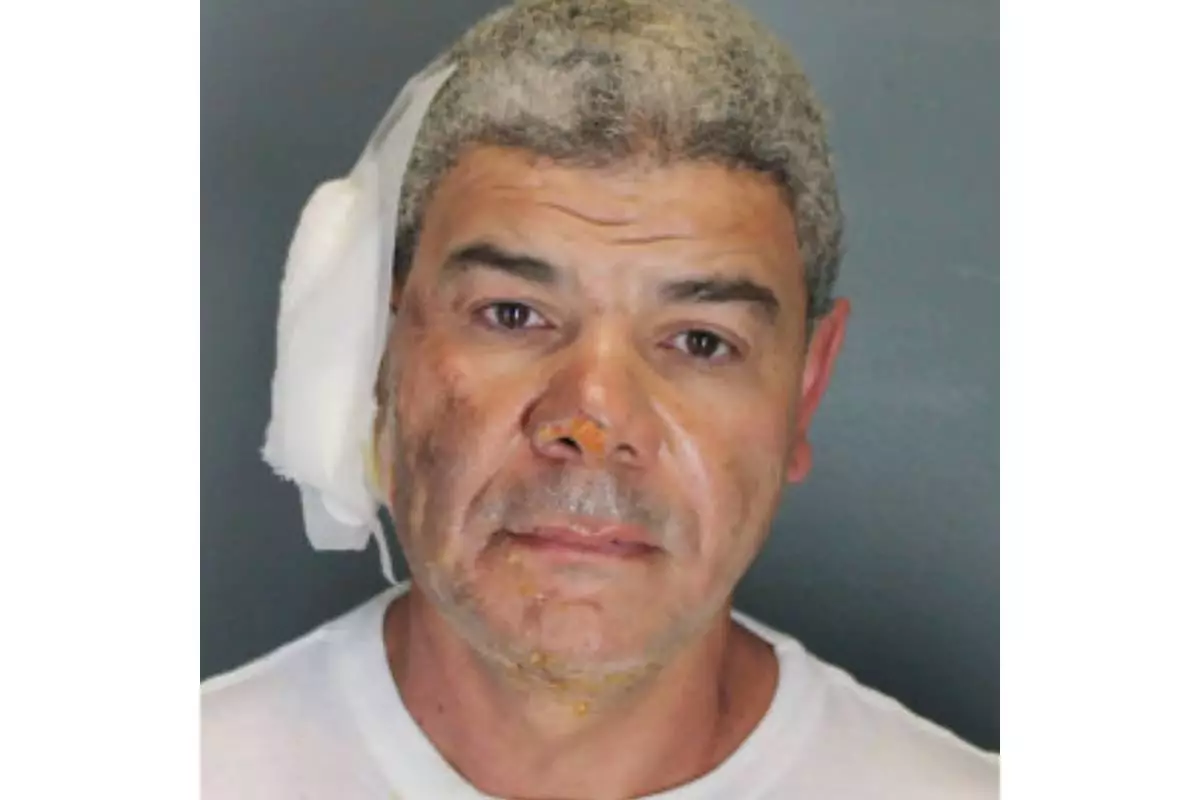
FILE - This image provided by the Boulder Police Dept. shows Mohamed Sabry Soliman. (Boulder Police Dept. via AP, File)
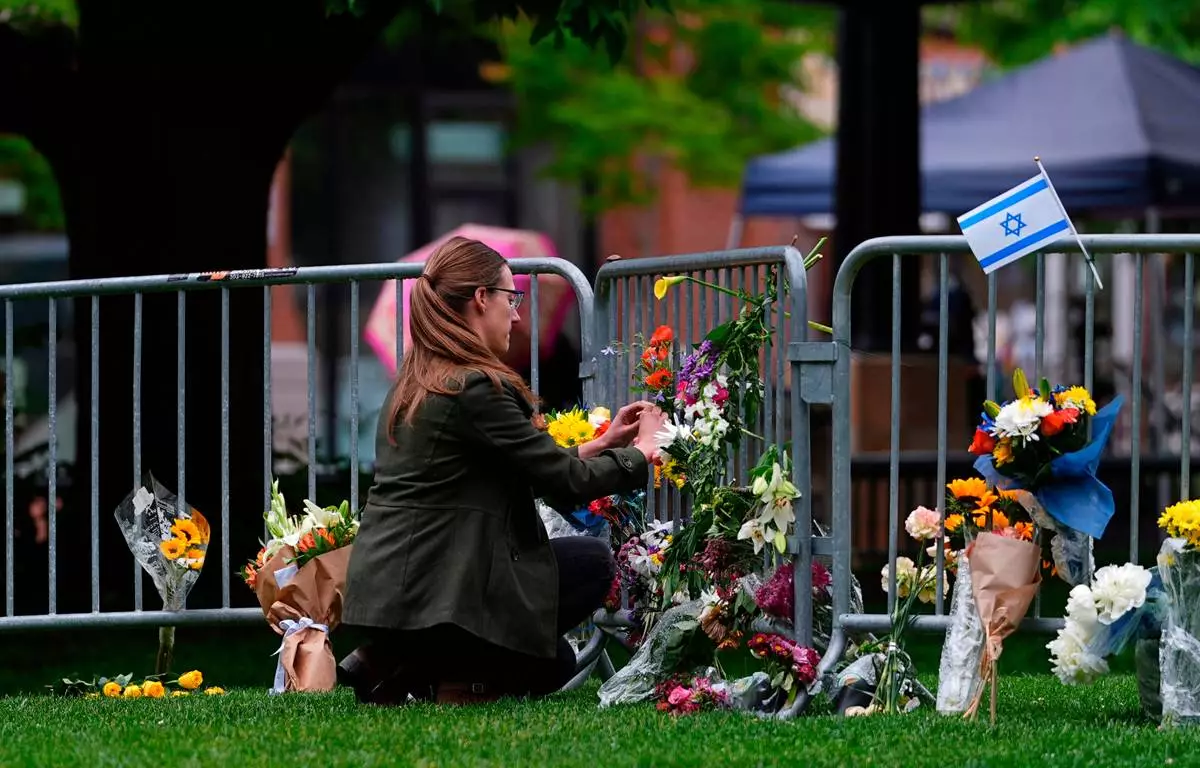
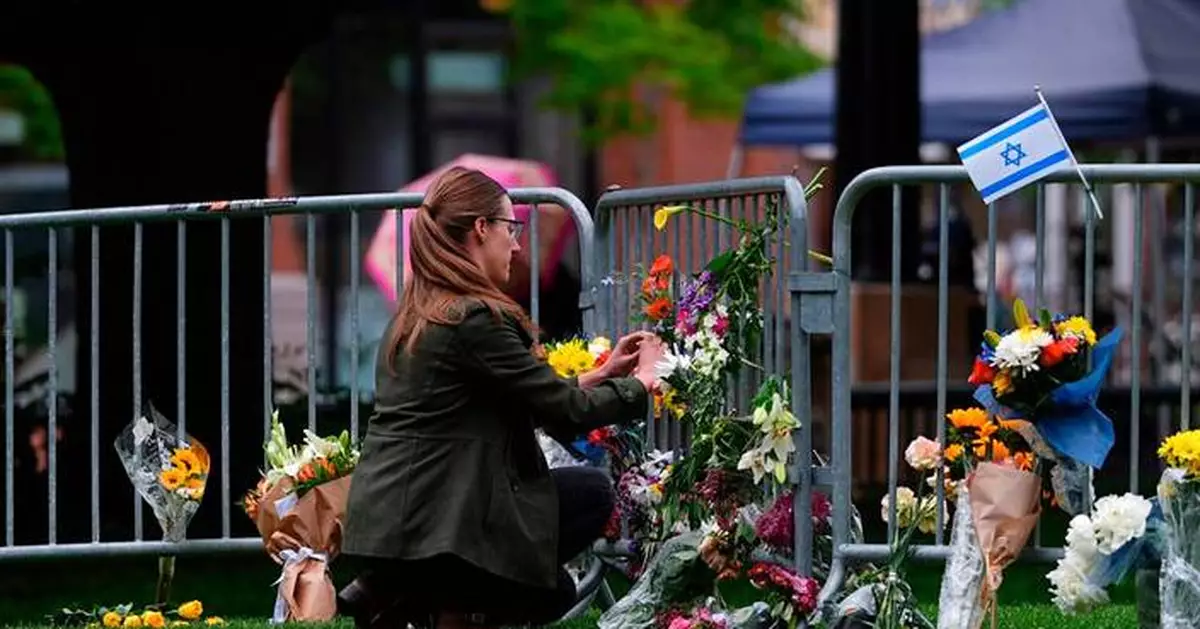
FILE - A woman places a bouquet of flowers at a makeshift memorial for victims of an attack outside of the Boulder County, Colo., courthouse, June 3, 2025, in Boulder, Colo. (AP Photo/David Zalubowski, File)
ROCK HILL, S.C. (AP) — President Donald Trump was in South Carolina for the second time in a month on Thursday, a sign of growing Republican anxiety about Darline Graham's ability to fend off a robust challenge from Democrat Annie Andrews for a critical U.S. Senate seat.
Voters in South Carolina have not sent a Democrat to the Senate in nearly three decades. But Andrews, a pediatrician who previously ran unsuccessfully for Congress, is urging voters seeking change to “try something new for once.”
That message could resonate in an election year that has come to be defined by voter frustration with the economy, gas prices and the war in Iran, putting Trump's Republican Party on defense in territory where they've rarely had to compete in recent years. Beyond South Carolina, Republicans are entering the final days of this year's midterms navigating tight contests in Texas, Kansas, Ohio, Iowa and Alaska.
Both parties are also closely following developments in the Mississippi Senate race.
In South Carolina, Graham has struggled to quickly build connections with voters. The sister of the late Sen. Lindsey Graham, she was appointed in July by Republican Gov. Henry McMaster to fill the remaining months of her brother’s term after his sudden death. In August, she became the party’s nominee to succeed him for a full six-year term.
“He was a great politician,” Trump said of Lindsey Graham, before promoting Darline Graham as his elected successor. “She’s got the gene.”
Trump also acknowledged pressing her to run at a time other Republicans were seeking the seat.
“I got you into this thing, Darline,” Trump quipped.
Speaking before Trump, Darline Graham commended the president for having “delivered what Washington promised for decades” and she warned that Andrews “would just throw it all away."
Andrews appeared in nearby Fort Mill on Wednesday, where she said that if voters elect her and become unhappy with her performance on Capitol Hill, “you can fire me in six years.”
“I promise that I won’t let you down, that I’m going to win you all over,” she said.
Andrews' success on Tuesday, Election Day, will likely hinge on winning support from disaffected Republicans like Brent Chaplin. The 37-year-old who works in finance and accounting said he's a registered Republican, “but it's hard to be that right now.”
He said he voted for Andrews and encouraged voters to think beyond partisan politics.
“You just can't go and say I'm a Republican, I'm just going to vote Republican,” said Chaplin, who voted for Trump in 2016. “You've got to put some brainpower into it and think about it. So hopefully it is a message to the powers that be to wake up, pick better candidates.”
Benjamin Updegraft, a 32-year-old software engineer, expressed frustration that the Senate seat might stay in the Graham family.
“The Senate is not an inherited position,” he said. “This is not a country where these noble titles are passed down between families.”
Though he was in South Carolina, Trump spent part of his Thursday speech opining on contests in North Carolina, Michigan, Texas, Minnesota and Alaska.
He has been especially focused on Alaska after The New York Times reported on Wednesday that the Democratic Senate candidate's campaign appeared to be involved in recruiting another candidate with the same name as Republican incumbent Dan Sullivan. The state's Republican governor has ordered an investigation.
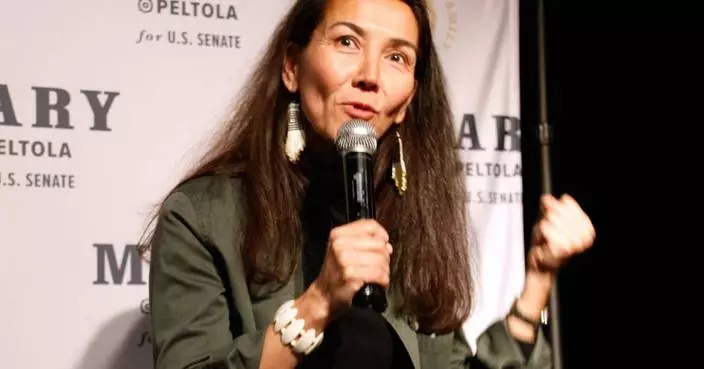
Trump called the development a “conspiracy” and called for the Democrat in the race, Mary Peltola, to be removed from the ballot. He has cast doubt on whether Peltola would be seated in the Senate even if she won the election.
Peltola’s campaign didn’t immediately respond to a message Thursday seeking comment on Dunleavy’s order. But during a campaign stop in Soldotna, Peltola, a former congresswoman, suggested the Times’ report was a “distraction” from issues such as Sen. Sullivan’s support of the war in Iran.
The revelation in Alaska was a reminder of the volatility of the midterm's final days as both parties make decisions about how to spend time and money with control of Congress on the line.
A Trump rally that was scheduled for Saturday in Kansas has been converted into a virtual tele-rally, according to a person familiar with the plans. The event had been planned as an effort to help GOP Sen. Roger Marshall, who’s in an extraordinarily competitive race against Democrat and Methodist megachurch pastor Adam Hamilton.
Trump will hold tele-rallies in two dozen states in the coming days, including Texas, Kansas, Iowa, New York, Pennsylvania and Michigan, according to another person familiar with the president's plans. Both people spoke on condition of anonymity because they were not authorized to speak publicly.
__
Sloan and Kinnard reported from Washington. Associated Press writers John Hanna in Topeka, Kansas and Michelle L. Price in Washington contributed to this report.
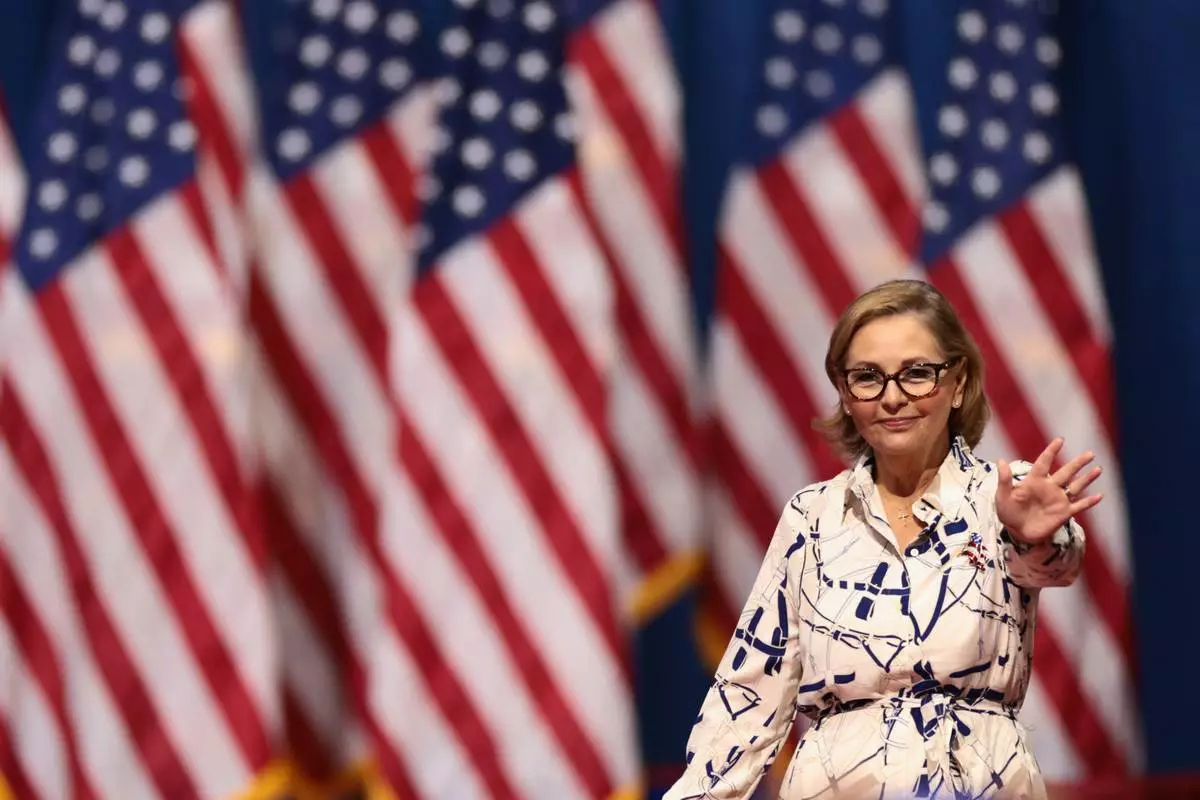
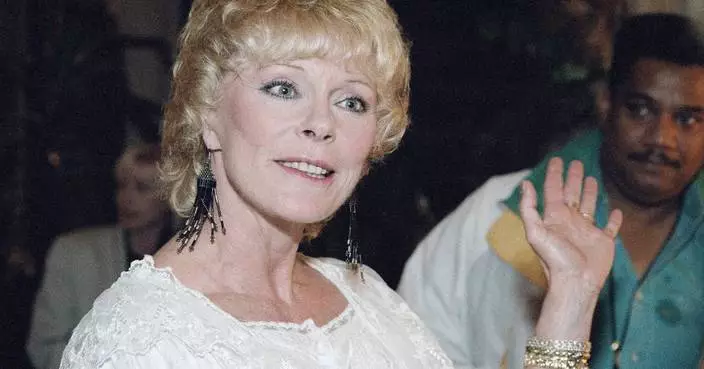
Sen. Darline Graham, R-S.C., waves during a campaign rally in Rock Hill, S.C., Thursday, Oct. 29, 2026. (AP Photo/Scott Kinser)

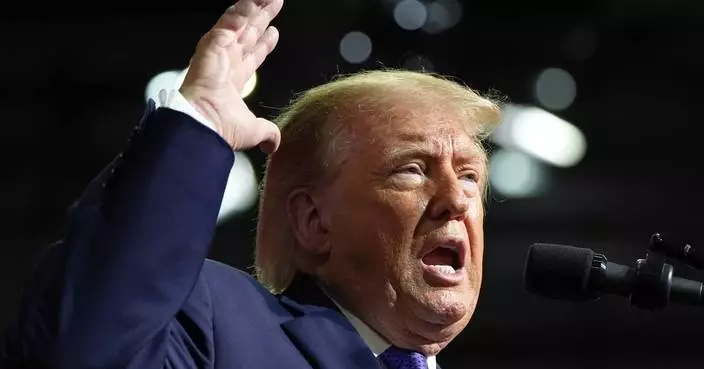
President Donald Trump arrives to speak during a campaign rally at Rock Hill Sports and Event Center, Thursday, Oct. 29, 2026, in Rock Hill, S.C. (AP Photo/Alex Brandon)
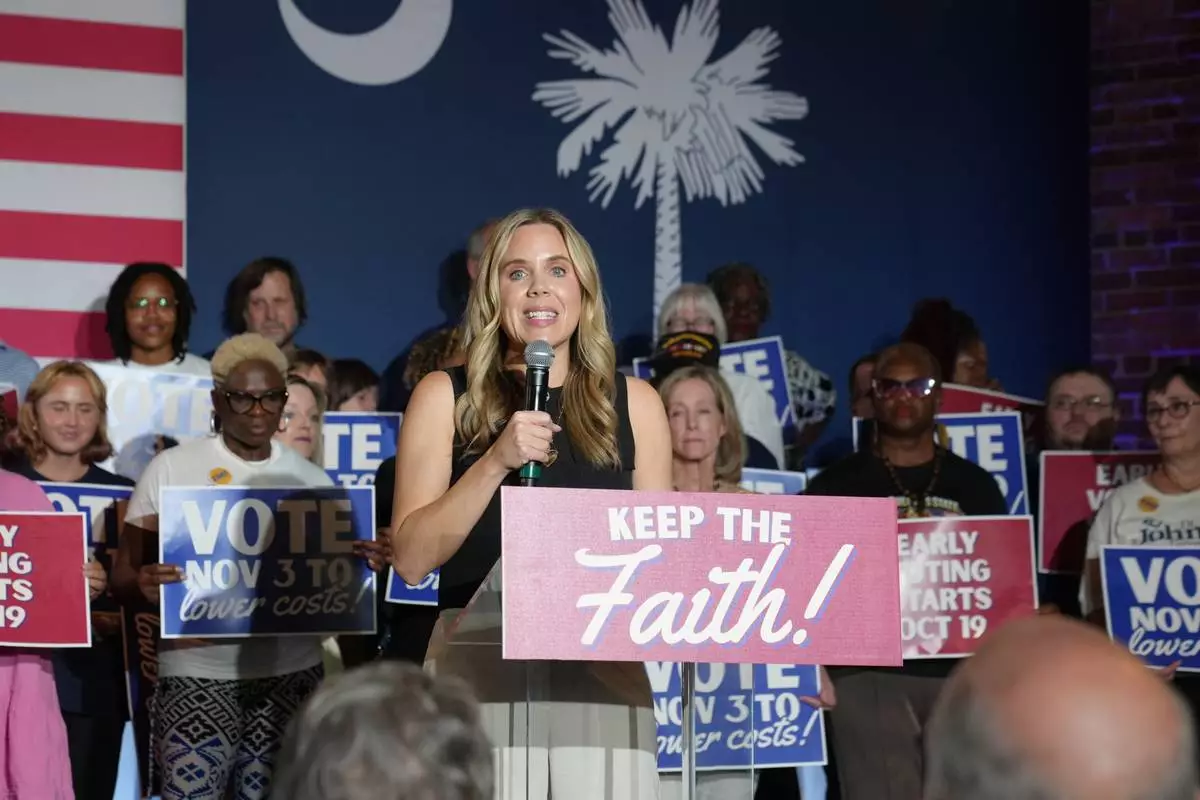
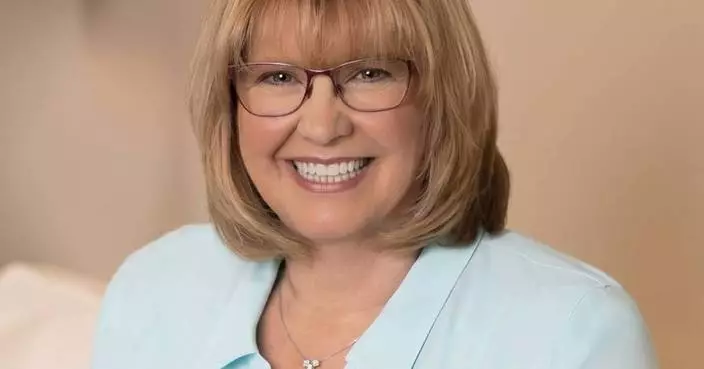
Dr. Annie Andrews, Democratic nominee for U.S. Senate, participates in a Get Out the Vote rally with other Democratic nominees in the midterm elections Friday, Oct. 16, 2026, in Columbia, S.C. (AP Photo/Meg Kinnard)
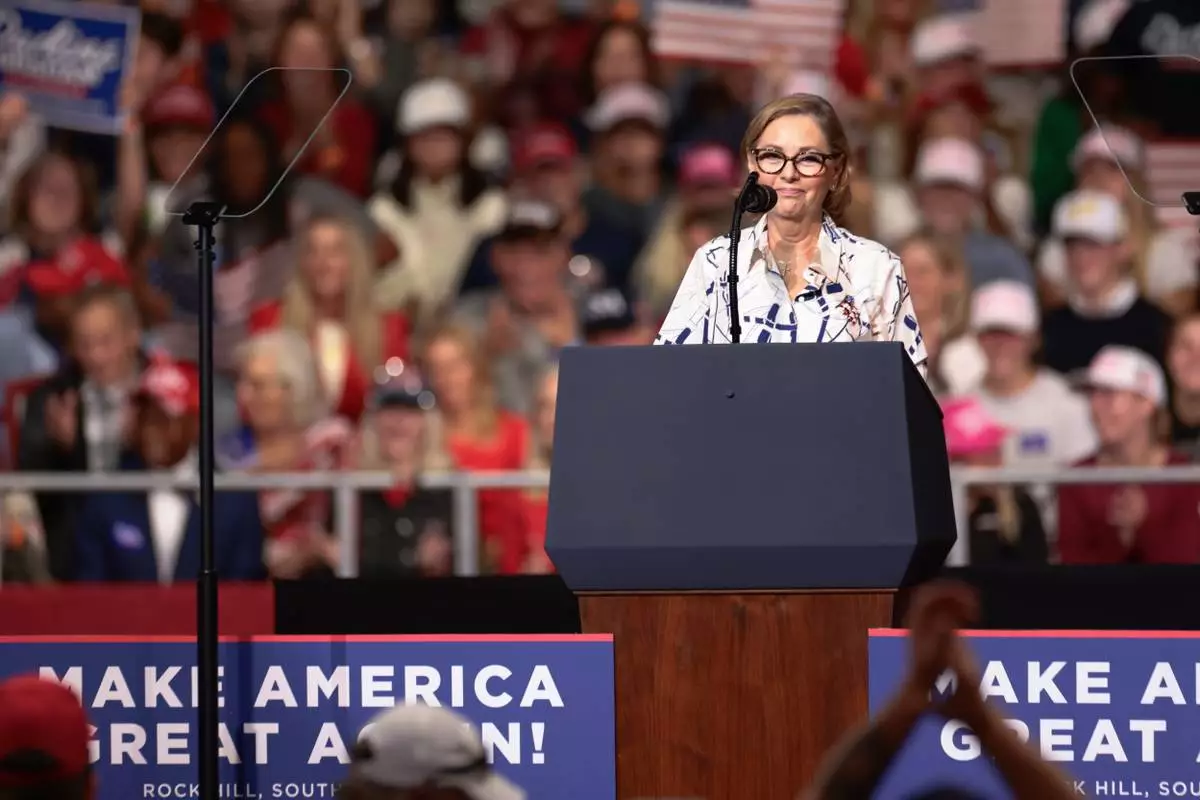
Sen. Darline Graham, R-S.C.,speaks at a campaign rally in Rock Hill, S.C., Thursday, Oct. 29, 2026. (AP Photo/Scott Kinser)