WINDSOR, Ontario (AP) — Players from the U.S. and Canada don’t know what jerseys they will be wearing at the women’s world hockey championship that begins next week in Denmark.
There is an ongoing dispute between the countries’ governing bodies and the International Ice Hockey Federation over the control of commercial rights for national team jerseys.
The IIHF announced an agreement with True Hockey a year ago stating the company would be the “exclusive supplier of team uniforms and apparel for all IIHF member national associations for all international events” beginning in the 2026-27 season. It remains unclear if the agreement was completed.
USA Hockey has a jersey deal in place with CCM and Hockey Canada with Bauer. The organizations have pushed back in a court in Switzerland, where the IIHF is based.
IIHF bylaws state it has final approval on jersey designs, but member national associations (MNA) “retain all rights related to their national team logo, emblem and uniform design.” The document goes on to say, “the IIHF shall not use MNA team jerseys for commercial purposes unless approval is provided by the respective MNA.”
The sport’s world governing body called an extraordinary congress in May with an eye toward changing its statutes to allow for control of national team jersey commercial rights. Hockey Canada and USA Hockey each filed for injunctions with the Swiss court, The Athletic reported.
Temporary injunctions were granted before the congress, but were revoked by the court last month. Hockey Canada and USA Hockey have appealed.
The standoff means both countries might be forced to don generic jerseys at the worlds because True Hockey can’t use either federation’s designs or markings.
Hockey Canada said in a statement that “wearing our Maple Leaf is incredibly important to our national team athletes.”
“We are hopeful that we will reach a positive resolution with the IIHF’s new administration that will allow the national women’s team to do so when they represent Canada.”
See AP’s full women’s hockey coverage here
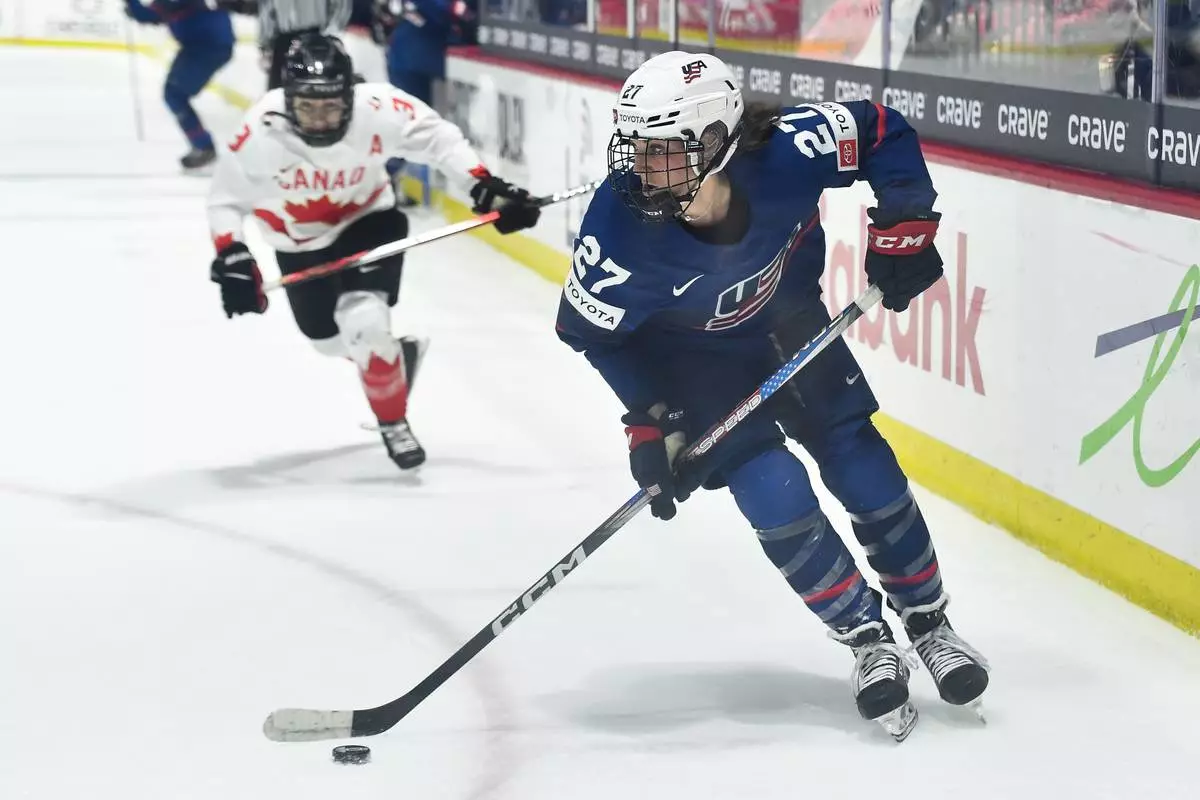
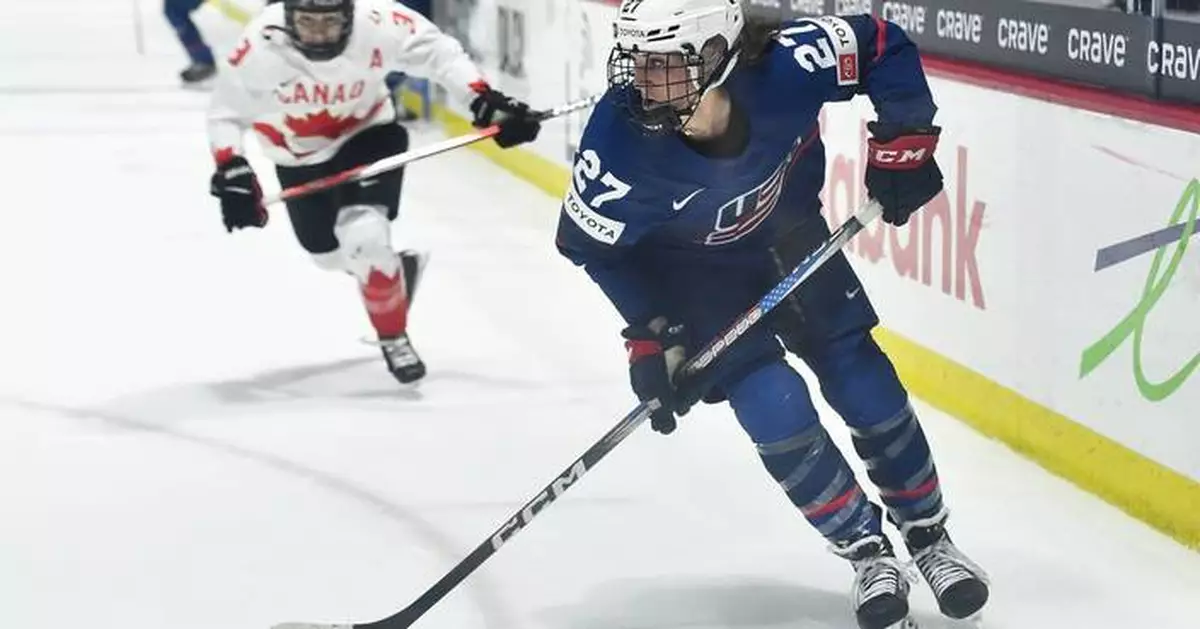
FILE - United States forward Taylor Heise (27) skates with the puck during the second period in the final against Canada at the IIHF Women's World Hockey Championships in Utica, N.Y., April 14, 2024. (AP Photo/Adrian Kraus, File)
COLUMBUS, Ohio (AP) — The Ohio Supreme Court filed an order Thursday that will keep the two dozen players involved in an eligibility case in that state available to play for teams across the country, with the start of college basketball season beginning next week.
The order kept in place a ruling from earlier this month, when the state's high court stayed a lower-court ruling that would have declared the players ineligible.
The NCAA is the defendant in a case filed by lead plaintiff Filip Borovicanin of Xavier, which opens its season on Monday. Other basketball players in the case include Gonzaga's Javon Bennett, Cincinnati's MJ Collins and Auburn's Kolby King.
The NCAA legal office sent a memo to its members late Thursday saying it was “deeply disappointed” in the latest legal outcome from a saga that upended the start of football season and is now bleeding into the start of basketball.
"Every minute played by an ineligible player is an opportunity deprived to an eligible student-athlete — sometimes in the pinnacle events of a season," the letter said. “And it provides a significant competitive advantage to schools rostering experienced players who exhausted their eligibility.”
The court became involved in the college eligibility issue when it was asked to determine the legality of an executive order issued earlier this month by Gov. Mike DeWine that granted athletes in Ohio who graduated from high school in 2022 a fifth year of college eligibility in defiance of NCAA rules.
Part of the case involved both parties asking the court to weigh in on the Borovicanin case.
The NCAA then sued DeWine in federal court, saying his order made it “impossible for all schools to compete on a level playing field.”
Earlier this year, the NCAA passed a rule granting players five seasons of eligibility, but it did not include the high school class of '22 in the new rule. That, in turn, has triggered dozens of lawsuits across the country and created chaos as coaches try to finalize their rosters.
Sign up for Top 25 poll alerts here, visit the Top 25 here and see AP’s full men’s basketball coverage here
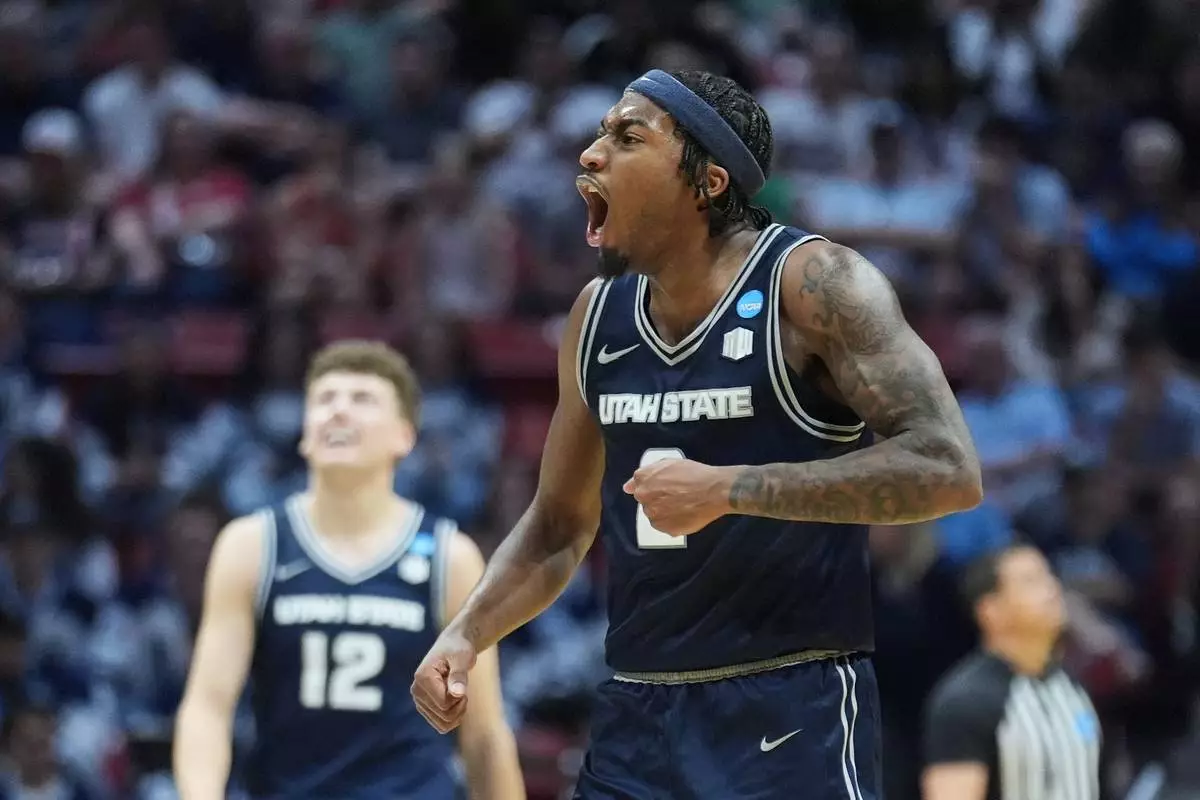
FILE - Utah State guard MJ Collins, who has since transferred to Cincinnati, celebrates during the second half in the first round of the NCAA college basketball tournament against Villanova, Friday, March 20, 2026, in San Diego. (AP Photo/Marcio Jose Sanchez, File)
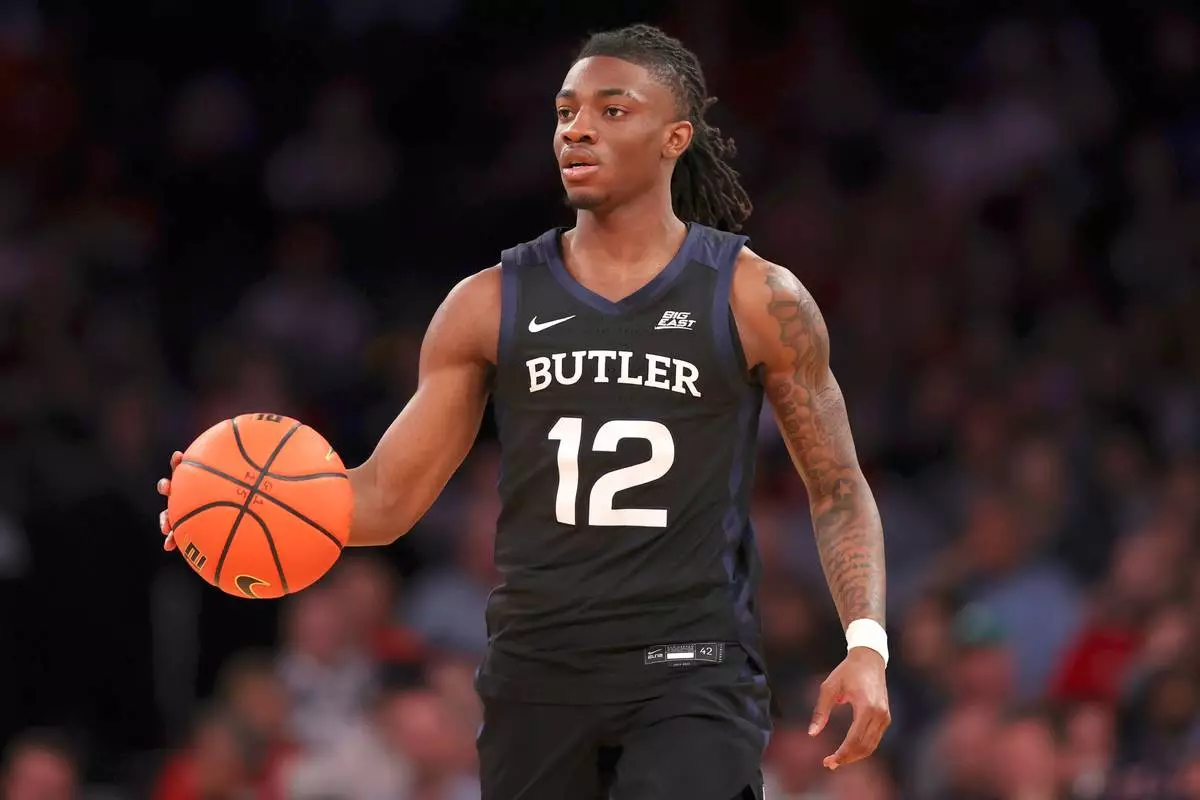
FILE - Butler guard Kolby King (12), who has since transferred to Auburn, dribbles during the second half of an NCAA college basketball game against St. John's in the quarterfinals of the Big East Conference tournament, Thursday, March 13, 2025, in New York. (AP Photo/Pamela Smith, File)
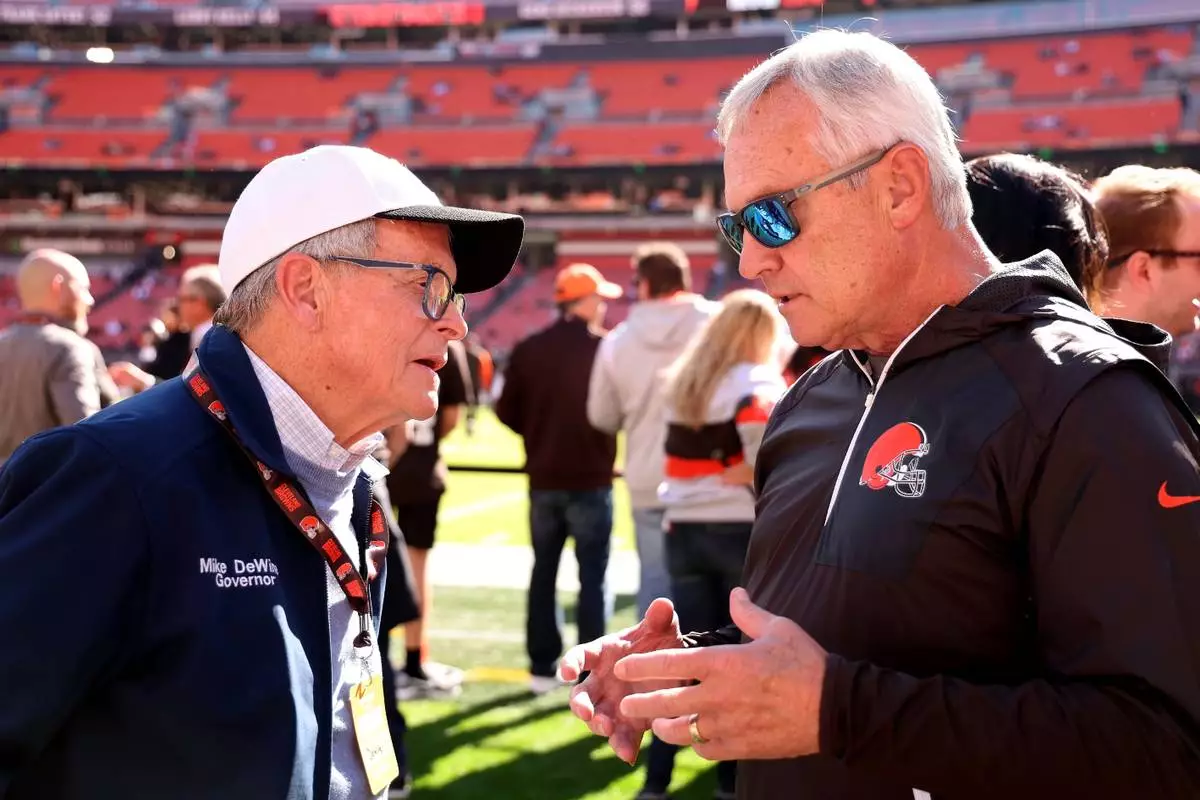
FILE - Ohio Gov. Mike DeWine talks with former Ohio State coach Jim Tressel while standing on the sideline prior to the start of an NFL football game between the Cincinnati Bengals and the Cleveland Browns, Oct. 20, 2024, in Cleveland. (AP Photo/Kirk Irwin, File)
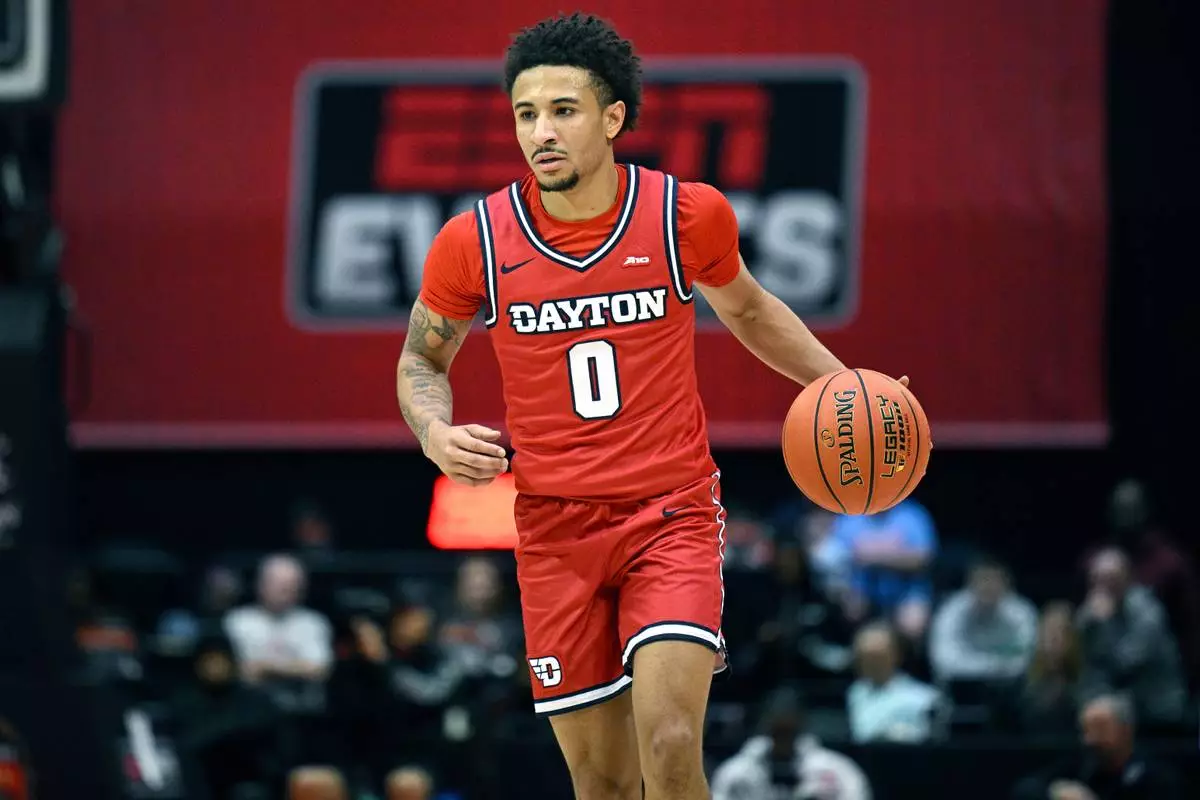
FILE - Dayton guard Javon Bennett (0), who has since transferred to Gonzaga, brings the ball up the court against BYU during the first half of an NCAA college basketball game, Friday, Nov. 28, 2025, in Kissimmee, Fla. (AP Photo/Phelan M. Ebenhack, File)
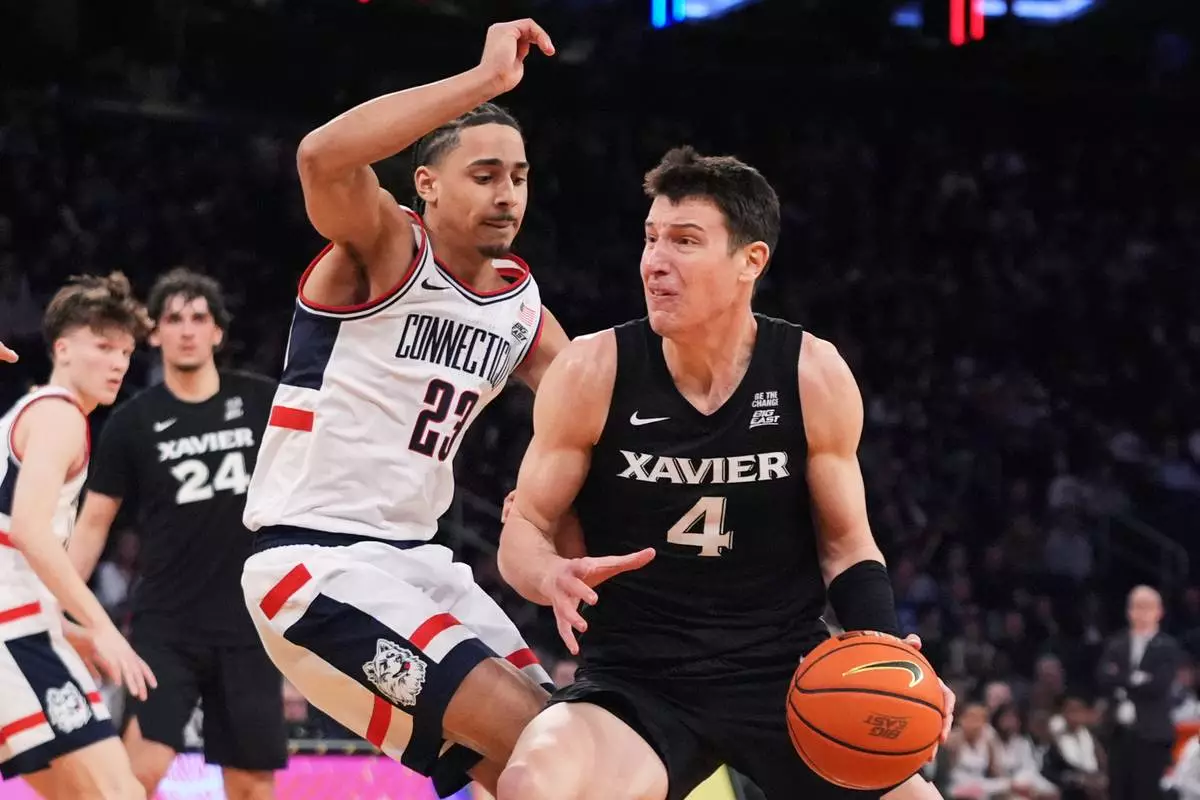
FILE - Xavier's Filip Borovicanin, right, drives on UConn's Jayden Ross (23) during second half of an NCAA college basketball game in the quarterfinals of the Big East basketball tournament Thursday, March 12, 2026, in New York. (AP Photo/Frank Franklin II, File)