The purchasing managers' index (PMI) for China's manufacturing sector dropped to 49.3 in October, down 0.8 percentage points from the previous month, official data showed on Saturday.
A reading above 50 indicates expansion, while a reading below 50 signifies contraction.
The National Bureau of Statistics (NBS) and the China Federation of Logistics and Purchasing released the October PMI data on Saturday. Although the manufacturing PMI returned to contraction in October, new growth drivers continued to expand, highlighting their significant role in supporting the sector.
Historical data show that seasonal disturbances are common around this time each year. The current slowdown was primarily driven by a decline in overseas Christmas-related orders after their concentrated release last month, the fading of the consumption peak after the long holiday, and basic raw materials entering their traditional off-season — all pointing to a periodic, short-term adjustment.
Although manufacturing sentiment weakened seasonally in October, divergence across industries was notable. Equipment manufacturing, high-tech manufacturing and other new growth driver sectors continued to expand, helping offset pressure from the downturn in traditional sectors.
Overall manufacturing demand softened in October. The growth in purchase prices for raw materials and factory-gate prices for manufactured goods slowed. Although the two price indices fell, they remained above year-earlier levels, with overall industrial product prices staying relatively high.
"By industry, October's PMI data showed that for sectors including railway equipment, shipbuilding, aerospace equipment, computers, communications and electronic equipment, the production and new order indices all stood at 53 or above, indicating relatively high production and demand activity in these industries," said Huo Lihui, chief statistician at the NBS Service Industry Survey Center.
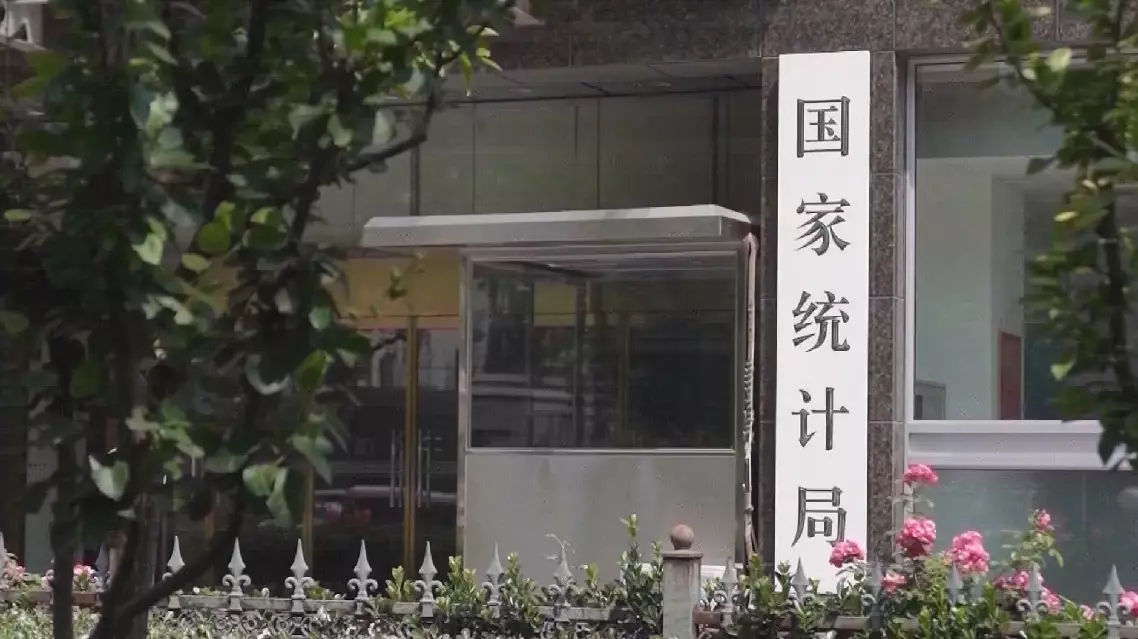
China's manufacturing PMI falls in October, new growth drivers continue to expand
Traditional Dong ethnic attire is drawing travelers to Zhaoxing Dong Village in southwest China's Guizhou Province, where a travel photography boom is creating jobs and promoting local culture.
As one of China's largest villages primarily inhabited by Dong ethnic residents, Zhaoxing Dong Village in Liping County was once economically underdeveloped due to poor transportation and a lack of industrial diversity. In recent years, the village has leveraged its unique ethnic culture and ecological resources to develop cultural tourism.
At 08:00, a shop renting ethnic clothing in the village is already open. Tourists can rent traditional Dong outfits, with silver necklaces and headpieces included, for the day and pose for photos with traditional village buildings as a backdrop. Once reserved mainly for festivals, the garments now underpin a steady rental business, fueled by the growing popularity of travel photography.
"We have a peak season in July and August. During that time, the shop can serve over 100 customers a day. I usually serve at least 15 to 20 customers myself. In the off-season, we get about five or six customers on Saturdays and Sundays. In the peak season, my monthly income is over 10,000 yuan (about 1,500 U.S. dollars)," said Li Cancan, a makeup and styling artist at a local photo studio.
Some travelers hire local photographers. While some prefer daytime shoots, nighttime sessions keep photographers busy late into the night.
"It's quite common to start shooting at 07:00 or 08:00 and work until 01:00 or 02:00 the next morning. July and August tend to be busier, and the same goes for holidays like Labor Day and National Day," said Huang Liang, a photographer at a local studio.
From costume rentals and makeup services to outdoor shoots and photo editing, Zhaoxing Dong Village has developed a complete travel photography industry chain that offers visitors a full experience.
"I think the yellow really suits my skin tone. I was very happy today. I took a lot of photos and they came out really well," said Jiang Yuxin, a visitor from south China's Guangdong Province.
The village now has 76 photo studios, creating jobs for more than 200 villagers near their homes.
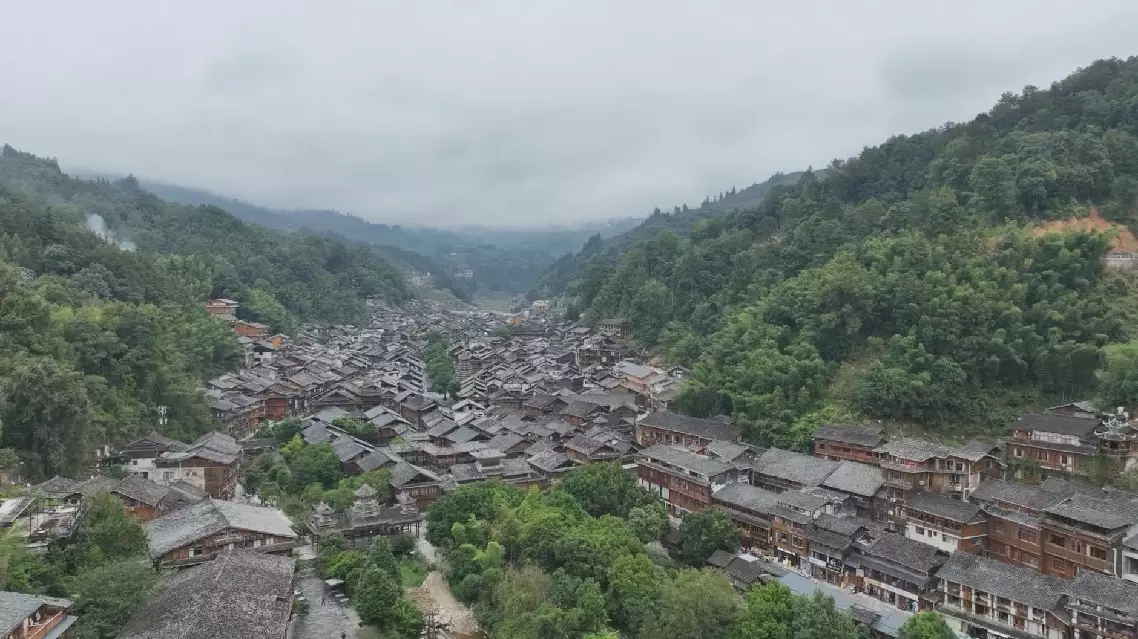
Travel photography booms in Guizhou's Dong ethnic village