Residents in the United Kingdom are voicing growing concern over the government's newly launched national emergency preparedness campaign, as public anxiety drives a surge in purchases of essential household goods.
The British government launched its "Be Ready" campaign on Oct. 22, urging households to stock enough basic essentials to survive for 72 hours without external assistance, a campaign driven by heightened security concerns.
Following the launch, UK Defense Secretary Wes Streeting warned that adversaries could launch an attack before 2030, as the government urged the public to stock up on emergency supplies, media reports said.
After the announcement, many residents expressed concerns over financial constraints and their ability to stock up.
"Not everyone can afford to stock up ahead of time. I work with a food race charity, and we help a lot of families and older isolated people with food on a weekly basis. They can't afford to stock up," said a resident.
Retail sales have jumped significantly since the announcement. One retailer reported a 160 percent weekly increase in radio sales, while another saw sales of torches surge by 284 percent, alongside a 92 percent rise in radios and a 106 percent increase in power banks, according to media reports.
Regarding the panic buying, some residents shared their thoughts on the need for calm purchasing.
"I mean, my honest opinion, I feel like it could be a little bit of a scandal, but it could also be true, because we see a lot of things on social media these days, and we don't ever know what's going to be true and what's not going to be true. If people were to stock up, please do it now instead of people panic buying. So then the situation deescalates, and people have a little bit more peace of mind," said another resident.
Visible shortages on supermarket shelves have heightened local anxieties about everyday disruption.
"I'm just so worried that I went into Waitrose [supermarket] the other day and all the shelves of tuna are gone, all the shelves of water are gone and you know we're not there yet. And when the Defense Secretary was talking about that, he actually said we should be preparing for three years' time," said a resident.

UK emergency preparedness campaign sparks panic buying, concerns

UK emergency preparedness campaign sparks panic buying, concerns

UK emergency preparedness campaign sparks panic buying, concerns
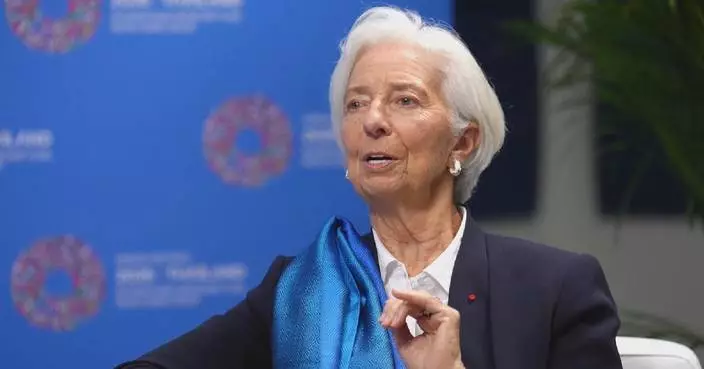
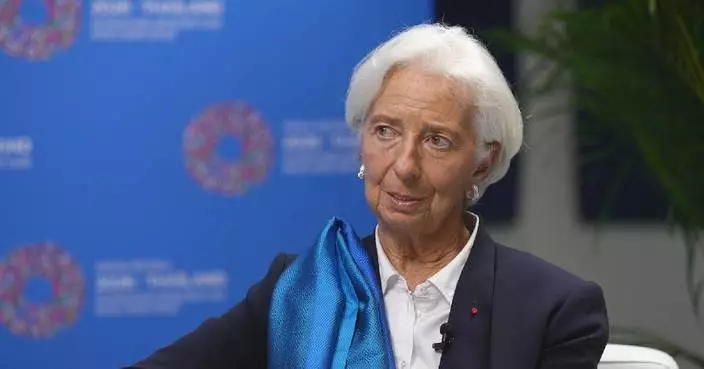
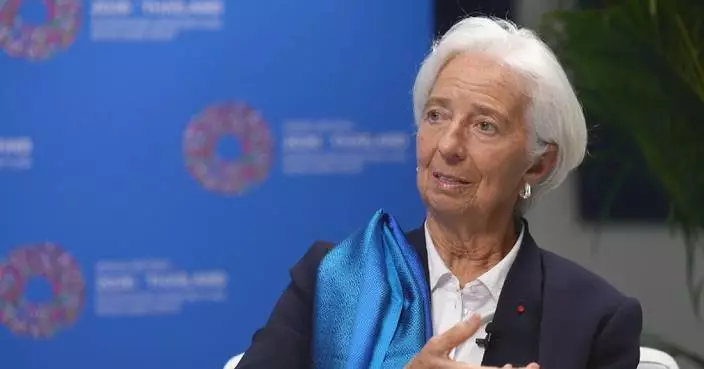
European Central Bank (ECB) President Christine Lagarde stressed the importance of human control over the direction of artificial intelligence (AI) development in an interview with China Media Group in Bangkok, Thailand, earlier this month.
Lagarde has recently warned that Europe faces an extraordinary crisis, as it has fallen far behind the United States and China in AI models, computing power, and investment.
However, in the interview that aired on Friday, she placed greater emphasis on the risks AI poses to humanity as a whole rather than on the regional concern.
"Because I think that there is one particular element, which I strongly believe in. What? The developments that we are seeing as a result of artificial intelligence are so transformational, and gearing in such an independent direction with potential recursive development to artificial intelligence that I think that all of us -- meaning the United States, China, Europe, corporate as well as policymakers -- should be preoccupied by this development. And I see it as a priority that we all understand where this is going and what kind of control human beings like you and me continue to have on this development. I'm more concerned about that than about closing the gap," she said.
Lagarde expressed confidence in the outlook for Europe's AI development and urged efforts to better leverage the region's talent and financial resources.
"So on closing the gap, it's pretty obvious from all accounts -- and I'm not the ultimate expert on artificial intelligence -- but those who know are saying that the United States is ahead of the game, that China is shortly behind. [Compared with] those developments in the U.S., [Chinese developments are] operating on a different model -- less proprietary and more open source. And Europe is -- for some of the member states -- a distant third. So can we become less of a distant third and be a third but have some control and some operational innovation? I think that should be the case, because we should also be able to develop. We have bright minds, great schooling, money, but we don't put them together well," she said.
Lagarde also called for cooperation among different parts of the world, instead of the pursuit of sole dominance.
"I also think that artificial intelligence is a long chain of different segments. So you are hand in hand with others. You don't control the entire ecosystem," she said.
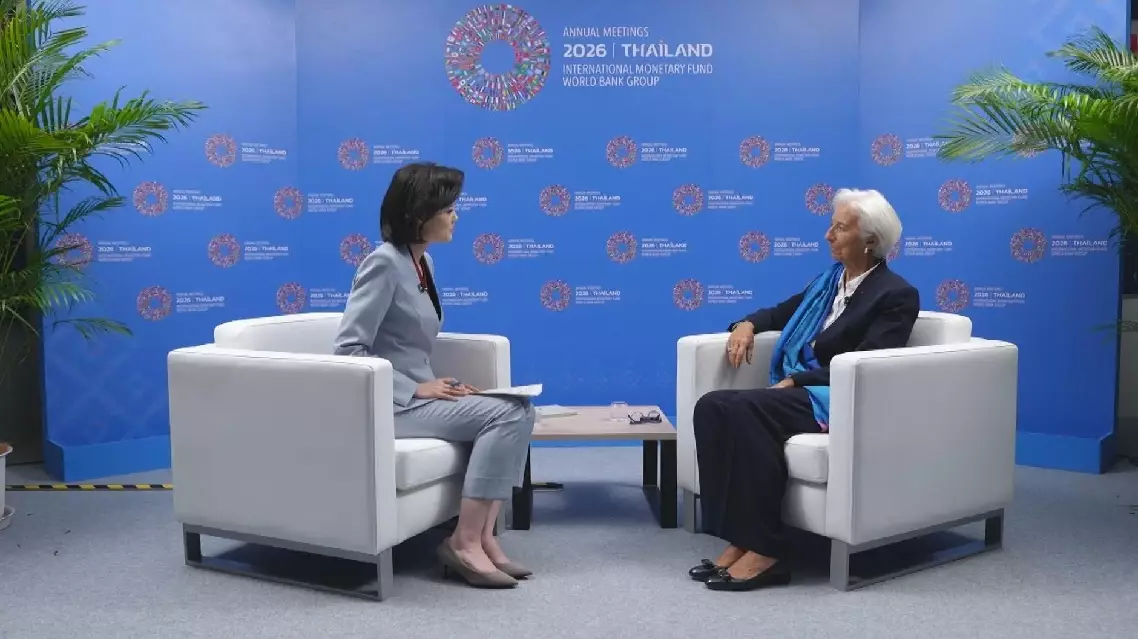
ECB president underscores importance of keeping AI development under control
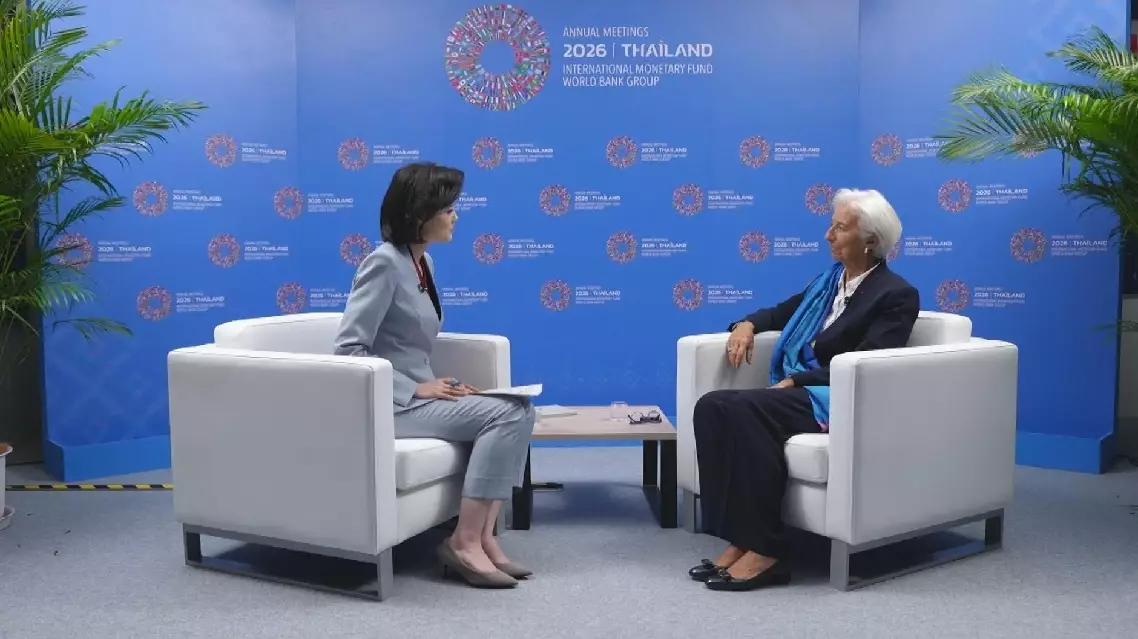
ECB president underscores importance of keeping AI development under control