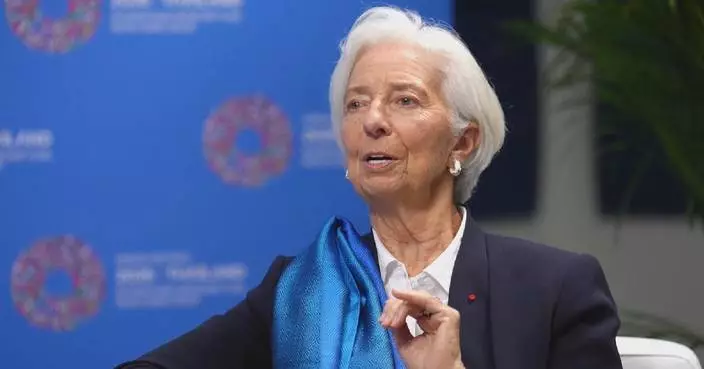
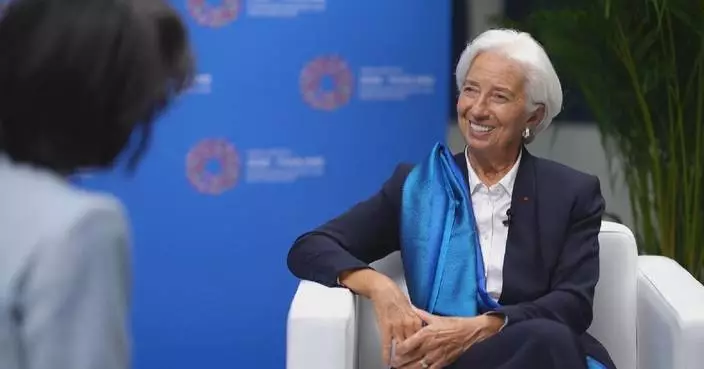
Europe should mobilize its own savings to finance artificial intelligence and other innovation within the bloc, rather than allow those funds to keep flowing to the United States to bankroll American technology development, according to Christine Lagarde, president of the European Central Bank (ECB).
In an interview with China Media Group on the sidelines of the 2026 Annual Meetings of the International Monetary Fund (IMF) and the World Bank Group in Bangkok, Thailand, Lagarde said artificial intelligence depends on significant financing -- from the brainpower behind the technology, to the capacity to innovate, to the ability to compute at super-fast speeds.
The ECB president explained how the companies leading the artificial intelligence race have financed their expansion, and argued that the region's savings should be channeled into its own innovation.
"When you look at how the hyperscalers are financing themselves at the moment, they relied on equity quite a bit. They relied on cash flow to begin with, then equity and now they essentially rely on debt and massive amounts of debt in order to finance their development. Europe is a big saver and that saving at the moment is traveling back to the U.S. and is actually feeding the development of innovation in the U.S. I think we should be in our right mind and understand that saving could be mobilized in Europe in order to help the development of innovative mechanisms in Europe," she said.
Lagarde also addressed the European Central Bank's cooperation with the People's Bank of China, describing the relationship between the two central banks as close and enduring.
"The Central Bank of China and the Central Bank of Europe of the euro area are cooperating actively. We have a memorandum of understanding that sets out the terms of our cooperation. We renewed the memorandum of understanding. We have swap lines between us. So there is a lot of cooperation between the two central banks and that will continue," she said.
The ECB and the People's Bank of China signed an updated memorandum of understanding in Beijing in June 2025, and their euro-renminbi currency swap arrangement was most recently extended in September 2025.
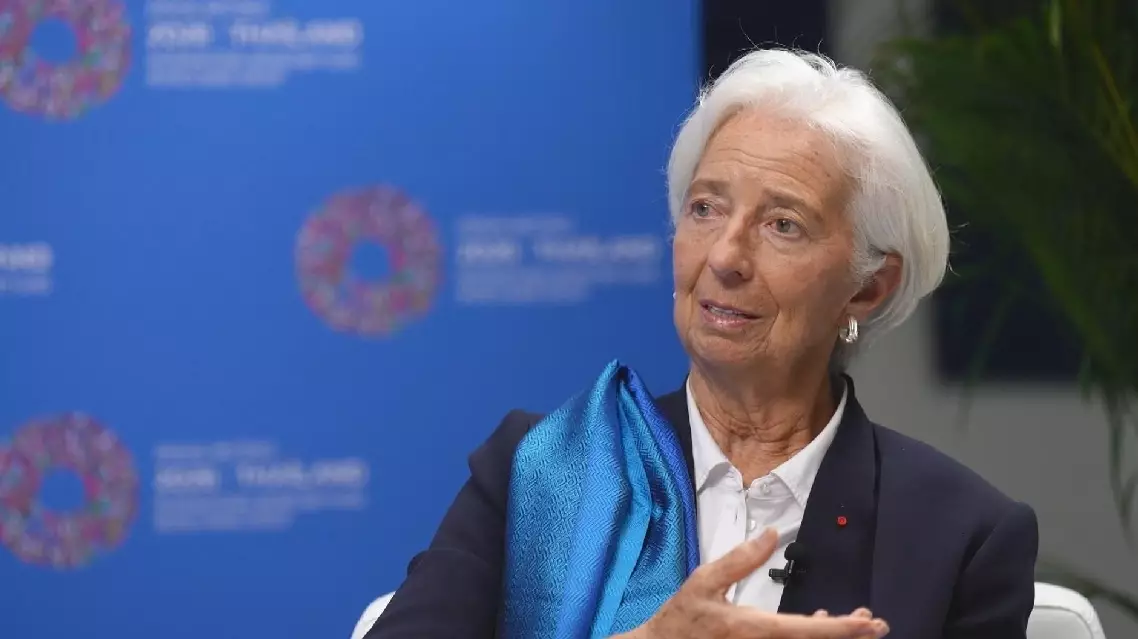
Europe should tap its own savings to fund AI innovation: ECB president