A Palestinian woman who lost dozens of family members in a single airstrike has built a sanctuary in Gaza, offering housing, education, and psychological care to war-orphaned children.
At the Dar Al-Rahma Orphanage, young survivors of the conflict are working to reclaim their childhoods. Among them is 12-year-old Lafan Nasr, the sole survivor of her household after an airstrike destroyed her home, who is now rebuilding her life alongside fellow orphans.
"They provide us with clothes, accommodation and our daily needs. After my family was killed, I stopped going to school. I'm now in seventh grade after Dar Al-Rahma helped us return to education," she said.
The orphanage was founded by Maryam Al-Hassayna, who lost 310 members of her extended family in an Israeli attack in Dec. 2023, of which 38 were close relatives. Today, her initiative cares for around 150 orphaned children.
"We provide the children with daily care, including food, clothing, psychological support and education. We look after them as if they were living in their own homes, with their mothers and fathers. We do our best to become a substitute family for these children," she said.
The Ministry of Social Development in Gaza reported in July that the number of registered orphans in the territory exceeded 65,000. The UN Committee on the Rights of the Child said children continue to face severe deprivation of education, healthcare and social protection.
"Children in Gaza have been deprived of their rights to education, access to food, and psychological support needed to lead normal lives. All these rights have been lost amid the continued displacement of 800,000 children across the Gaza Strip," said Ahmed Jibril, a lawyer at Hemaya Center for Human Rights in Gaza.
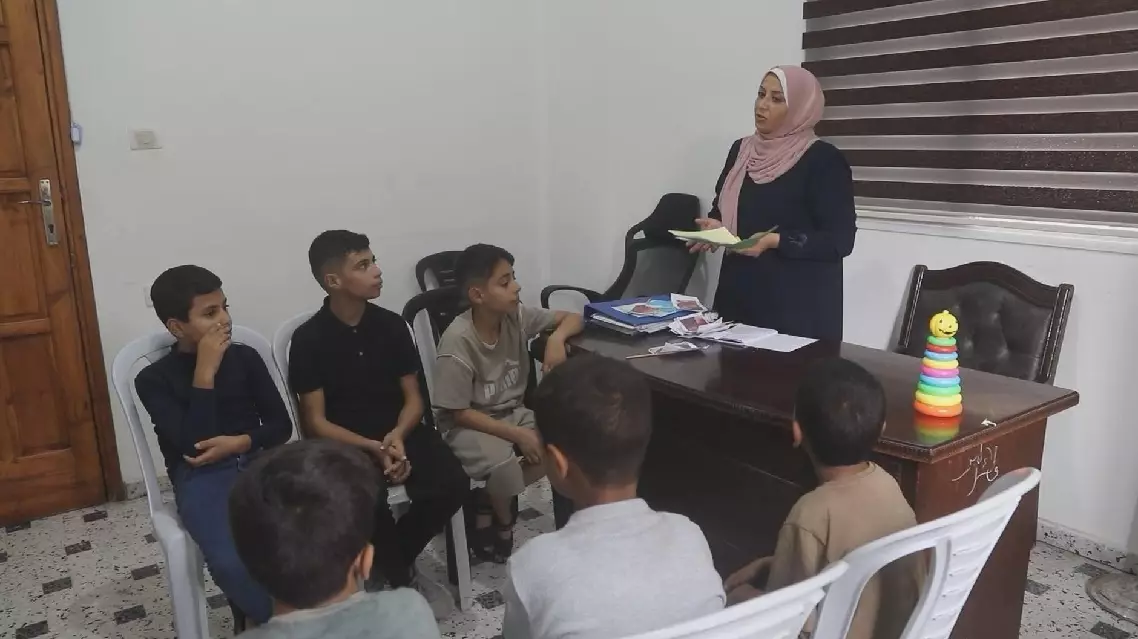
Gaza woman turns family tragedy into lifeline for war-orphaned children
Iranian Foreign Minister Seyed Abbas Araghchi said that Tehran currently has no plans to meet with U.S. officials, while consultations with Qatari and Pakistani mediators continue over Iran's conditions for resolving the crisis, Qatar's Al Jazeera reported Saturday.
In an interview with Al Jazeera, Araghchi dismissed reports of possible meetings as media speculation, saying Iran saw no need to meet with American officials at present.
He said Tehran would decide whether to hold direct or indirect negotiations after Washington accepted Iran's conditions.
Araghchi said an Iranian delegation had traveled to Qatar for further discussions, adding that his aide was there to continue consultations with mediators.
According to Araghchi, Iran's conditions include recognition of a new shipping route through the Strait of Hormuz that Tehran had worked out with Oman, and the closure of other routes.
He said Tehran also sought the lifting of sanctions imposed after the Islamabad Memorandum of Understanding (MoU), a reduction in U.S. military forces in the region, the restoration of sanctions waivers for Iranian oil exports, and the release of all frozen Iranian funds, including those held in Qatar.
Iran also demanded an end to hostilities on all fronts, including Lebanon, he said.
Araghchi said mediators had presented proposals concerning Iran's nuclear program, which Tehran was reviewing as part of what he described as a second phase.
The Iranian foreign minister also said a letter from U.S. Vice President JD Vance had been reviewed at high-level meetings, describing the American effort to open the door to broader dialogue and understanding as a "positive step."
On Feb 28, Israel and the United States launched joint attacks on Tehran and other Iranian cities. Iran responded with waves of missile and drone attacks targeting Israel and U.S. bases and assets in the region, and tightened its grip on the Strait of Hormuz.
A ceasefire was achieved between the warring parties on April 8. On June 18, Iran and the United States signed the MoU on ending the war in the region on all fronts.
Under the MoU, the two countries were scheduled to hold negotiations within 60 days, ending on Aug 17, to reach a final agreement on Iran's nuclear program and the removal of sanctions. However, they failed to make sufficient progress toward a deal.
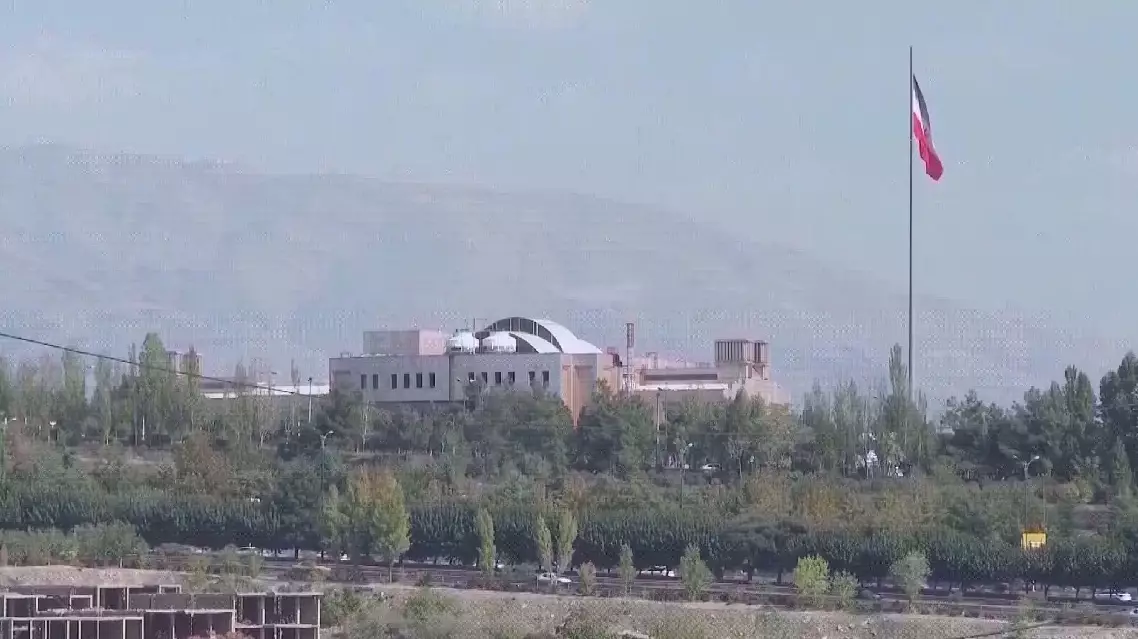
Iran says no plans to meet U.S. officials, consultations with mediators continue
Iran says no plans to meet U.S. officials, consultations with mediators continue