China has called on the members of the Group of 20 (G20) to take concrete actions to safeguard global security, stability and development.
The call was made by Chinese Vice Foreign Minister Ma Zhaoxu at a meeting of G20 foreign ministers held in Atlanta, the United States, from Friday to Saturday.
Ma said that the international situation is undergoing profound changes, geopolitical situations are tense, and the development agenda is seriously lagging behind.
The G20 should shoulder its due responsibilities and serve as a force for safeguarding world peace and stability, help ease tensions in regional hotspot issues, address the root causes of conflicts, and strengthen global security governance, Ma said.
He said China supports the G20 in deepening cooperation on ensuring energy security and achieving sustainable development, continuously improving energy affordability, promoting transformation of the energy structure, and improving global energy governance.
He also called on the G20 members to take concrete actions to maintain the stability and smooth operation of global industrial and supply chains.
Ma elaborated on China's position on the situation in the Middle East and the Ukraine crisis.
Chaired by U.S. Secretary of State Marco Rubio, meeting discussed geopolitical tensions, energy security and supply chains.
The meeting took place ahead of the G20 Leaders' Summit, which is slated to be held in Miami, Florida, in December.
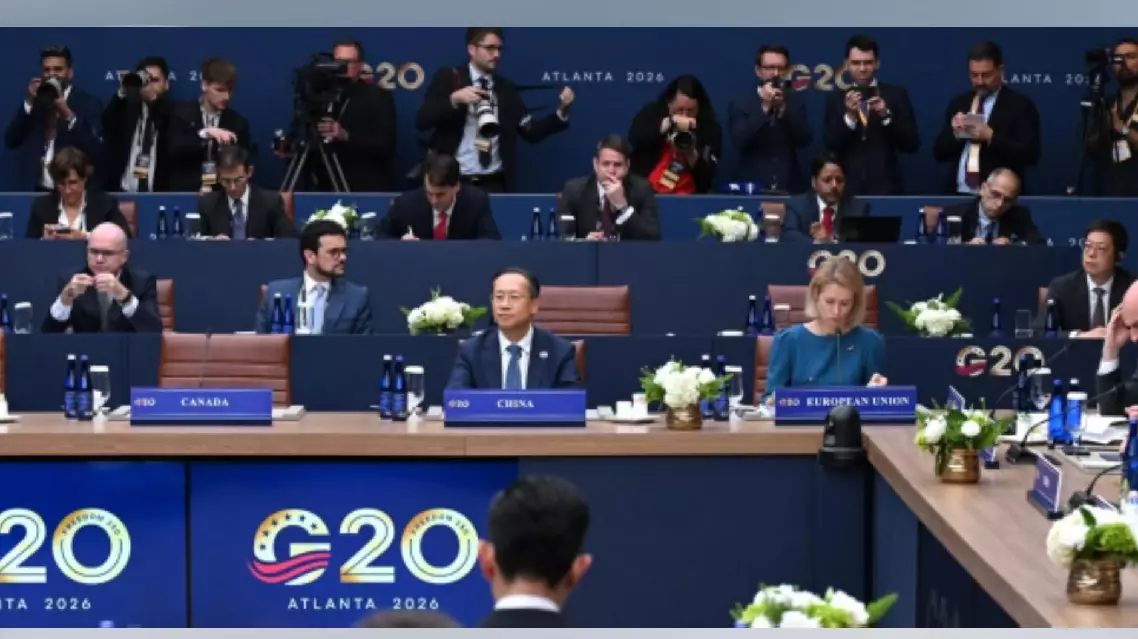
China urges G20 to safeguard world security, stability, development
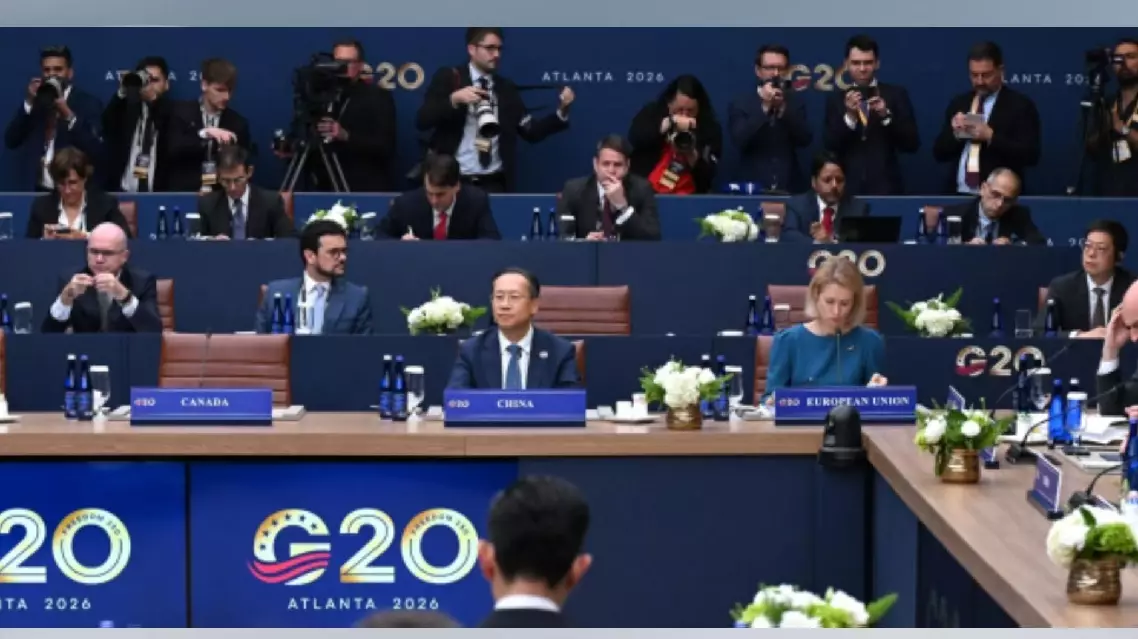
China urges G20 to safeguard world security, stability, development
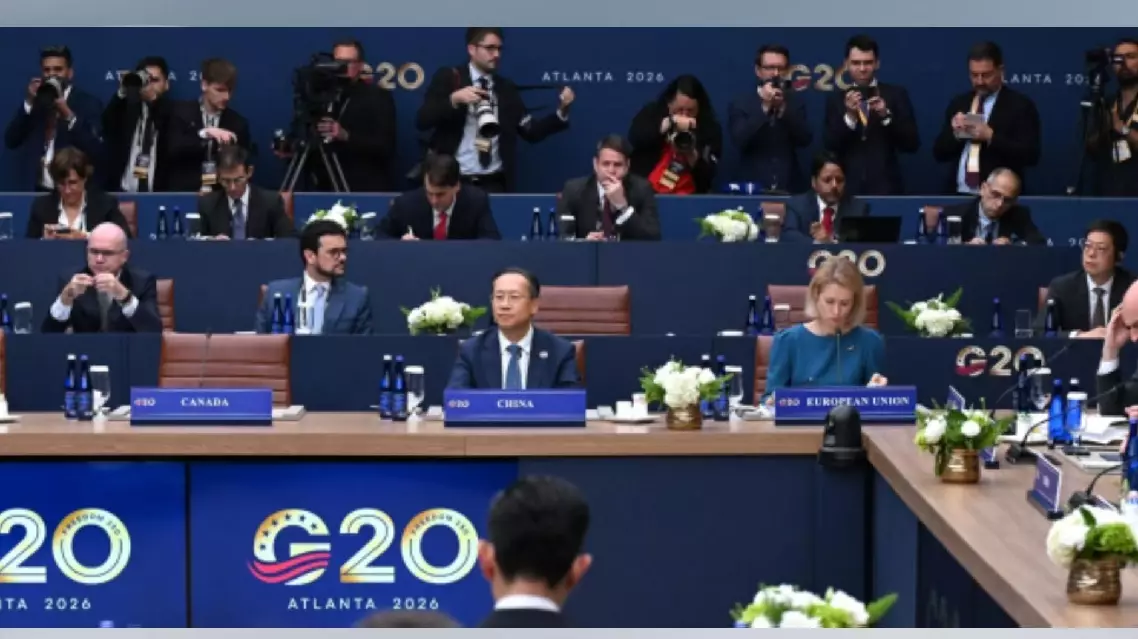
China urges G20 to safeguard world security, stability, development
China's largest ultra-high-altitude wind power project has been successfully connected to the power grid in Nagqu City, southwest China's Xizang Autonomous Region, as wind power deployment accelerates on the plateau alongside photovoltaics.
The high-altitude plateau brings strong winds, but the thin air makes it difficult to convert them into electricity. Moreover, the harsh and remote conditions present an added challenge to power storage, which is essential due to the intermittent nature of wind generation.
Developed by the China Energy Investment Corporation's Xizang Company, the Jicuo Wind Farm has met both of these challenges head on. In terms of storage, the project has successfully integrated a record-setting 100 megawatts of storage capacity.
The 18 wind turbines, standing at altitudes between 4,850 and 5,127 meters, were specially tailored for the ultra-high-altitude thin-air environment, with their rotor diameter enlarged to 200 meters -- noticeably larger than flatland models of the same capacity, so that the expanded swept area can capture as much wind energy as possible under low air density and capture even light winds.
That lets the wind farm take full advantage of the wind-rich area, where the average annual wind speed reaches 7.51 meters per second, and the maximum speed sees 42 meters per second.
Their power generation and control systems have also been optimized for greater operational stability under gusty and turbulent conditions.
"After the project is put into operation, it is expected to deliver about 211 million kilowatt-hours of clean electricity, save about 72,000 tonnes of standard coal, and reduce carbon dioxide emissions by about 196,000 tonnes annually. It is of great significance for enhancing the power supply capacity and stability of the Nagqu regional grid," said Hu Jiansheng, manager of Jicuo wind power project under Xizang branch of China Energy Investment Corporation.
The integrated project is expected to improve the power supply capacity and stability of the regional grid, ensure that farmers and herdsmen in Nagqu stay warm through the winter, and promote rural revitalization and economic and social development.
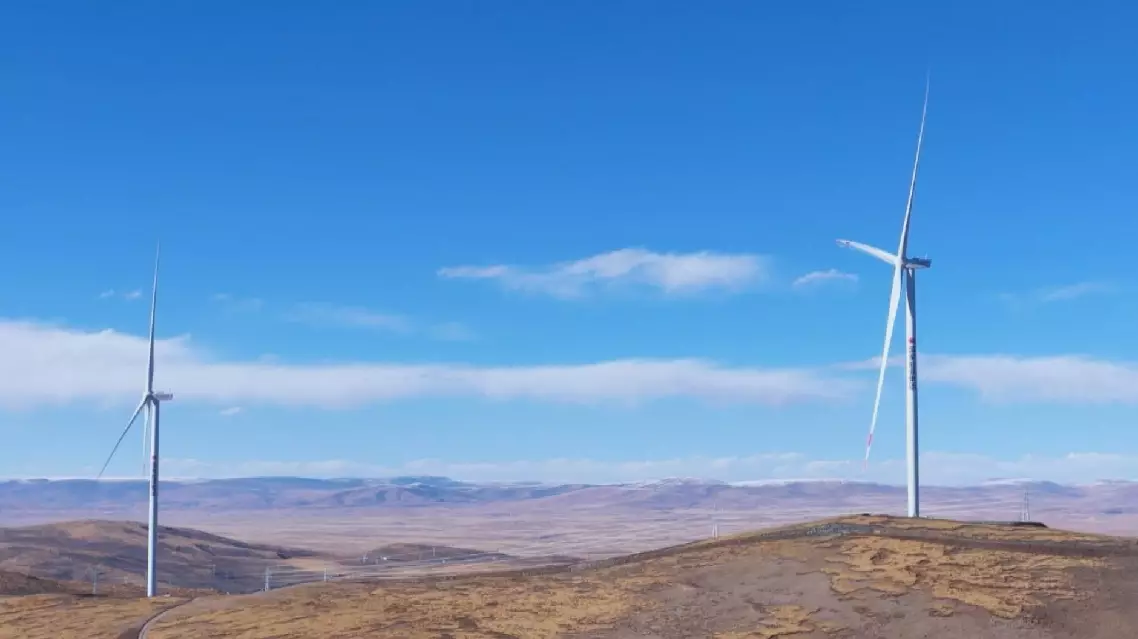
China's largest ultra-high-altitude wind power project connected to grid in Xizang
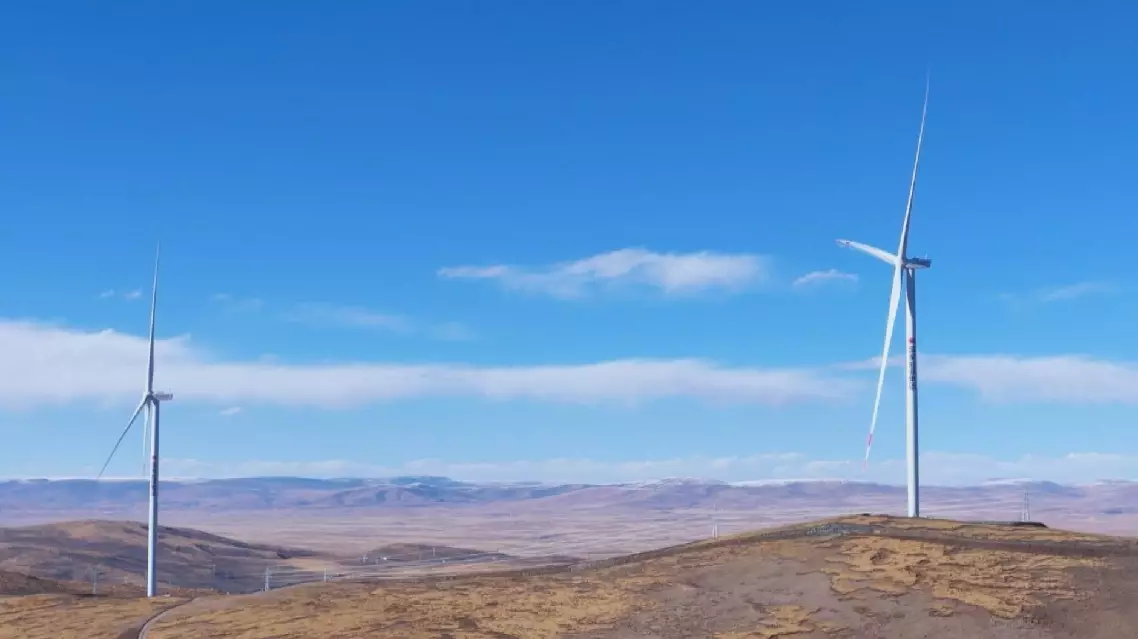
China's largest ultra-high-altitude wind power project connected to grid in Xizang