Britain's Victoria and Albert Museum has recently launched a special jewelry exhibition in collaboration with Chinese jewelry brand Chow Sang Sang in Shanghai, bringing its renowned art collections into the Chinese market.
The cross-sector partnership reflects how the museum is turning its art collections into cultural intellectual property (IP), moving beyond traditional exhibitions into diverse commercial development.
The exhibition features jewelry that blends European museum art with Eastern craftsmanship, translating classic works into wearable art that has drawn enthusiastic crowds.
"I find the exhibition quite unique. It also reminds me of some of the things I saw when I visited the Victoria and Albert Museum in Britain," one visitor said.
Founded in 1852, the Victoria and Albert Museum is a world-leading museum for decorative arts and design. Unlike traditional museums that focus solely on exhibitions and education, the institution has long been dedicated to the commercial development of its collections.
Through brand licensing and cross-disciplinary artistic collaborations, it has expanded the boundary between art dissemination and business operation.
In recent years, the museum has continued to build its presence in China, staging specialized exhibitions in various cities and deepening its cultural ties with the country.
"It's really important to us to find the right partners where we're looking for a genuine connection between the products being developed and the assets used on those products, and to share the mission of the museum and the designers held within the collections," said Jen Maude-Roxby, head of licensing and business development of the Victoria and Albert Museum.
Genevieve Chow, chief brands officer and executive director at Chow Sang Sang, said the goal is to make those museum messages feel personal to Chinese consumers.
"I think many consumers are very keen to learn more about the messages that museums aim to convey. In particular, if we can link this culture to the actual lives of Chinese people, to the key milestones they experience, it becomes much easier for consumers to resonate with and internalize these concepts," said Chow.
Industry insiders say leading overseas museums have established relatively mature, standardized systems for the long-term business operation of their IP, covering everything from copyright licensing and design review to quality control.
These systems not only help museum-based IP expand globally but also offer valuable experience in standardized operations for China's own cultural and creative industries.
"Once these IPs (intellectual properties) enter the Chinese market, they provide fine design inspiration for sectors including home furnishings, fashion, and jewelry, helping to drive a shift in consumer behavior, from focusing on pure functionality toward aesthetics," said Bu Xiting, an associate research fellow at the School of Cultural Industries Management at the Communication University of China.
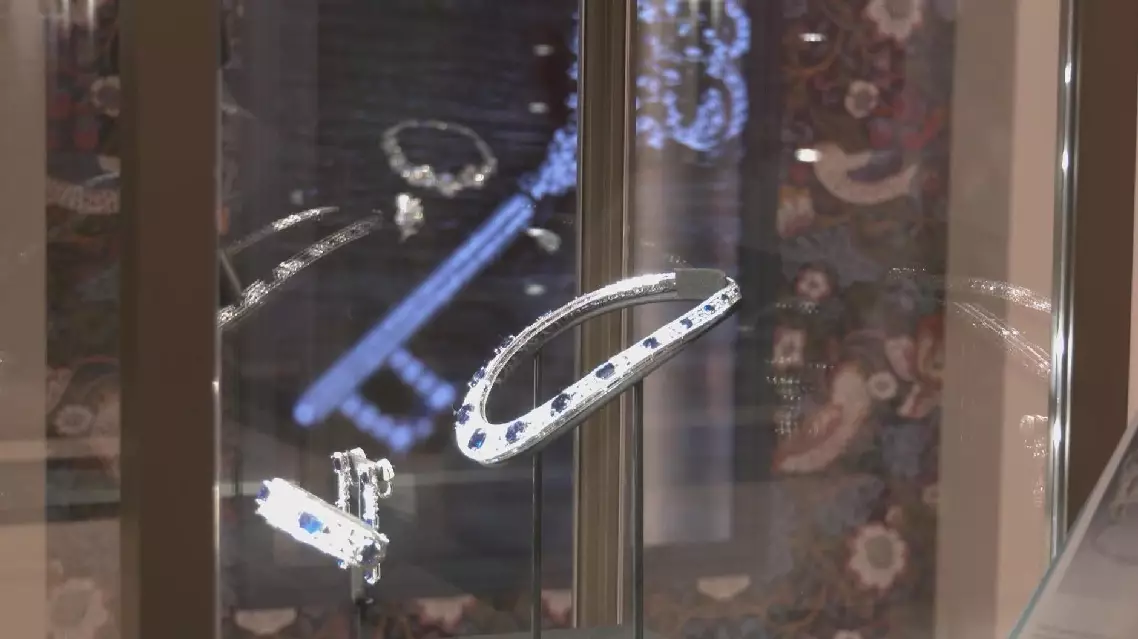
Britain's museum explores business opportunities in China through jewelry exhibition