An investigation is underway and efforts continue to identify the victims of the deadly high-speed train collision in Spain's Toledo Province, an accident that has shaken confidence in the country's rail network and sparked a debate over its safety.
The collision occurred on Wednesday morning on a high-speed railway line connecting Madrid and Seville. A Renfe high-speed train struck a stationary Iryo train from behind near Urda station in Toledo province, causing several carriages to derail, with some falling down an embankment.
In Urda, efforts continue to determine the cause of one of Spain's most serious railway accidents. The Civil Guard is analyzing the trains' "black boxes," while emergency crews work to remove the wrecked carriages.
Forensic experts have performed 65 autopsies as families await word on missing loved ones. Among them is Manuel San Emeterio, who is still searching for his brother and clinging to the hope that he is hospitalized.
"There is a small percentage of people -- some individuals in the hospital -- who aren’t at 100 percent. And that’s just how it is; I’m not going to lose hope -- as you can surely understand, one clings to that, obviously," said Manuel.
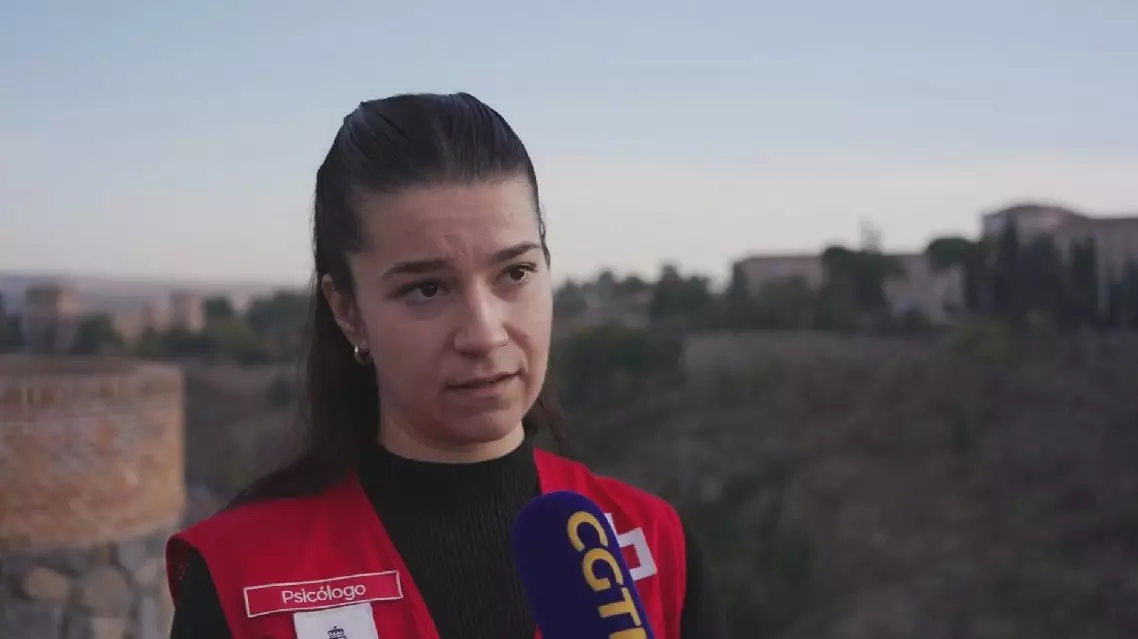
Red Cross teams are offering psychological support to families during the agonizing wait.
"The most challenging aspect of these interventions is having to deal with families during a time of such great uncertainty, when they still don't know anything. But we try to manage those spikes in anxiety -- to help them reach a calmer state, given the difficulties they are facing," said Yanire Moron, a psychologist from a Red Cross team.
The cause of the incident remains under investigation, though indications point to a failure in the automatic railway control system, as well as decisions subsequently made from the command center.
The tragic crash marks the second incident in less than a year on the Madrid-Andalucia high-speed line, fueling calls for decisive action and political accountability. Pressure is mounting on Transport Minister Oscar Puente, with multiple sectors demanding his resignation.
Puente defended his response, asserting that he is taking responsibility by facing the situation head-on. While acknowledging he was not required to be at the command center when the crash occurred, he emphasized that it is his duty to provide explanations, conduct reviews, and address public concerns without hiding behind others.
With public confidence in the rail system shaken, citizens are demanding changes to prevent similar accidents in the future.
"First, to drastically reduce the likelihood of automatic control systems -- such as LZB or ERTMS -- failing due to computer glitches. Second, to also drastically improve operational protocols within control centers, ensuring that, ultimately, everything does not hinge on a single human error by an individual person," said Jose Maria Goicolea, a member of the Association of Civil Engineers (Roads, Canals, and Ports).
As answers are sought, passengers on the high-speed rail network are expressing concern over safety.
"To be honest, traveling feels a bit scary right now -- you just don’t feel safe. These accidents have been happening one after another, and, well, it just makes you feel a bit uneasy about traveling," said Antonio Garcia, a passenger.
Spanish Prime Minister Pedro Sanchez has acknowledged that trust in the high-speed rail system has been broken. Spain, a global leader in rail transport, now faces an unexpected crisis that affects millions of citizens and threatens to impact a key driver of its economy: tourism.
Identification of victims in deadly Spain train collision continues amid growing railway safety concerns