Southwest China's Xizang Autonomous Region has mobilized police, transport and meteorological departments to respond to heavy rain and snowfall in Ngari, a remote, high-altitude prefecture in the region's far west bordering India and Nepal, with some areas hit by severe blizzards.
According to local meteorological authorities, heavy snow fell on Saturday in Burang, the prefecture's eastern county, while moderate snow hit central and northern Coqen County.
To guard against the heavy snowfall, the Ngari highway maintenance department set up 34 emergency response points on key road sections affected by the blizzards, deploying some 300 rescue workers and more than 110 pieces of machinery in advance.
Crews have cleared nearly 360,000 cubic meters of snow and about 7,500 cubic meters of ice, and rescued 18 vehicles carrying 53 people, all of whom passed through safely.
Precipitation in the region weakened noticeably on Saturday night. However, the regional meteorological bureau has forecast winds of up to force seven along national highways in most of Nagqu and Ngari, as well as southern Xigaze and southern Shannan, over the next 24 hours.
Local authorities warned that with recent rain and snow intense in southern areas and ice lingering on high-altitude road sections, drivers should slow down and travel with caution.
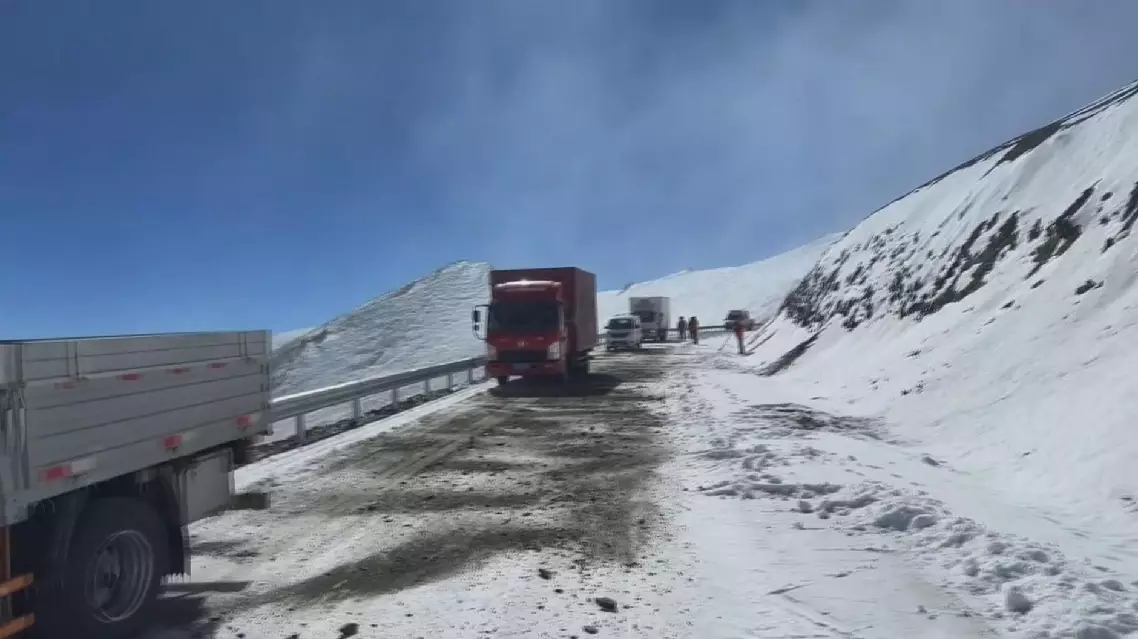
Heavy snow hits remote western Xizang as rescue teams clear roads, aid drivers
"China Haul" -- a trend of foreign tourists opening their suitcases on social media to show off the Chinese goods they bought during trips to China -- has recently gone viral overseas.
Some joke that "China Haul" sounds like "China good" in Chinese, a fitting description for leisure trips to the country, since tourists often arrive with empty suitcases and leave with them fully stuffed, proving that made-in-China products are indeed good.
Opening a suitcase to show off purchases made in China is one of the most popular ways German tourists share their trips. Alexander Haase has traveled to Beijing four times over the past year, and buying Chinese tech products has been a must every time. His suitcase reads like a continuously updated list of Chinese tech products.
"In the past 12 months alone, I've been to China four times. What I bought are mostly high-tech products. For example, I bought a Huawei laptop, and AI glasses. In short, all the latest high-tech products," said Haase.
Haase's shopping list directly reflects the popularity of Chinese tech products among German tourists. Having visited China many times over more than two decades, he has witnessed not only the iteration of products but also the overall upgrading of the urban environment and digital infrastructure.
For him, buying tech products in China is no longer a side activity but an indispensable part of the trip. This change is also appearing among more German tourists.
German travel industry insiders have also observed that China's appeal to young people has moved beyond traditional sightseeing of historic sites; experiencing cutting-edge technologies such as artificial intelligence and robots up close is becoming a new reason to visit China.
"The development of China's high and new technologies is a very important element attracting young people from abroad. For example, robots spark their greater interest in learning more about China. Thanks to the visa-free policy, young German tour groups can travel to China at any time, just as they please," said Tang Huiying, general manager of a German youth travel agency.
According to German travel industry insiders, German tourists visiting China in 2026 are expected to reach between 500,000 to 600,000. For frequent travelers like Wolfgang Bednarek, who has visited China many times, China's charm is not one-dimensional but a comprehensive appeal formed by the combination of multiple experiences.
"I have traveled all over the world, but I have to say that in my heart, China is the most impressive country. China not only has a unique culture and diverse geographical features, but the people there are also a highlight -- an absolute highlight," said Bednarek.
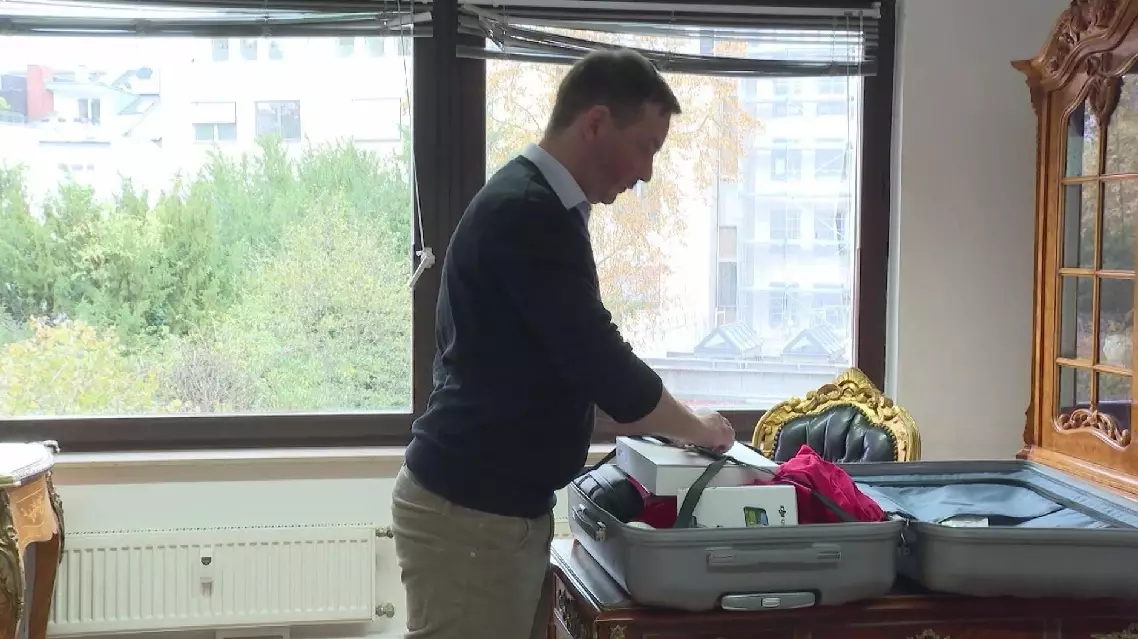
German tourists embrace Chinese high-tech goods, fueling "China Haul" trend online