DAKAR, Senegal (AP) — Paulina Netinan Nodjibougada knows Senegal is making history hosting the Youth Olympic Games, but with her family struggling to cover daily living expenses, the event feels distant from her concerns.
The 26-year-old accounting student said she is struggling to find work and cope with the rising living costs in the capital, Dakar.
Click to Gallery
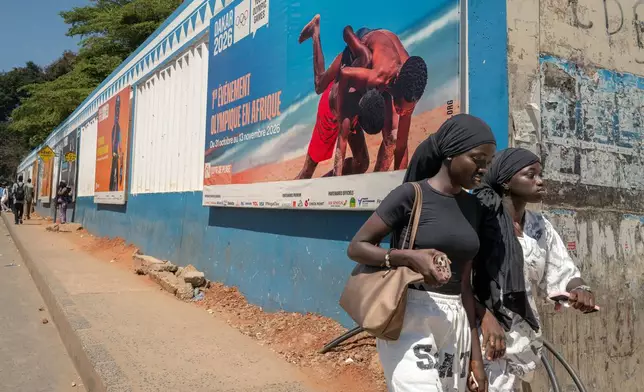
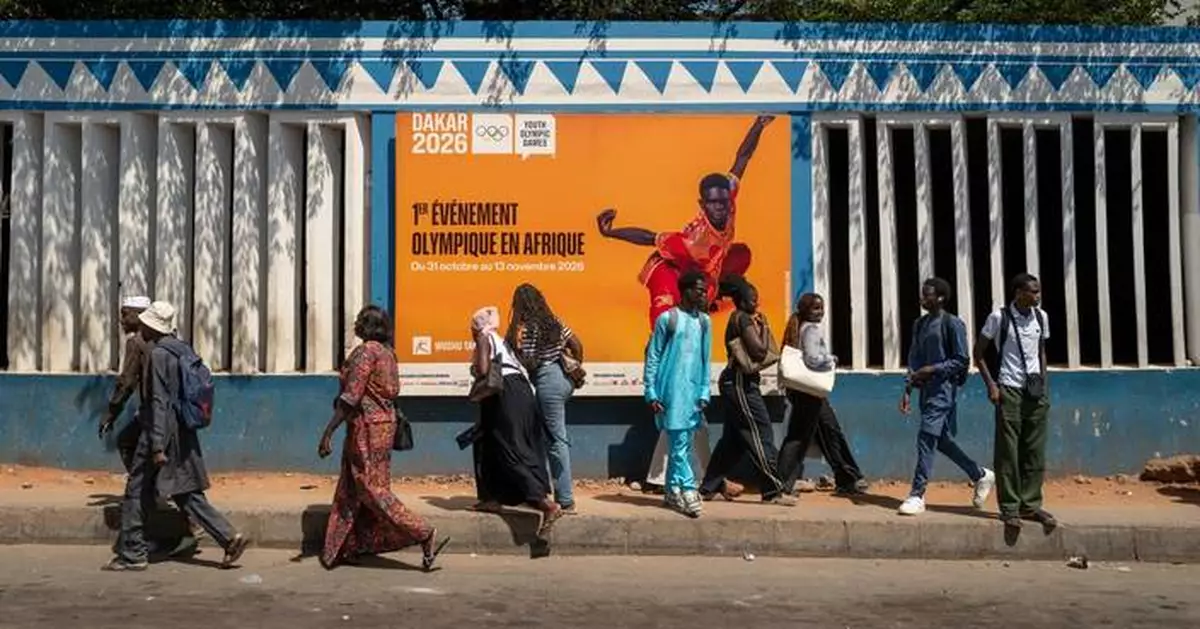
Pedestrians walk past a poster promoting the upcoming Youth Olympic Games outside Cheikh Anta Diop University in Dakar, Senegal, Friday, Oct. 30, 2026. (AP Photo/Sylvain Cherkaoui)
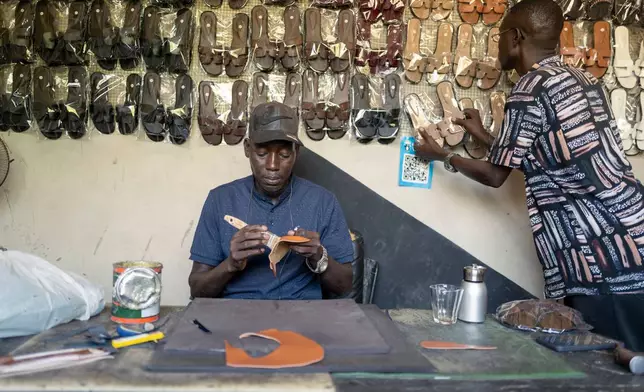
A cobbler cuts leather in his workshop at a high school known locally as Ecole Medine in the Medina neighborhood of Dakar, Senegal, Friday, Oct. 30, 2026.
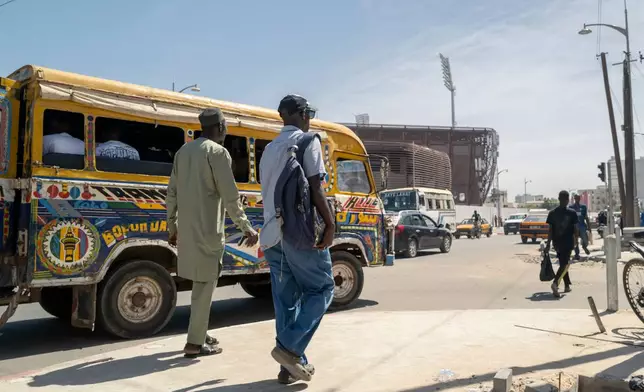
Pedestrians walk past a minibus on a street near Iba Mar Diop Stadium, ahead of the Youth Olympics Games in Dakar, Senegal, Friday, Oct. 30, 2026. (AP Photo/Sylvain Cherkaoui)
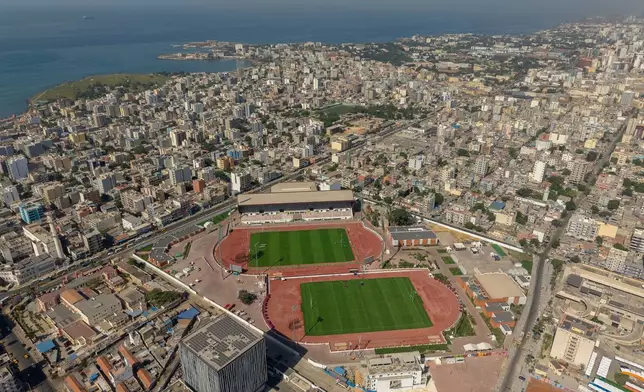
An aerial view shows Iba Mar Diop Stadium in the Medina neighborhood of Dakar, ahead of the Youth Olympics Games in Senegal, Friday, Oct. 30, 2026. (AP Photo/Sylvain Cherkaoui)
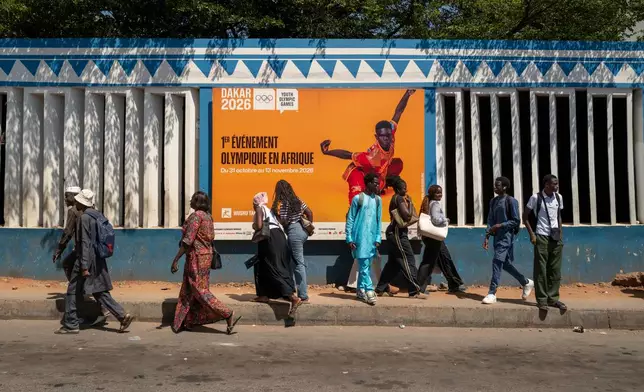
Pedestrians walk past a poster promoting the upcoming Youth Olympic Games outside Cheikh Anta Diop University in Dakar, Senegal, Friday, Oct. 30, 2026. (AP Photo/Sylvain Cherkaoui)
“I’m not very enthusiastic because there are too many problems,” she said of the Youth Olympic Games that kicked off Saturday. “We have too many worries in the family.”
The Youth Olympics are a smaller version of the Olympic Games for athletes aged 14 to 17. The Dakar Games are the first Olympic event ever held in Africa.
The Games, which will run through Nov. 13, brought about 2,700 athletes to Dakar and nearby cities.
Authorities and Olympic officials have promoted the event as an opportunity for Senegal’s youth, pointing to a learning academy and volunteering program tied to the Games.
But for many young Senegalese meant to benefit from the Olympics, it collides with a more immediate priority: earning barely enough to get by as frustration grows over the country's worsening cost-of-living crisis.
“I understand that this is a historic event, but the government should also think about young people, we are the majority,” Nodjibougada said.
Around 75% of Senegal’s population is younger than 35, according to the country’s national statistics agency. Youth unemployment stands at about 23% and a large majority of those who do have a job work in the informal sector.
Momar Assane Diouf, a 33-year-old entrepreneur who helped launch a citizens’ campaign for fair prices, said the cost of electricity, food and school supplies for his 8-year-old daughter had risen and he now juggles several jobs to support his family.
“It’s hard for all Senegalese,” said Diouf. “The prices are so high and the quality of life just isn’t there.”
The price of meat for example has risen from about 3,000 CFA francs ($5) to 5,500 CFA francs ($9) per kilogram (2 pounds) in a matter of months.
Senegal’s government is struggling with a massive debt that have limited its ability to help families facing rising costs. An audit last year uncovered billions of dollars in borrowing hidden by the previous administration. The country is now seeking a $2.2 billion IMF loan that would require it to rein in spending.
In August, the government raised gasoline and diesel prices, saying it could no longer cover the full increase in global oil costs.
The frustration from the economic crisis has repeatedly spilled into the streets. In February, a student died during unrest over unpaid financial aid at Dakar’s Cheikh Anta Diop University. Workers marched in April demanding better conditions and relief from living costs.
The Youth Olympic Games spending has sharpened that debate.
The Senegalese government has committed 36 billion CFA francs ($60 million) to organizing the Games, including 11.3 billion CFA francs ($19 million) for renovations of sports venues.
A 500-million-CFA-franc ($856,000) contribution announced through a foundation from the president's wife to buy tickets for disadvantaged young people prompted questions about the money’s origin and whether it should fund more pressing needs.
Authorities later said the money came donors rather than the state budget but critics have sought more transparency about the contributors.
President Bassirou Diomaye Faye has defended the Games’ economic benefits, pointing to improved infrastructure, contracts for Senegalese companies and training for young people. International partners and the International Olympic Committee are helping finance the event.
In Medina, a working-class Dakar neighborhood hosting competitions, some workers say preparations have instead damaged their livelihoods.
Mamadou Wadji, 37, heads a shoemakers’ cooperative whose members were moved from a busy market beside the Iba Mar Diop stadium into an unfinished school building as part of the Games plans.
A leatherworking center that authorities promised the shoemakers was not ready and sales have dropped because customers struggle to locate them, he said. Meanwhile, Wadji's daily household budget that was once around 5,000 CFA francs has gone up to 10,000, he said.
“We can’t go to the stadium to watch the events while our families are waiting for us to put food on the table,” said Wadji.
Although the competition has resulted in road repairs in parts of the city, it has also led to road closures and reserved lanes around venues, frustrating many residents.
Competition tickets start at 1,000 CFA francs ($1.70) and organizers offer free fan zones. But for residents trying to make a living, participation also requires time away from work.
Diouf, the entrepreneur, said he wants the Games to succeed and give young people a respite from daily difficulties. Still, he cautions against treating two weeks of celebration as lasting relief.
“Life is expensive. Life will be expensive during the Games, and life will be expensive after the Games,” he said.
Associated Press journalist Babacar Dione in Dakar, Senegal, contributed to this report.
For more on Africa and development: https://apnews.com/hub/africa-pulse
The Associated Press receives financial support for global health and development coverage in Africa from the Gates Foundation. The AP is solely responsible for all content. Find AP’s standards for working with philanthropies, a list of supporters and funded coverage areas at AP.org.
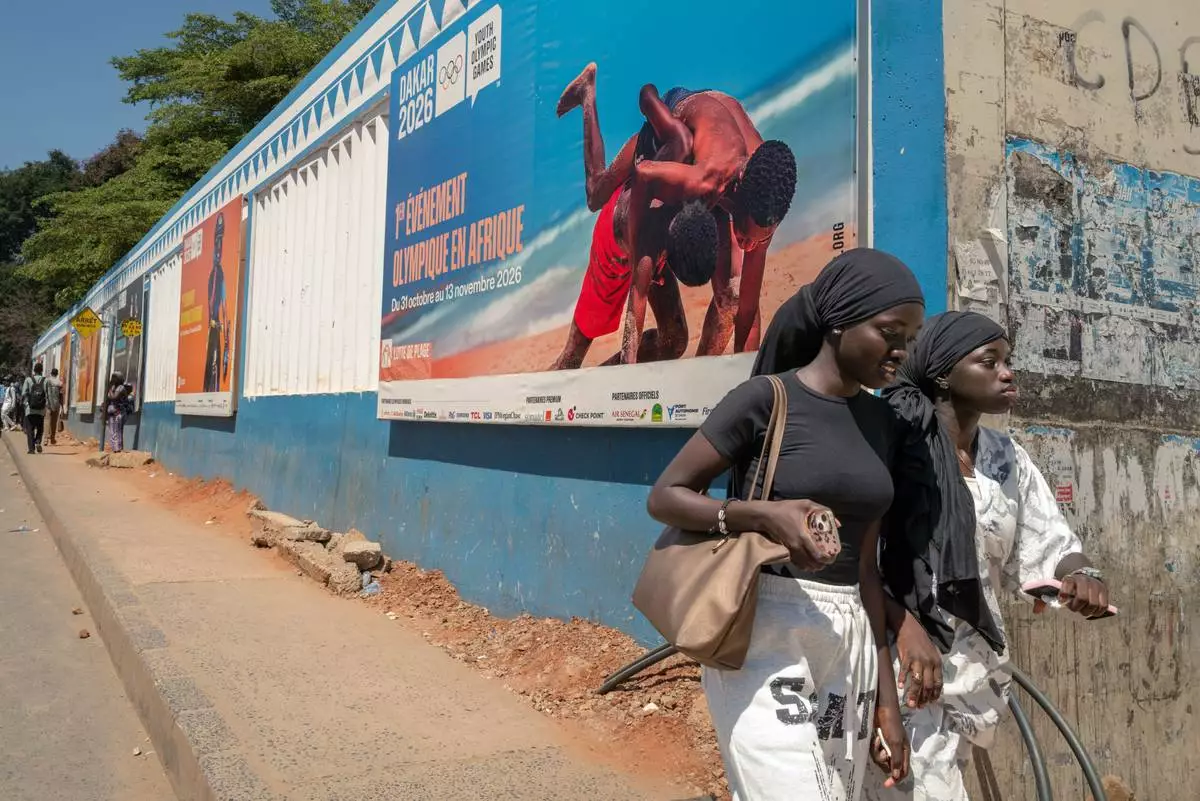
Pedestrians walk past a poster promoting the upcoming Youth Olympic Games outside Cheikh Anta Diop University in Dakar, Senegal, Friday, Oct. 30, 2026. (AP Photo/Sylvain Cherkaoui)
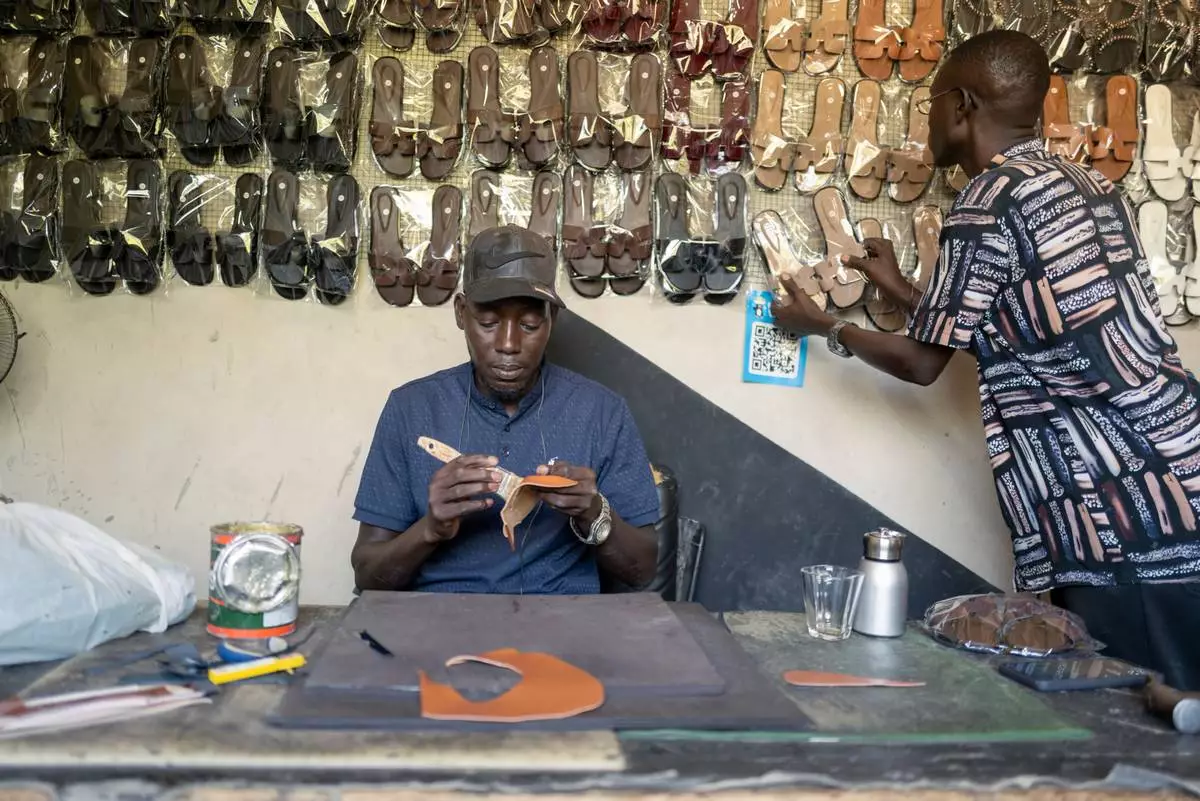
A cobbler cuts leather in his workshop at a high school known locally as Ecole Medine in the Medina neighborhood of Dakar, Senegal, Friday, Oct. 30, 2026.
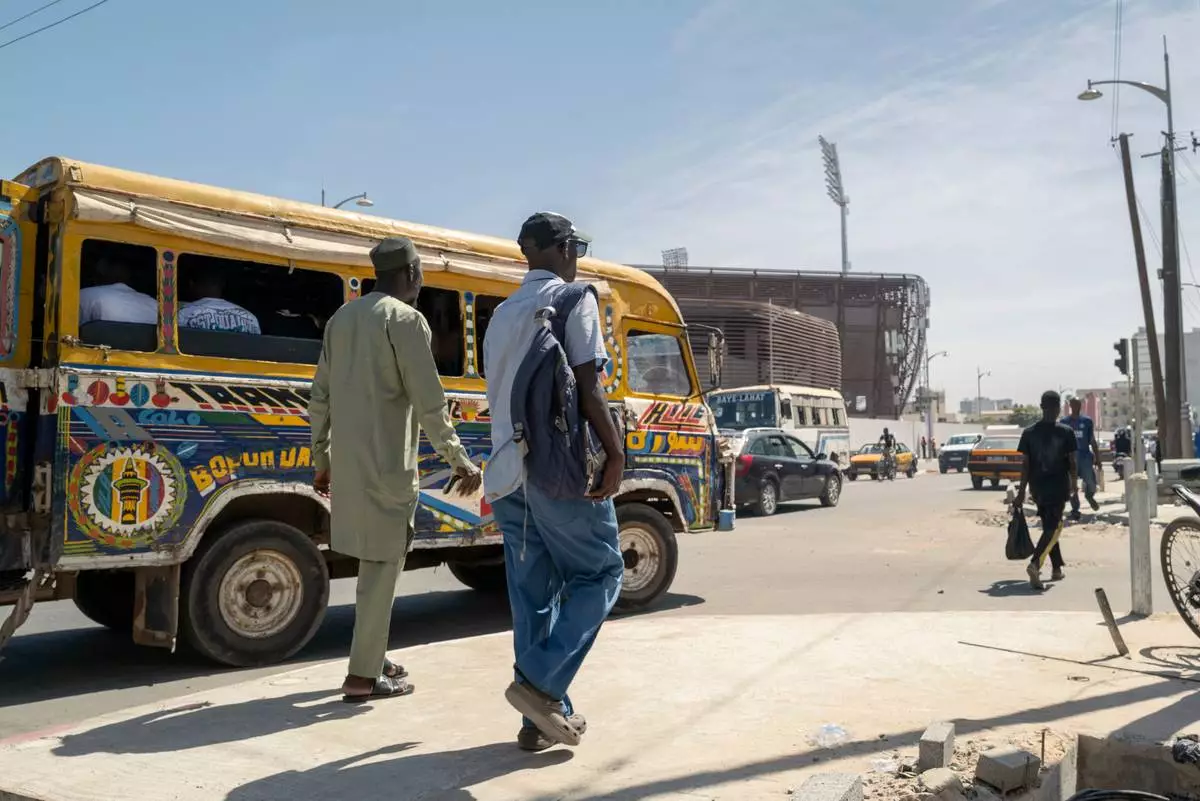
Pedestrians walk past a minibus on a street near Iba Mar Diop Stadium, ahead of the Youth Olympics Games in Dakar, Senegal, Friday, Oct. 30, 2026. (AP Photo/Sylvain Cherkaoui)
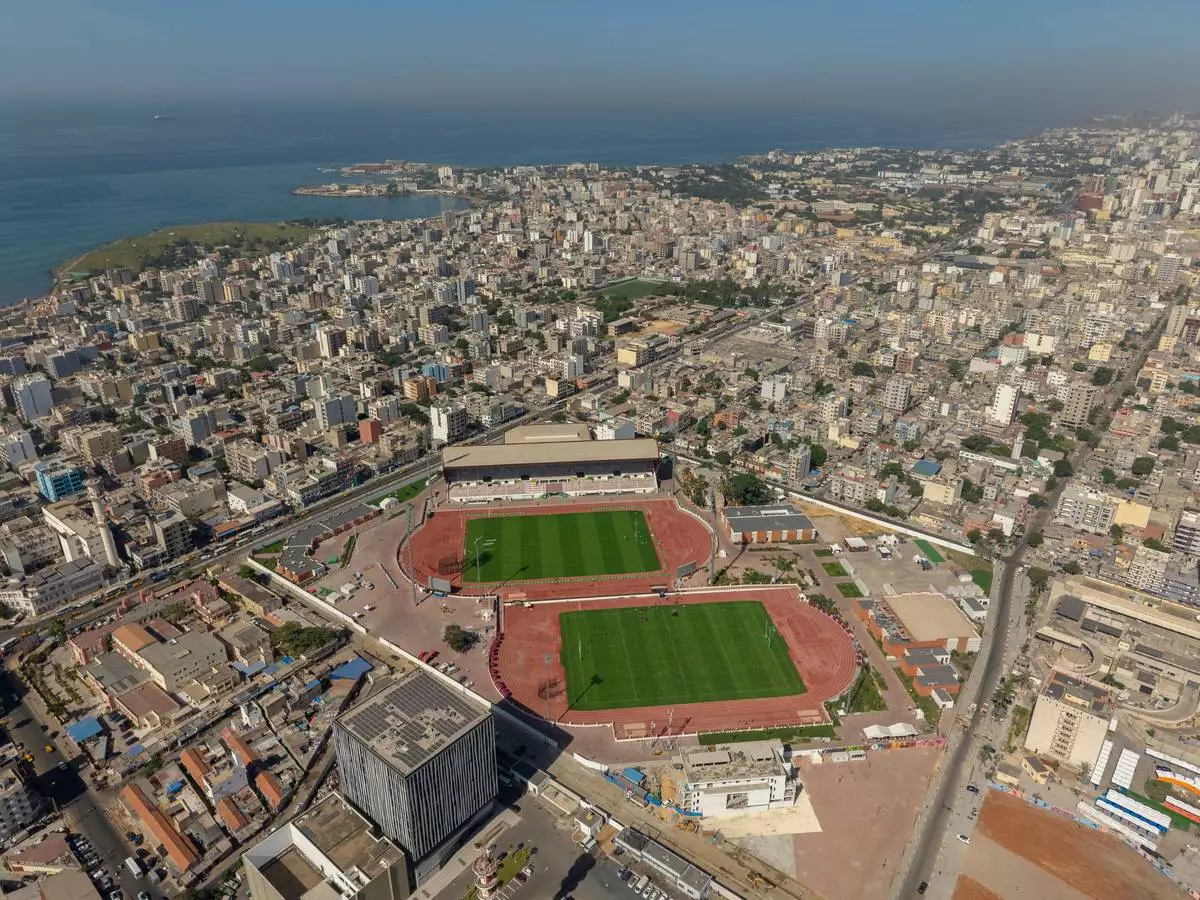
An aerial view shows Iba Mar Diop Stadium in the Medina neighborhood of Dakar, ahead of the Youth Olympics Games in Senegal, Friday, Oct. 30, 2026. (AP Photo/Sylvain Cherkaoui)
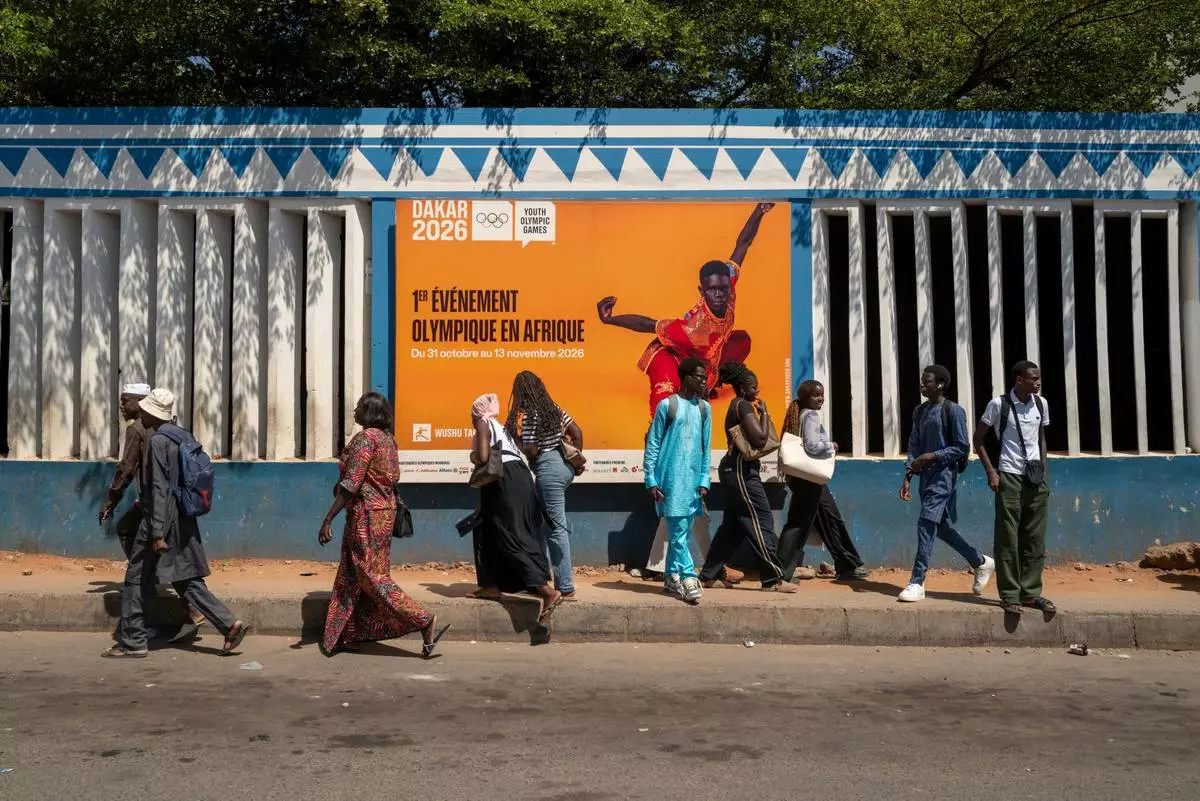
Pedestrians walk past a poster promoting the upcoming Youth Olympic Games outside Cheikh Anta Diop University in Dakar, Senegal, Friday, Oct. 30, 2026. (AP Photo/Sylvain Cherkaoui)