Chinese scientists have set a new record for the coldest temperature ever achieved by humans, cooling a cloud of rubidium atoms to 9.7 picokelvin, and keeping it stable for observation for seven seconds.
The result, announced by the Chinese Academy of Sciences' Technology and Engineering Center for Space Utilization on Friday, marks a major step toward absolute zero, the lowest temperature theoretically possible, creating the coldest artificial substance known to date. The work was published on Friday in the journal Science.
The experiment was carried out in the ultra-cold atom physics rack aboard China's space station. The project began feasibility studies in 2011, and its experiment system was launched with the Mengtian module in 2022. It was organized by the Technology and Engineering Center for Space Utilization under the CAS, while completed by Beijing University and the Shanghai Institute of Optics and Fine Mechanics (SIOM) of the CAS.
They cooled a rubidium atom cloud to an equivalent temperature of 9.7 picokelvin, 14 orders of magnitude below the roughly 300 kelvin room temperature on Earth, and kept it stable for observation for seven seconds. The result broke the previous record of 38 picokelvin, set by a German team in 2021.
"We have mastered the whole technology chain for deep cooling of ultracold atoms, allowing atoms to reach the picokelvin level. This shows that our engineering capability in deep atomic cooling is up to the world advanced level," said Chen Weibiao, Party secretary of SIOM.
On Earth, gravity pulls atoms downward, making it hard to cool them sufficiently. In the microgravity environment of China's space station, atoms could float freely and reach far lower temperatures without strong external confinement. The Chinese research team remotely controlled the space station's equipment from the ground to make the breakthrough, said the CAS center.
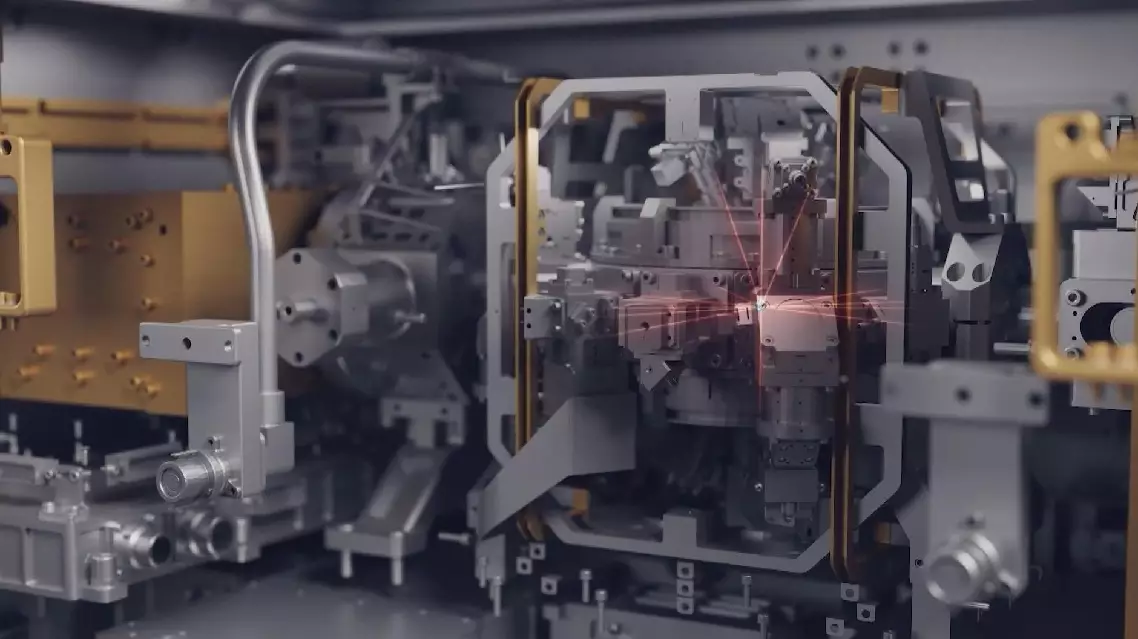
China sets world record for coldest temperature aboard space station
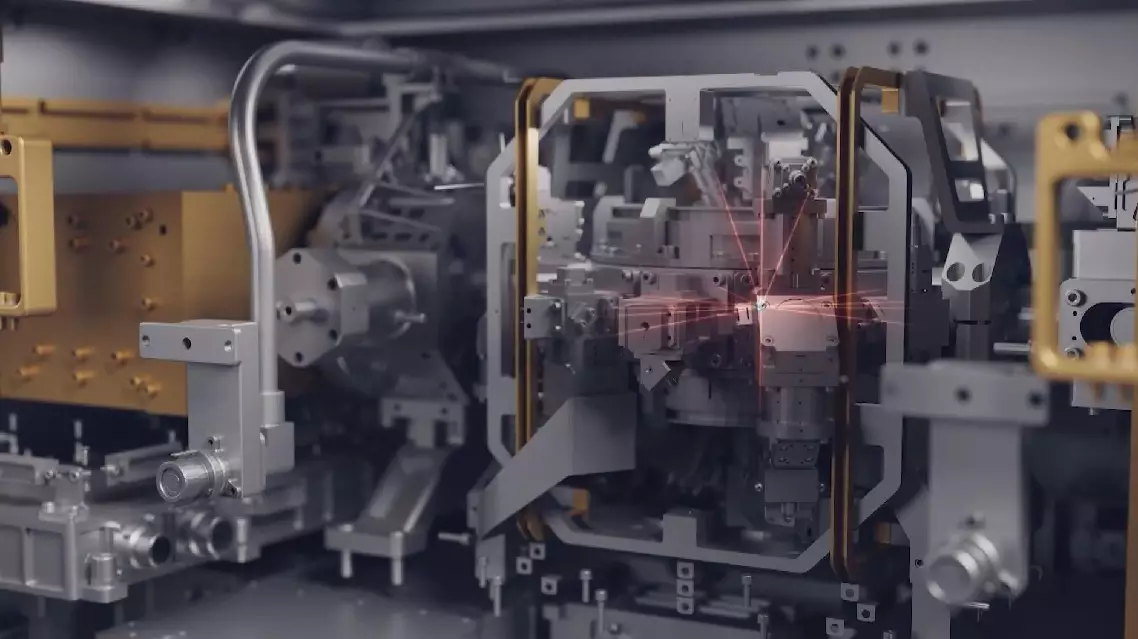
China sets world record for coldest temperature aboard space station
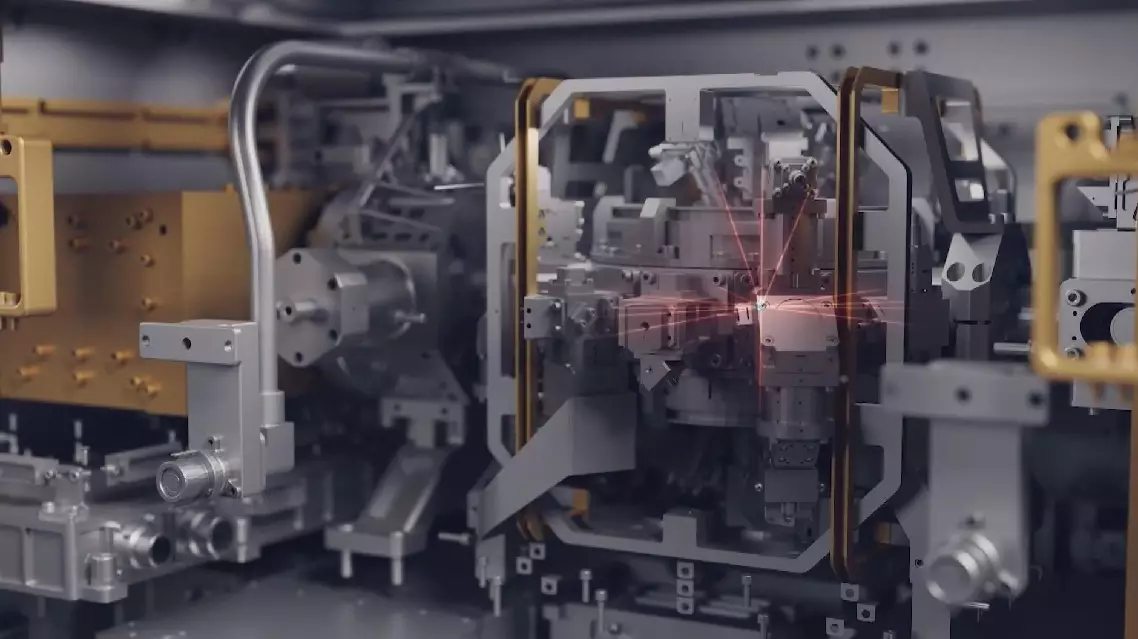
China sets world record for coldest temperature aboard space station
German tech firm Siemens hopes to use the ongoing China International Import Expo (CIIE) as an opportunity to deepen partnerships and further accelerate the integration of industrial artificial intelligence systems, while broadening the scope of its successful business model in China, according to a company executive.
The ninth CIIE, which opened in Shanghai on Thursday, has drawn over 4,100 overseas exhibitors, including more than 300 Fortune Global 500 companies and industry leaders, making it the biggest edition of the annual expo to date.
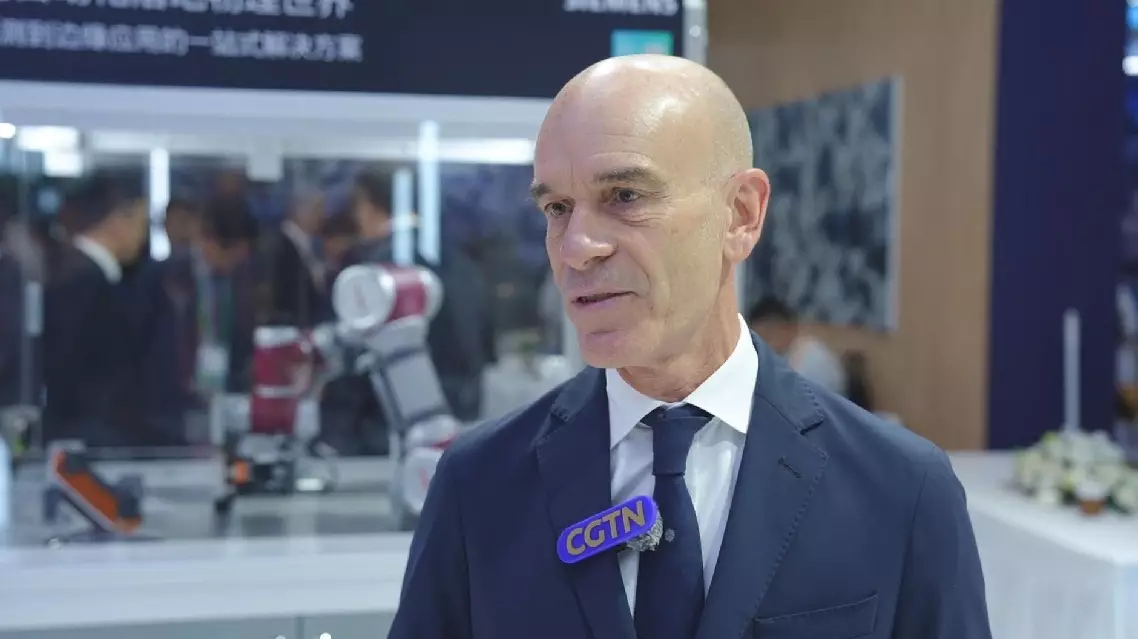
The event, first held in 2018, is seen as key platform for international firms to tap into the China market, as outlined by Achim Peltz, Senior Executive Vice President of Siemens China, who says it is about much more than just a showcase for products and services.
"CIIE is more than an expo. This is actually the place where technology meets also partnerships. This is very important. It's now the ninth consecutive year where we are here on the exhibition and, looking back, we have hosted 500 delegations, we signed a lot of partnership agreements here. And it's not only about meeting the customer once here on the exhibition, it's about [having] deep and really meaningful discussions to talk about how to leverage technology in order to mitigate the challenges of the market," he said.
The logic also extends to how Siemens organizes its China operations, according to Peltx, who said that rather than treating the country primarily as a sales destination, it seeks to utilize China's supply chain advantages from a much broader business perspective.
"We are focusing more on making China as a business. China as a business means that we are leveraging the entire value chain in China to serve the China market better. That means we are defining products, we are developing products, we are manufacturing products and bring these products to the China market," he said.
Siemens has some 20,000 staff members in China working under this model, according to Peltz, who said the company recently launched 40 new products which sought to balance performance, cost and speed for the Chinese market. Given their success, the firm has now decided to take these products to other parts of the world with similar needs.
Siemens is also placing a bigger bet on scaling up industrial AI, which Peltz says is now ready to add real value by moving beyond the conceptual stage to become fully embedded in production systems.
"AI does not scale in laboratories or on the screen -- it's scaling on the shop floor. And this is somehow a challenge, right? It's not about that technology is not available because AI technology is available, it's about integrating this in the entire operational technology (OT) structure. And therefore you have to prepare, that means you have to gather the data, you have to contextualize the data, bring this together with the technology and with this you are creating something which not only recommends but also acts directly," he said.
One concrete example is Siemens' Eigen Engineering Agent, an AI system for industrial automation engineering, which is on display at the company's CIIE booth. Peltz noted the Eigen software is now advanced enough to assemble a complete project rather than merely offering recommendations, which can make total engineering efforts up to 50 percent more efficient.
While aiming to further deepen its presence in China via the import expo, Peltz said Siemens -- which was founded nearly 180 years ago -- also hopes to share its experience to Chinese customers who are looking to expand overseas themselves.
"Now Chinese customers are going global and we have committed also to help those customers going global. Because what we see it's very often not about the product itself, it's not about the technology, it's about the way to do business in other countries, to comply also with regulation and standards in other countries. And Siemens is active and also present in more than 200 countries all over the world. And with our global expertise, we would also support Chinese customers in China not only with our portfolio but also to help them to go global," he said.
Siemens aims to accelerate integration of industrial AI, deepen partnerships at CIIE: executive