LAAYOUNE, Western Sahara (AP) — Morocco on Friday commemorated the Green March, the 1975 mass mobilization into then-Spanish controlled Western Sahara that helped pave the way for Morocco's takeover of most of the disputed territory. The anniversary comes as the decades-old conflict enters a new diplomatic phase as a U.N. peacekeeping mission there winds down.
In Laayoune, the largest city in the part of Western Sahara controlled by Morocco, signs of the Green March anniversary were visible across public spaces.
Click to Gallery
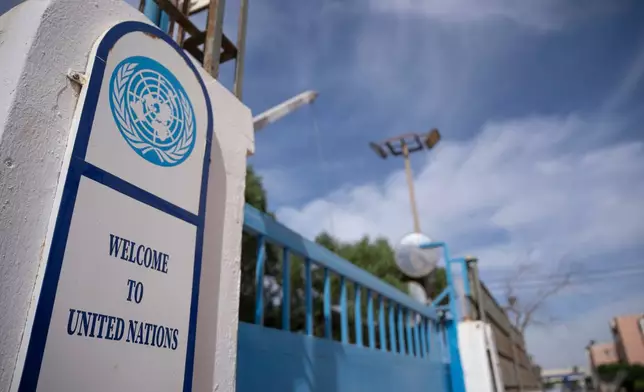
A signboard at the headquarters of the United Nations Mission for the Referendum in Western Sahara (MINURSO), ahead of its exit from the region after its mandate expired, in Laayoune, Moroccan-administered Western Sahara, Thursday, Nov. 5, 2026. (AP Photo/Mosa'ab Elshamy)
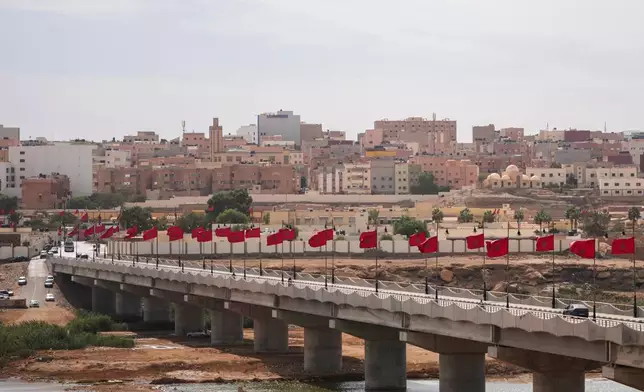
A view of Laayoune, a city in the Moroccan-administered Western Sahara, Thursday, Nov. 5, 2026. (AP Photo/Mosa'ab Elshamy)
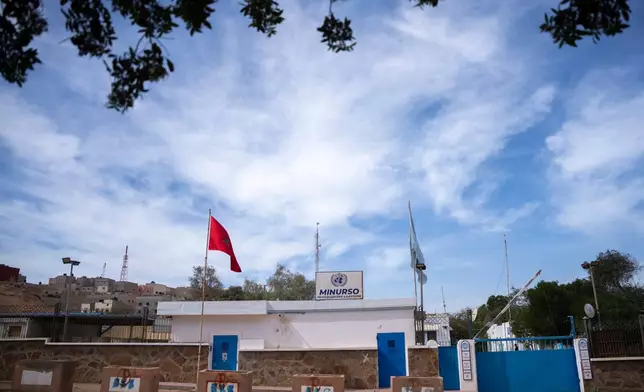
Moroccan and United Nations flags wave at the headquarters of the United Nations Mission for the Referendum in Western Sahara (MINURSO), ahead of its exit from the region following the expiration of its mandate, in Laayoune, Moroccan-administered Western Sahara, Thursday, Nov. 5, 2026. (AP Photo/Mosa'ab Elshamy)
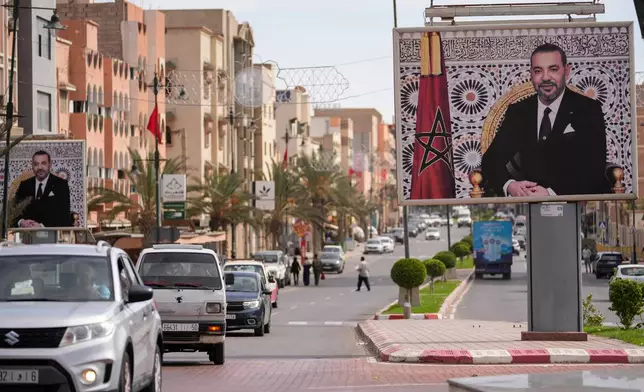
Cars drive past portraits of Moroccan King Mohammed VI in the Moroccan-administered Western Sahara city of Laayoune, Thursday, Nov. 5, 2026. (AP Photo/Mosa'ab Elshamy)
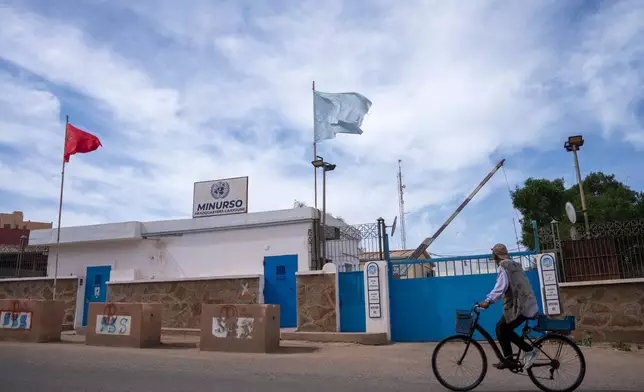
A man cycles past the headquarters of U.N. Mission for the Referendum in Western Sahara, known as MINURSO, ahead of its exit from the region after its mandate expired, in the Morocco administered Western Sahara town of Laayoune, Thursday, Nov. 5, 2026. (AP Photo/Mosa'ab Elshamy)
Moroccan flags fluttered in schoolchildren’s hands, portraits of King Mohammed VI overlooked roundabouts and public squares, and the national coat of arms adorned major boulevards. Uniformed and plainclothes police officers stood watch along the streets.
But across the desert, beyond a long sand berm lined with military positions and minefields, the anniversary carries a different meaning.
For the Sahrawis who support independence, the Green March marks the beginning of Morocco’s takeover of most of the territory and the displacement of thousands of people. Some relatives have spent decades on opposite sides of the divide, living in Moroccan-controlled cities or in refugee camps near the Algerian city of Tindouf, with few chances to meet.
This year, their separation is set against a new diplomatic turning point. The U.N. Security Council failed to renew the mandate of a peacekeeping mission that was established in 1991 to monitor a ceasefire and organize a referendum on the territory’s future.
The mandate of the mission, known as MINURSO, expired on Oct. 31, and the mission is winding down after 35 years.
Morocco has welcomed the end of the mandate. It has increasing support from powerful allies, including the United States and France, for its proposal to give Western Sahara autonomy under Moroccan sovereignty.
The Polisario Front, the independence movement backed by Algeria and Russia, says the territory’s people must be allowed to choose independence through a referendum. It has expressed regret over the mission’s nonrenewal.
The dispute has made Western Sahara one of Africa’s longest-running territorial conflicts. The territory, roughly the size of Colorado, is rich in fisheries and phosphate deposits. Morocco controls most of it and calls the area its “southern provinces.” The Polisario claims the territory and administers areas east of the berm.
The U.N. continues to list Western Sahara as a Non-Self-Governing Territory awaiting decolonization.
The Green March began on Nov. 6, 1975, when King Hassan II called on Moroccans to enter Spanish-ruled Western Sahara. Morocco says 350,000 civilians took part. Spain withdrew the following year, but the Polisario Front, founded in 1973 to end Spanish rule, rejected the agreement and continued fighting for independence. Morocco later consolidated control over most of the territory and built the berm that divides it today.
Meanwhile, Morocco has poured investment into the territory, building roads, ports and industrial infrastructure and promoting renewable energy projects. Rabat presents the development drive as evidence that its administration has improved living standards.
Despite the construction boom, residents in Laayoune continue to grapple with everyday economic pressures, including the cost of living and access to jobs. Some residents who spoke to The Associated Press said these concerns remain more immediate in their daily lives.
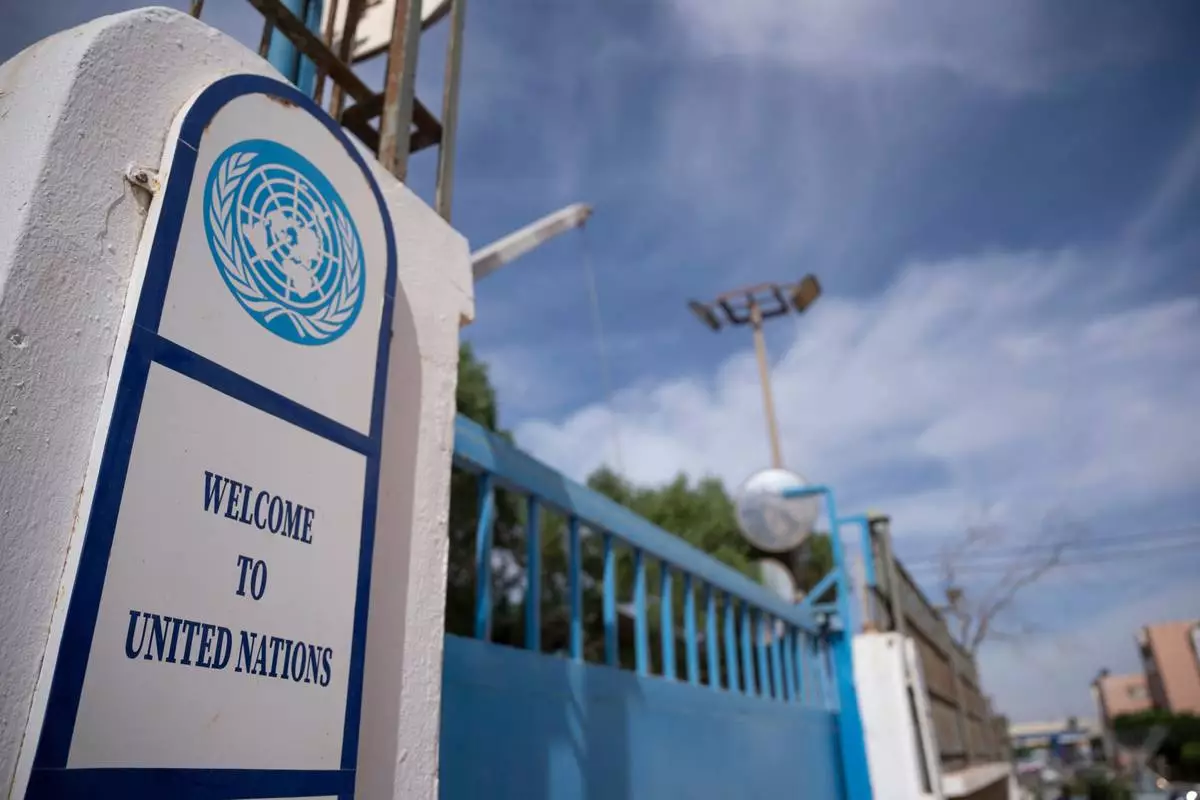
A signboard at the headquarters of the United Nations Mission for the Referendum in Western Sahara (MINURSO), ahead of its exit from the region after its mandate expired, in Laayoune, Moroccan-administered Western Sahara, Thursday, Nov. 5, 2026. (AP Photo/Mosa'ab Elshamy)
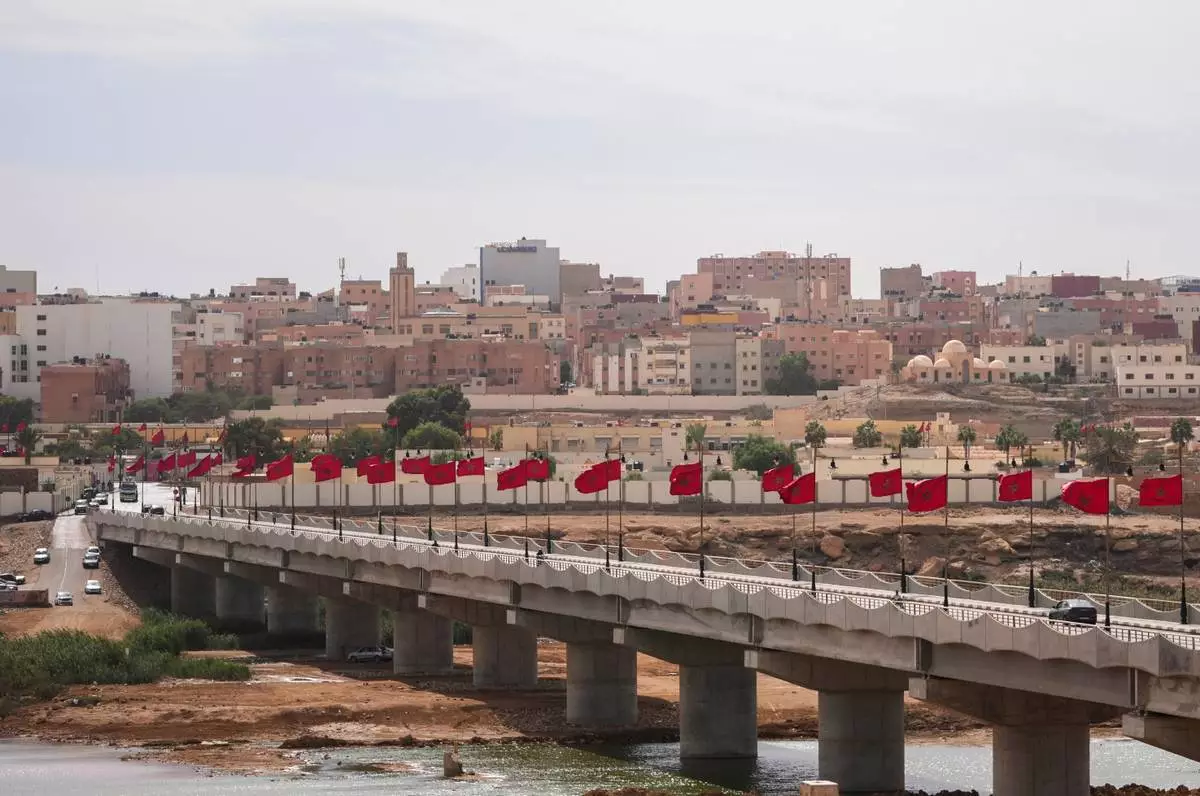
A view of Laayoune, a city in the Moroccan-administered Western Sahara, Thursday, Nov. 5, 2026. (AP Photo/Mosa'ab Elshamy)
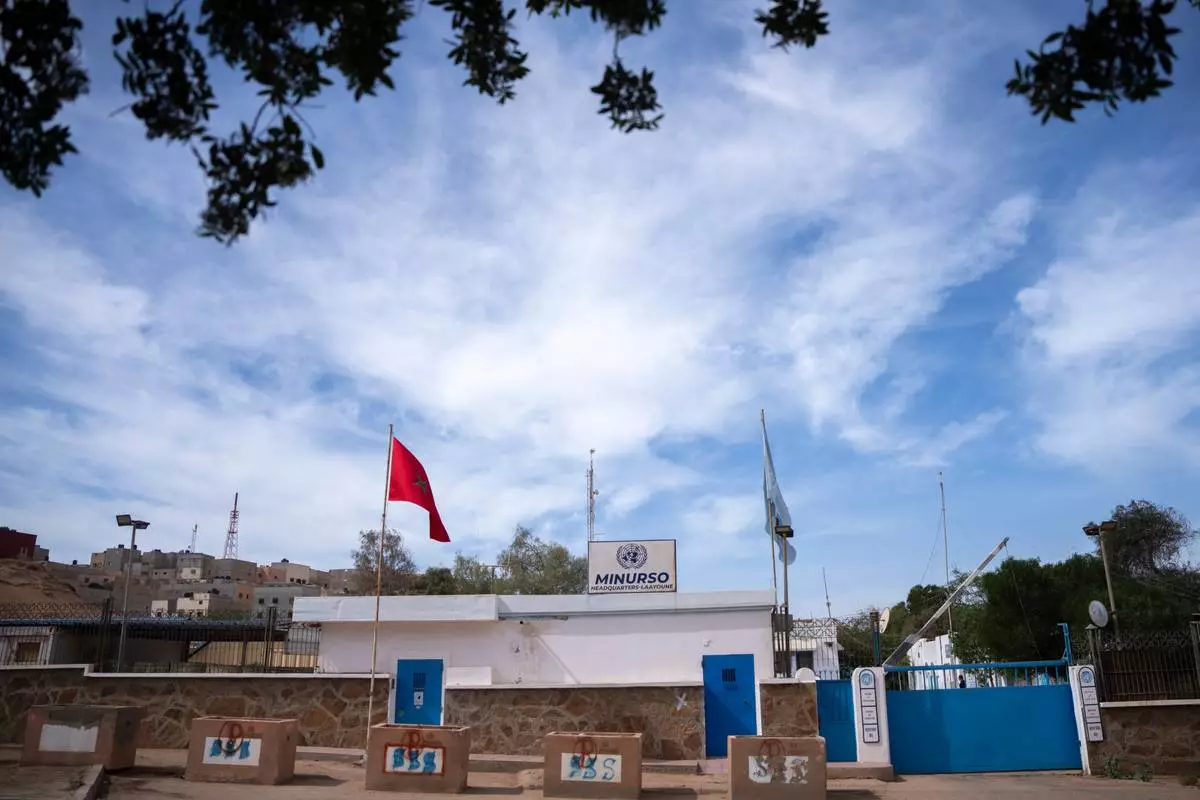
Moroccan and United Nations flags wave at the headquarters of the United Nations Mission for the Referendum in Western Sahara (MINURSO), ahead of its exit from the region following the expiration of its mandate, in Laayoune, Moroccan-administered Western Sahara, Thursday, Nov. 5, 2026. (AP Photo/Mosa'ab Elshamy)
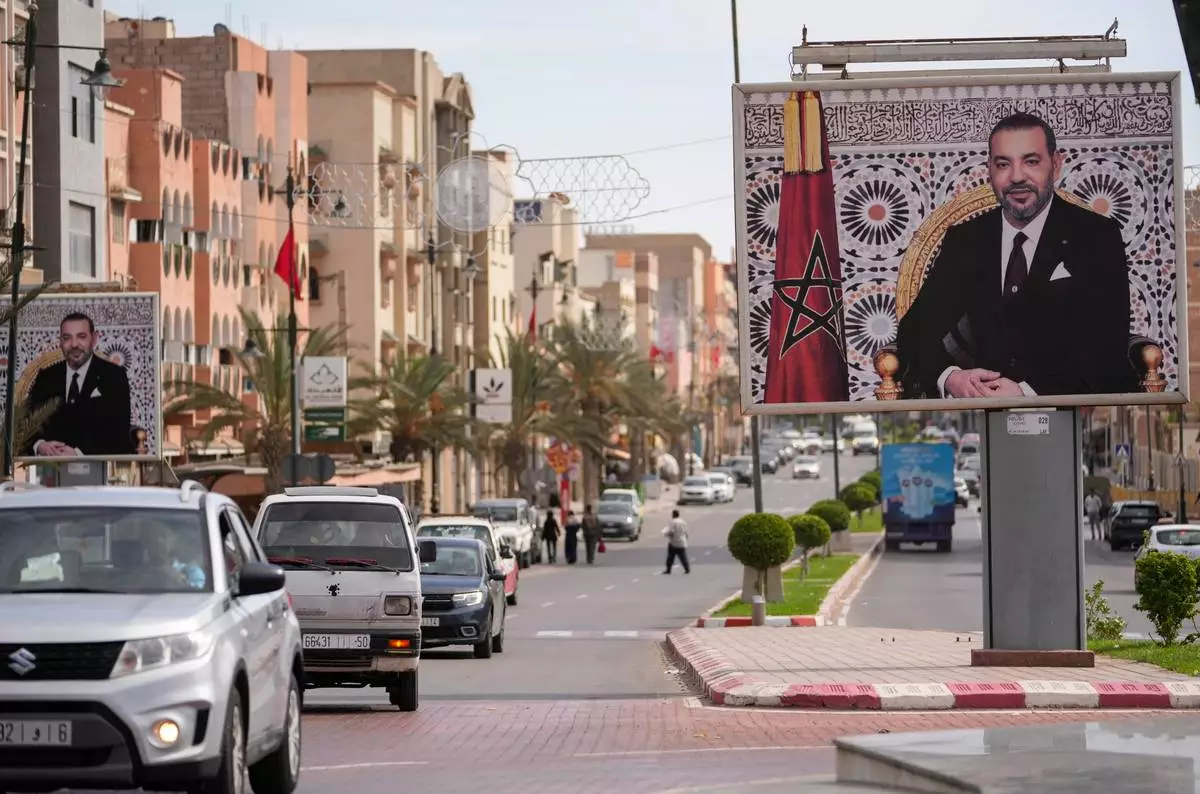
Cars drive past portraits of Moroccan King Mohammed VI in the Moroccan-administered Western Sahara city of Laayoune, Thursday, Nov. 5, 2026. (AP Photo/Mosa'ab Elshamy)
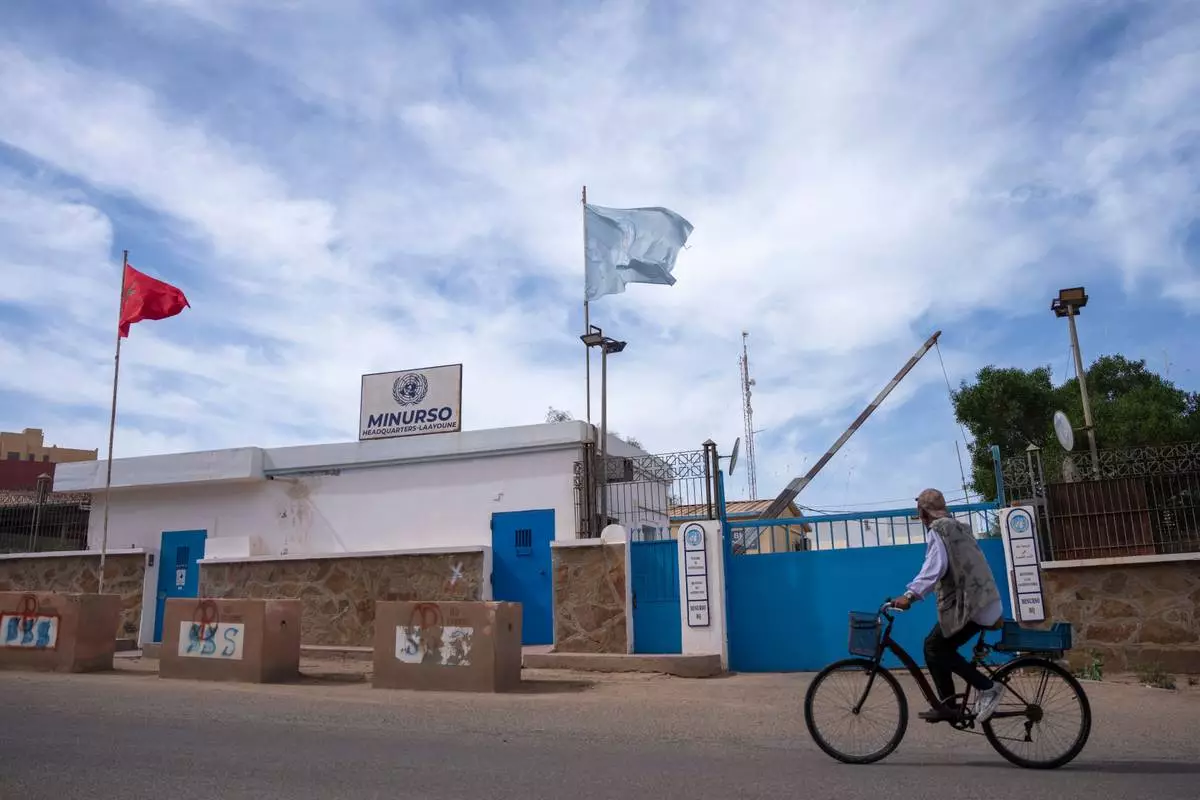
A man cycles past the headquarters of U.N. Mission for the Referendum in Western Sahara, known as MINURSO, ahead of its exit from the region after its mandate expired, in the Morocco administered Western Sahara town of Laayoune, Thursday, Nov. 5, 2026. (AP Photo/Mosa'ab Elshamy)