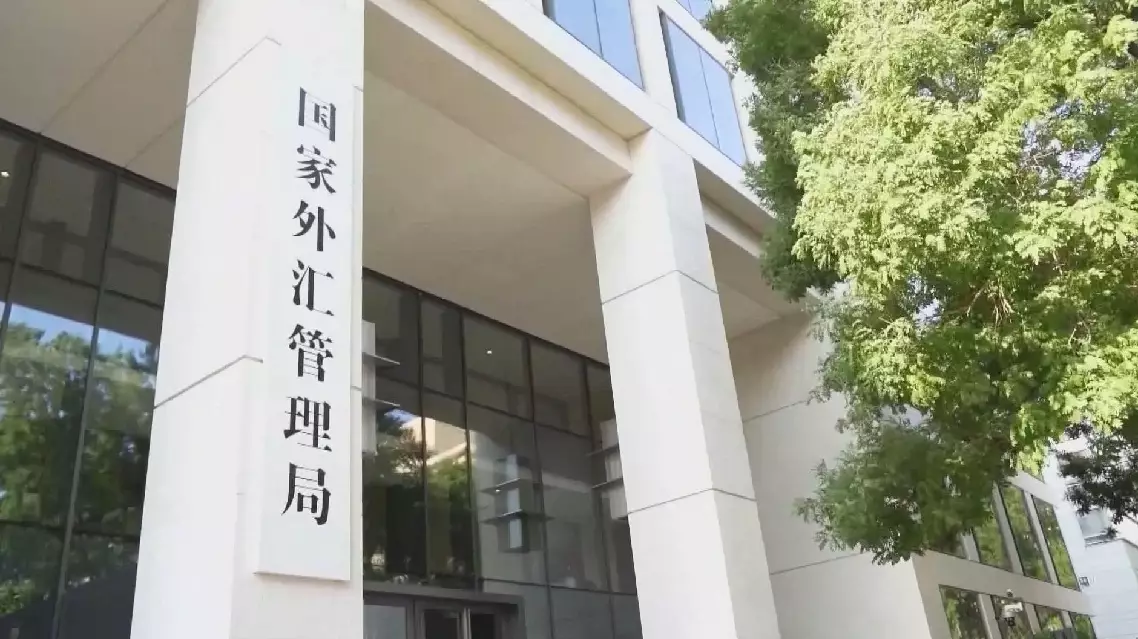
China's foreign exchange reserves rose in October from the previous month and have remained above 3.4 trillion U.S. dollars for seven consecutive months, according to data released by the State Administration of Foreign Exchange on Saturday.
Data show that as of the end of October 2026, China's foreign exchange reserves stood at 3.4052 trillion U.S. dollars, up 4.9 billion U.S. dollars, or 0.14 percent, from the end of September.
The State Administration of Foreign Exchange said that in October 2026, influenced by factors of global macroeconomic data and monetary policies and expectations of major economies, the U.S. dollar index rose, and prices of major global financial assets showed mixed movements.
The combined effects of currency translation and changes in asset prices led to the increase in the scale of foreign exchange reserves that month.
China's economy has been operating generally steadily and has achieved new results in high-quality development, providing support for the basic stability of the scale of foreign exchange reserves.
"In October, the U.S. dollar index strengthened slightly amid fluctuations, dragging down the U.S. dollar-converted value of non-U.S. dollar reserve assets. At the same time, long-term government bond yields in major economies such as the United States, Germany, Japan and Britain fell, while bond prices rebounded, providing support for the valuation of reserve assets. Overall, the scale of China's foreign exchange reserves has remained generally stable and risen steadily. The fundamentals of China's economy, which is improving over the long term, have provided solid support for the basic stability of foreign exchange reserves. Through diversified allocation and proactive management, China's reserve assets have enhanced their ability to hedge risks, maintained safety and liquidity, and provided strong guarantees for stabilizing market expectations and responding to external shocks," said Li Liuyang, chief forex analyst at research department of China International Capital Corporation.
China's foreign exchange reserves rise in Oct