Skip to Content Facebook Feature Image

Pope urges Argentines to follow model of saints during Mass in the 'land of saints'

News

Pope urges Argentines to follow model of saints during Mass in the 'land of saints'
News

News

Pope urges Argentines to follow model of saints during Mass in the 'land of saints'

2026-11-11 01:40 Last Updated At:01:50

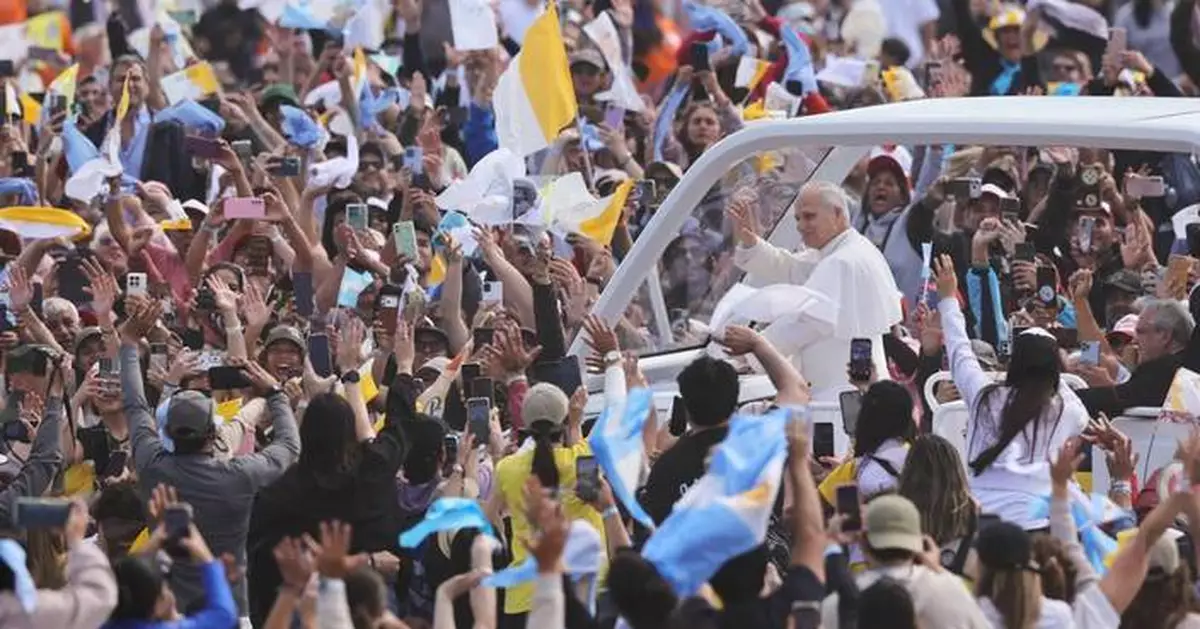
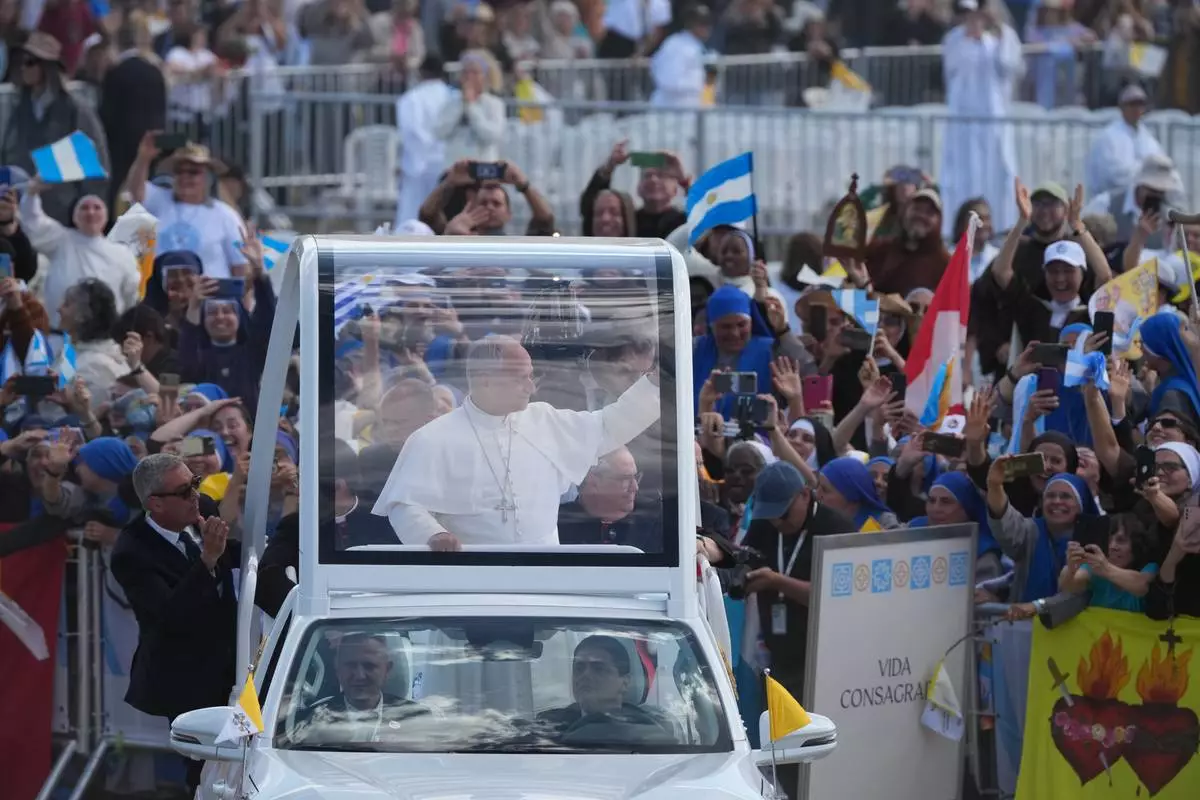
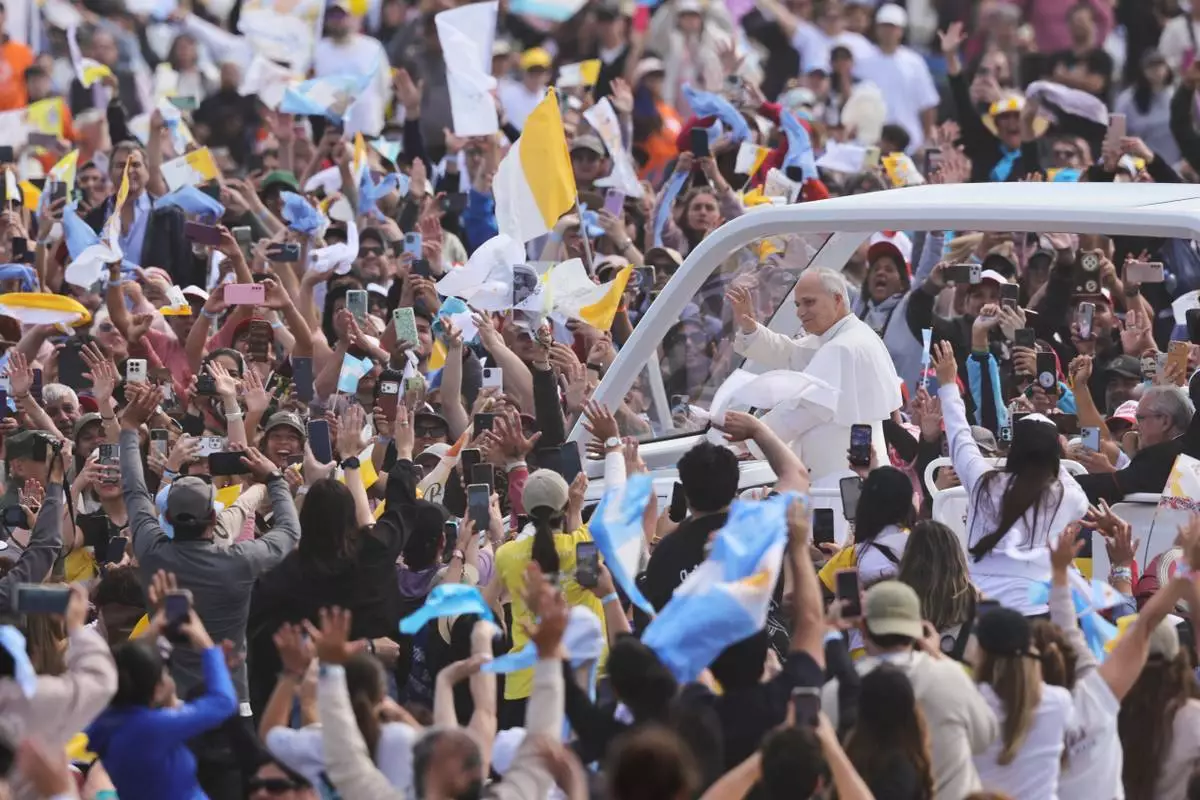
CÓRDOBA, Argentina (AP) — Pope Leo XIV urged Argentines on Tuesday to follow the holy example of the country's best-known saints as he drew an estimated 650,000 people to the central city of Córdoba for Mass, a day after an estimated 2.5 million turned out in the capital.

Faithful from all over Argentina drove hours to be on hand for the service, from the farthest north of the country to Patagonia in the south and points in between. After nearly 40 years without a papal visit, Córdoba was chosen to host Leo because of its central location.

More Images
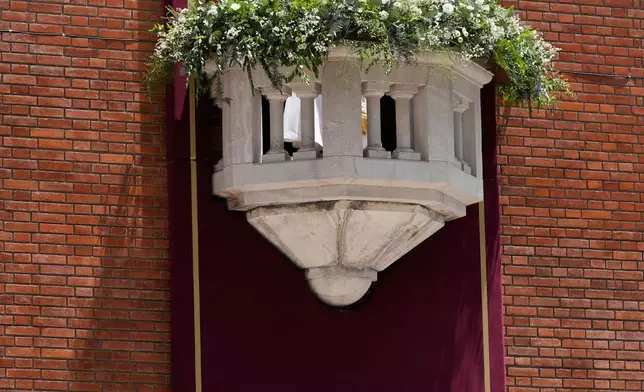
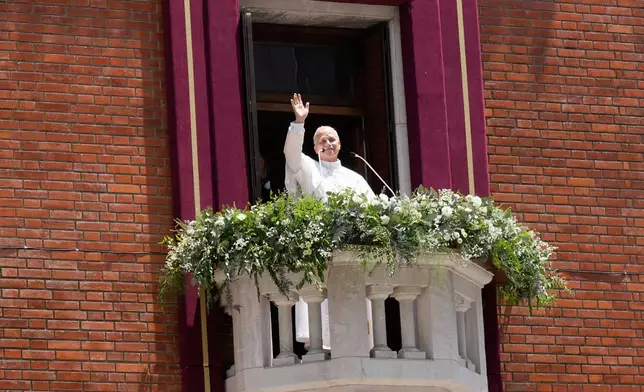
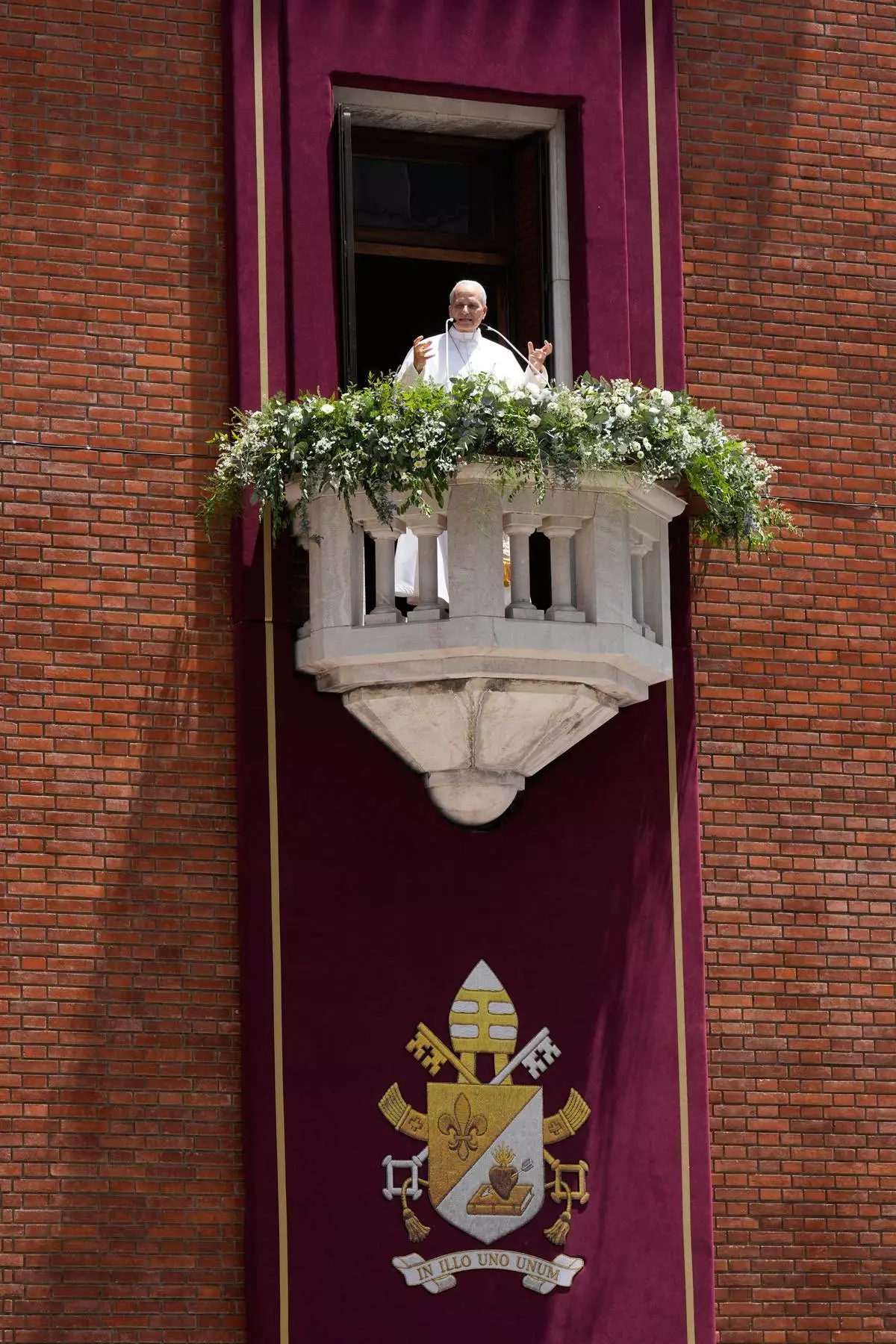
Pope Leo XIV addressed the faithful from a balcony of the archbishop's residence in Cordoba, Argentina, Tuesday, Nov. 10, 2026. (AP Photo/Gustavo Garello)
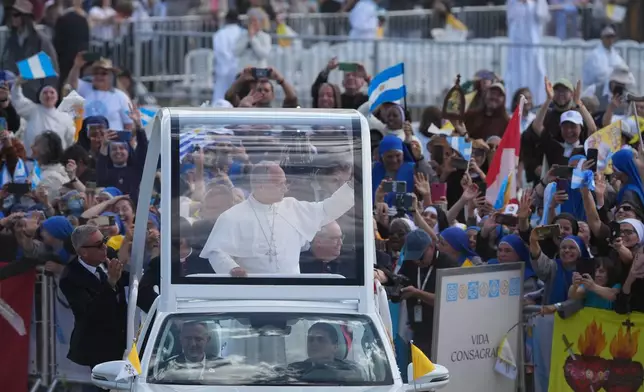
Pope Leo XIV addressed the faithful from a balcony of the archbishop's residence in Cordoba, Argentina, Tuesday, Nov. 10, 2026. (AP Photo/Gustavo Garello)

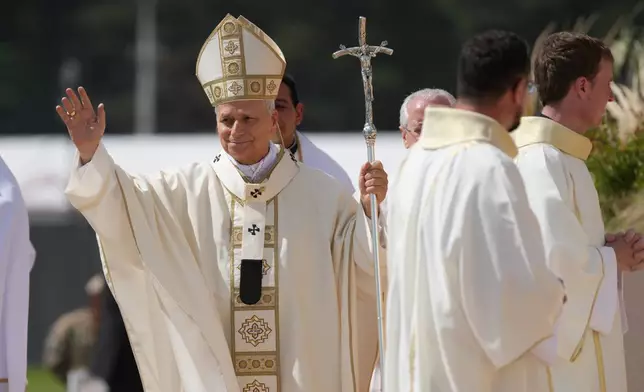
Pope Leo XIV arrives to preside over Mass at the grounds of the Military Aviation School in Córdoba, Argentina, on the fifth day of his twelve-day apostolic journey to South America, Tuesday, Nov. 10, 2026. (AP Photo/Andrew Medichini)
Pope Leo XIV arrives to preside over Mass at the grounds of the Military Aviation School in Córdoba, Argentina, on the fifth day of his twelve-day apostolic journey to South America, Tuesday, Nov. 10, 2026. (AP Photo/Andrew Medichini)
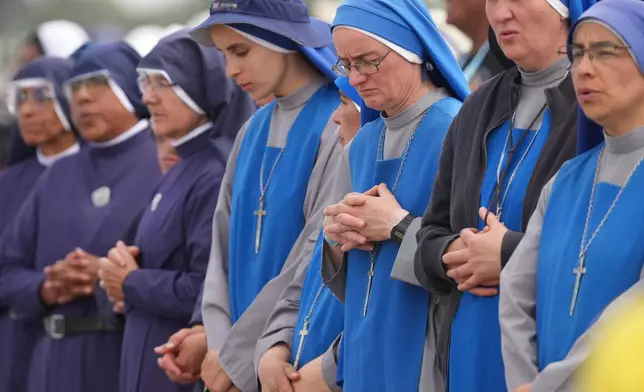
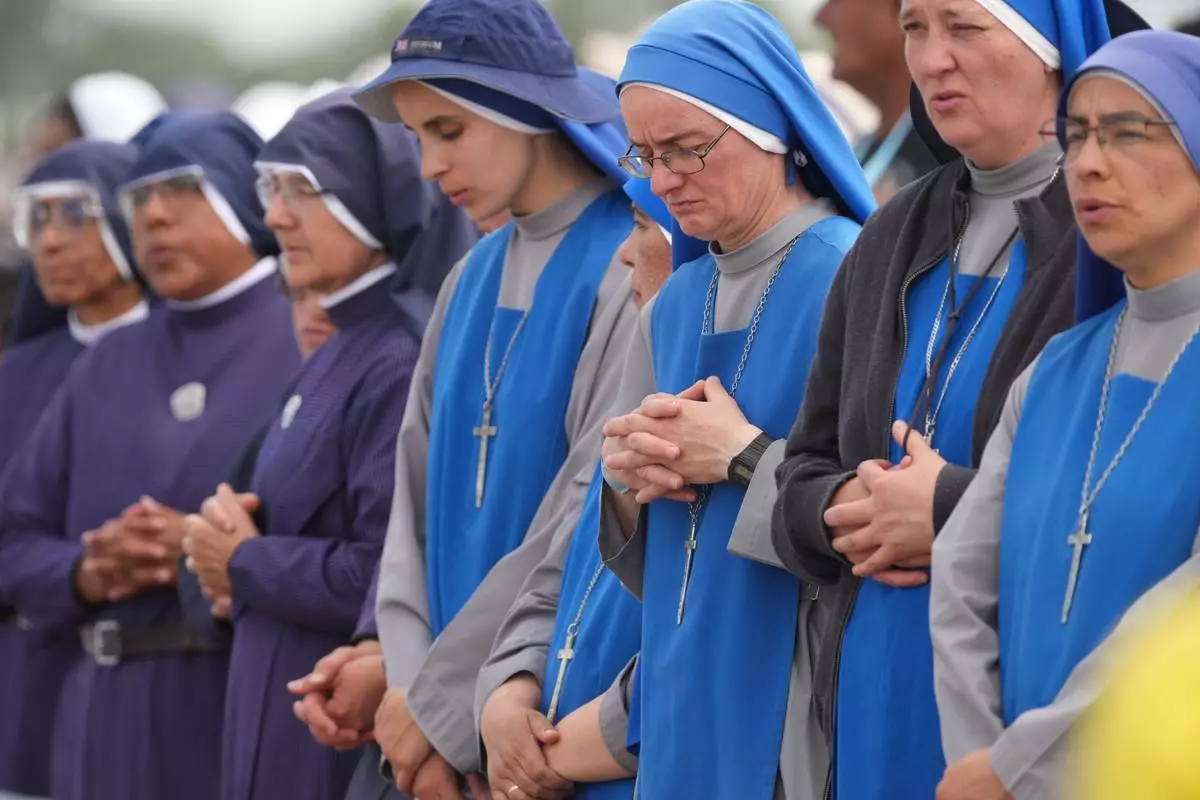
Members of the Catholic clergy attend a Mass presided over by Pope Leo XIV at the Military Aviation School in Córdoba, Argentina, on the fifth day of his twelve-day apostolic journey to South America, Tuesday, Nov. 10, 2026. (AP Photo/Andrew Medichini)
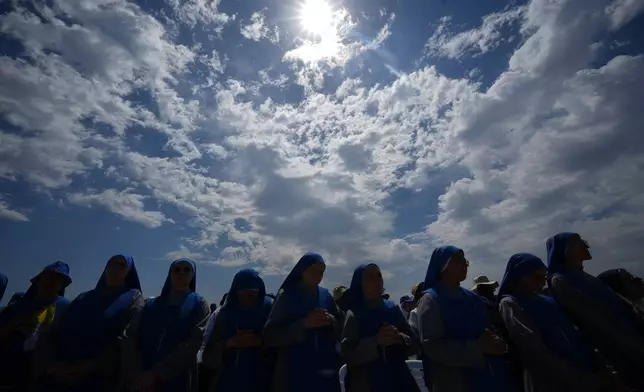
Members of the Catholic clergy attend a Mass presided over by Pope Leo XIV at the Military Aviation School in Córdoba, Argentina, on the fifth day of his twelve-day apostolic journey to South America, Tuesday, Nov. 10, 2026. (AP Photo/Andrew Medichini)
Members of the Catholic clergy attend a Mass presided over by Pope Leo XIV at the Military Aviation School in Córdoba, Argentina, on the fifth day of his twelve-day apostolic journey to South America, Tuesday, Nov. 10, 2026. (AP Photo/Andrew Medichini)

Members of the Catholic clergy attend a Mass presided over by Pope Leo XIV at the Military Aviation School in Córdoba, Argentina, on the fifth day of his twelve-day apostolic journey to South America, Tuesday, Nov. 10, 2026. (AP Photo/Andrew Medichini)

Pope Leo XIV arrives to preside over Mass at the grounds of the Military Aviation School in Córdoba, Argentina, on the fifth day of his twelve-day apostolic journey to South America, Tuesday, Nov. 10, 2026. (AP Photo/Andrew Medichini)

Pope Leo XIV arrives to preside over Mass at the grounds of the Military Aviation School in Córdoba, Argentina, on the fifth day of his twelve-day apostolic journey to South America, Tuesday, Nov. 10, 2026. (AP Photo/Andrew Medichini)

Pope Leo XIV waves from a balcony of the archbishop's residence in Cordoba, Argentina, Tuesday, Nov. 10, 2026. (AP Photo/Gustavo Garello)
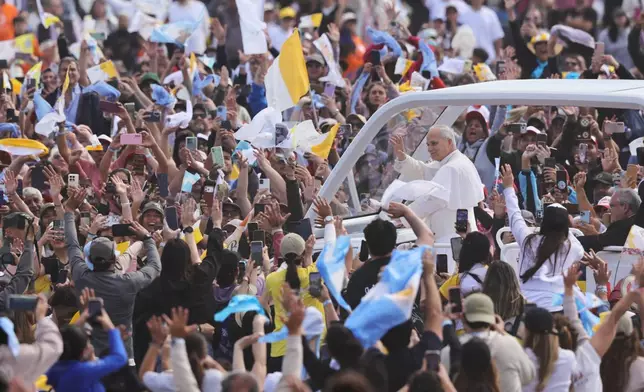
Pope Leo XIV waves from a balcony of the archbishop's residence in Cordoba, Argentina, Tuesday, Nov. 10, 2026. (AP Photo/Gustavo Garello)

Pope Leo XIV arrives to preside over Mass at the grounds of the Military Aviation School in Cordoba, Argentina, Tuesday, Nov. 10, 2026. (AP Photo/Nicolas Aguilera)

Pope Leo XIV arrives to preside over Mass at the grounds of the Military Aviation School in Cordoba, Argentina, Tuesday, Nov. 10, 2026. (AP Photo/Nicolas Aguilera)

Leo told them that Córdoba was a “land of saints,” home to some of Argentina’s best-known missionaries. They include St. José Gabriel del Rosario Brochero, known as the “ Gaucho priest,” and “Mama Antula,” who in 2024 became Argentina’s first female saint. They were both canonized by the Argentine Pope Francis.

Leo urged Argentines today to follow their example.

“We are all called to holiness,” he said. "These saints and blesseds have already fulfilled their mission on Earth. Today, it is our turn to follow the radiant example of holiness they have left with us.”

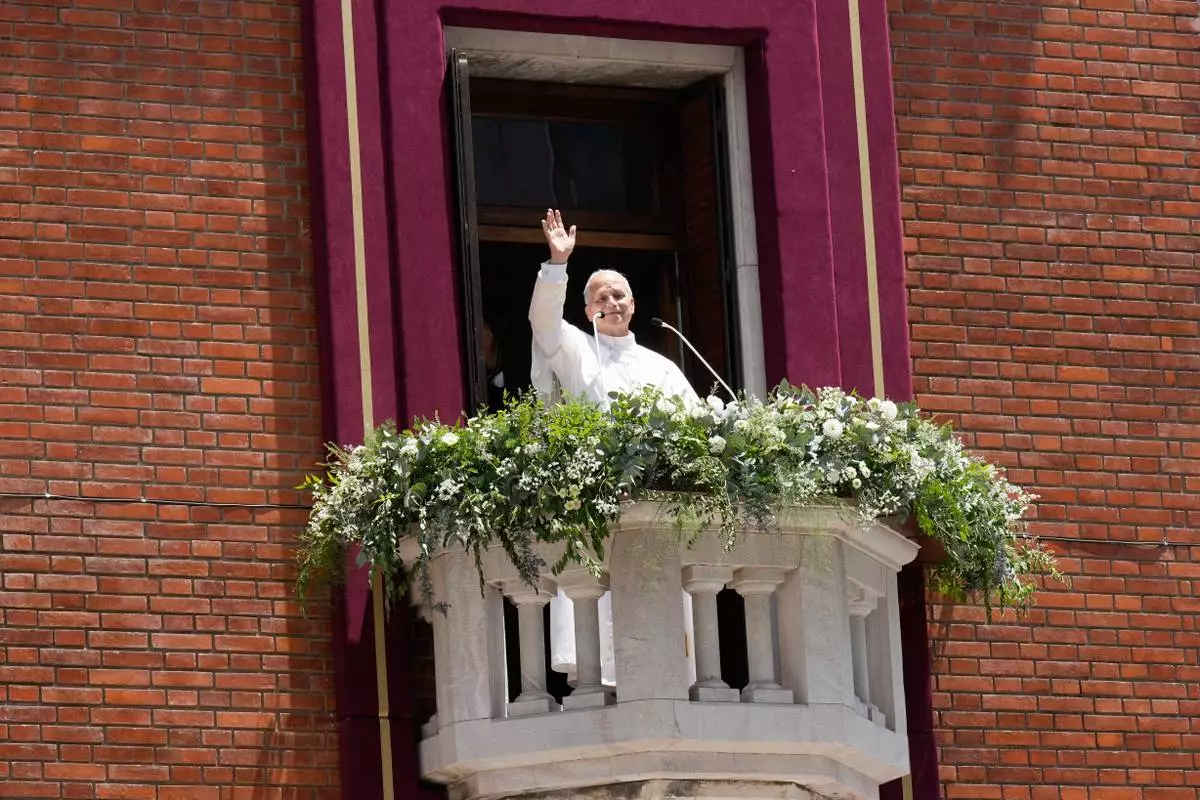
After Mass, Leo surprised the crowds with a brief appearance on the balcony of the archbishop’s residence in downtown Córdoba, the same balcony from which St. John Paul II greeted Córdoba in 1987. Thousands of people chanting “León, León” packed the street below. “United, we can do anything,” the pope told them.

Erika Viñales, 39, and Elena Llanquenao, 54, religious education teachers from Santa Cruz province in southern Argentina’s Patagonia region, said they traveled 2,000 kilometers (more than 1,200 miles) to be on hand.

“It was quite a journey,” Viñales said.

The site for the liturgy was the grounds of the Argentine Aircraft Factory, a plant run by the air force for much of the 20th century that built the attack planes Argentina’s military first used in late 1975 to strike leftist guerrillas.

That counterinsurgency campaign was a prelude to the state terror unleashed under the 1976-1983 military dictatorship, in which human rights groups estimate that around 30,000 people were killed or disappeared.

After Mass, Leo met privately with 20 people chosen by the archbishop, among them Alba Camargo, whose father, stepmother, aunt and uncle all disappeared under Argentina’s 1976-1983 military dictatorship.

Camargo said she told the pope she had come on behalf of relatives still searching for victims’ remains at La Perla, a former clandestine detention center outside Córdoba, and handed him a folder with photos of the excavations and the names of those identified so far.

“He was nodding, as if he knew all about it, and, looking deep in my eyes, took me by the hand and blessed the Franciscan crosses I had brought him,” she told The Associated Press.

Many others in the group, which included a rural worker, a soup kitchen organizer and a human trafficking survivor, were so overcome with emotion they could barely speak, she said. “It was unbelievably powerful to feel him so human, listening to you like that from 15 centimeters away.”

Camargo, 64, who herself was detained by security forces in 1976 at age 13, said the mere meeting was a "gesture showing that he sees us.”

Two weeks ago, forensic anthropologists found and identified the remains of nine missing people from La Perla, one of the dictatorship’s largest clandestine detention and torture centers.

Camargo said that she hoped Tuesday’s meeting “would bring change” at a time when President Javier Milei’s government has gutted funding for dictatorship memorial sites and organizations searching for the disappeared, and has promoted a revisionist account that casts the military’s crimes as little more than excesses in a war against leftist guerrillas.

“It’s exhausting to have people constantly telling you that what you’ve lived through your entire life isn’t true,” Camargo said.

Leo has only made a passing reference to the dictatorship while in Argentina. In his first speech delivered Sunday to President Javier Milei and government authorities, he spoke of Argentina’s history that included “reasons for gratitude and painful memories.”

He said then that it was up to each generation to “discern what deserves to be preserved, to confront past injustices and to add to its shared material and spiritual patrimony,” in comments seen as referring to the dictatorship.

While Leo’s Córdoba homily focused on faith and holiness Tuesday, his more pointed social calls during his first two days in Argentina were still reverberating in Buenos Aires.

Four senators from Milei’s party began preparing Tuesday to take up a stalled bill banning online gambling ads, which Milei has opposed and the church has promoted as a way to protect children. Argentina’s top diplomat defended the administration’s record against critics interpreting the pope’s words as a rebuke of Milei’s austerity, insisting Leo’s message to protect the vulnerable was meant for everyone.

But Foreign Minister Pablo Quirno also acknowledged that his remarks exposed the country’s shortcomings.

"It challenges the entire political class, the leadership class, it challenges us as a society and delivers a message about what we lack,” Quirno told Argentine TV channel TN. “We are working every day to address the pope’s message and what we lack.”

Leo’s host in Córdoba is also one of the Argentine church’s most outspoken critics of Milei. Cardinal Ángel Rossi, a Jesuit, trained under Jorge Mario Bergoglio in the 1970s, decades before Bergoglio became Pope Francis and made him a cardinal.

He has advocated for relatives of the disappeared and railed against Milei’s cuts to aid for people with disabilities and retirees, calling it “state and institutional sadism” at a Mass in May.

Local leaders said Leo’s visit offered a bitterly divided country hope of finding common ground. “In times of so much division and individualism, your message of peace, fraternity and hope challenges us,” Córdoba’s governor, Martín Llaryora, wrote on social media.

DeBre contributed from Buenos Aires. Martín Silva Rey contributed to this report.

Associated Press religion coverage receives support through the AP’s collaboration with The Conversation US, with funding from Lilly Endowment Inc. The AP is solely responsible for this content.
Pope Leo XIV addressed the faithful from a balcony of the archbishop's residence in Cordoba, Argentina, Tuesday, Nov. 10, 2026. (AP Photo/Gustavo Garello)
Pope Leo XIV addressed the faithful from a balcony of the archbishop's residence in Cordoba, Argentina, Tuesday, Nov. 10, 2026. (AP Photo/Gustavo Garello)

Pope Leo XIV arrives to preside over Mass at the grounds of the Military Aviation School in Córdoba, Argentina, on the fifth day of his twelve-day apostolic journey to South America, Tuesday, Nov. 10, 2026. (AP Photo/Andrew Medichini)
Pope Leo XIV arrives to preside over Mass at the grounds of the Military Aviation School in Córdoba, Argentina, on the fifth day of his twelve-day apostolic journey to South America, Tuesday, Nov. 10, 2026. (AP Photo/Andrew Medichini)
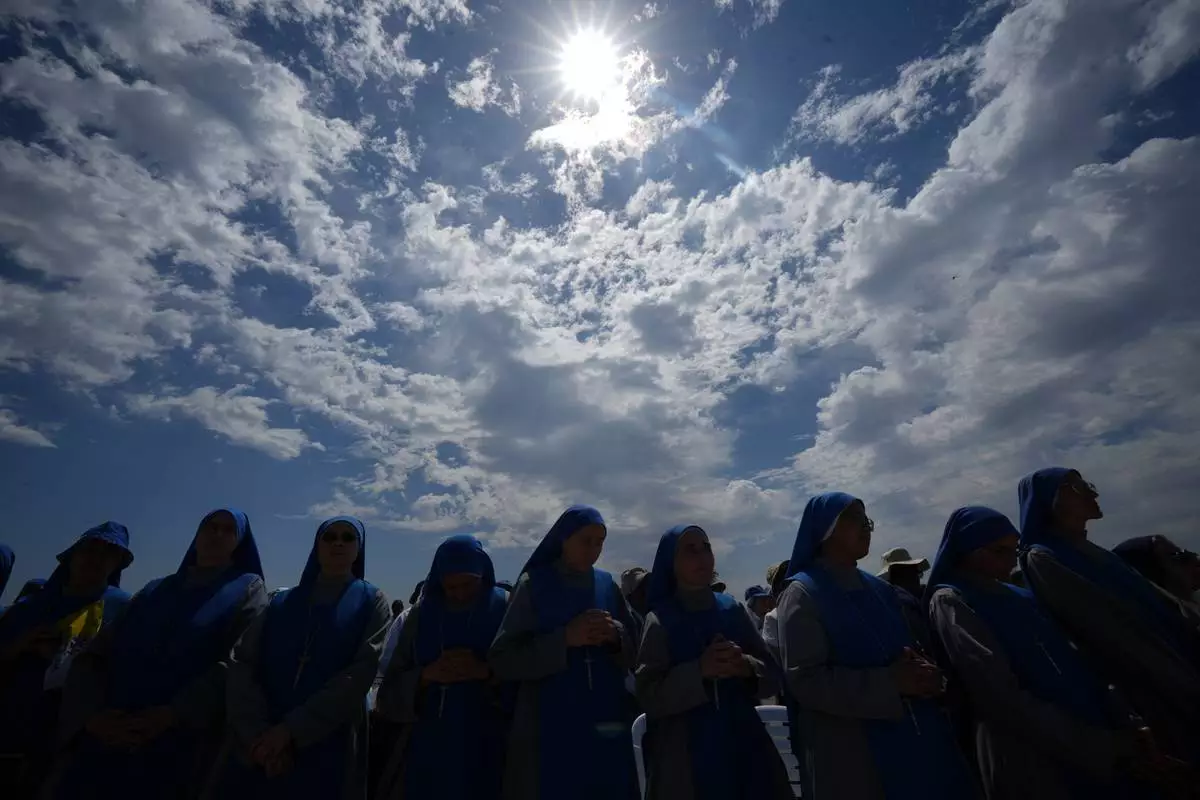
Members of the Catholic clergy attend a Mass presided over by Pope Leo XIV at the Military Aviation School in Córdoba, Argentina, on the fifth day of his twelve-day apostolic journey to South America, Tuesday, Nov. 10, 2026. (AP Photo/Andrew Medichini)
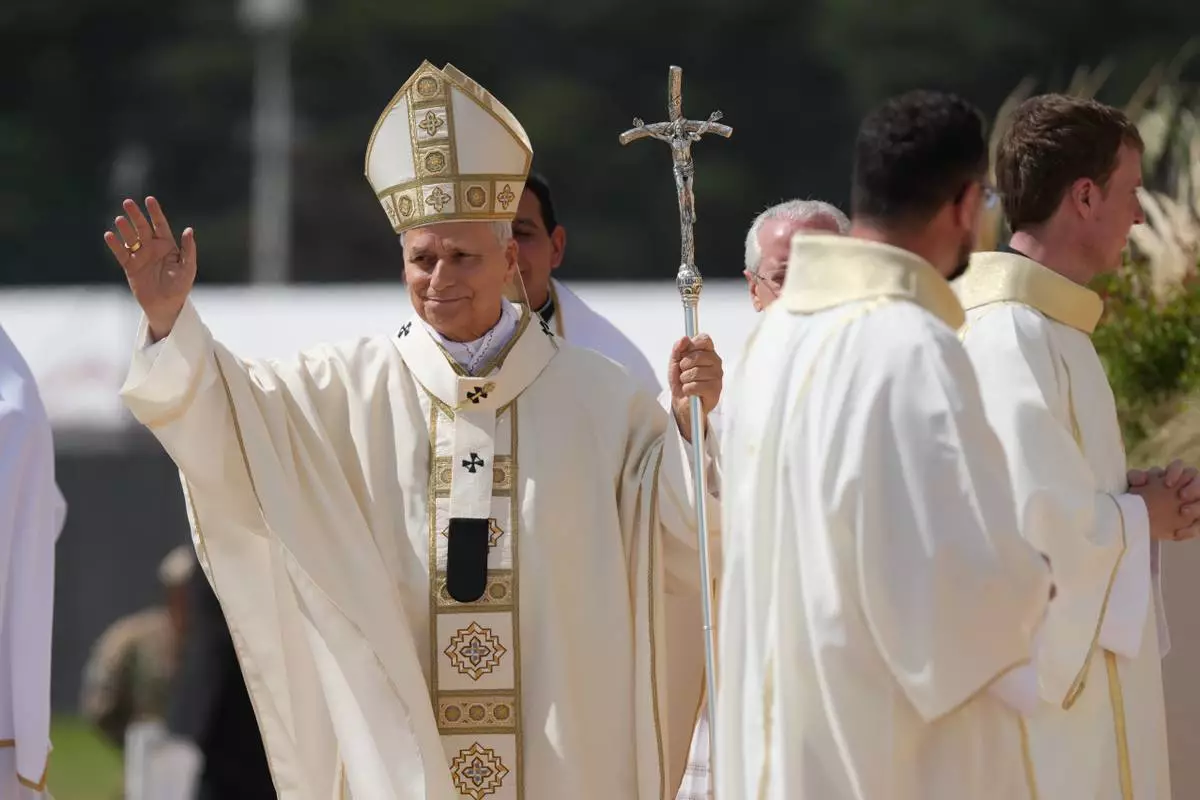
Members of the Catholic clergy attend a Mass presided over by Pope Leo XIV at the Military Aviation School in Córdoba, Argentina, on the fifth day of his twelve-day apostolic journey to South America, Tuesday, Nov. 10, 2026. (AP Photo/Andrew Medichini)
Members of the Catholic clergy attend a Mass presided over by Pope Leo XIV at the Military Aviation School in Córdoba, Argentina, on the fifth day of his twelve-day apostolic journey to South America, Tuesday, Nov. 10, 2026. (AP Photo/Andrew Medichini)

Members of the Catholic clergy attend a Mass presided over by Pope Leo XIV at the Military Aviation School in Córdoba, Argentina, on the fifth day of his twelve-day apostolic journey to South America, Tuesday, Nov. 10, 2026. (AP Photo/Andrew Medichini)

Pope Leo XIV arrives to preside over Mass at the grounds of the Military Aviation School in Córdoba, Argentina, on the fifth day of his twelve-day apostolic journey to South America, Tuesday, Nov. 10, 2026. (AP Photo/Andrew Medichini)

Pope Leo XIV arrives to preside over Mass at the grounds of the Military Aviation School in Córdoba, Argentina, on the fifth day of his twelve-day apostolic journey to South America, Tuesday, Nov. 10, 2026. (AP Photo/Andrew Medichini)

Pope Leo XIV waves from a balcony of the archbishop's residence in Cordoba, Argentina, Tuesday, Nov. 10, 2026. (AP Photo/Gustavo Garello)
Pope Leo XIV waves from a balcony of the archbishop's residence in Cordoba, Argentina, Tuesday, Nov. 10, 2026. (AP Photo/Gustavo Garello)

Pope Leo XIV arrives to preside over Mass at the grounds of the Military Aviation School in Cordoba, Argentina, Tuesday, Nov. 10, 2026. (AP Photo/Nicolas Aguilera)

Pope Leo XIV arrives to preside over Mass at the grounds of the Military Aviation School in Cordoba, Argentina, Tuesday, Nov. 10, 2026. (AP Photo/Nicolas Aguilera)
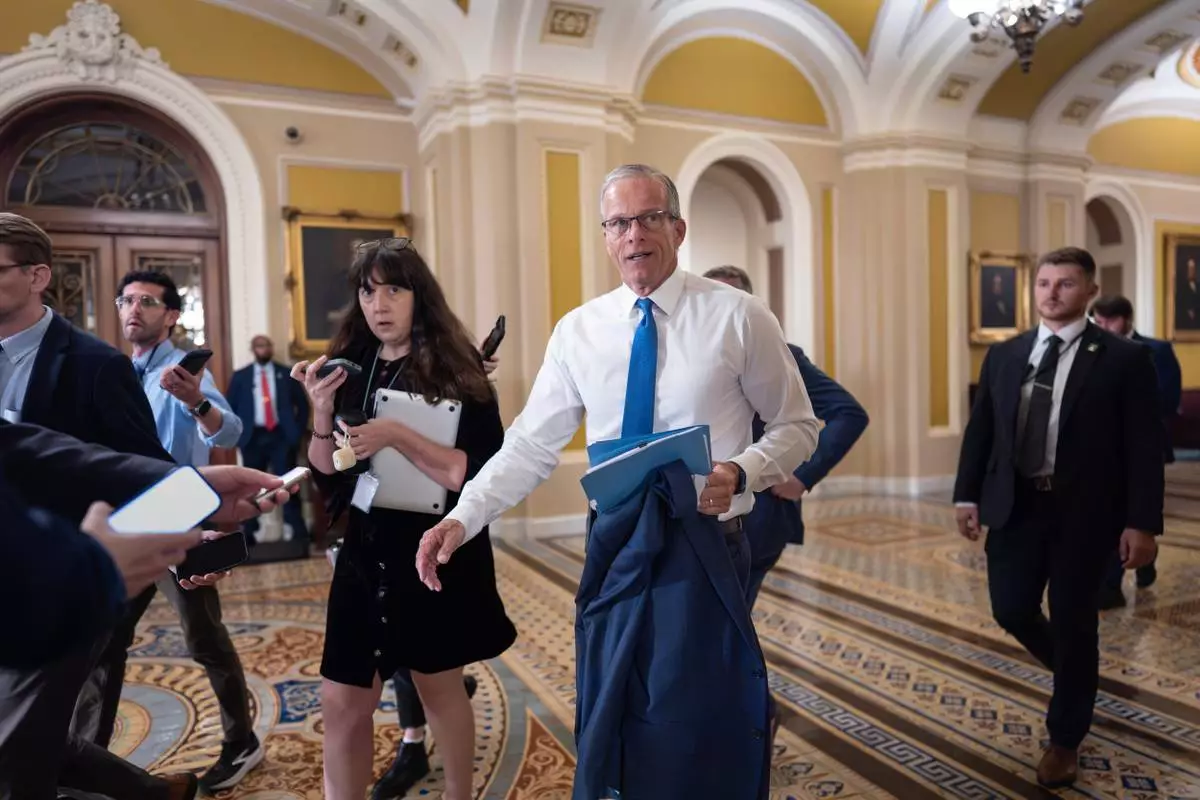
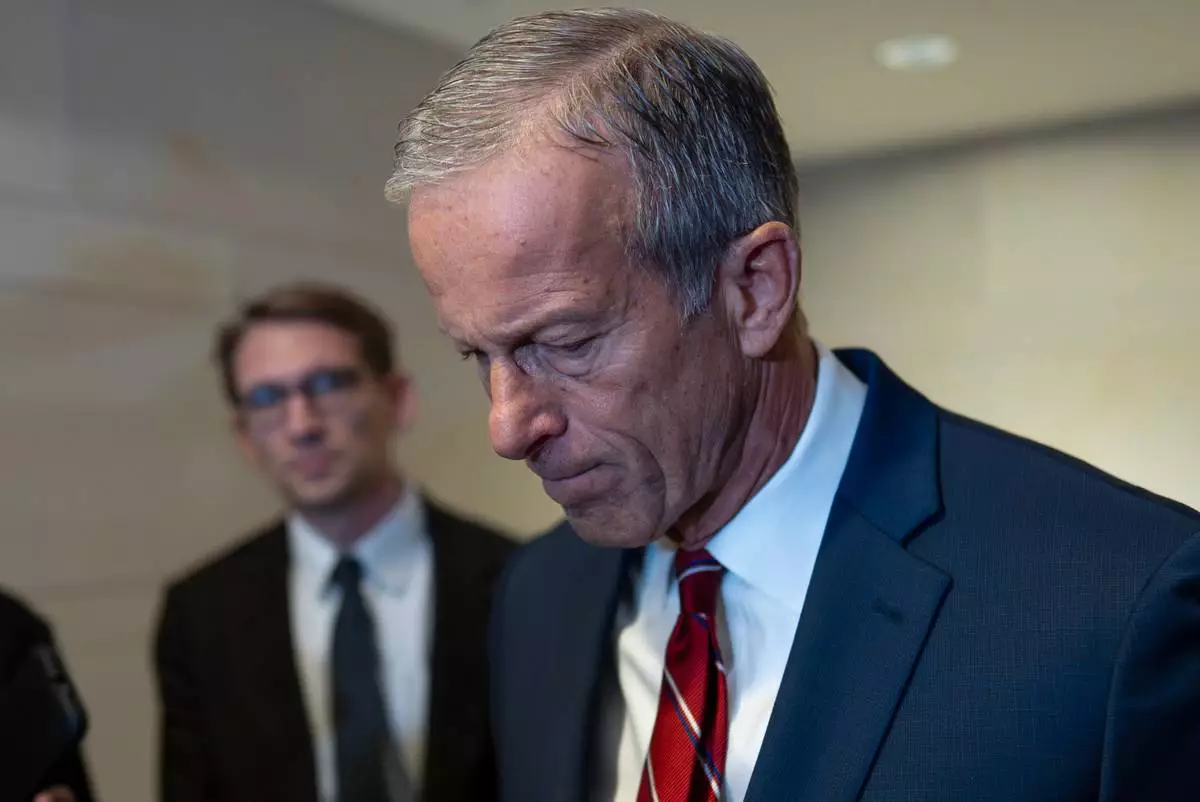
WASHINGTON (AP) — Senate Republicans met Tuesday to discuss their future and were expected to reconvene in the afternoon as they decide whether to keep South Dakota Sen. John Thune as their leader. The meetings come just a week after steep losses in the midterm elections that cost them their majority.

Thune is expected to be reelected in the secret ballot election, given that he remains popular with his GOP colleagues and is so far running unopposed. But senators left the closed-door meeting after two hours of discussions with no resolution on a way forward after an election wipeout that cost them at least seven Senate seats.

“We want to be thoughtful and do the right thing,” said West Virginia Sen. Jim Justice as the meeting broke up. He said no obvious alternative had emerged, but “there is a legitimate argument that, good gracious, if we lost as badly as we lost, why would we continue on with the same leadership?"

At the same time, the current GOP leadership “didn't cause this problem to happen,” Justice said. “They do a good job."

The angst comes as the party is just beginning to reckon with what the election results mean. Two additional Senate races remain uncalled in Alaska and Mississippi that could further deplete their numbers.

Several senators had called on the Republican leadership to delay the elections, which include contests for other party leaders as well and are held in the small Old Senate Chamber. Senators could still seek a vote to postpone the elections for a week or more when they reconvene Tuesday afternoon.

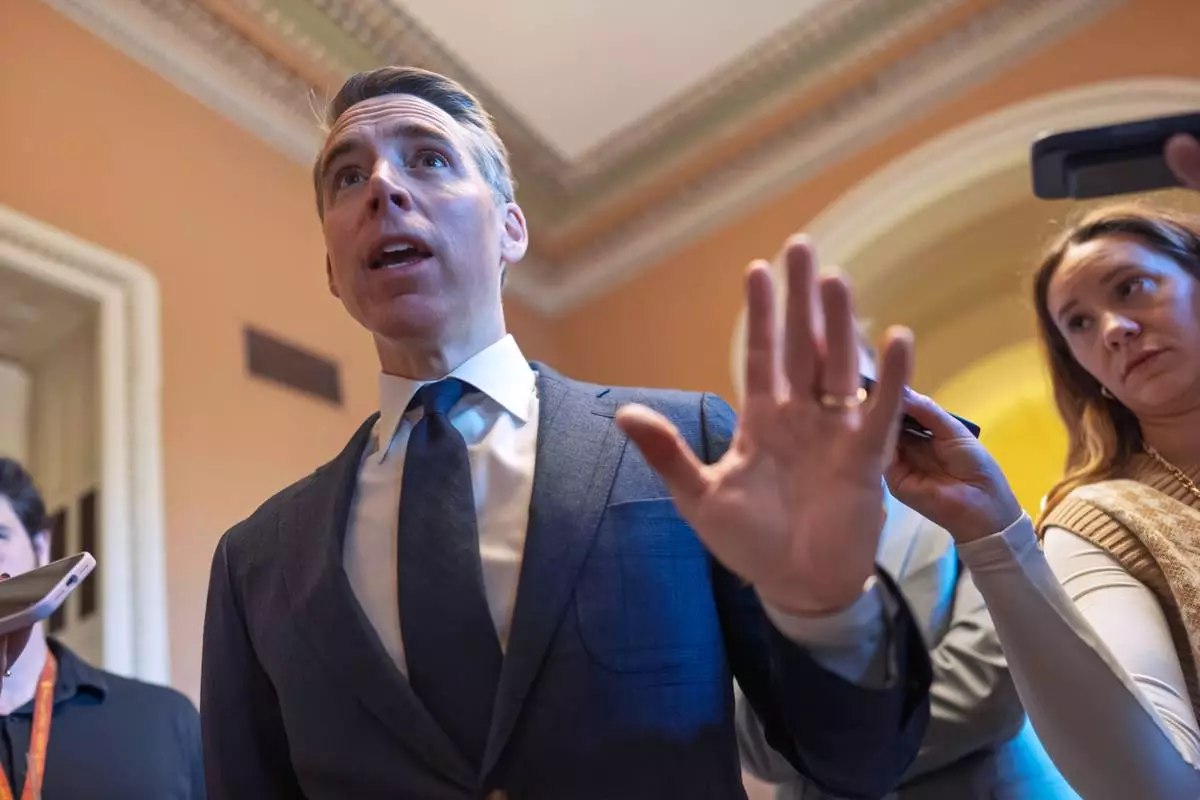
Missouri Sen. Josh Hawley said he isn't aware of anyone else running for leader, but “maybe there would be” if they waited.

“I just think that we’ve got a lot of things that we’ve got to think through, and I think that to just rush into this and just ratify all of the same leadership, what message does that send?" Hawley told reporters after walking out.

"If you don’t think after losing seven Senate seats minimum that we need to change course, I don’t know what planet you’re on,” he said.

Thune, who replaced Sen. Mitch McConnell of Kentucky as leader in early 2025, said before the meeting that they would have a “very fulsome, robust conversation about where we go from here and then we’ll see what the consensus of the conference is.”

Thune has not yet made his case for leadership, senators emerging from the meeting said, and has instead been listening to his colleagues' concerns. Hawley said the discussion was a “frank” and “honest” open- microphone meeting and some senators discussed their own races this year — some who won, and some who lost.

Before the meeting, Wisconsin Sen. Ron Johnson had circulated a letter asking for the delay. He said the conference needs to do some “real soul-searching” but conceded that there's no one else on the ballot.

“That's part of our problem, who would want the job?” he said, turning to a reporter and joking, “Do you want it?”

On Monday, Oklahoma Sen. Jim Lankford said that there is “widespread support” among Republican senators for Thune, who has made it a point to hear out different viewpoints before he makes major decisions and has maintained close relationships with the rank and file — a different approach from his predecessor, McConnell.

Lankford said he supported having the elections on Tuesday because many of the new GOP senators are already in town for freshman orientation.

“It’s a pretty complicated role to be able to manage,” Lankford said of Thune's leadership role. “No one wants that job.”

Walking into the meeting, South Dakota Sen. Mike Rounds said most senators are ready to move forward. It is time to have “leadership in place,” he said.

Thune has spent much of the last two years navigating President Donald Trump, who has often been at odds with the Senate.

While backing up Trump on most policy, Thune has refused to change Senate rules and scrap the filibuster to pass voting legislation that would require proof of citizenship for all voters — a position that frustrated Trump and enraged some in the president's political base.

But Trump hosted Thune and his family at the White House in October. He said Monday that the GOP leader is “a very fine man.” The election is “up to the Senate,” Trump said.

The soul-searching comes as lawmakers are trying to wrap up the year’s work — funding the government and seeing if there are some issues where they can work together, including an energy permitting bill that moved forward on a bipartisan vote Monday evening.

When he gets the chance to speak at the meeting, Thune is expected to emphasize his collaborative approach to his colleagues and point out what they did get done in the last year — including the tax and spending cuts legislation and an attempt at reining in the chaotic annual spending process.

In a Senate floor speech Monday, his first extended remarks since the election, Thune said the midterm election was a “tough night” and previewed his pitch to his colleagues who may be looking for answers on how they will navigate the minority.

Republicans will be willing to work with Democrats, Thune said, but “the American people are not looking for socialist government and leftist fantasies.”

Across the aisle, Democrats who could hold as many as 56 seats next year are having private discussions about whether New York Sen. Chuck Schumer is still the right person to lead them.

Schumer has found critics on the left and the right of his caucus as candidates from both sides declined to say in the campaign whether they would support him as leader. Maryland Sen. Chris Van Hollen and Michigan Sen. Elissa Slotkin have both considered challenging Schumer, but neither has announced a run.

Sen. Kirsten Gillibrand, Schumer’s New York colleague and the head of the Democratic Senate campaign arm, predicted that he will win enough support. Schumer not only won the Senate back but he “cares deeply, and he understands politics well," she said.

Associated Press reporter Seung Min Kim contributed to this report.

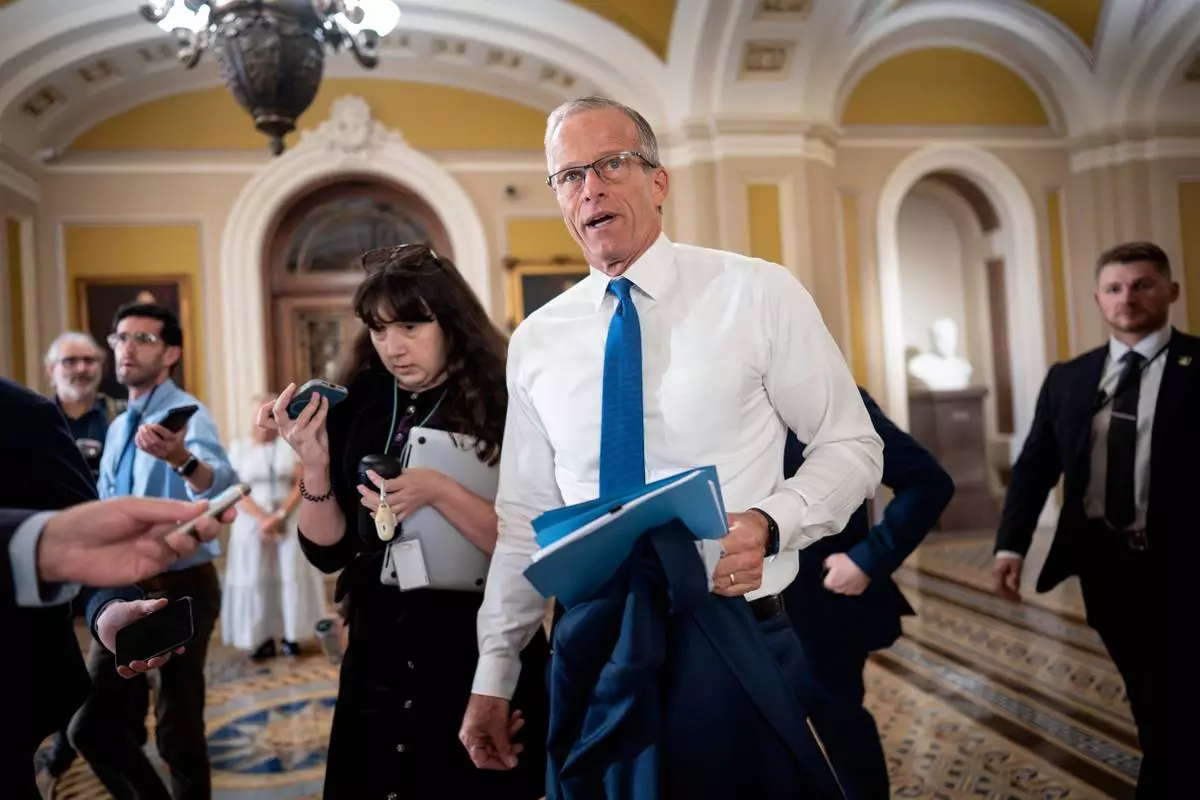
Sen. Josh Hawley, R-Mo., speaks to reporters as members of the Republican Conference arrive to elect their leadership following the sweeping victory by Democrats in the midterm elections, at the Capitol in Washington, Tuesday, Nov. 10, 2026. (AP Photo/J. Scott Applewhite)

Sen. Josh Hawley, R-Mo., speaks to reporters as members of the Republican Conference arrive to elect their leadership following the sweeping victory by Democrats in the midterm elections, at the Capitol in Washington, Tuesday, Nov. 10, 2026. (AP Photo/J. Scott Applewhite)

Senate Majority Leader John Thune, R-S.D., and members of the Republican Conference arrive to elect their leadership following the sweeping victory by Democrats in the midterm elections, at the Capitol in Washington, Tuesday, Nov. 10, 2026. (AP Photo/J. Scott Applewhite)

Senate Majority Leader John Thune, R-S.D., and members of the Republican Conference arrive to elect their leadership following the sweeping victory by Democrats in the midterm elections, at the Capitol in Washington, Tuesday, Nov. 10, 2026. (AP Photo/J. Scott Applewhite)

Senate Majority Leader John Thune, R-S.D., and members of the Republican Conference arrive to elect their leadership following the sweeping victory by Democrats in the midterm elections, at the Capitol in Washington, Tuesday, Nov. 10, 2026. (AP Photo/J. Scott Applewhite)

Senate Majority Leader John Thune, R-S.D., and members of the Republican Conference arrive to elect their leadership following the sweeping victory by Democrats in the midterm elections, at the Capitol in Washington, Tuesday, Nov. 10, 2026. (AP Photo/J. Scott Applewhite)

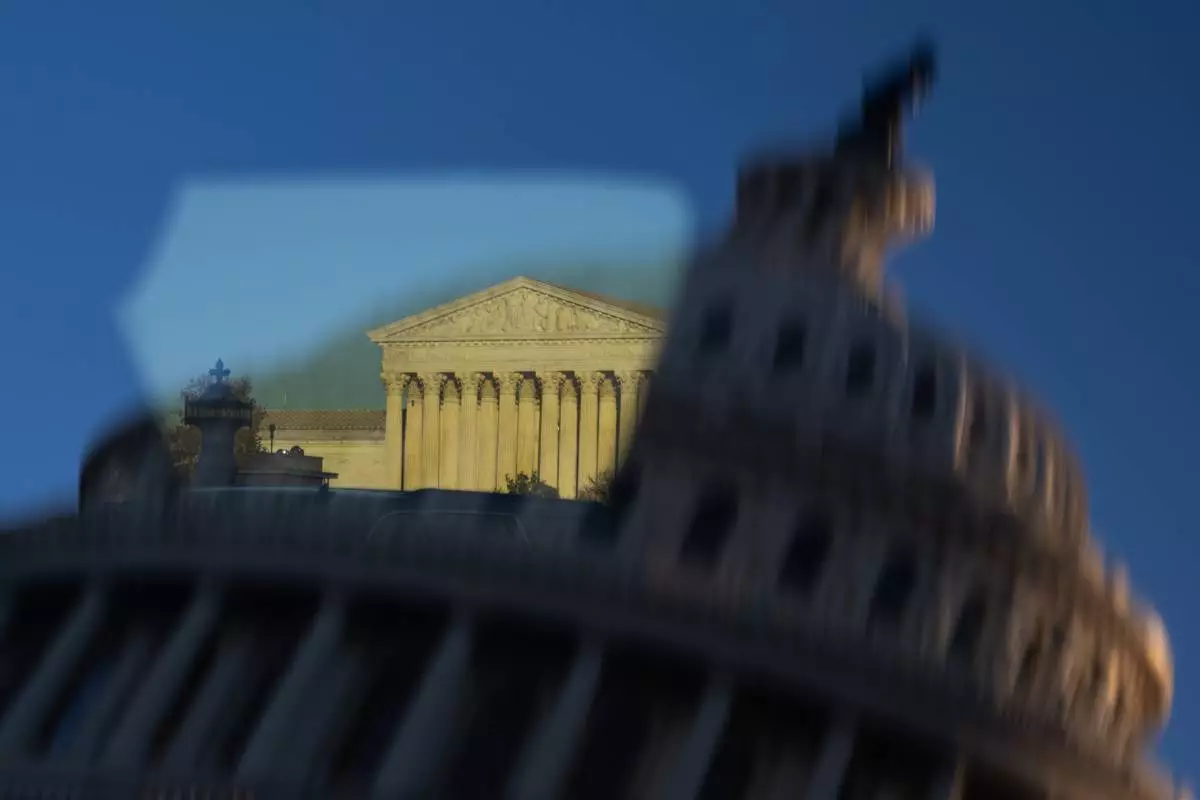
The Supreme Court is seen through a car window that is reflecting the U.S. Capitol dome, Monday, Nov. 9, 2026, in Washington. (AP Photo/Allison Robbert)

The Supreme Court is seen through a car window that is reflecting the U.S. Capitol dome, Monday, Nov. 9, 2026, in Washington. (AP Photo/Allison Robbert)

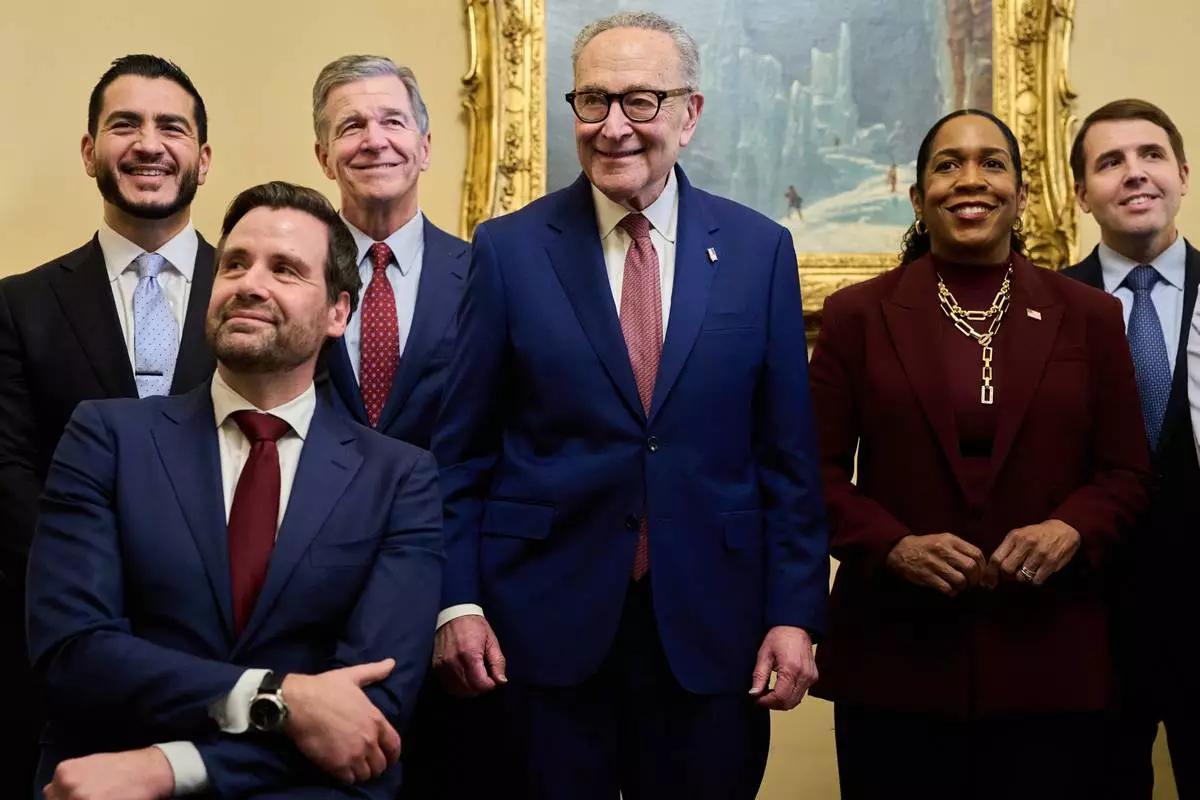
Senate Minority Leader Chuck Schumer, D-N.Y., center, poses for a photograph in his office with Sen.-elects Abdul El-Sayed, D-Mich., Josh Turek, D-Iowa, Roy Cooper, D-N.C., Juliana Stratton, D-Ill., and Chris Pappas, D-N.H., Monday, Nov. 9, 2026, at the U.S. Capitol in Washington. (AP Photo/Julia Demaree Nikhinson)

Senate Minority Leader Chuck Schumer, D-N.Y., center, poses for a photograph in his office with Sen.-elects Abdul El-Sayed, D-Mich., Josh Turek, D-Iowa, Roy Cooper, D-N.C., Juliana Stratton, D-Ill., and Chris Pappas, D-N.H., Monday, Nov. 9, 2026, at the U.S. Capitol in Washington. (AP Photo/Julia Demaree Nikhinson)

Senate Majority Leader John Thune, R-S.D., heads to an intelligence briefing in a secure room in the basement of the Capitol with the director of national intelligence and other congressional leaders, as Congress returns to work following the midterm elections, at the Capitol in Washington, Monday, Nov. 9, 2026. (AP Photo/J. Scott Applewhite)

Senate Majority Leader John Thune, R-S.D., heads to an intelligence briefing in a secure room in the basement of the Capitol with the director of national intelligence and other congressional leaders, as Congress returns to work following the midterm elections, at the Capitol in Washington, Monday, Nov. 9, 2026. (AP Photo/J. Scott Applewhite)

Recommended Articles