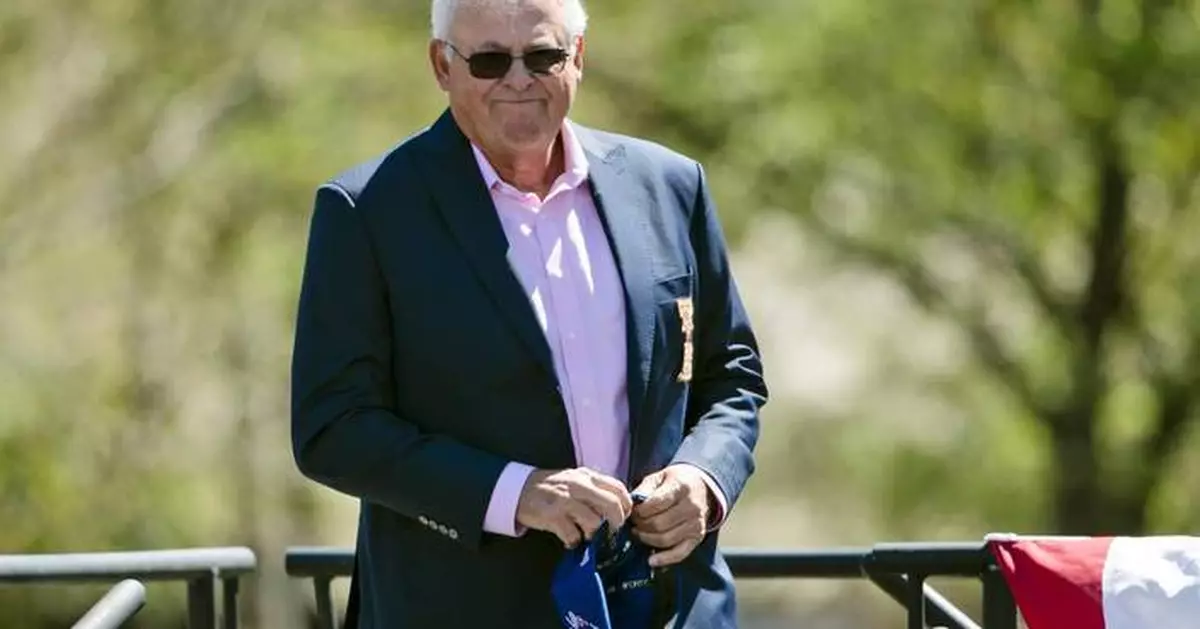
PHILADELPHIA (AP) — Bob Boone, the catcher on the Philadelphia Phillies' first World Series championship team in 1980 who won seven Gold Gloves and was part of baseball's first three-generation family, has died. He was 78.
Boone's son, Bret, announced his father's death Tuesday on social media. The Phillies said in a statement Boone died Monday. No cause of death was announced.
Click to Gallery
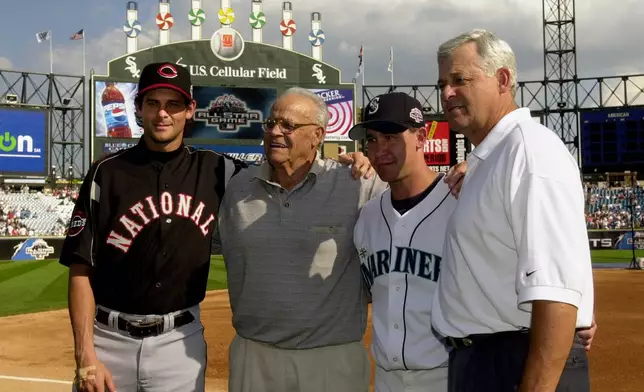
FILE - Cincinnati Reds' Aaron Boone, left, and his brother, Bret, second from right, pose with their grandfather, Ray, second from left, and father, Bob, right, before the 74th Major League Baseball All-Star Game in Chicago, July 15, 2003. (AP Photo/Mark Duncan, File)
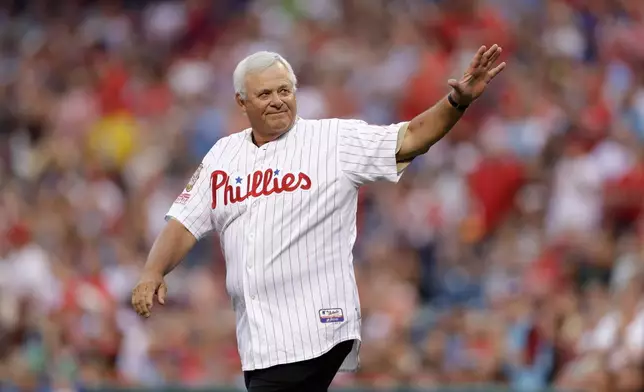
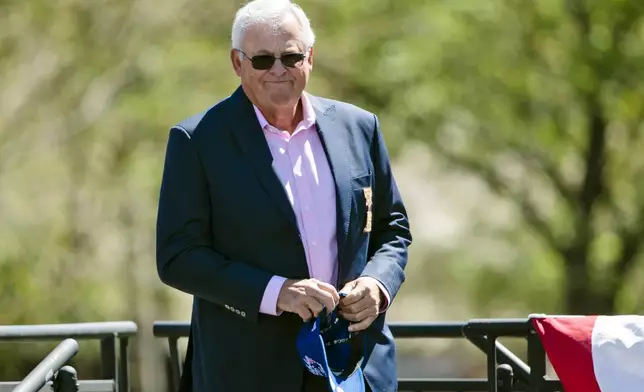
FILE - Former Philadelphia Phillies' Bob Boone waves to the crowd before a baseball game against the New York Mets, Saturday, Aug. 12, 2017, in Philadelphia. (AP Photo/Matt Slocum, File)
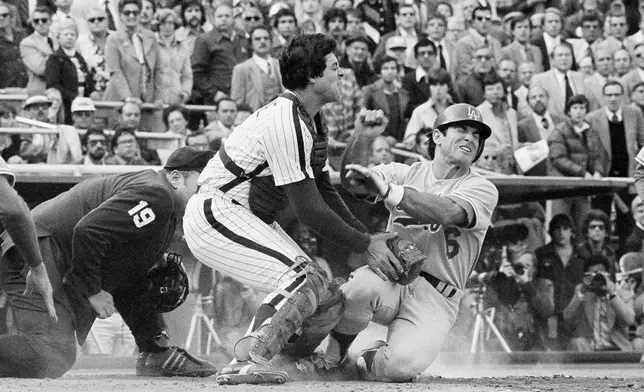
FILE - Los Angeles Dodgers Steve Garvey, right, crashes into Philadelphia Phillies catcher Bob Boone as he touches home plate during the an NL playoff baseball game, Friday, Oct. 7, 1977, Philadelphia, Pa. (AP Photo/File)
FILE - Cincinnati Reds' Aaron Boone, left, and his brother, Bret, second from right, pose with their grandfather, Ray, second from left, and father, Bob, right, before the 74th Major League Baseball All-Star Game in Chicago, July 15, 2003. (AP Photo/Mark Duncan, File)
FILE - Former Philadelphia Phillies' Bob Boone watches during a Major League Baseball news conference on Independence Mall in Philadelphia, April 16, 2019. (AP Photo/Matt Rourke, File)
“He was a man of great integrity. He was a great dad, husband, and patriarch. It was a privilege to call him my father. Baseball lost a great one today,” Bret Boone wrote.
Boone spent his first 10 seasons with the Phillies, played seven with the California Angels and two with the Kansas City Royals. He also managed the Royals and Cincinnati Reds.
“Bob was an incredible player, teammate and family man. He embodied everything we believe exemplary athletes should represent, both on and off the field,” the Phillies said in a statement. “We were proud to have him as part of the Phillies family during one of the most historic runs in team history. His impact on our organization, his teammates, and everyone who had the privilege of knowing him will never be forgotten.”
Boone's father, Ray, played 13 seasons in the majors and was a two-time All-Star with the Detroit Tigers. Bob Boone's two sons both enjoyed long baseball careers. Aaron Boone played 13 seasons in the majors and played for the Reds when Bob managed the team. Aaron now manages the New York Yankees. Bret Boone was a three-time All-Star over a 14-year career spent largely with the Seattle Mariners. A third son played in the minor leagues. Bret's son, Jake Boone, works in the New York Mets' front office after playing at Princeton and briefly in the minors.
“His legacy is profound, and we can see the values he embodied carried forward by his son, Aaron, in his leadership of the Yankees,” the Yankees wrote in a statement.
Bob Boone was a sixth-round draft pick as a third baseman out of Stanford in 1969. He was converted to catcher in the minor leagues and caught 1,095 games with Philadelphia, second on the Phillies’ all-time list to Red Dooin (1,124). Boone caught 2,225 games overall in 19 big league seasons.
“We played in the minors together where he gave up third base so I could play it, only to become one of the best catchers in baseball history,” Phillies Hall of Famer Mike Schmidt said. “Bob was a great father and husband. Our lives and careers were intertwined, we pursued our Christian faith together, worked out together, and became world champions together.”
He was the first Phillies catcher to win a Gold Glove (1978, 1979) and led the Phillies with a .412 batting average in their 1980 World Series win over the Kansas City Royals.
“Bob Boone was a quiet leader, both on and off the field,” said Larry Bowa, the shortstop on the 1980 team. “I had the privilege of playing alongside him for nearly my entire career, and without question, he was the backbone of our team.”
A native of San Diego, Boone made NL All-Star teams in 1976, 1978 and 1979. He set the record for career games caught by a catcher with 1,919 in Kansas City. He was 41 years old when he won his final Gold Glove with the Royals in 1989.
Ivan Rodriguez (2,427) and Carlton Fisk (2,226) have since passed Boone on the career games caught list.
“I grew up watching Bob with the great Phillies teams of the 70’s. His play and mastery of catching inspired me to want to play the position,” Hall of Fame catcher Mike Piazza posted on social media.
Boone caught the final out of the 1980 Game 6 clincher when Tug McGraw struck out Willie Wilson to win the World Series. Boone was involved in a more famous play earlier in that inning when he ran after Frank White's foul pop near the home dugout in Veterans Stadium. The ball bounced off Boone's mitt and straight into Pete Rose's glove for an out — a catch played on countless highlight reels through the decades in Philadelphia.
Boone was added to the Phillies' Wall of Fame in 2005.
Boone won four more Gold Gloves, made another All-Star team and twice led the Angels to the playoffs. He went 10 for 22 (.455) with a homer and two RBIs against Boston in the 1986 American League Championship Series.
“Our franchise leader in games caught, Boone’s leadership, exceptional defense and knowledge of the game made him an invaluable presence behind the plate and helped the Angels win two division titles,” the Angels said in a statement.
Boone went 371-444 overall as a manager, spending three seasons with the Royals and three with the Reds. He joined the Washington Nationals' front office in 2005.
Washington won the World Series in 2019, the first championship in franchise history. Boone resigned in 2021 rather than comply with the organization’s COVID-19 vaccine mandate.
See AP’s full MLB coverage here
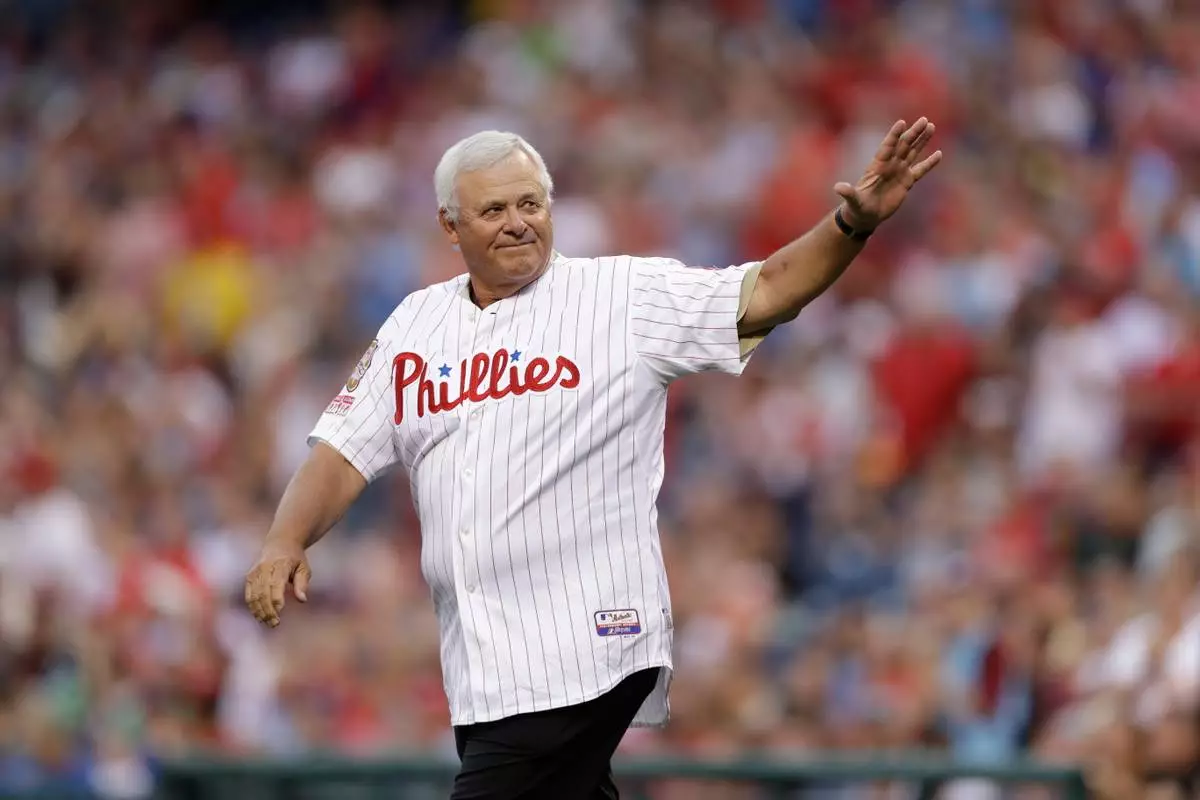
FILE - Former Philadelphia Phillies' Bob Boone waves to the crowd before a baseball game against the New York Mets, Saturday, Aug. 12, 2017, in Philadelphia. (AP Photo/Matt Slocum, File)
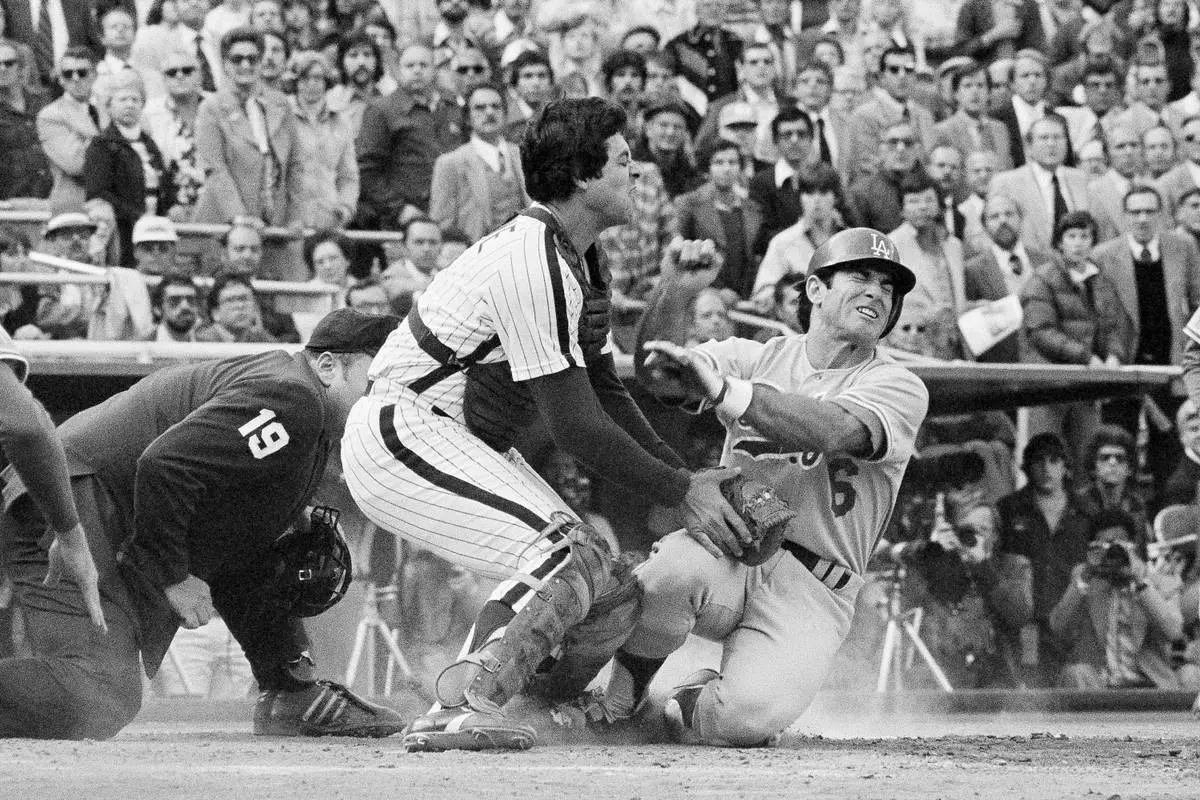
FILE - Los Angeles Dodgers Steve Garvey, right, crashes into Philadelphia Phillies catcher Bob Boone as he touches home plate during the an NL playoff baseball game, Friday, Oct. 7, 1977, Philadelphia, Pa. (AP Photo/File)
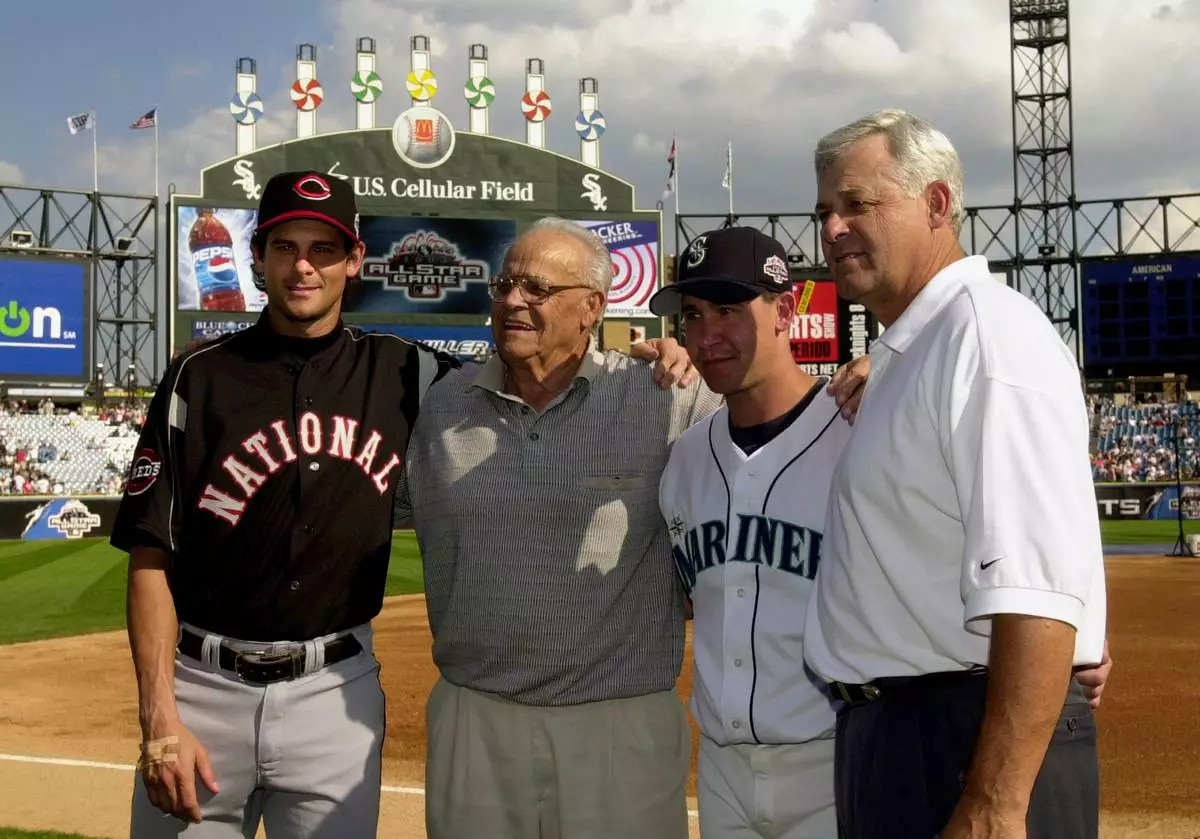
FILE - Cincinnati Reds' Aaron Boone, left, and his brother, Bret, second from right, pose with their grandfather, Ray, second from left, and father, Bob, right, before the 74th Major League Baseball All-Star Game in Chicago, July 15, 2003. (AP Photo/Mark Duncan, File)
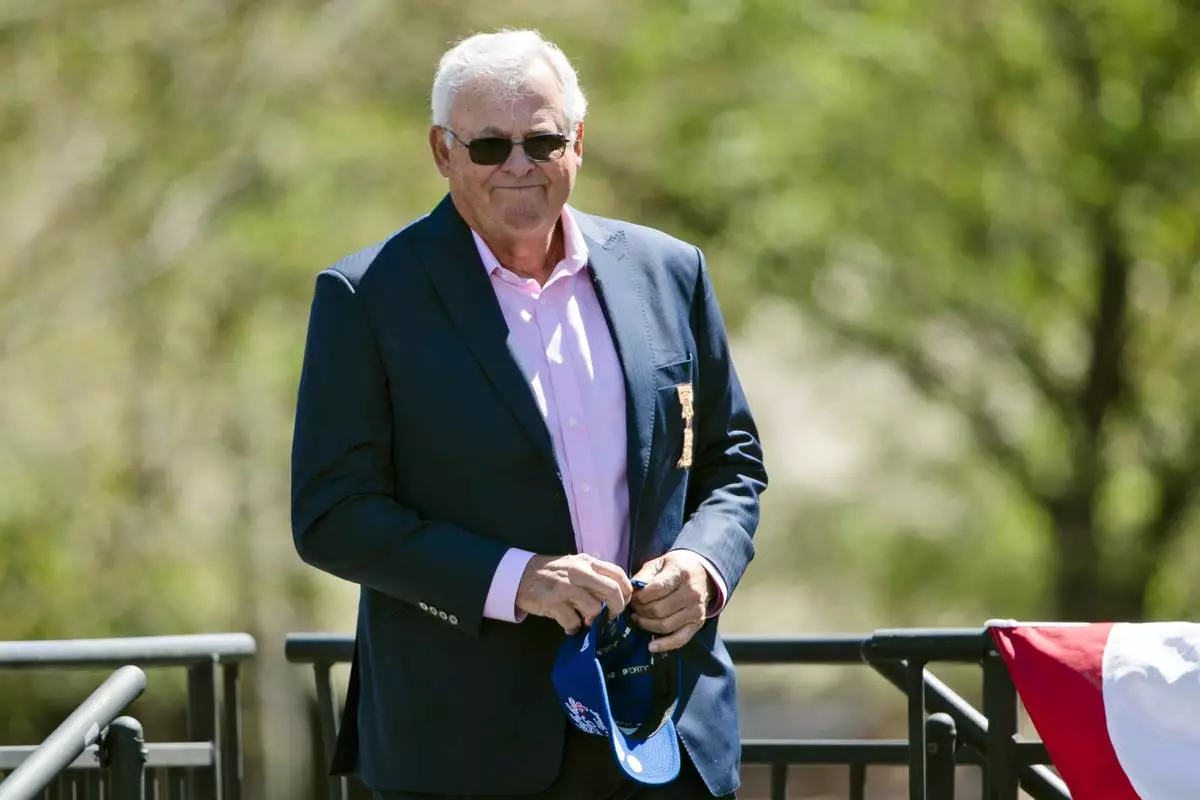
FILE - Former Philadelphia Phillies' Bob Boone watches during a Major League Baseball news conference on Independence Mall in Philadelphia, April 16, 2019. (AP Photo/Matt Rourke, File)
Negotiators from Russia, Ukraine and the U.S. are to meet Tuesday and Wednesday in Abu Dhabi, United Arab Emirates, in the latest bid to end the war.
Key developments from past sessions since Moscow's full-scale invasion of its neighbor on Feb. 24, 2022:
Feb. 28, 2022: Ukrainian and Russian delegations meet in neighboring Belarus for the first time after the invasion. Two other meetings follow in early March, deciding only on humanitarian corridors for evacuating civilians.
March 10, 2022: Russian and Ukrainian Foreign Ministers Sergey Lavrov and Dmytro Kuleba meet on the sidelines of a diplomatic forum in Antalya, Turkey.
March 21, 2022: Ukrainian President Volodymyr Zelenskyy calls for direct talks with Russian President Vladimir Putin, an idea rejected by the Kremlin.
March 29-30, 2022: Delegations meet in Istanbul to work on a draft peace agreement. Moscow says it's willing to “fundamentally cut back” military activity near Kyiv and the northern city of Chernihiv; Ukraine says it's open to discussing neutral status for Ukraine if its security is backed by other nations.
April 7, 2022: Lavrov rejects a Ukrainian proposal as “unacceptable,” saying Kyiv has walked back on an agreement to exempt the Crimean Peninsula from wider Ukrainian security guarantees. Russia illegally annexed Crimea in 2014. The talks on a prospective peace deal fall apart later that month as the parties raise new demands.
April 26, 2022: U.N. Secretary-General António Guterres visits Russia to discuss ending the war.
May 13, 2022: U.S. Defense Secretary Lloyd Austin calls his Russian counterpart, their first contact since war began.
July 22, 2022: Russia and Ukraine, with mediation by Turkey and the U.N., agree to unblock grain supplies stuck in Ukraine’s Black Sea ports. Russia withdraws from the deal a year later.
Sept. 30, 2022: Russia illegally annexes the Ukrainian regions of Donetsk, Luhansk, Zaporizhzhia and Kherson, even though it doesn’t fully control any of them. Ukraine responds by applying to join NATO and by enacting a decree that declares negotiations with Putin “impossible.”
Nov. 15, 2022: Zelenskyy unveils a 10-point peace plan at the G20 summit in Indonesia.
June 16-17, 2023: African leaders travel to Kyiv and St. Petersburg on a peace mission, without success.
June 25, 2023: Officials from 15 countries, including the U.S., India, Brazil, South Africa, Saudi Arabia, Turkey and several representatives from the European Union, meet in Copenhagen, Denmark, to discuss Zelenskyy’s peace plan.
Aug. 5-6, 2023: Two days of discussions on the war begin in Saudi Arabia with delegates from 40 countries, including China, India, South Africa and Brazil, but not Russia. No joint statements are issued.
Oct. 28-29, 2023: Delegates from 65 countries meet in Malta to continue talks on Zelenskyy’s peace plan. Russia, which dismissed the talks, was not invited. China, though invited, did not participate.
June 15-16, 2024: Representatives of 92 nations meet in Nidwalden, Switzerland, to discuss Ukraine’s peace plan, but a consensus remains elusive. The summit’s final statement is backed by most — but not all — participants.
Dec. 7, 2024: U.S. President-elect Donald Trump travels to Paris and meets Zelenskyy and other European leaders.
Feb. 12, 2025: Trump and Putin speak directly via telephone and agree to begin negotiations on ending the war. The conversation ends a three-year U.S.-led effort to isolate Putin.
Feb. 18, 2025: Russian and U.S. officials, including Lavrov and U.S. Secretary of State Marco Rubio, meet in Saudi Arabia and agree to work toward ending the war, as well as restoring bilateral ties. Ukrainian officials are not invited.
Feb. 28, 2025: Zelenskyy holds a contentious meeting with Trump, Rubio and Vice President JD Vance in the White House. A proposed minerals deal between the countries is left unsigned.
March 11, 2025: U.S. and Ukrainian officials meet in Saudi Arabia, with Americans proposing a plan for a 30-day ceasefire. Kyiv agrees to the proposed truce.
March 13, 2025: Putin effectively rejects the ceasefire plan, stating certain issues still must be resolved. He also meets with U.S. envoy Steve Witkoff in Moscow. Witkoff travels to Russia twice more in April to meet Putin.
March 23-24, 2025: The U.S. holds separate talks with each side in Saudi Arabia.
May 16, 2025: Russian and Ukrainian negotiators meet in Istanbul for the first time in three years and agree to swap 1,000 prisoners from each side.
June 2 and July 23, 2025: Two more rounds of talks between Russia and Ukraine in Istanbul produce an exchange of draft memorandums.
Aug. 15, 2025: Trump and Putin meet in Anchorage, Alaska. The summit produces no concrete peace agreement, ceasefire deal, or specific resolution on the war in Ukraine. International observers widely view it as a symbolic boost for Moscow.
Aug. 18, 2025: Trump hosts Zelenskyy and European leaders at the White House. Discussions center on establishing robust security guarantees for Ukraine.
November 2025: A 28-point U.S.-Russian peace plan emerges, and critics say it favors Moscow. On Nov. 23, it's cut to 19 points during discussions involving Washington, Kyiv and Ukraine’s European allies in Geneva.
Dec. 2, 2025: Putin and his officials meet Witkoff and Trump’s son-in-law Jared Kushner in Moscow. The Kremlin describes the meeting as constructive but says much work remains.
Dec. 4-6, 2025: Witkoff and Kushner meet a Ukrainian delegation in Miami.
Dec. 14-15, 2025: Ukrainian officials led by Zelenskyy travel to Berlin for talks with Witkoff and Kushner. U.S. officials say Washington agrees to provide Kyiv with unspecified security guarantees.
Dec. 20-21, 2025: Putin's envoy Kirill Dmitriev holds talks with Witkoff and Kushner in Miami. The Americans meet separately with a Ukrainian delegation.
Dec. 28, 2025: Zelenskyy meets in Florida with Trump, who calls Putin beforehand.
Jan. 6-7, 2026: Zelenskyy and other Ukrainians attend a summit of the “Coalition of the Willing” in Paris and hold talks with Witkoff and Kushner. Kyiv’s allies tout major progress for defending Ukraine if a peace deal is struck, saying they were ready to provide international guarantees to deter Russia from attacking again.
Jan. 17, 2026: A Ukrainian delegation arrives in the U.S. for talks.
Jan. 20-22, 2026: Witkoff and Kushner meet separately in Davos, Switzerland, with Ukrainian and Russian delegations. Zelenskyy then meets Trump for what the U.S. leader calls “very good” talks. Zelenskyy calls them “productive and meaningful.”
Jan. 23-24, 2026: Russian, Ukrainian and U.S. delegates meet in Abu Dhabi in the first known instance of Trump administration officials sitting down with both countries to try to halt the war.
Feb. 4-5, 2026: A second round of trilateral talks in Abu Dhabi leads to swapping 157 prisoners from each side.
Feb. 17-18, 2026: The third round of trilateral negotiations in Geneva, Switzerland, ends without a breakthrough.
Feb. 28, 2026: The U.S. and Israel begin a war with Iran, leading the Trump administration to wind down talks with Russian and Ukrainian officials.
May 7, 2026: Ukraine's top negotiator Rustem Umerov meets in Miami with U.S. representatives, as negotiations remain stalled.
Sept. 5-6, 2026: Witkoff and Kushner meet Putin in Moscow on Sept. 5, and in Kyiv with Zelenskyy the next day.
Oct. 21, 2026: The Kremlin says Putin agrees “in principle” to resume talks after Nov. 10.
Oct. 27-Nov. 1, 2026: After intervention by U.S. first lady Melania Trump and Pope Leo XIV, a localized ceasefire is reached for the region around the Russia-occupied town of Oleshky in southern Ukraine to allow the evacuation of some of its residents and the delivery of food and other supplies.
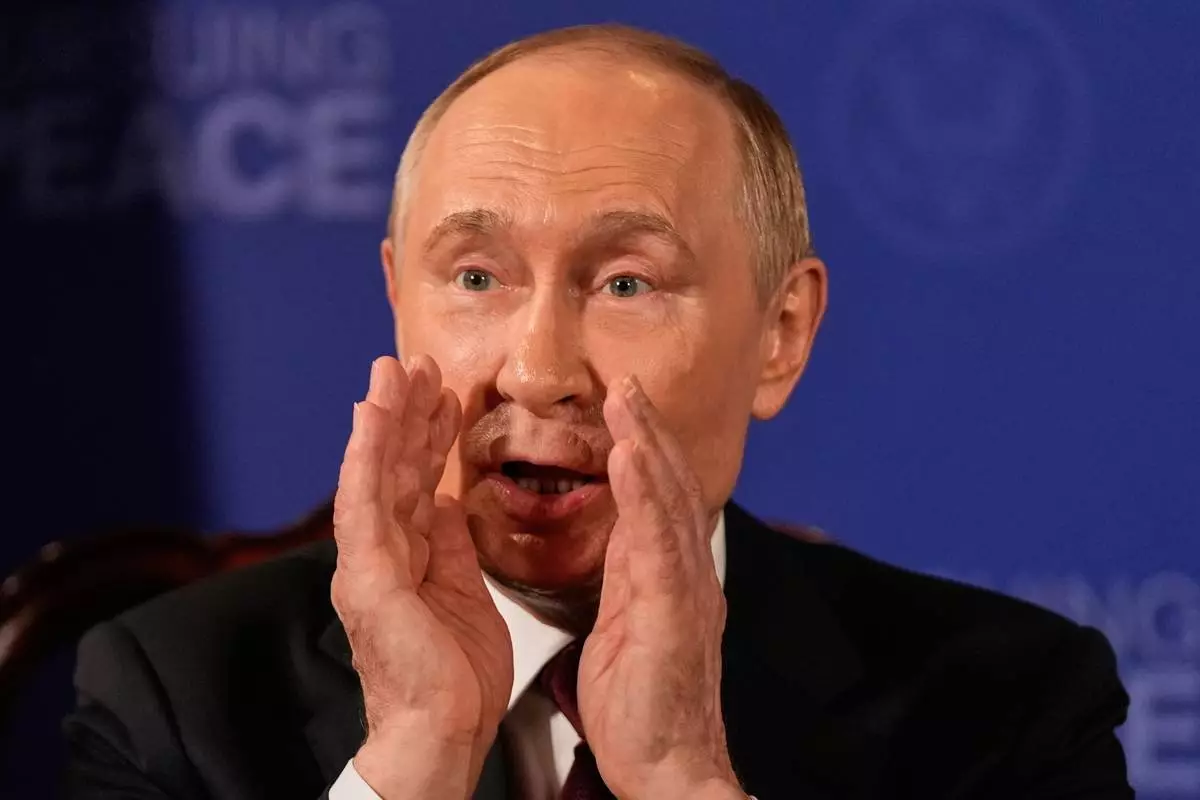
FILE - Russian President Vladimir Putin speaks as he meets with U.S. President Donald Trump on Aug. 15, 2025, at Joint Base Elmendorf-Richardson, Alaska. (AP Photo/Julia Demaree Nikhinson, File)
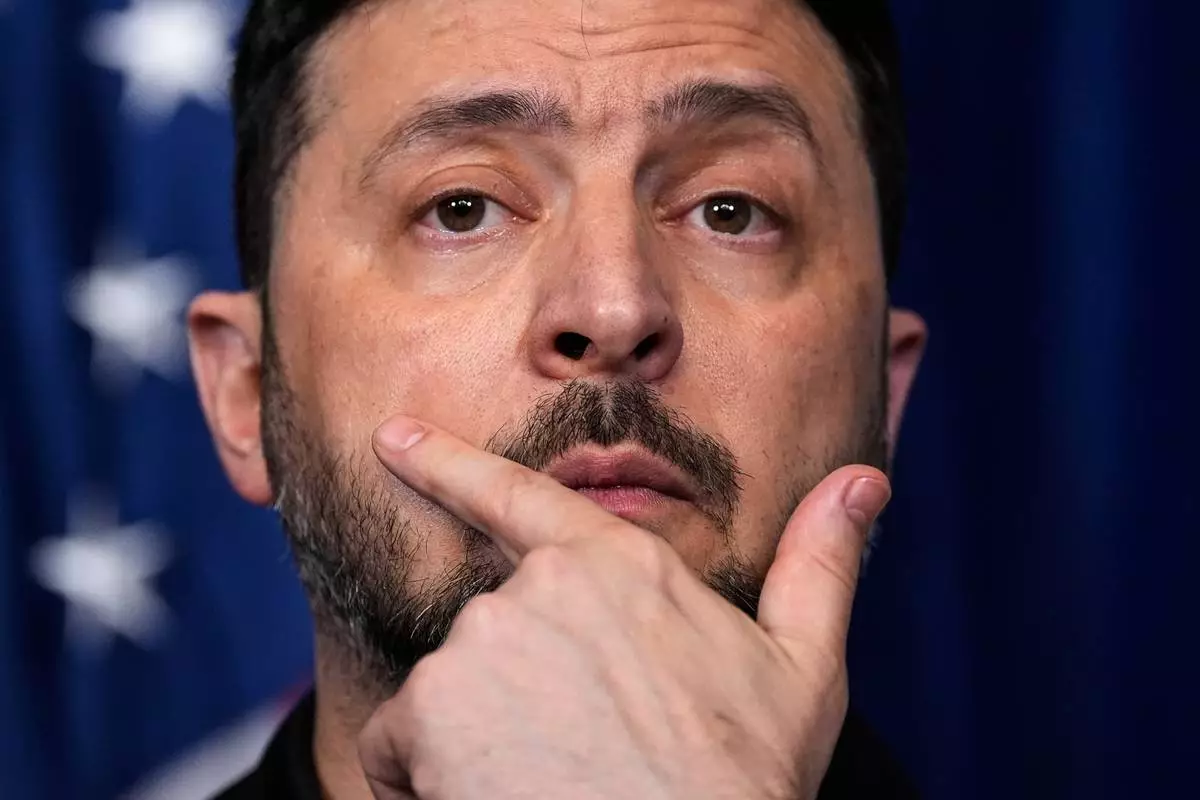
FILE - Ukrainian President Volodymyr Zelenskyy speaks at a joint news conference with U.S. President Donald Trump at the Mar-a-Lago club in Palm Beach, Fla., on Dec. 28, 2025. (AP Photo/Alex Brandon, File)
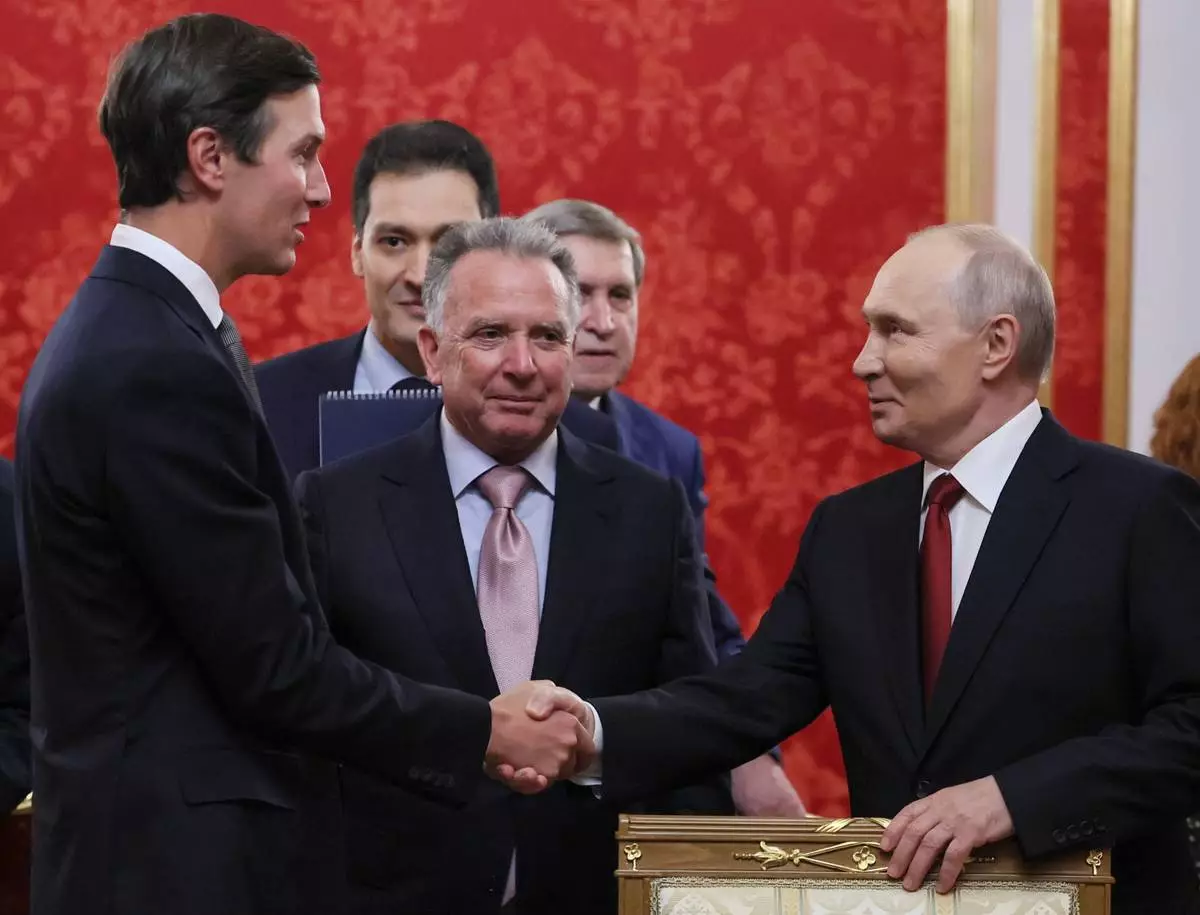
FILE - President Vladimir Putin, right, greets U.S. envoys Jared Kushner, left, and Steve Witkoff, center, before talks at the Senate Palace of the Kremlin in Moscow, on Saturday, Sept. 5, 2026. (Mikhail Metzel/Sputnik/Kremlin Pool Photo via AP, File)
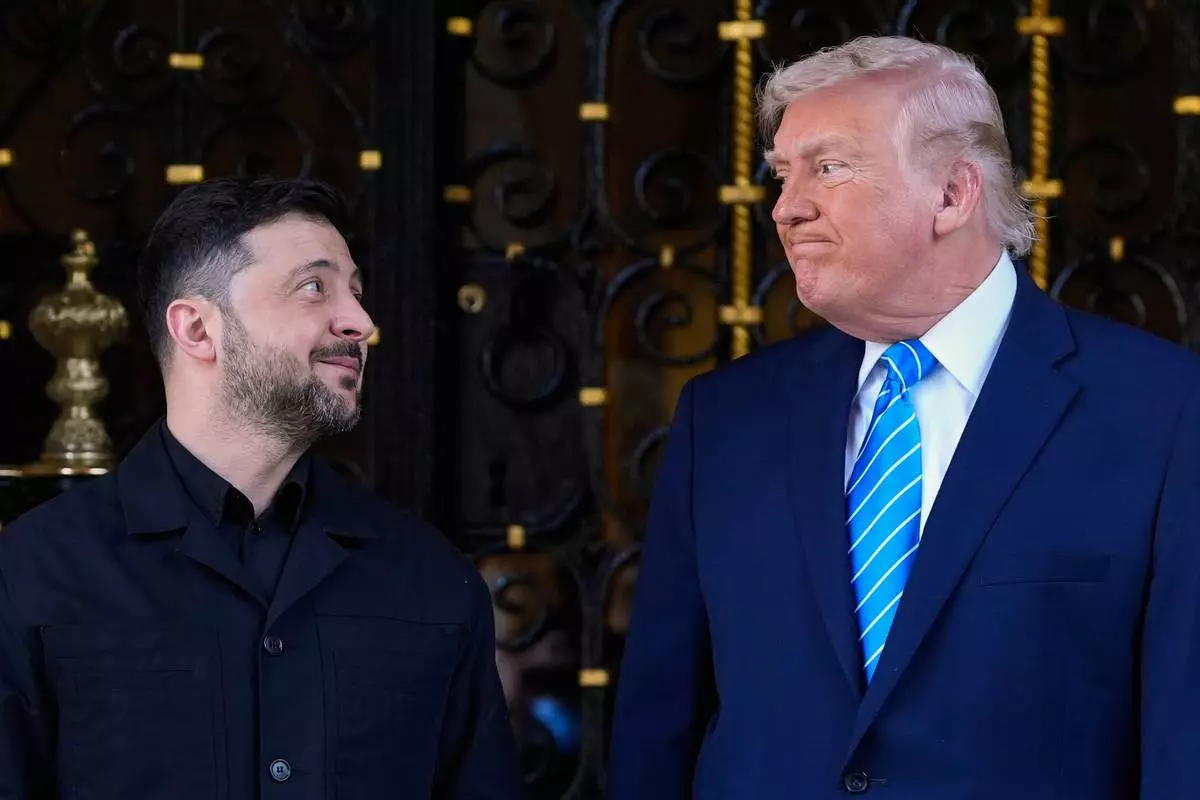
FILE - U.S. President Donald Trump greets Ukrainian President Volodymyr Zelenskyy at his Mar-a-Lago club in Palm Beach, Fla., on Dec. 28, 2025. (AP Photo/Alex Brandon, File)
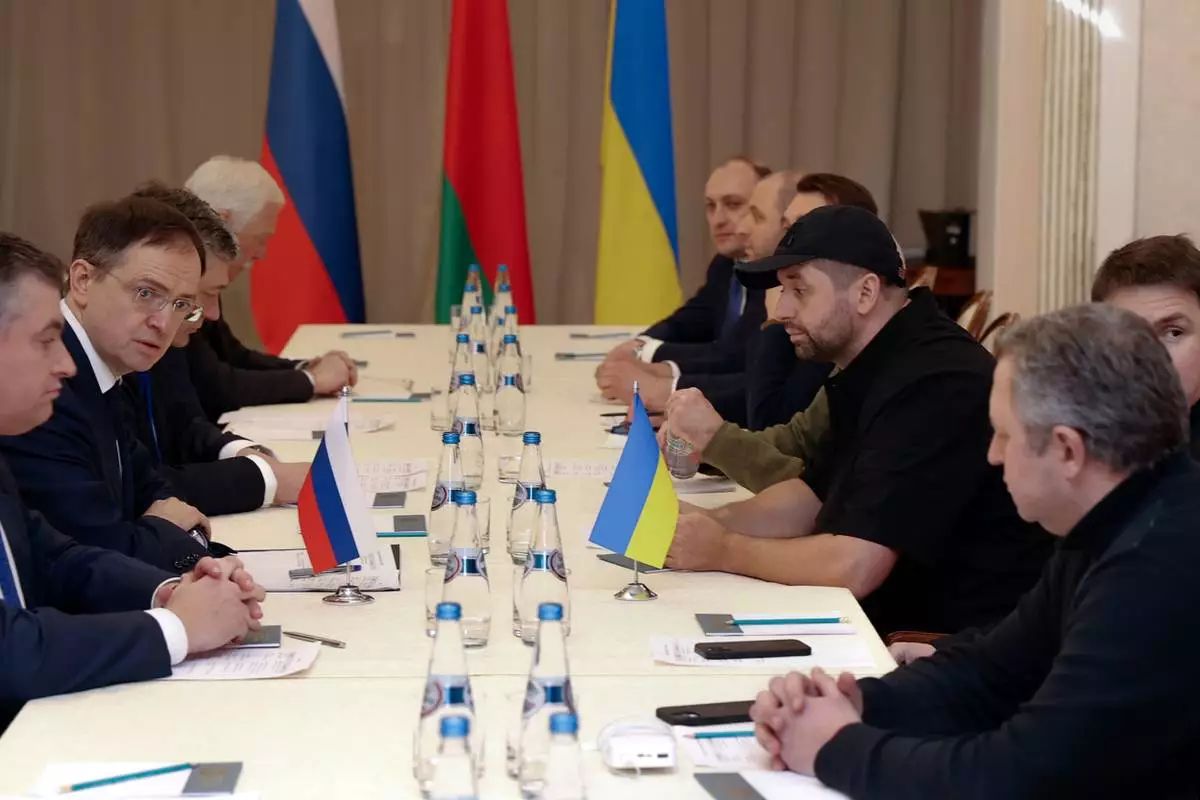
FILE - Vladimir Medinsky, second left, the head of the Russian delegation, and Davyd Arakhamia, third right, faction leader of the Servant of the People party in the Ukrainian parliament, attend peace talks in the Gomel region of Belarus on Monday, Feb. 28, 2022. (Sergei Kholodilin/BelTA Pool Photo via AP, File)