HARARE, Zimbabwe (AP) — The Caine Prize for African Writing has cleared Zimbabwean author Simbarashe Kundizeza of using artificial intelligence to write this year’s award-winning story, but also announced new measures to guard against the use of generative AI in submissions.
Kundizeza said Thursday he felt “relieved” that the allegations raised in an article by The Atlantic magazine had been dismissed.
“It was not necessary in the first place, I am happy to put all this behind me and continue with my writing journey,” he said.
The allegations had sparked a wider debate on social media, with some questioning whether Black authors are being unfairly targeted by AI-related accusations.
The Caine Prize for African Writing said Wednesday it considered “the matter closed” after an internal review that included “rigorous” interviews with the author and metadata analysis of drafts.
“We feel the evidence is clear and have made the decision that Simbarashe’s award stands,” Ellah Wakatama, chair of the Caine Prize, said. “We look forward to awarding as well as celebrating with Simbarashe in Zimbabwe before the end of the year.”
Kundizeza’s “The Blue Fighter” won this year’s $10,000 Caine Prize for African Writing in October. But a report in The Atlantic magazine subsequently said that AI detection tool Pangram had indicated the entire story was AI-generated, with the exception of an excerpt from a poem by another author.
Kundizeza denied the allegations, insisting that the story, centered on family relationships and economic hardship, was entirely his own work that reflected his family’s life during Zimbabwe’s years of economic turmoil.
He said “aspects of the story, including characters and the setting” were drawn from events in his own life, describing it as “a deeply personal story about economic collapse and familial relationships.”
Alongside its decision to uphold the award, the Caine Prize announced new measures it said would strengthen safeguards against use of generative AI. They include AI declarations from publishers submitting stories and from all shortlisted writers, along with an “AI use policy for guidance.”
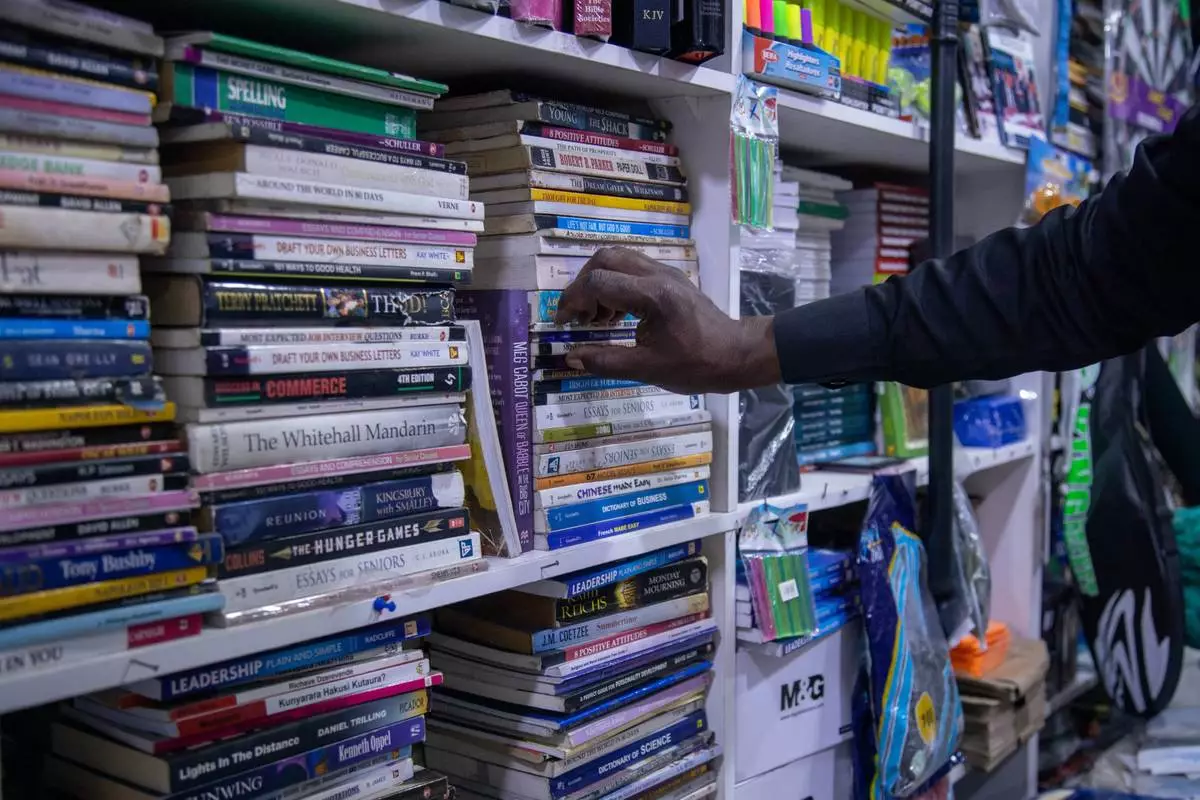
FILE - A customer browses for books at a bookstore in Harare, Zimbabwe, Oct. 14, 2026. (AP Photo/Aaron Ufumeli, File)
KUALA LUMPUR, Malaysia (AP) — Mongolia has lodged a diplomatic protest with Malaysia over the handling of the murder case of a Mongolian woman, urging authorities to ensure a fair legal process and provide answers to her family 20 years after her killing.
Altantuya Shaariibuu was shot dead and blown up with military-grade plastic explosives in a jungle outside Kuala Lumpur in October 2006. Her killing touched off a scandal linked to former Prime Minister Najib Razak, who has repeatedly denied any involvement.
Two members of an elite police unit who were Najib’s bodyguards were convicted of killing Altantuya. Her lover Abdul Razak Baginda, a close aide to Najib, was tried but acquitted of abetting the crime. Who ordered the killing was never established. Altantuya was 28 and pregnant at the time of her death.
Former Mongolian Prime Minister Zandanshatar Gombojav said Thursday that Mongolia “profoundly regret the decision” in January by Malaysia’s Court of Appeal that removed the Malaysian government’s liability in a civil suit brought by Altantuya’s family and reduced the damages awarded.
Zandanshatar is Mongolia's special envoy and a member of a high-level government task force to support Altantuya's family.
He said Mongolia had sent a diplomatic protest note on Tuesday with four requests: including a fair review of the court ruling, the return of a convicted officer who escaped to Australia so he can testify in the civil suit, an examination of potentially new evidence and an official written response to Mongolia.
“Twenty years have passed, and her family has endured unimaginable loss without ever hearing the words ‘I am sorry.’ A fair and final resolution of this case matters greatly to the trust between our two countries,” Zandanshatar told a news conference in Kuala Lumpur.
There was speculation that Altantuya, who was also working as a translator for Abdul Razak, was silenced to prevent her from exposing alleged corruption involving the purchase of submarines from France when Najib was deputy premier and defense minister.
The two policemen were sentenced to death. One fled to Australia while appealing his conviction, while the other had his sentence commuted to 40 years in prison in 2024.
Najib later became prime minister, but his party lost power in a 2018 general election and he was imprisoned for graft in a financial scandal. The new government reopened investigations into Altantuya's death following appeals from her family, but there was no clear outcome.
The family then filed a civil suit against the government, the two policemen and Abdul Razak for the shock and trauma they suffered in connection with her death. In 2022, a Malaysian high court ruled that the defendants were liable for damages and awarded the family 5 million ringgit ($1.2 million).
But the decision was overturned in January by the Court of Appeal, which reduced the damages to 1.4 million ringgit ($343,000) and said the defendants were not liable as the conduct of the two policemen fell outside the scope of their official duties. Altantuya’s family has challenged the appellate ruling.
Zandanshatar said the two policemen's testimony was crucial to obtaining justice. He urged Malaysia to step up talks with Australia to secure the return of the policeman still there. The officer's death sentence is a major obstacle to extradition from Australia.
The policeman imprisoned in Malaysia had reportedly made a statutory declaration in 2019 alleging that Najib had ordered the killing. The other officer in Australia has also made statements suggesting the killing was carried out on orders from higher authorities. Najib has denied the allegations, which have not been established in court.
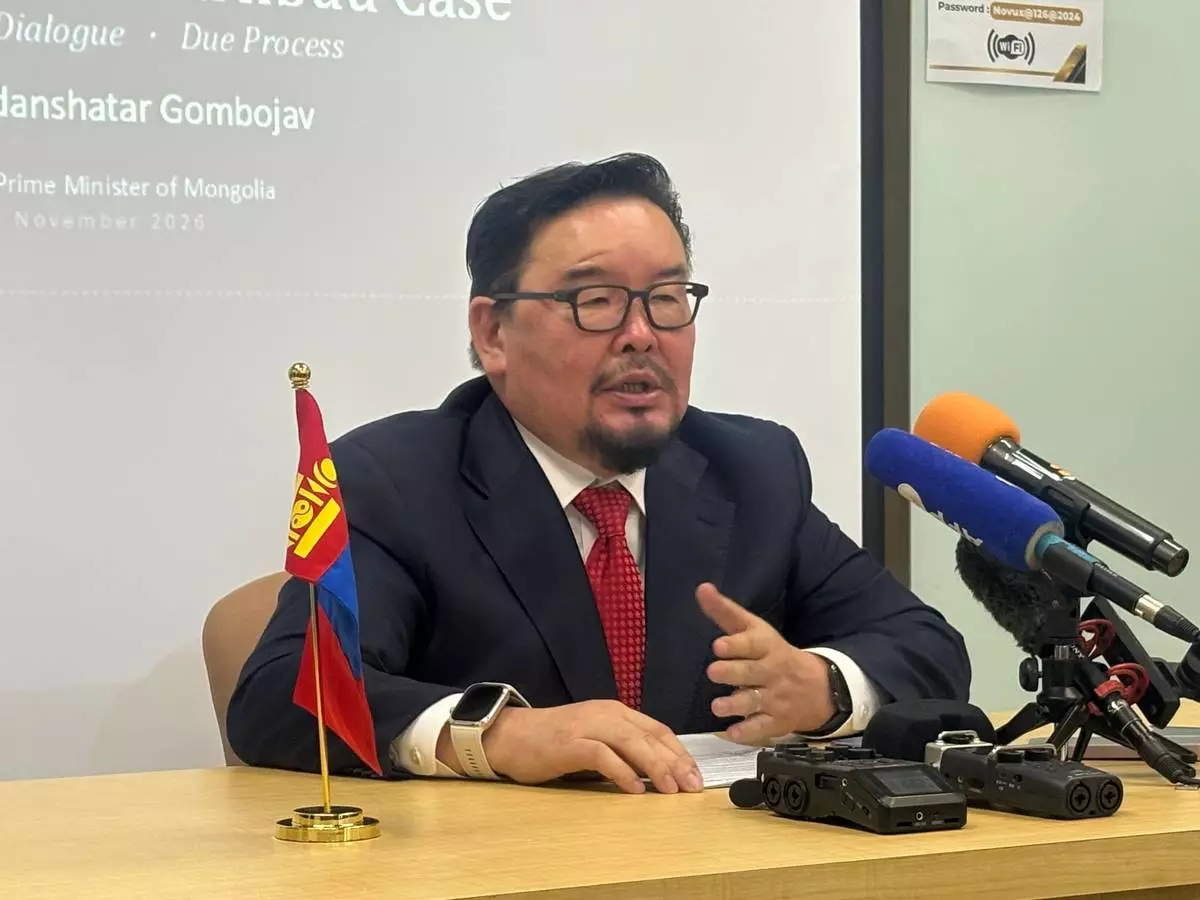
Former Mongolian Prime Minister Zandanshatar Gombojavyn speaks during a press conference in Kuala Lumpur, Malaysia, Thursday, Nov. 12, 2026. (AP Photo/Eileen Ng)