
On November 9, the 31st Conference of the Parties to the UN Framework Convention on Climate Change (COP31) opened in Antalya, Türkiye. On its inaugural day, the China Pavilion shifted focus away from abstract carbon emission curves to host a dedicated side event themed "Ecological Cultural Tourism: Discovering the Beauty of China."
Li Gao, head of the Chinese delegation and Vice Minister of Ecology and Environment, articulated the core philosophy in his keynote address: ecological cultural tourism serves as the practical vehicle through which ecological values reach the broader public. "China adheres to green protection as the foundation, enriching greenery with culture, and prioritizing public benefit—relying on ecological cultural tourism to drive rural revitalization, foster local employment, and advance the value transformation that 'lucid waters and lush mountains are invaluable assets,'" Li stated, noting that these initiatives inspire citizens to appreciate natural beauty, shoulder environmental responsibility, and mobilize action for global climate governance.
Click to Gallery
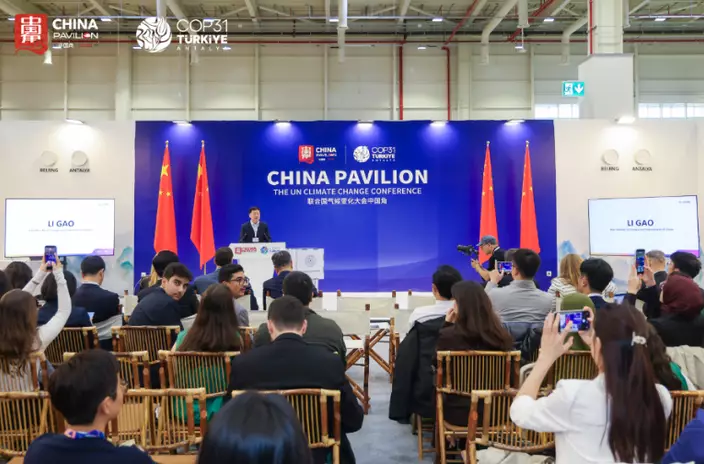
Li Gao, head of the Chinese delegation, delivers remarks at the China Pavilion during COP31 in Antalya. (Source: Official COP31 photo)
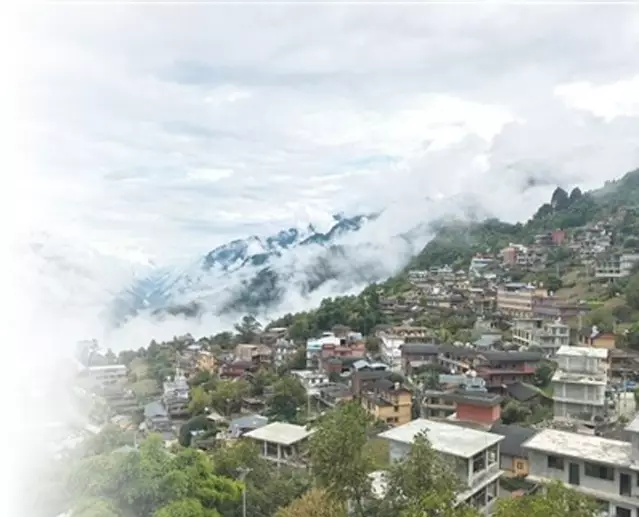
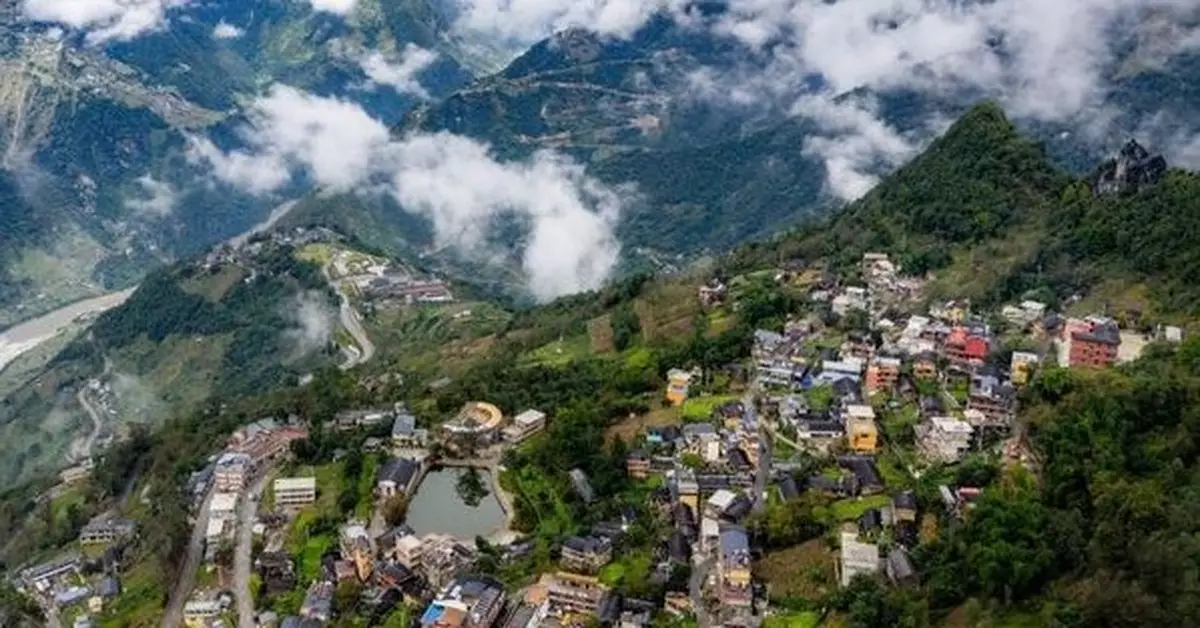
Laomudeng, the "village in the clouds," featuring tiered Nu ethnic homes nestled on mist-covered slopes, captured by Myanmar student Thwe Yee. (Source: People's Daily photo)

Ninety-two illuminated bamboo rafts connect to form a glowing golden dragon gliding along the Yulong River in Yangshuo. (Source: People's Photo Network)
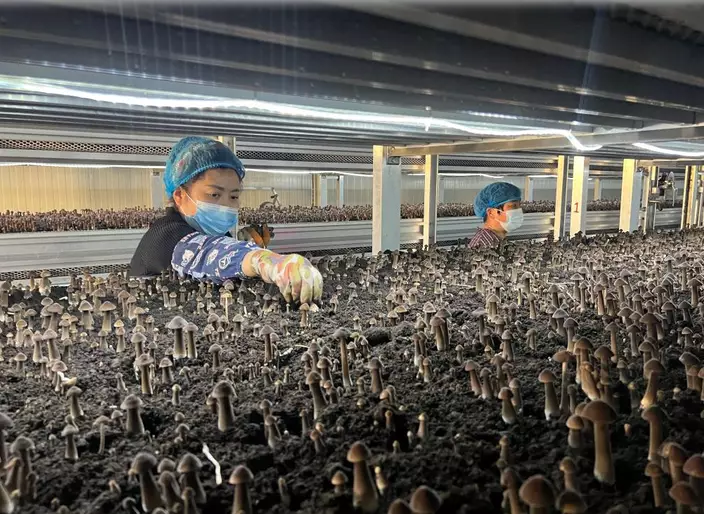
Workers harvesting fresh black termite mushrooms inside a modern cultivation facility in Shandong. (Source: Xinhua photo)
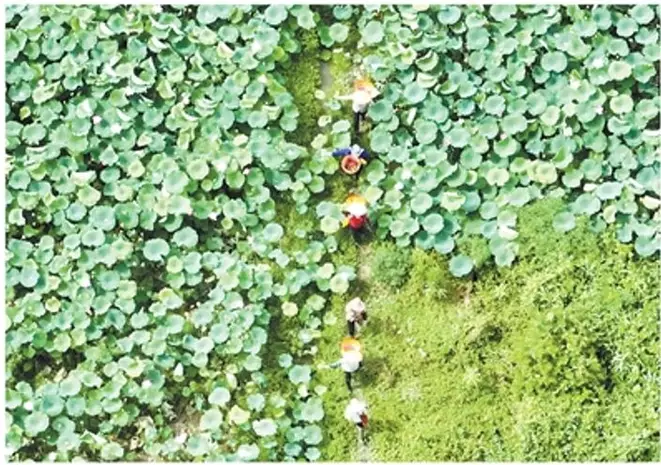
Circular "lotus-fish symbiosis" eco-farming in Tangxi Village, Jiangxi. (Source: People's Daily Online photo)
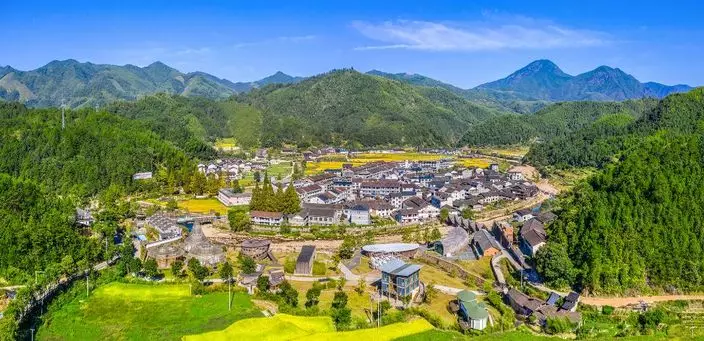
Lush green landscapes surrounding Xitou Village in Zhejiang Province. (Source: Xinhua photo)
Li Gao, head of the Chinese delegation, delivers remarks at the China Pavilion during COP31 in Antalya. (Source: Official COP31 photo)
This showcase was years in the making. In May 2025, the Ministry of Ecology and Environment (MEE), alongside relevant ministries, issued the Guiding Opinions on Further Strengthening the Construction of Ecological Culture. According to Pei Xiaofei, Director-General of the MEE's Department of Education and Communications and ministry spokesperson, a nationwide call for "Discovering the Beauty of China" ecological tourism routes garnered 56 proposals across 26 provinces. Pilot programs launched on World Environment Day 2026, with the next five years focused on crafting "visible, audible, and participatory" experiences. The inaugural batch of routes will formally debut on World Environment Day 2027, supported by a carbon inclusion platform and low-carbon travel incentives. This marks the "landscapes and waters" chapter of the "Chinamaxxing" narrative—where the lenses of international visitors are becoming compelling global ambassadors for rural China.
Rural Transformation Through Foreign Lenses
People's Daily recently dedicated a special feature, "In China · Seeing China," to six photographic series captured by international residents and visitors, creating a visual chronicle of this rural transformation.
Among the most striking examples is Laomudeng, a "village in the clouds" nestled in Yunnan’s Nujiang Gorge. Framed by the Biluo Snow Mountains, traditional Nu ethnic dwellings sit veiled in mountain mist, where villagers have integrated over 3,700 mu (246 hectares) of ecological tea plantations with traditional song and dance to build a thriving sojourn tourism model. Last year, the village welcomed over 220,000 visitors, generating more than RMB 8.7 million ($1.2 million) in tourism revenue. Thwe Yee, an international student from Myanmar, reflected on the scene: "China's comprehensive rural revitalization is not merely a slogan—it is a tangible, better life within the reach of ordinary people."
Laomudeng, the "village in the clouds," featuring tiered Nu ethnic homes nestled on mist-covered slopes, captured by Myanmar student Thwe Yee. (Source: People's Daily photo)
In Yangshuo, Guangxi, the nightly Golden Dragon Parade has emerged as a viral spectacle. After dusk, 92 illuminated bamboo rafts link end-to-end to form a glowing golden dragon gliding across the Yulong River against a backdrop of karst peaks—driving steady income for family-run eateries and local artisans along the riverbanks. Russian visitor Ella Nova remarked: "Such a unique spectacle is rarely seen anywhere else; I highly recommend visiting Yangshuo to experience it firsthand."
Ninety-two illuminated bamboo rafts connect to form a glowing golden dragon gliding along the Yulong River in Yangshuo. (Source: People's Photo Network)
Meanwhile, Liangshan County in Shandong demonstrates an industrial approach to agricultural modernization. Xizhangzhuang Village established 25 cultivation bases specializing in black termite mushrooms (Oudemansiella raphanipes), producing over 50,000 metric tons of fresh mushrooms annually and transforming from an impoverished community into a village with an annual output value exceeding RMB 100 million ($13.8 million). Nigerian entrepreneur Okocha observed: "Villagers have upgraded agriculture with modern industrial thinking—preserving their connection to the land while unlocking vast commercial markets."
Workers harvesting fresh black termite mushrooms inside a modern cultivation facility in Shandong. (Source: Xinhua photo)
A Win-Win Blueprint for Ecology and Local Economies
The underlying formula across these cases is clear: ecological protection first, sustainable monetization second. Tangxi Village in Jiangxi Province exemplifies this through its circular "lotus-fish symbiosis" model. Nutrient-rich tailwater from aquaculture ponds, which previously risked local water pollution, is now channeled as organic fertilizer for surrounding lotus fields. A core 200-mu lotus seed base has catalyzed a 400-mu industry across two neighboring villages, generating an estimated RMB 1.6 million in annual output and turning formerly waterlogged lowlands into an ecological treasure trove. Pakistani photographer Yusafiya captured the essence of the system: "Aquaculture tailwater is no longer an environmental burden, but vital nourishment for the lotus fields."
Circular "lotus-fish symbiosis" eco-farming in Tangxi Village, Jiangxi. (Source: People's Daily Online photo)
This conversion chain—turning ecological resources into developmental strengths and community prosperity—has earned international recognition. Since UN Tourism launched its "Best Tourism Villages" initiative in 2021, China has seen 15 villages inducted onto the list, ranking first globally—including Azheke Village among the Hani Rice Terraces, swan-wintering Yandunjiao Village, and Xitou Village, which boasts 92% forest coverage.
Lush green landscapes surrounding Xitou Village in Zhejiang Province. (Source: Xinhua photo)
This represents the most sustainable chapter of the "Chinamaxxing" story: international audiences are drawn to a development model that weaves environmental stewardship directly into rural prosperity. Protecting green foundations makes the golden dragon parades and cloud-top villages possible; infusing greenery with cultural heritage sustains folk-song study tours and traditional performances; prioritizing community benefit delivers 220,000 visitors and RMB 8.7 million in local income.
At the core of this framework lies ecological security. Only by upholding strict Ecological Conservation Redlines and restoring natural ecosystems does tourism revenue become a sustainable dividend of nature rather than an ecological overdraft. A nation capable of enabling rural communities to prosper continuously from lucid waters and lush mountains offers direct proof of ecological security in action. This explains why rural cultural tourism took center stage at COP31: China’s experience demonstrates that environmental conservation and economic growth need not be a zero-sum game.
Notably, the Chinese delegation at COP31 included representatives from the Hong Kong and Macao SAR governments. For residents in Hong Kong, this vision feels close to home: surrounding villages across the Greater Bay Area, along with countryside homestays and tea estates on the mainland, have already become favorite weekend retreats. On their next trip north, Hong Kong travelers serve both as visitors and firsthand witnesses to this living experiment of turning green landscapes into lasting prosperity.
Chinamaxxing
** 博客文章文責自負,不代表本公司立場 **