Skip to Content Facebook Feature Image

Powered by 17 Elements: The Hidden Rare-Earth Engine Behind Foreign Gen Z's "Chinamaxxing" Obsession

Blog

Powered by 17 Elements: The Hidden Rare-Earth Engine Behind Foreign Gen Z's "Chinamaxxing" Obsession
Blog

Blog

Powered by 17 Elements: The Hidden Rare-Earth Engine Behind Foreign Gen Z's "Chinamaxxing" Obsession

2026-11-12 10:20

In recent years, #Chinamaxxing has emerged as a viral hashtag across foreign social platforms like TikTok and Instagram. International influencers routinely post videos marveling at China's seamless smart-living ecosystem—from wallet-free outings and facial-recognition payments to 30-minute delivery apps, ultra-smooth electric vehicles (EVs), and high-definition drone cinematography. Yet while overseas tech enthusiasts cheer these frictionless experiences, few realize that the cutting-edge hardware and fluid responsiveness they admire are fundamentally powered by 17 specialized chemical elements tucked away at the bottom of the periodic table.

Tracing the path from end-user convenience back to upstream supply chains reveals a deeper truth: "Chinamaxxing" is not merely a lifestyle trend, but a real-time showcase of technological capability quietly backed by a fully integrated rare-earth industrial infrastructure.

More Images
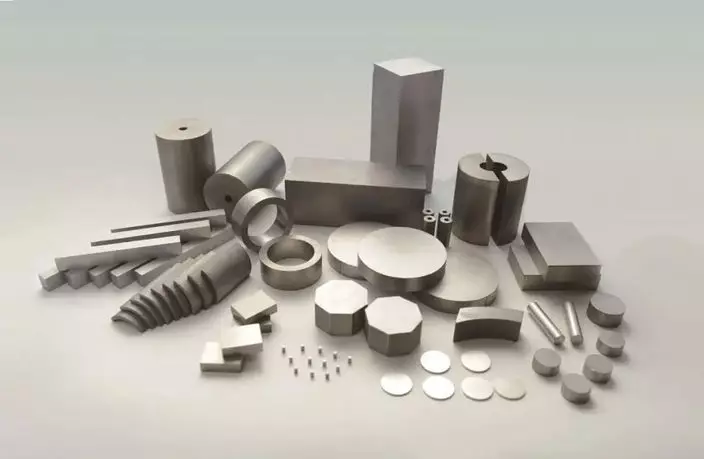
Rare-earth permanent magnet materials are critical components in the manufacture of tech products such as phones, electric vehicles and drones. (Source: Sina Finance photo)
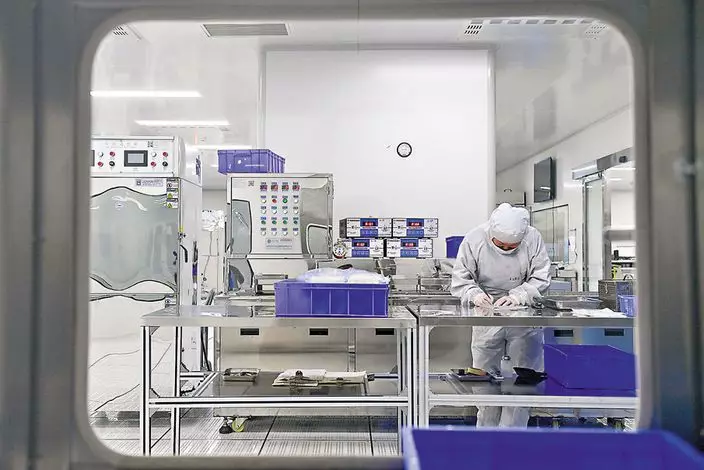
Rare-earth permanent magnet materials are critical components in the manufacture of tech products such as phones, electric vehicles and drones. (Source: Sina Finance photo)

China processes approximately 90% of the world's refined rare-earth output. (Source: Ta Kung Wen Wei file photo)
China processes approximately 90% of the world's refined rare-earth output. (Source: Ta Kung Wen Wei file photo)

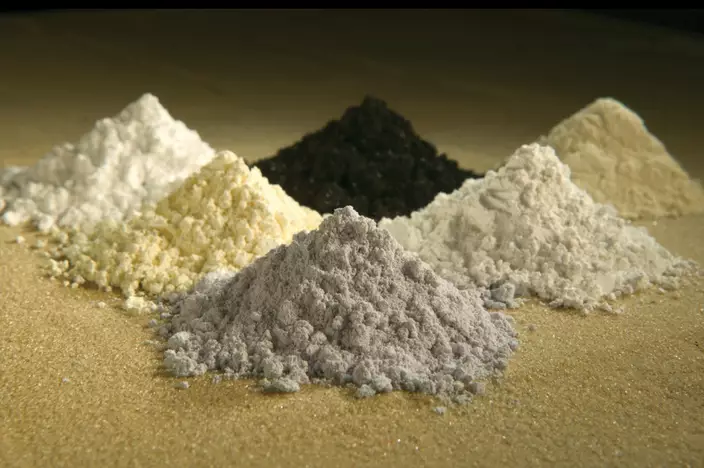
High-purity refined rare-earth oxides prepared for industrial manufacturing. (Source: Wikipedia photo)
High-purity refined rare-earth oxides prepared for industrial manufacturing. (Source: Wikipedia photo)

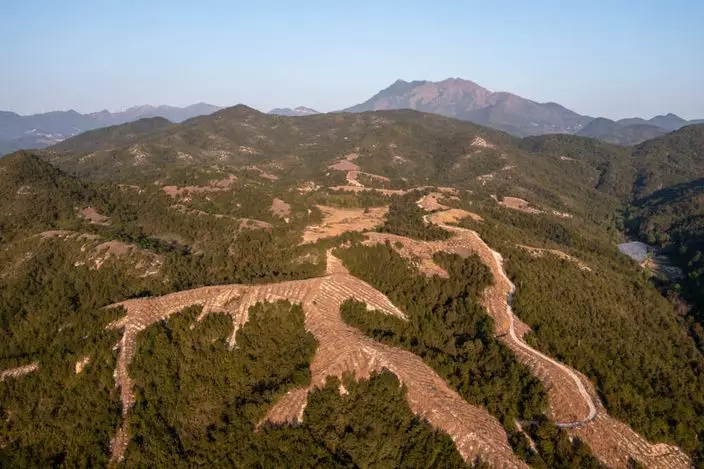
Restored terrain of a rare-earth mine in Ganzhou, featuring terraced landscaping and re-vegetated mountain slopes. (Source: Caixin photo)
Restored terrain of a rare-earth mine in Ganzhou, featuring terraced landscaping and re-vegetated mountain slopes. (Source: Caixin photo)

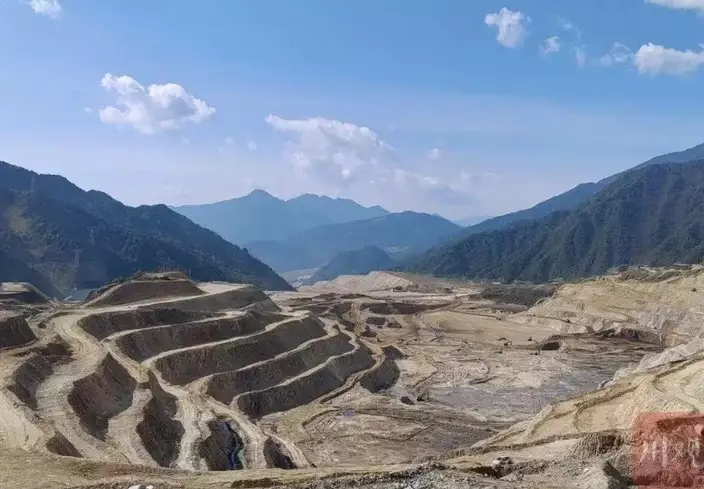
Operations at a rare-earth mining facility in Sichuan Province. (Source: Sichuan Daily photo)

Operations at a rare-earth mining facility in Sichuan Province. (Source: Sichuan Daily photo)

Rare-earth permanent magnet materials are critical components in the manufacture of tech products such as phones, electric vehicles and drones. (Source: Sina Finance photo)

Rare-earth permanent magnet materials are critical components in the manufacture of tech products such as phones, electric vehicles and drones. (Source: Sina Finance photo)

The "Element Magic" Driving Everyday Tech

High-tech consumer products dominate the "Chinamaxxing" bucket list. Whether it is the precision haptic feedback module inside a Xiaomi smartphone or the micro-acoustic driver in an OPPO earbud, core magnetic assemblies depend on high-performance permanent magnets crafted from praseodymium and neodymium (PrNd).

Similarly, the high-torque drive motors powering BYD and Tesla vehicles rely heavily on neodymium-iron-boron (NdFeB) magnets; without the thermal stabilization provided by heavy rare earth elements (HREEs) like terbium (Tb) and dysprosium (Dy), EV motors would demagnetize under high-speed operational temperatures. Furthermore, the rock-solid hovering stability of DJI drones and the high-output generators driving smart-grid wind turbines depend entirely on rare-earth magnetic materials. These feats of industrial design and software optimization are built directly upon the unique physical and chemical properties of rare-earth metals.

Mining Is Common, Refining Is King: Debunking the "Geological Lottery" Myth

Western commentary historically reduced China’s rare-earth advantage to a simple geological gift. Industrial metrics tell a different story. Rare-earth elements are relatively abundant in the Earth's crust, but they are geographically dispersed and chemically twin-like, making high-purity separation as challenging as picking individual grains of specified sand from a beach.

Data from the United States Geological Survey (USGS) and the International Energy Agency (IEA) indicates that while China accounted for roughly 69% (270,000 metric tons) of global rare-earth mining output in 2024, it controlled 92% of global smelting and separation capacity. Furthermore, approximately 90% of global rare-earth permanent magnets are manufactured in China, with Chinese Academy of Sciences data corroborating this 90% global market share.

China processes approximately 90% of the world's refined rare-earth output. (Source: Ta Kung Wen Wei file photo)

China processes approximately 90% of the world's refined rare-earth output. (Source: Ta Kung Wen Wei file photo)

Even when countries like the US or Australia mine raw rare-earth ores, the raw concentrate must still be shipped to Chinese refineries for complex, high-purity separation. Western efforts to construct "de-risked" or non-Chinese supply chains routinely hit bottlenecks—not at the minehead, but against the decades of chemical separation patents, economies of scale, and engineering execution accumulated across Chinese processing hubs.

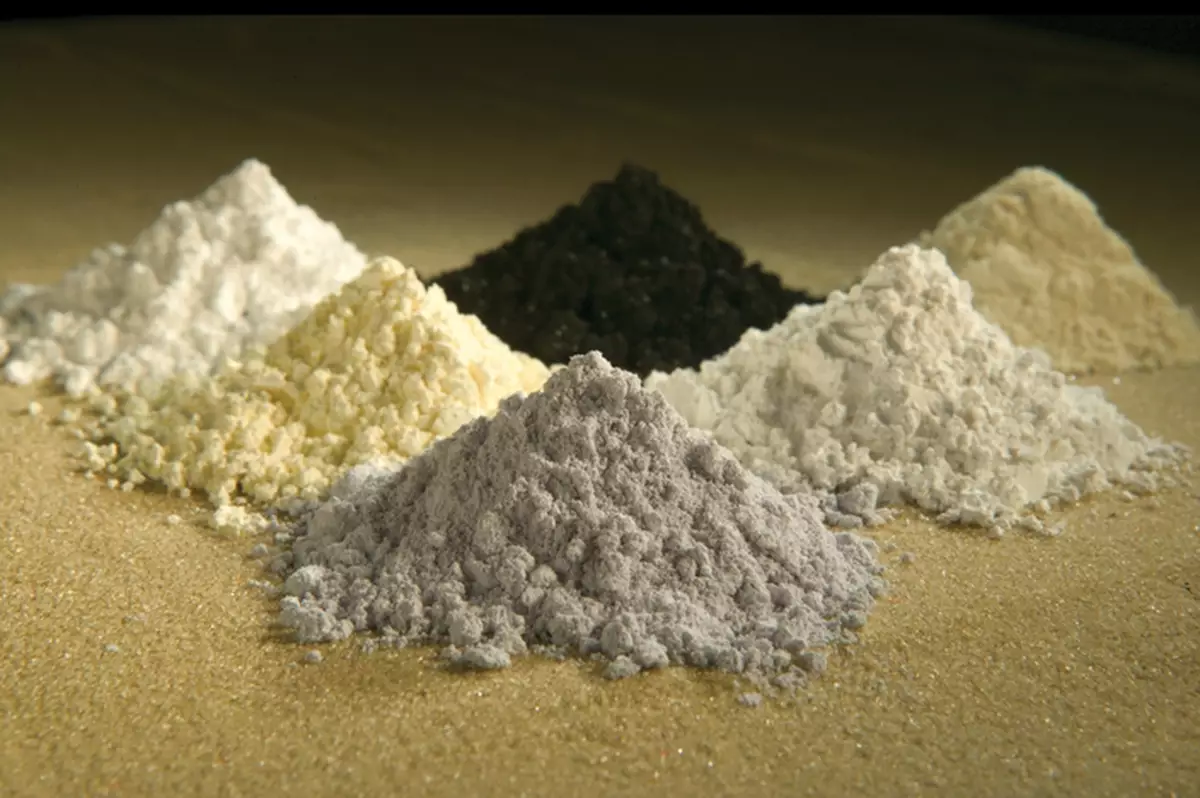
High-purity refined rare-earth oxides prepared for industrial manufacturing. (Source: Wikipedia photo)

High-purity refined rare-earth oxides prepared for industrial manufacturing. (Source: Wikipedia photo)

From Exporting Ore to Licensing Tech: Green Extraction and Environmental Upgrades

Beyond processing capacity, external observers often overlook the green technology upgrades and environmental governance reshaping the sector. The legacy stereotype of rare-earth mining as a dirty, low-value-added industry has given way to modern industrial standards. In Ganzhou (Southern Jiangxi)—home to the world's premier medium and heavy rare-earth deposits—mining has been consolidated under unified ecological management, establishing mine site re-greening and green smelting as non-negotiable entry requirements. China holds a vast portfolio of separation patents, leading the commercialization of low-carbon solvent extraction and automated purification systems.

Restored terrain of a rare-earth mine in Ganzhou, featuring terraced landscaping and re-vegetated mountain slopes. (Source: Caixin photo)

Restored terrain of a rare-earth mine in Ganzhou, featuring terraced landscaping and re-vegetated mountain slopes. (Source: Caixin photo)

By evolving from early-stage raw mineral exports ("selling dirt") to commanding advanced separation patents and automated purification IPs ("selling tech"), this dual upgrade in technology and environmental compliance creates significant barriers for foreign competitors attempting to replicate equivalent capacity.

The National Security Dimension: Safeguarding Resource Autonomy and Tech Moats

The irreplaceable nature of the rare-earth supply chain serves a strategic dual function within national security frameworks.

Regarding resource security and supply chain resilience, rare earths represent critical strategic minerals. China's recent consolidation of rare-earth assets and stringent environmental oversight phase out uncoordinated mining in favor of green extraction and intelligent refining. This approach preserves ecological stability while protecting strategic reserves from unregulated depletion, ensuring resource autonomy amid global supply chain shifts.

Operations at a rare-earth mining facility in Sichuan Province. (Source: Sichuan Daily photo)

Operations at a rare-earth mining facility in Sichuan Province. (Source: Sichuan Daily photo)

Regarding technological security and industrial defensibility, rare-earth capabilities provide a key baseline in an era of global technological competition. Complete, domestic end-to-end control of the rare-earth industrial chain forms a solid foundation for emerging sectors like New Energy Vehicles (NEVs), semiconductor materials, and aerospace engineering. This "defensive tower built on the periodic table" ensures that high-tech industrial upgrades remain resilient against external pressures, providing the smooth technological performance behind "Chinamaxxing" with a reliable hardware foundation.

When global audiences praise the convenience and modernity of the "China experience" online, they are witnessing the output of an integrated industrial loop—running from raw elements to finished consumer hardware. From refining facilities in Baotou and Ganzhou to electric vehicles on urban roads and smart devices in users' hands, these 17 elements do more than enable viral user experiences: they represent a key pillar of national resource security and technological capability. While consumers rarely take photos of raw magnetic components, every electric motor and wind turbine quietly relies on Chinese rare-earth technology.


Chinamaxxing

** 博客文章文責自負,不代表本公司立場 **

The star-shaped roundabout surrounding the Arc de Triomphe in Paris is widely considered one of Europe's most intimidating driving challenges: twelve major avenues converge into a continuous flow of traffic navigating lanes with no painted markers. Yet a reporter from Bloomberg recently rode in a Chery JAECOO 7 equipped with Momenta’s autonomous driving software, letting the vehicle navigate the chaos unassisted. The observation was unequivocal: "It threaded smoothly through the chaotic traffic, drove around the roundabout, chose an exit, and drove off, with zero human intervention throughout."

Chery JAECOO and Momenta complete a zero-intervention autonomous driving test through Paris's complex Arc de Triomphe roundabout. (Source: Phoenix Tech photo)

Chery JAECOO and Momenta complete a zero-intervention autonomous driving test through Paris's complex Arc de Triomphe roundabout. (Source: Phoenix Tech photo)

During the same European road trials, Xpeng’s navigation-assisted driving system earned praise as a model driver—maintaining speed limits, easing off the accelerator at amber lights, and yielding to faster vehicles in tunnels. This is no mere laboratory prototype. That same month, the JAECOO 7 topped the UK's overall model sales charts, while in France, monthly registrations reached 2,589 units in September, bringing its market share to 1.6%.

The JAECOO × Momenta team celebrates the completion of the Arc de Triomphe smart-driving challenge. (Source: Phoenix Tech photo)

The JAECOO × Momenta team celebrates the completion of the Arc de Triomphe smart-driving challenge. (Source: Phoenix Tech photo)

Chinese autonomous driving technology is asserting itself in European driving environments long considered challenging even for veteran local motorists.

Behind the Wheel: How Test Drives Win Over Skeptics

Product quality is best evaluated on the open road. After test-driving a Xiaomi SU7 Max in New Jersey for two weeks, a tech columnist for The Wall Street Journal penned a widely shared piece: "Whenever I get back into my Ford, I can't help thinking of you—your long range, your modular interior, your absurdly large central screen. Please come back to America... for me."

Wall Street Journal technology columnist Joanna Stern takes a Xiaomi SU7 Max for a drive in New Jersey. (Source: WSJ Chinese photo)

Wall Street Journal technology columnist Joanna Stern takes a Xiaomi SU7 Max for a drive in New Jersey. (Source: WSJ Chinese photo)

Meanwhile, a reporter for The Washington Post traveled to Mexico—where Chinese vehicles are widely available—to examine consumer adoption. The entry-level BYD Dolphin Mini, priced at $21,400, costs roughly $9 to fully charge at home, compared to $30 in gasoline for an equivalent distance. The Zeekr 7X, priced at $45,300, was noted for offering "quality and hardware that match or exceed cars costing twice as much." At a Mexico City charging station, 34-year-old physician Arnold Cruz reflected on replacing his Volkswagen with a BYD: "I will never drive a gas car again... I had doubts too. But honestly, it has been great."

A BYD Dolphin Mini operating on the streets of Mexico City. (Source: Social media photo)

A BYD Dolphin Mini operating on the streets of Mexico City. (Source: Social media photo)

In under five years, Chinese brand share in Mexico’s new car market rose from under 1% to 15%, representing approximately 90% of the local electric vehicle segment.

The Australian Market: Rapid Adoption of Tech-Centric Vehicles

Australian automotive outlet Man of Many framed the trend directly, examining why Australian consumers are increasingly turning to Chinese brands. After three years of reviewing Chinese vehicles, the outlet's chief reviewer highlighted a key differentiator: Chinese automakers approach vehicles as updateable consumer technology products. After providing feedback regarding the lane-keeping system on a GWM TANK SUV, the reviewer received an over-the-air software fix and an invitation to re-test the system within two weeks.

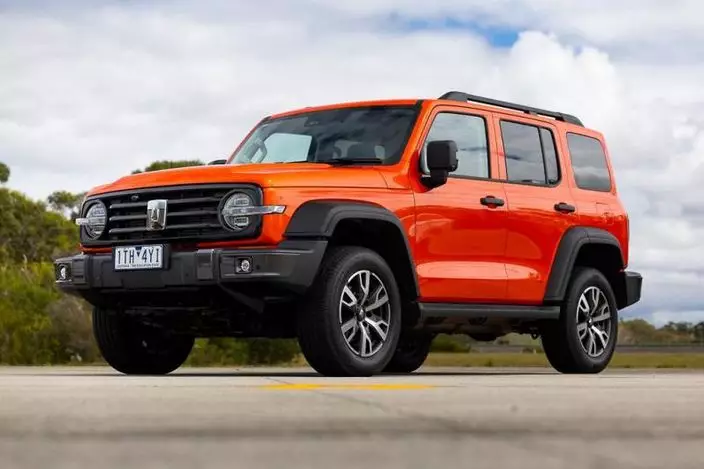
GWM TANK SUV entering the Australian market. (Source: GWM TANK official photo)

GWM TANK SUV entering the Australian market. (Source: GWM TANK official photo)

Market data reflects this momentum. In 2025, sales of Chinese-manufactured vehicles in Australia reached 252,000 units—a 31% year-on-year increase—bringing market share to 20.4% and positioning China as Australia's second-largest source of new vehicles. Brands like GWM, BYD, and MG secured positions among the top ten best-selling brands. By June 2026, monthly market share surpassed 25%, with electrified models representing 51.4% of sales—marking the first time alternative energy vehicles crossed the halfway threshold and reshaping long-standing market dynamics.

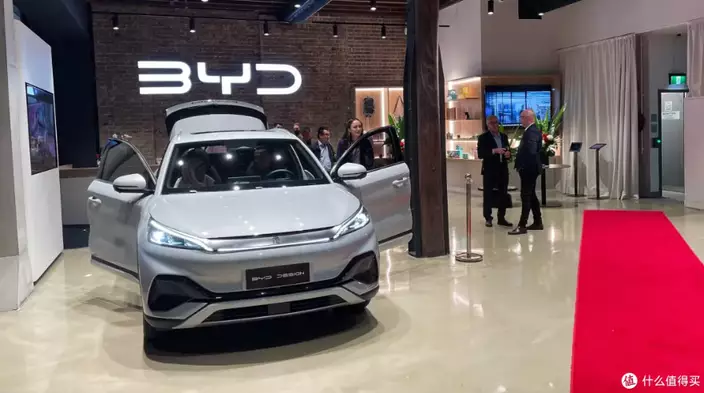
A BYD showroom facility in Australia. (Source: SMZDM photo)

A BYD showroom facility in Australia. (Source: SMZDM photo)

Global Market Indicators

Broader international metrics highlight a consistent trend: in January and February 2026, sales of Chinese-brand electric vehicles in Europe grew 94% year-on-year, pushing market share from 4.2% to 8%. By April 2026, Chinese brands accounted for over 15% of Europe's EV market—a record high—up from just 2% of the EU pure electric market between 2021 and 2025.

On German roads, BYD registrations recorded significant year-on-year growth; in Thailand, Chinese brands account for 86% of the pure electric market; and in São Paulo, Brazil, the BYD Dolphin topped sales charts as Chinese brands captured 77.6% of the pure electric segment. In the first quarter of 2026, China's total vehicle exports reached 2.226 million units (up 56.7% year-on-year), including 954,000 New Energy Vehicles (NEVs)—a 1.2-fold surge.

At the Paris Motor Show, roughly 20 Chinese brands exhibited their latest models, up from nine two years prior. Conversely, the US market remains largely insulated behind 100% tariffs and proposed bans on connected vehicle technology citing national security considerations. As The Washington Post observed, Mexico has effectively become "a showroom for electric cars you cannot buy in the US."

The growing global presence of Chinese EVs stems from intense domestic market competition, rapid iterative engineering, and competitive value propositions. From navigating complex European roundabouts to delivering frequent software updates across global markets, consumer adoption reflects direct product evaluation. While trade barriers and tariff structures aim to shelter domestic industries, market demand across Latin America, Australia, and Europe continues to respond to competitive product engineering—demonstrating that automotive technology adoption is ultimately driven by performance, usability, and consumer choice on the open road.

Recommended Articles